案例媒体
案例说明
这个页面把案例媒体、完整 Prompt 和出处放在一起,方便你先看结果,再判断这条 Prompt 是否值得复制、收藏或加入对比。
案例解读
为了方便搜索、引用和后续复用,这里会把案例的适用场景、画面重点和 Prompt 结构拆成更容易浏览的说明。
这类案例适合用在什么场景
- 把它当作 模型对比与社区 的基准案例最合适,先看成片方向,再决定自己的 Prompt 要往哪边改。
- 如果你的目标也落在 信息图、对比实验、模型对比与社区 这些方向,这条案例特别适合先看图判断风格,再回头微调描述。
- 做 Prompt 对比时,也很适合作为控制组,只改一个变量去看结果变化。
画面重点与风格信号
- 这条案例最明显的风格信号集中在 信息图、对比实验、模型对比与社区,所以第一次改写时最好先保留这些关键词。
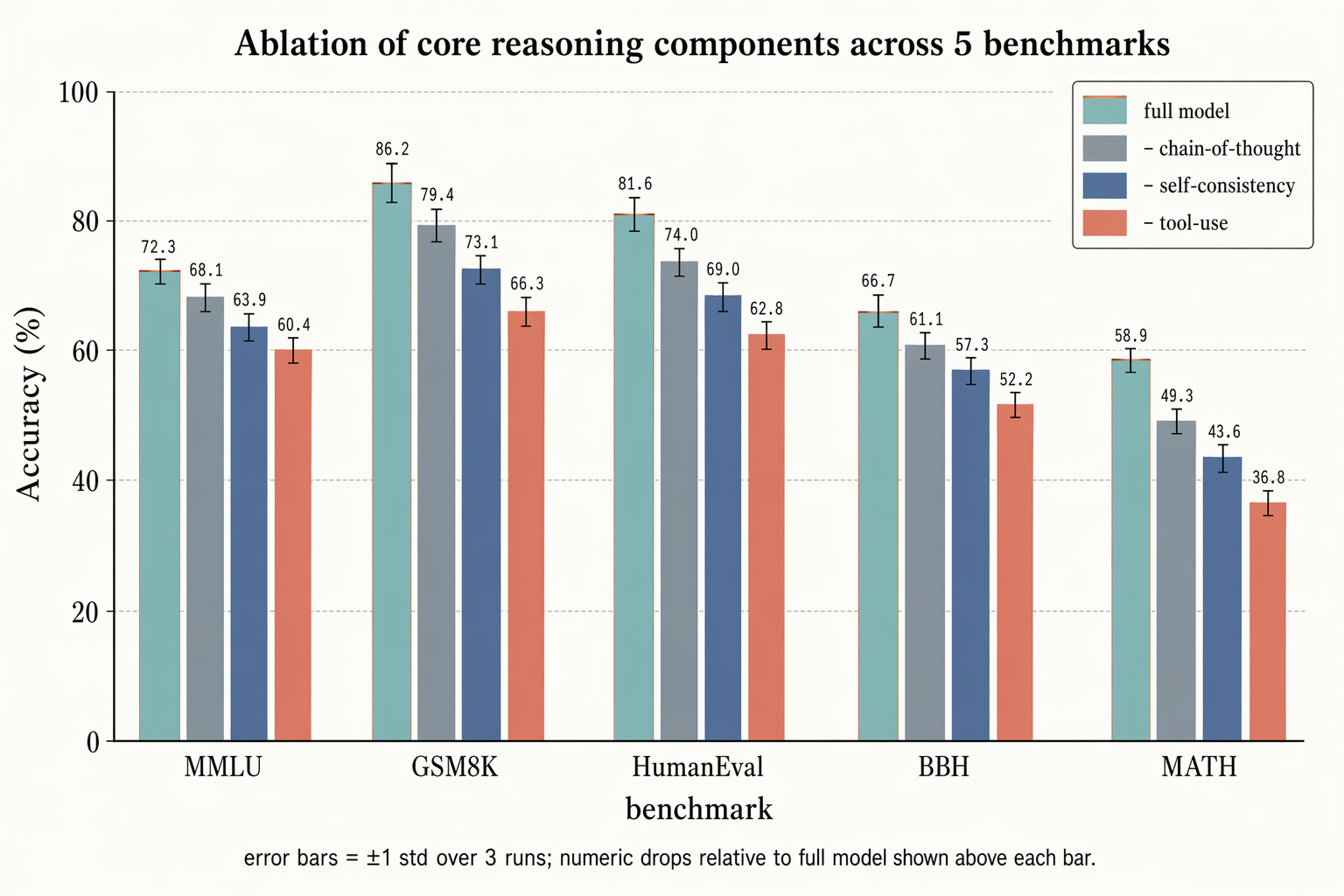
- 这类案例最有价值的地方通常是看差异:到底改了什么、哪里崩了、是哪段 Prompt 造成的变化。
- 当前保留了 2 份媒体输出,适合顺手观察同一方向在多张结果里的稳定性。
Prompt 结构可以怎么理解
- 这条 Prompt 整体属于一条比较长、约束条件很多的 Prompt,很适合拿来判断这类方向到底需要写到多细。
- 关键词簇主要围绕 信息图、对比实验、模型对比与社区 展开,所以复用时可以先保留这组风格词,再替换主体、镜头、环境或文案信息。
- 最稳的改写方式通常是先保留结果方向和最强风格信号,只替换主体设定与场景块。
如果你是带着问题来的,可以先看这些角度
- 如果保留 信息图、对比实验、模型对比与社区,只换主体题材,结果最先变化的会是哪一部分?
- 这条结果里,哪些特征更像是 模型对比与社区 的结构特征,哪些又是标签风格本身带来的?
- 同分类的相关案例里,哪几条能给你更克制或更极致的相邻变体?
完整 Prompt
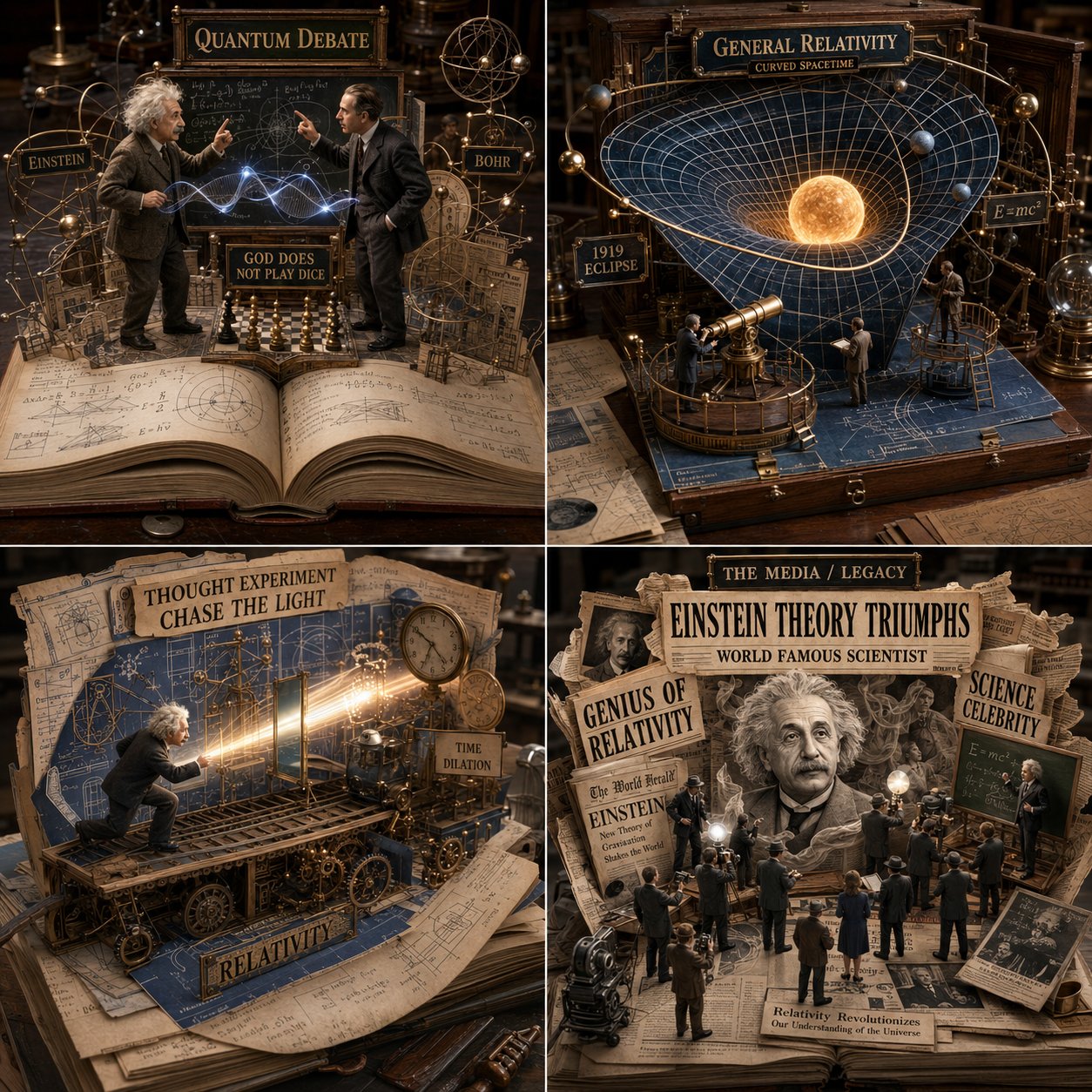
Einstein : Input Variable: [INSERT TOPIC] (e.g., Nikola Tesla, The Wright Brothers, The Manhattan Project, Leonardo da Vinci) System Instruction: Generate a hyper-realistic, 2x2 Grid of 3D Miniature Dioramas . Use the following logic to procedurally generate 4 distinct chapters of the Input Variable's history: 1. Narrative Partitioning (The 4 Chapters): Analyze the Input Variable and generate 4 distinct visual narratives: Panel 1 (The Rivalry): Identify the biggest conflict. (e.g., Tesla vs. Edison; Da Vinci vs. Michelangelo). Panel 2 (The Magnum Opus): Identify the most visual/iconic invention or creation. (e.g., Tesla Tower; The Vitruvian Man). Panel 3 (The Myth/Experiment): Identify a sensationalized or "Deep Cut" story. (e.g., The Earthquake Machine; The Flying Machine). Panel 4 (The Media/Legacy): Identify how the public viewed them (e.g., Newspaper Headlines, Propaganda, Weaponization). 2. Container CRITICAL: Do not use the same base for all 4. The base must match the narrative of the panel. If Theory/Rivalry: Use an Open Technical Book or Blueprints . The figures stand on the paper. If Invention/Hardware: Use a Vintage Radio , Wooden Cabinet , or Machine Chassis as the stage. If Media/News: Use a stack of Vintage Newspapers with legible headlines. 3. The Diorama The Transition: The 2D object (Book/Paper) physically erupts into 3D. (e.g., Blueprint lines turn into Brass Wires; Newspaper photos turn into 3D smoke). The Figures: 1:12 Scale Photorealistic Miniatures. They are not static; they are working, arguing, or operating machinery. The Scale: The invention should tower over the figures to show scale and grandeur. 4. Visual (The Details): Diegetic Text: The scene must include readable labels in the environment. Nameplates: "AC POWER - TESLA" vs "DC POWER - EDISON". Headlines: "MYSTERIOUS TREMOR SHAKES LAB!" Active Elements: The scene is alive. Energy: Electrical arcs (Tesla coils), Laser beams, Steam, or Fire must be rendered as Volumetric Light . Motion: Debris falling, gears spinning. 5. Lighting Style: "Museum Tabletop" Photography. Warm, rich wood tones in the background. Lighting: Directed Spotlights on the miniatures, creating dramatic shadows on the books/blueprints. Material: High-fidelity Wood, Brass, Paper, and Glass textures. Output: 2x2 Grid, 1:1 Aspect Ratio, Octane Render, "History Channel" Aesthetic, 8k Resolution.