案例媒体
案例说明
这个页面把案例媒体、完整 Prompt 和出处放在一起,方便你先看结果,再判断这条 Prompt 是否值得复制、收藏或加入对比。
案例解读
为了方便搜索、引用和后续复用,这里会把案例的适用场景、画面重点和 Prompt 结构拆成更容易浏览的说明。
这类案例适合用在什么场景
- 把它当作 模型对比与社区 的基准案例最合适,先看成片方向,再决定自己的 Prompt 要往哪边改。
- 如果你的目标也落在 插画、角色、城市视觉 这些方向,这条案例特别适合先看图判断风格,再回头微调描述。
- 做 Prompt 对比时,也很适合作为控制组,只改一个变量去看结果变化。
画面重点与风格信号
- 这条案例最明显的风格信号集中在 插画、角色、城市视觉,所以第一次改写时最好先保留这些关键词。
- 这类案例最有价值的地方通常是看差异:到底改了什么、哪里崩了、是哪段 Prompt 造成的变化。
- 当前保留了 4 份媒体输出,适合顺手观察同一方向在多张结果里的稳定性。
Prompt 结构可以怎么理解
- 这条 Prompt 整体属于一条比较长、约束条件很多的 Prompt,很适合拿来判断这类方向到底需要写到多细。
- 关键词簇主要围绕 插画、角色、城市视觉 展开,所以复用时可以先保留这组风格词,再替换主体、镜头、环境或文案信息。
- 最稳的改写方式通常是先保留结果方向和最强风格信号,只替换主体设定与场景块。
如果你是带着问题来的,可以先看这些角度
- 如果保留 插画、角色、城市视觉,只换主体题材,结果最先变化的会是哪一部分?
- 这条结果里,哪些特征更像是 模型对比与社区 的结构特征,哪些又是标签风格本身带来的?
- 同分类的相关案例里,哪几条能给你更克制或更极致的相邻变体?
完整 Prompt
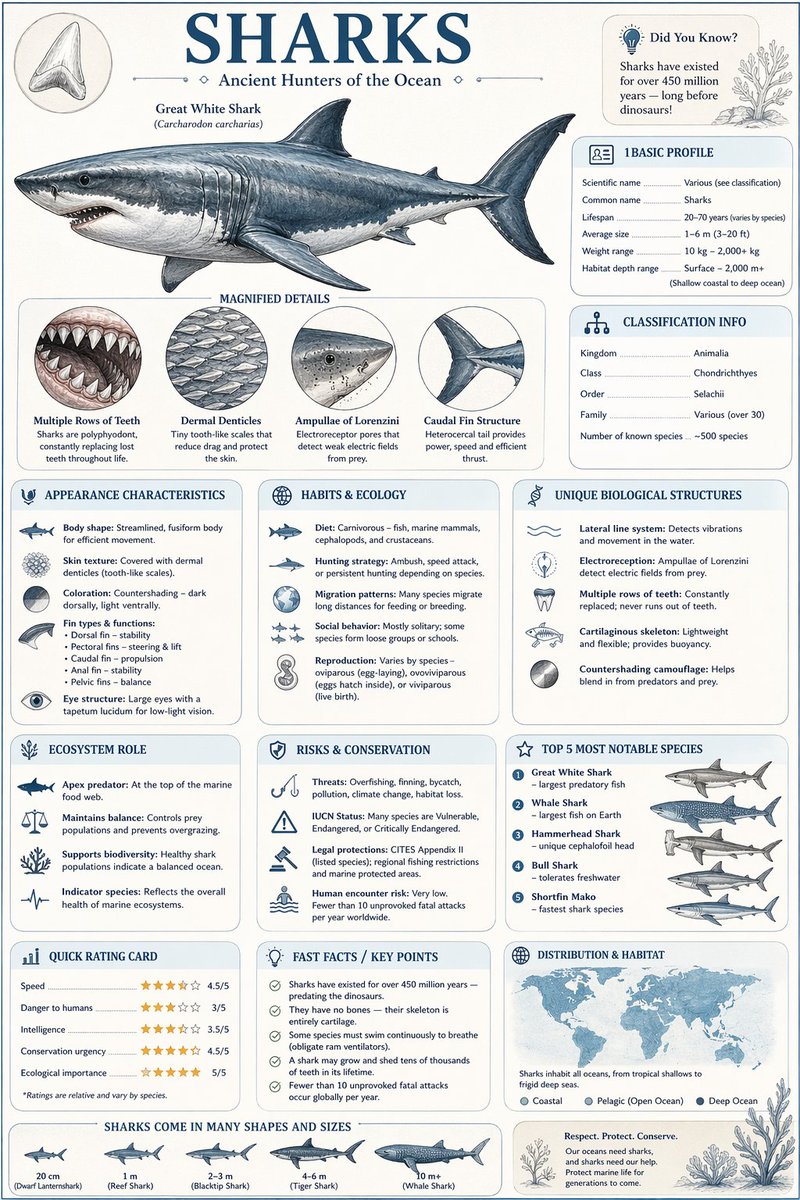
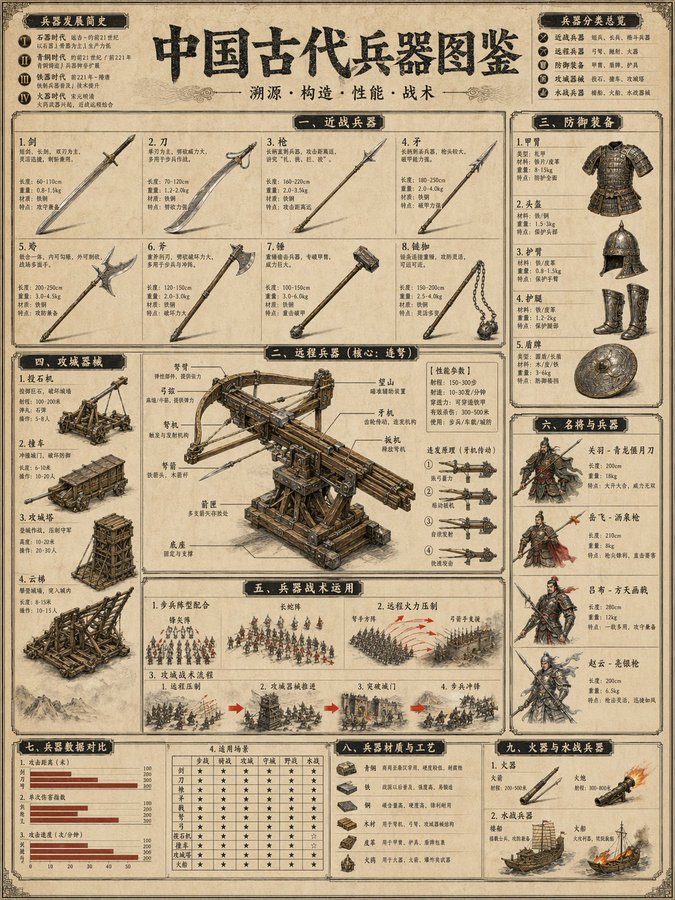
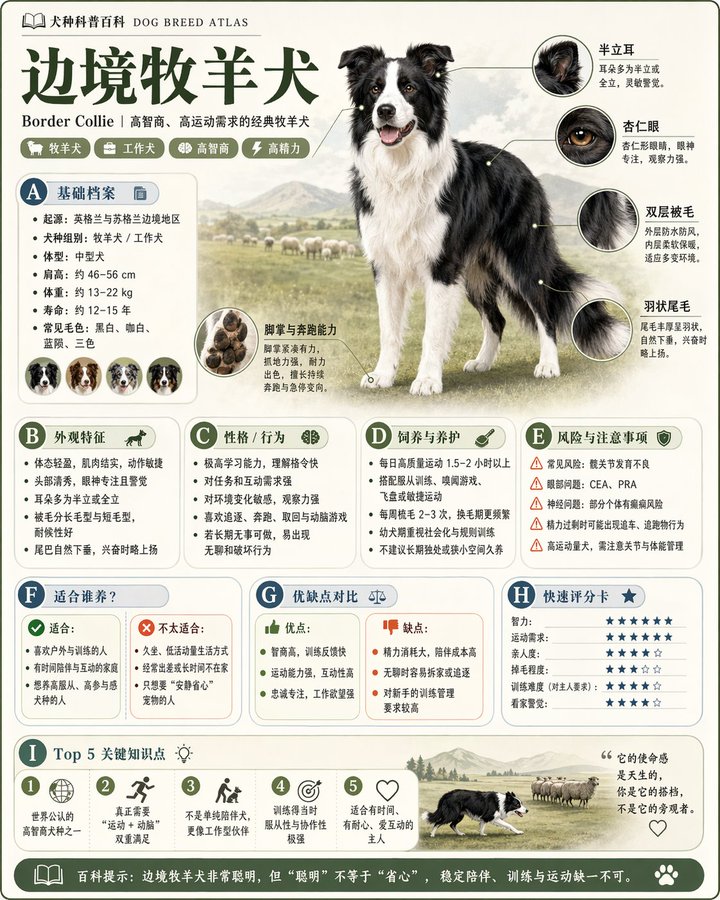
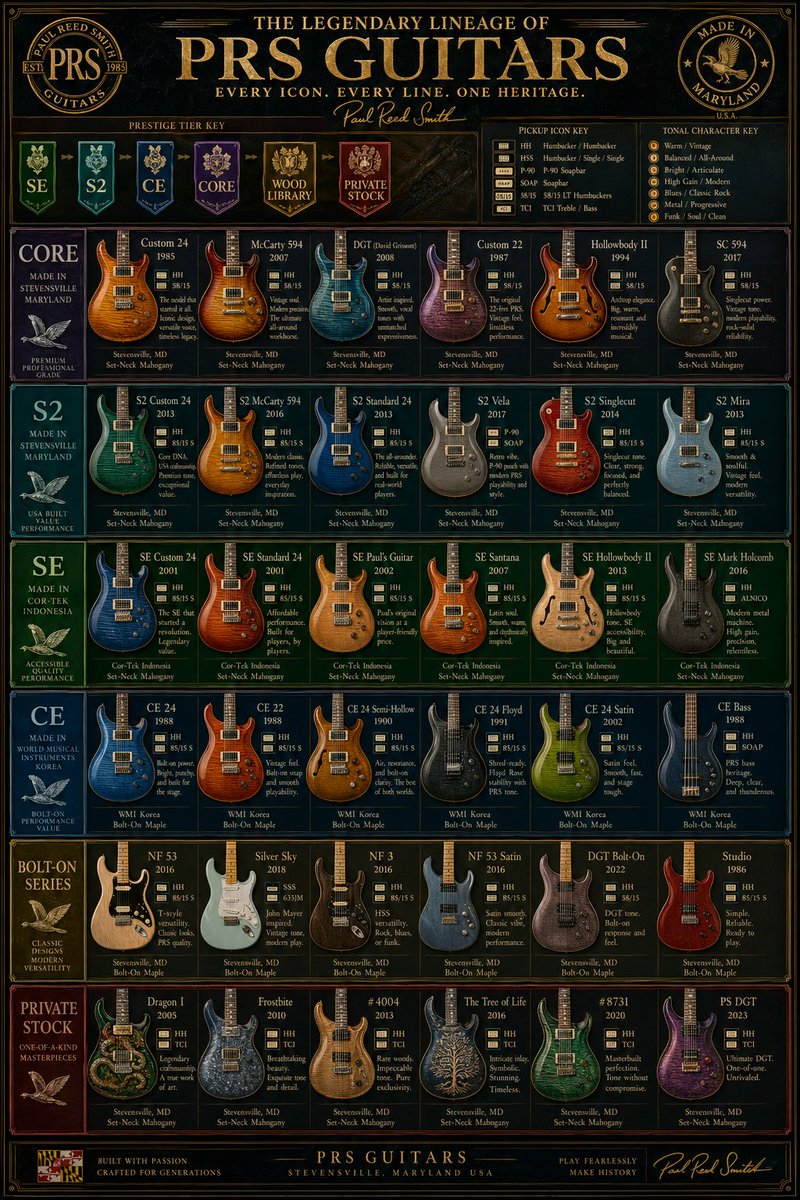
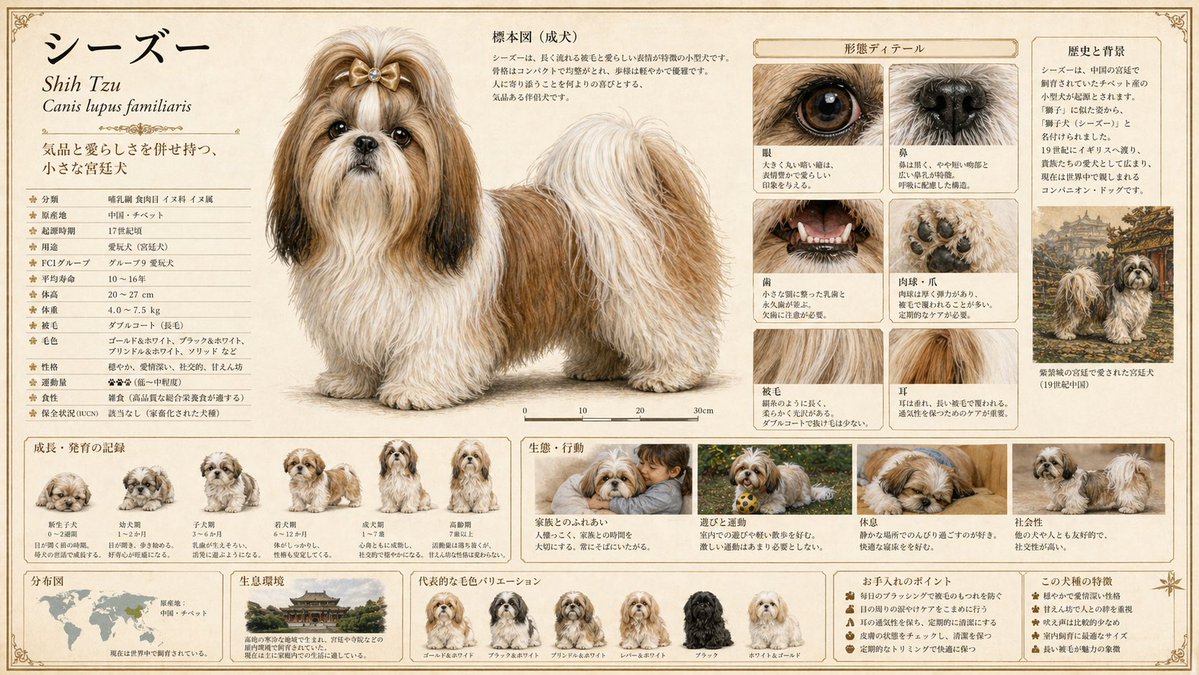
[Animal Name] {argument name="animal name" default="insert animal name here"} [Objective] Complete a large-format animal encyclopedia plate at a sellable quality level as a single illustration. Generate a publishing-quality plate that balances scientific accuracy with visual appeal. [Output Format] - Include all information in one image - Aspect Ratio: 16:9 - Quality: High (essential for ensuring precision of small text, fine lines, and labels) [Screen Design Principles] Layout, zoning, information priority, margin design, typography, decorative elements, and color palette should all be determined autonomously by GPT based on the animal's characteristics, habitat, and classification. Design a layout best suited for this specific animal without being bound by templates. [Essential Elements to Include] Integrate the following elements naturally into one frame: 1. Main Specimen Drawing - Full body of adult depicted with maximum precision - Scientifically accurate colors, patterns, and proportions - Scientific name (italicized), common name, and classification info (Order, Family, Genus) - Scale bar or size comparison 2. Growth/Development Record - Step-by-step illustration of changes from juvenile to adult - Concise labels for each stage 3. Ecological/Behavioral Depiction - Action scenes in natural environments (foraging, predation, breeding, territoriality, etc.) - Include habitat vegetation and terrain in the background 4. Morphological Details - Close-ups of characteristic parts (claws, fangs, feathers, scales, eyes, etc.) - Magnified depictions of surface textures 5. Distribution/Habitat Range - World or regional distribution map - Description of habitat types 6. Data Notations - Length, weight, lifespan, diet, conservation status (IUCN, etc.) - Easy-to-read table or icon format [Style Specification] - Publisher-quality natural history encyclopedia - Realistic botanical/naturalist painting touch (19th-century naturalist precision + modern color expression) - Paper texture: Cream-colored hot-press watercolor paper or parchment style - Font: Unified serif. Scientific names in italics; data can use mixed small sans-serif fonts - Border: Thin ink border + classical plate decoration - Overall color scheme, layout tone, and page design optimized by GPT based on habitat, classification, and ecology [Most Important Instruction] Deeply understand the unique ecology, cultural significance, and taxonomic features of this animal to design a page that feels like it was "made just for this animal." Visualize the essence of the animal rather than using a generic template. Ensure all text is actually rendered within the frame, leaving no empty labels.