案例媒体
案例说明
这个页面把案例媒体、完整 Prompt 和出处放在一起,方便你先看结果,再判断这条 Prompt 是否值得复制、收藏或加入对比。
案例解读
为了方便搜索、引用和后续复用,这里会把案例的适用场景、画面重点和 Prompt 结构拆成更容易浏览的说明。
这类案例适合用在什么场景
- 把它当作 模型对比与社区 的基准案例最合适,先看成片方向,再决定自己的 Prompt 要往哪边改。
- 如果你的目标也落在 插画、角色、二次元 这些方向,这条案例特别适合先看图判断风格,再回头微调描述。
- 做 Prompt 对比时,也很适合作为控制组,只改一个变量去看结果变化。
画面重点与风格信号
- 这条案例最明显的风格信号集中在 插画、角色、二次元,所以第一次改写时最好先保留这些关键词。
- 这类案例最有价值的地方通常是看差异:到底改了什么、哪里崩了、是哪段 Prompt 造成的变化。
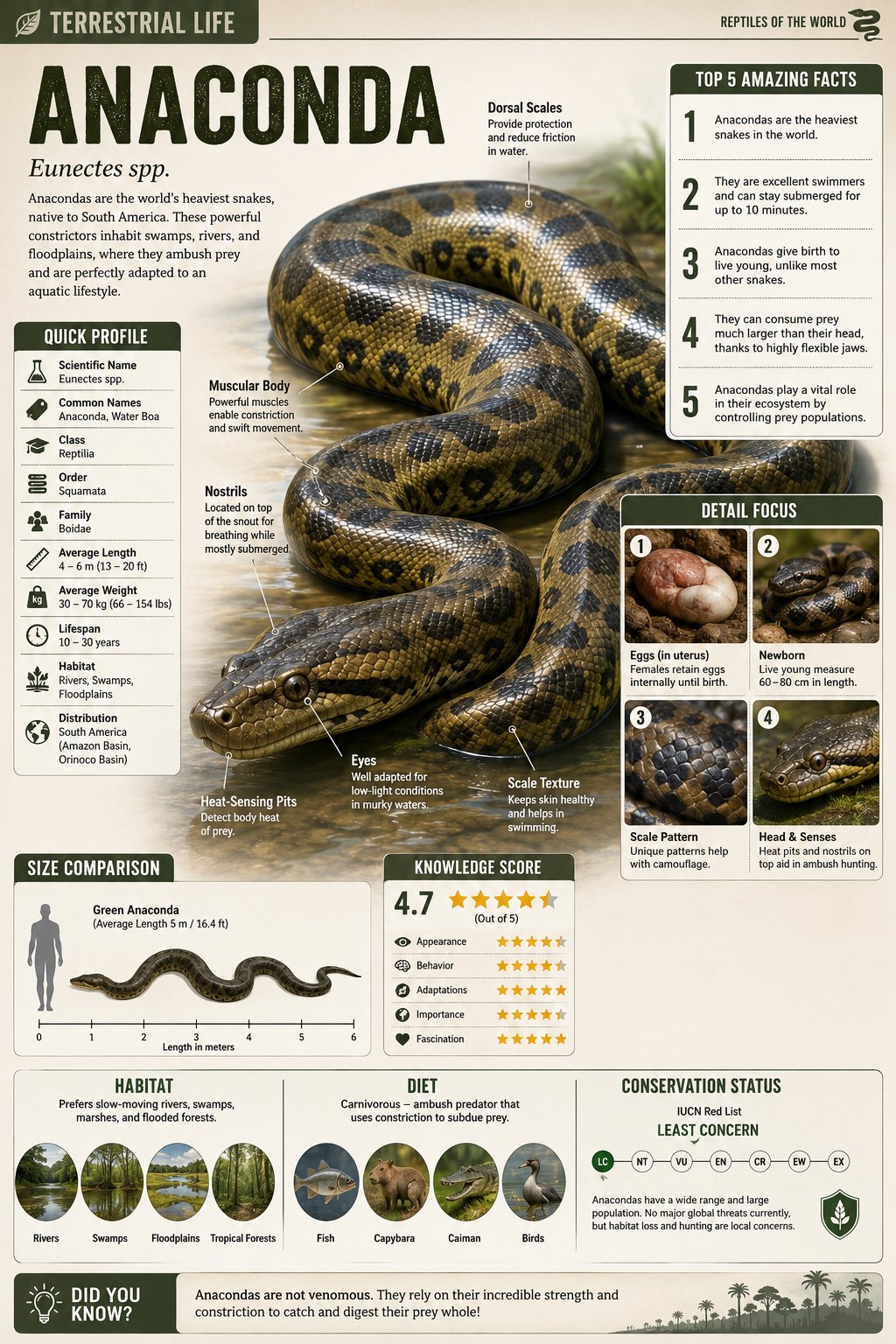
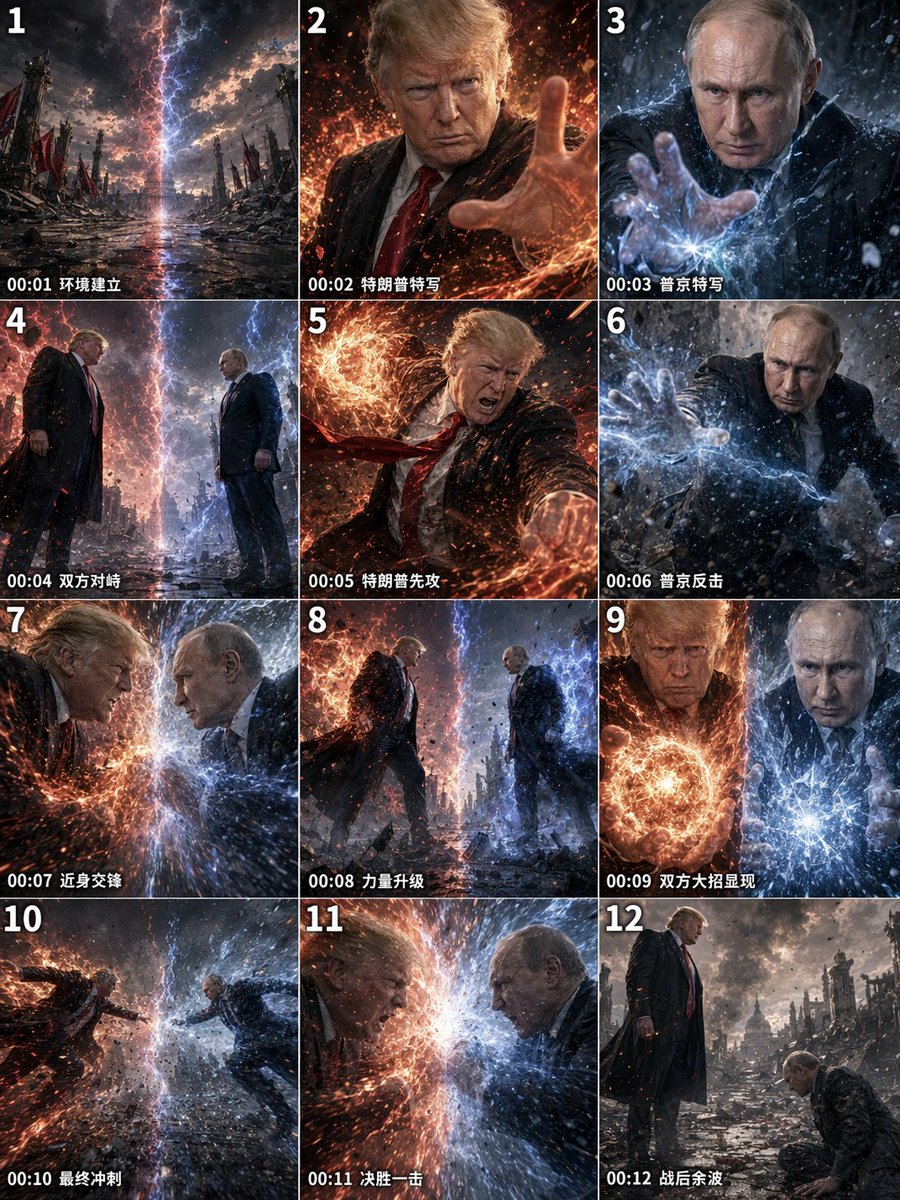
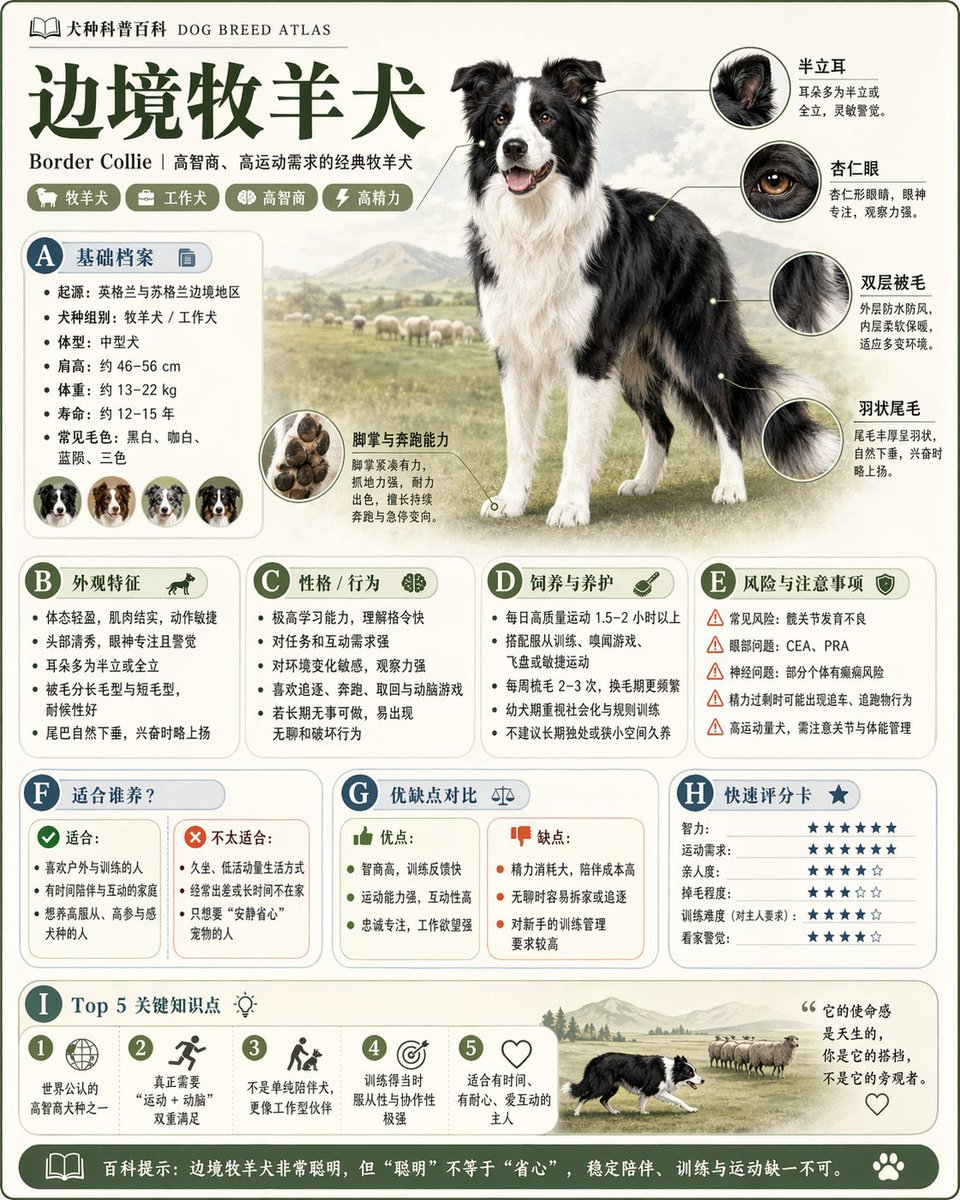
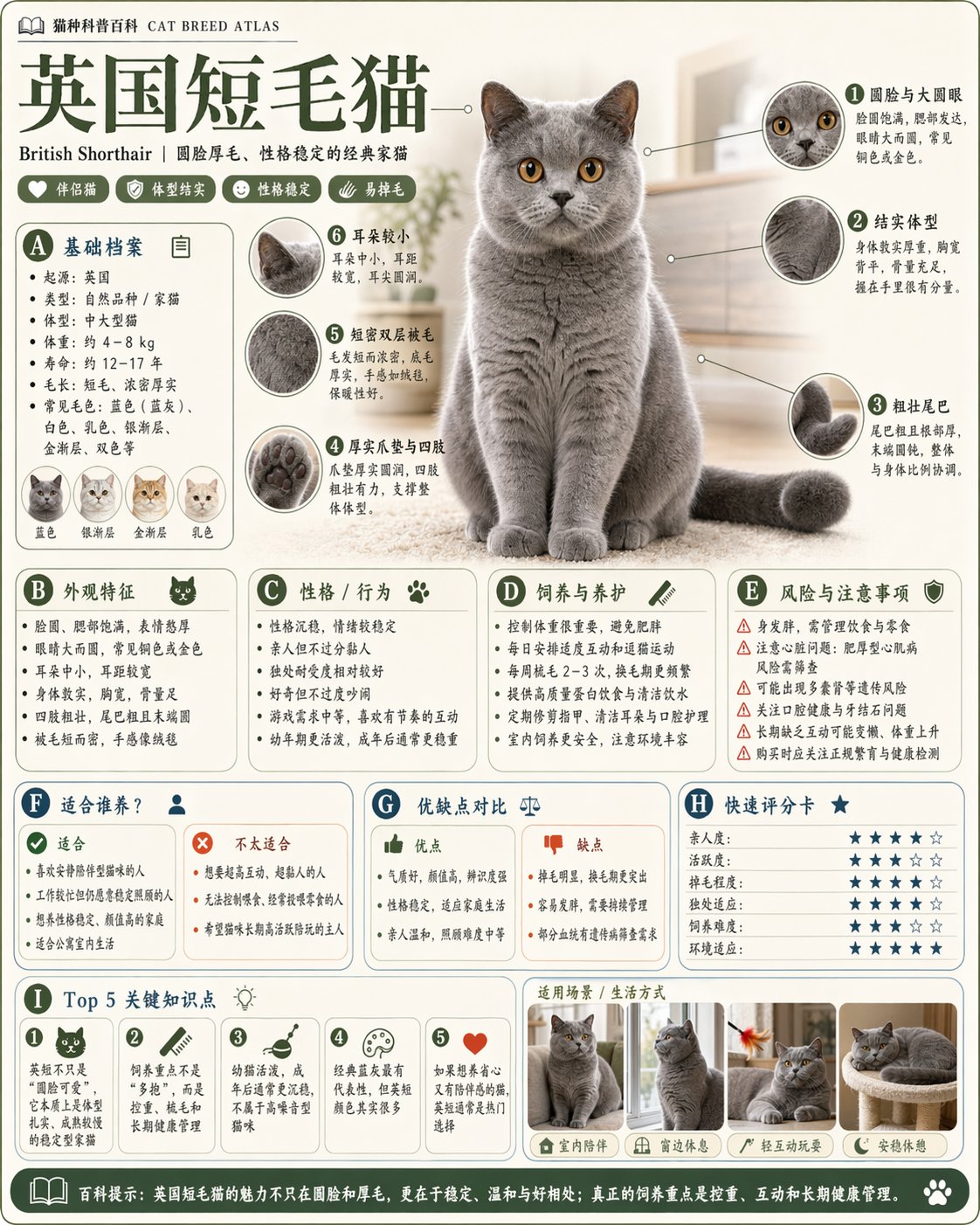
- 当前只有一张主图,所以第一张结果图就是最核心的参考基准。
Prompt 结构可以怎么理解
- 这条 Prompt 整体属于一条比较长、约束条件很多的 Prompt,很适合拿来判断这类方向到底需要写到多细。
- 关键词簇主要围绕 插画、角色、二次元 展开,所以复用时可以先保留这组风格词,再替换主体、镜头、环境或文案信息。
- 最稳的改写方式通常是先保留结果方向和最强风格信号,只替换主体设定与场景块。
如果你是带着问题来的,可以先看这些角度
- 如果保留 插画、角色、二次元,只换主体题材,结果最先变化的会是哪一部分?
- 这条结果里,哪些特征更像是 模型对比与社区 的结构特征,哪些又是标签风格本身带来的?
- 同分类的相关案例里,哪几条能给你更克制或更极致的相邻变体?
完整 Prompt
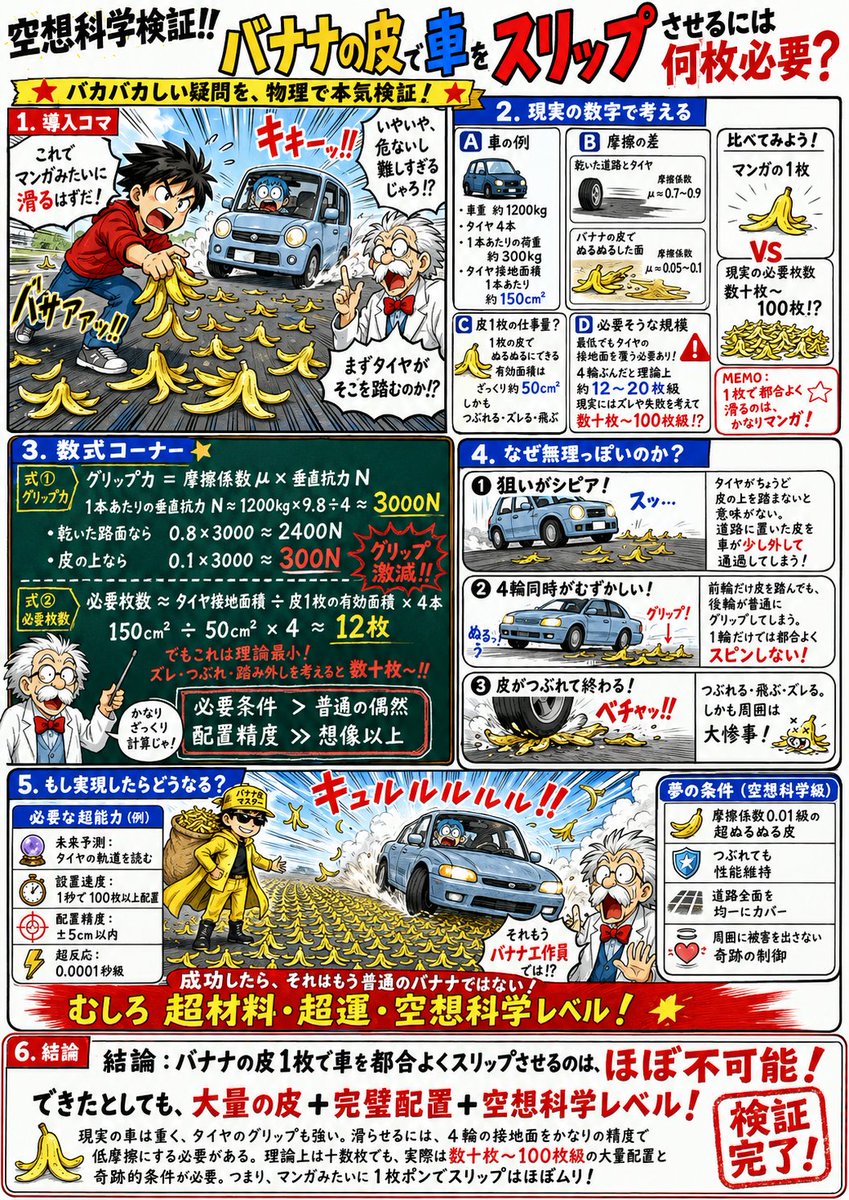
Create a comical scientific explanation illustration. The verification theme is "{argument name="validation theme" default="How many banana peels are needed to make a car slip?"}" A vertical A4 manga-style infographic that seriously verifies absurd questions with science and calculations. White background, thick black lines, and emphasis colors of red, blue, and yellow. A design reminiscent of retro educational manga, science reference books, or scientific columns. Use a professor character, surprised people, speech bubbles, hand-drawn arrows, red pen annotations, and chalkboard-style formula boxes. The overall atmosphere should be 'using physics to verify a silly question with full effort,' making it fun, energetic, and not too serious. Structure: 1. Depict the theme's situation in an exaggerated and ridiculous way that is understood at a glance. The characters are trying their best, but the appearance is quite reckless. The professor interjects with a comment from the side. 2. Thinking with Real Numbers Display 3 to 4 boxes of important values related to the theme, such as speed, time, distance, weight, force, temperature, or energy. Include comparison charts or timelines to clearly show the gap between 'human senses' and the 'scale of the phenomenon.' 3. Formula Corner Draw necessary conditions or comparison formulas largely in chalkboard-style frames. Example: 'Required Ability > Human Limit' 'Reaction Time < Time Phenomenon Occurs' 'Required Force/Speed/Durability ≫ Normal Human.' Formulas don't need to be strictly accurate; keep them intuitive and easy to understand. 4. Is Realization Impossible? Explain problem points using three small panels. Example: ① Too fast / Too heavy / Too hot ② Precision is too severe ③ Even if successful, the body won't hold out / Surroundings will be in trouble. Include comical failure illustrations, onomatopoeia, and speech bubbles. 5. What If It Was Realized? Make this part important. Illustrate what superhuman or speculative scientific abilities would be needed to actually succeed. For example, super reflexes, future prediction, abnormal grip strength, ultra-high-speed vision, physical ability to ignore air resistance, or a skeleton that can withstand impact. If necessary, use scientifically impossible numbers like 'reaction speed 0.0001s,' 'grip strength 3000kg,' or 'dynamic vision dozens of times that of a fighter pilot.' Furthermore, depict what happens the moment it is realized. Example: an impact that blows an arm off, sinking into the ground, shockwaves in the surroundings, while the person themselves remains calm. Bring out the 'if successful, they are no longer human' feeling in a fun way. 6. Conclusion Write the conclusion largely in a red highlighted frame. 'Conclusion: XX is almost impossible for a normal human!' or 'Even if realized, it would be at a superhuman, cyborg, or speculative science level!' Summarize it in a way that states it's impossible for real humans but achievable with speculative scientific abilities. Design Specifications: Manga paneling + science illustrations + professor's commentary. Use thick headings, red circles, emphasis lines, hand-drawn notes, and speech bubbles frequently. Formulas and numerical values should be large and easy to read, conveying the message intuitively even to children. Finish it like a page from an interesting science reading that is absurd yet strangely convincing.