案例媒体
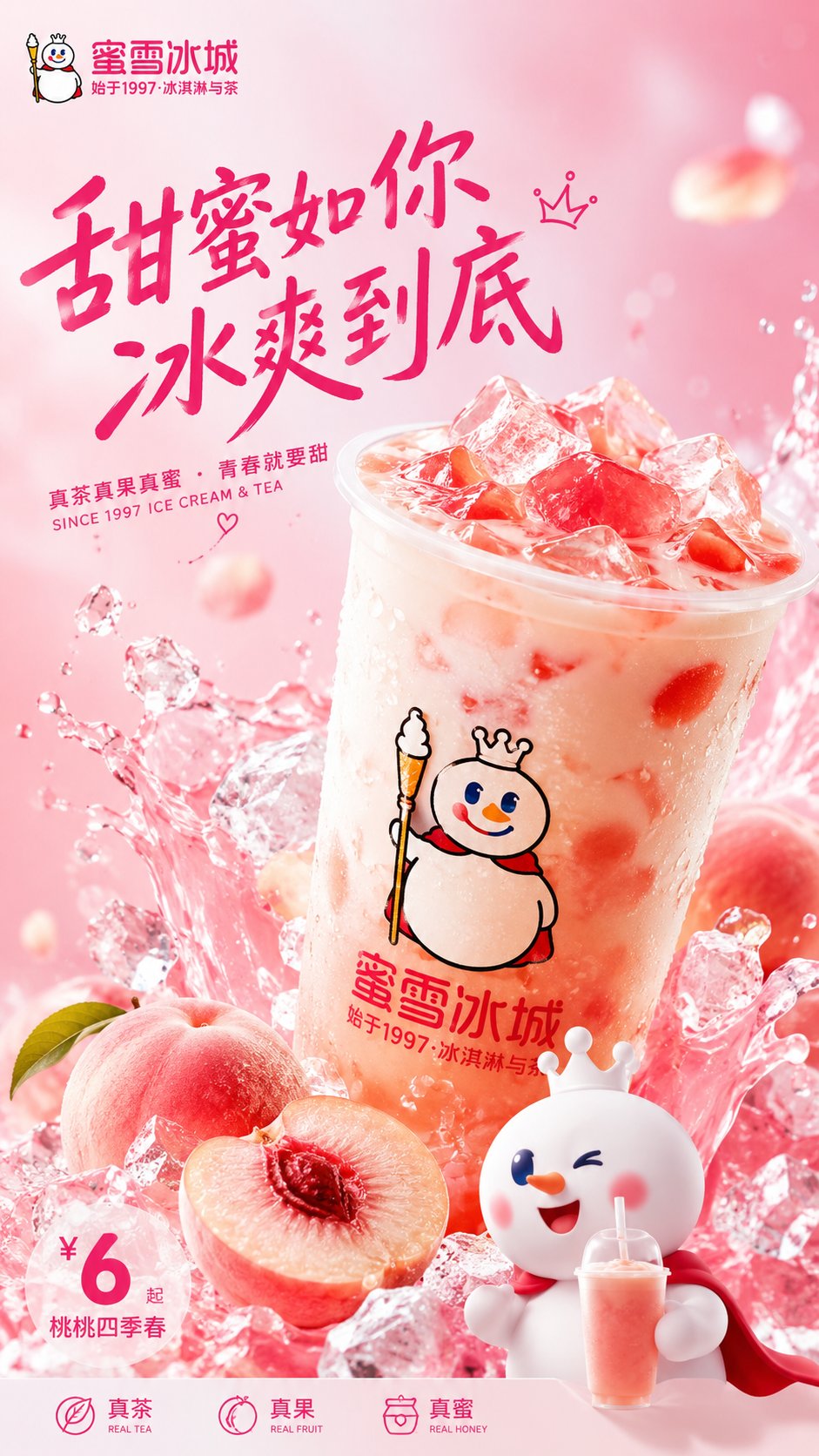
案例说明
这个页面把案例媒体、完整 Prompt 和出处放在一起,方便你先看结果,再判断这条 Prompt 是否值得复制、收藏或加入对比。
案例解读
为了方便搜索、引用和后续复用,这里会把案例的适用场景、画面重点和 Prompt 结构拆成更容易浏览的说明。
这类案例适合用在什么场景
- 把它当作 模型对比与社区 的基准案例最合适,先看成片方向,再决定自己的 Prompt 要往哪边改。
- 如果你的目标也落在 时尚、海报、角色 这些方向,这条案例特别适合先看图判断风格,再回头微调描述。
- 做 Prompt 对比时,也很适合作为控制组,只改一个变量去看结果变化。
画面重点与风格信号
- 这条案例最明显的风格信号集中在 时尚、海报、角色,所以第一次改写时最好先保留这些关键词。
- 这类案例最有价值的地方通常是看差异:到底改了什么、哪里崩了、是哪段 Prompt 造成的变化。
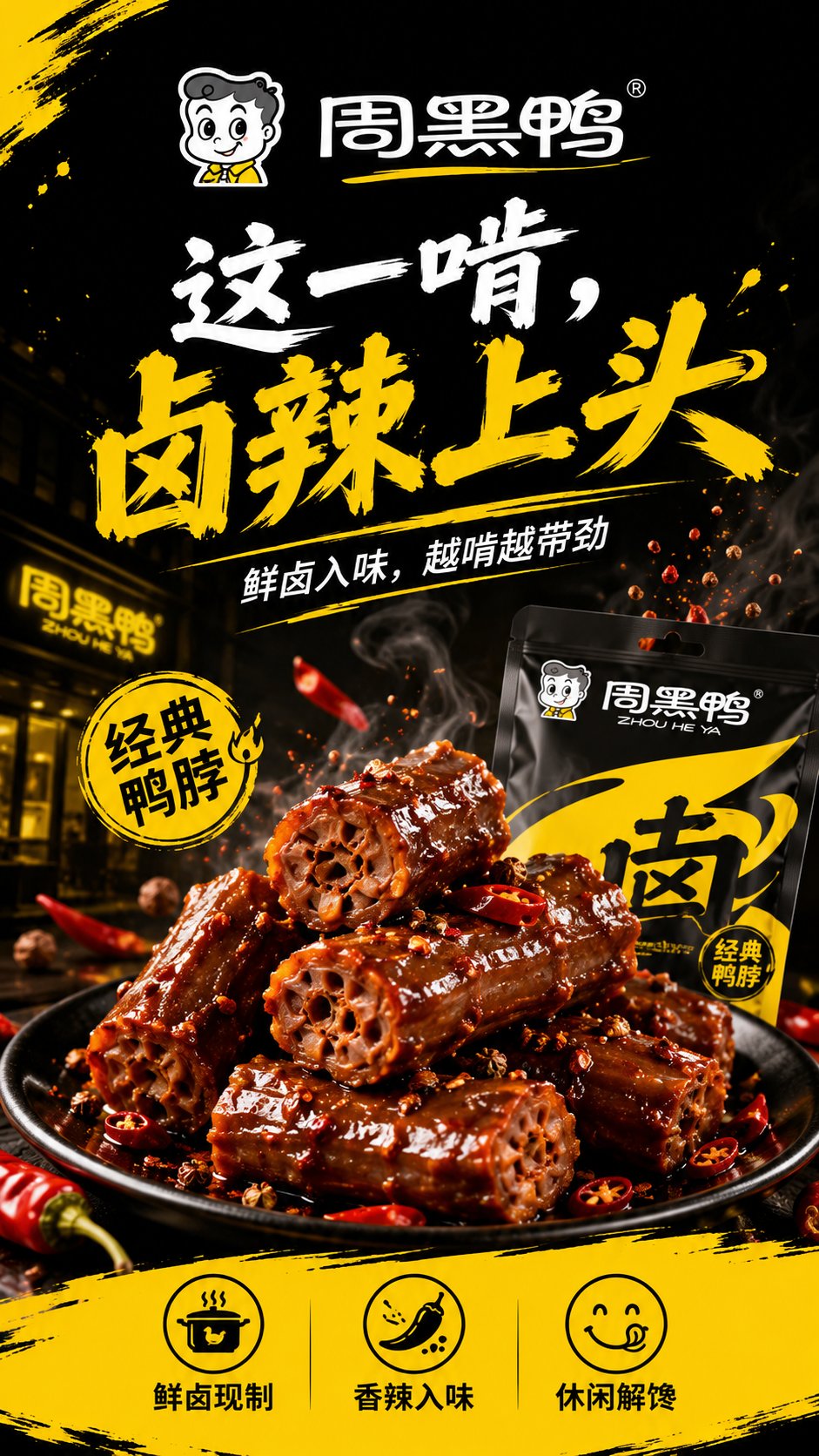
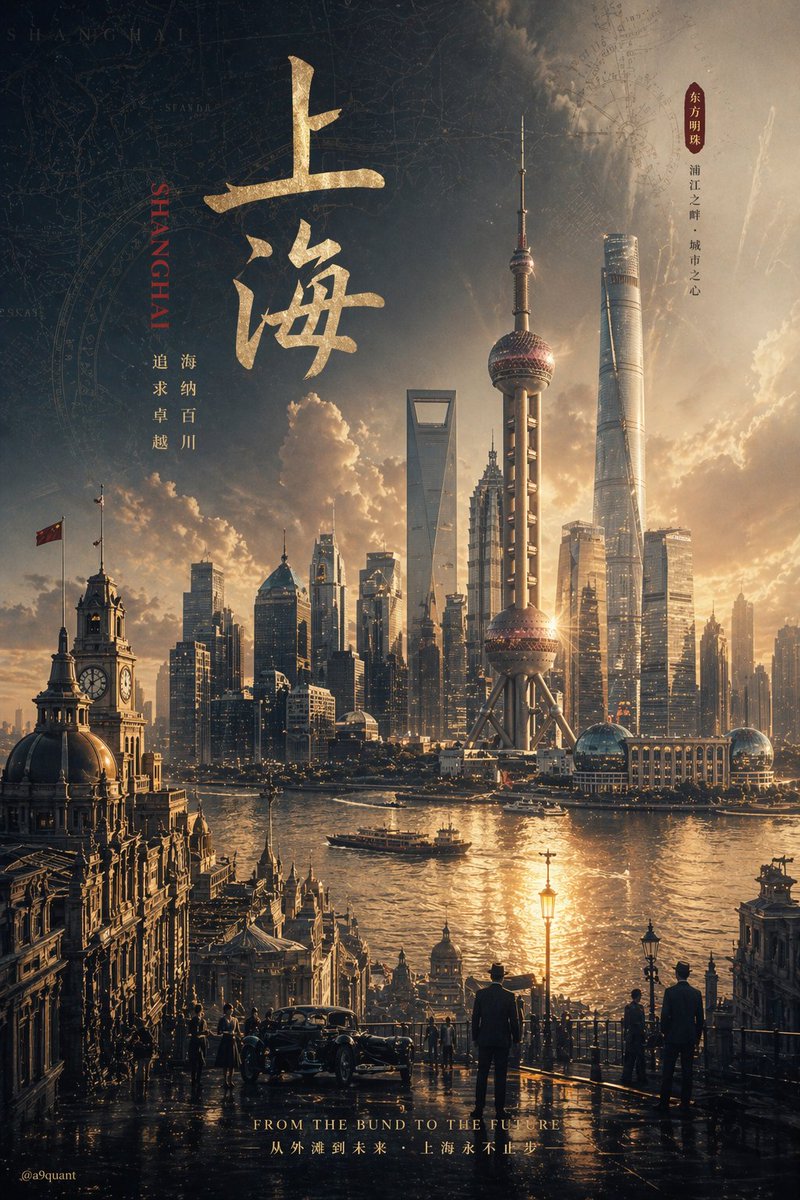
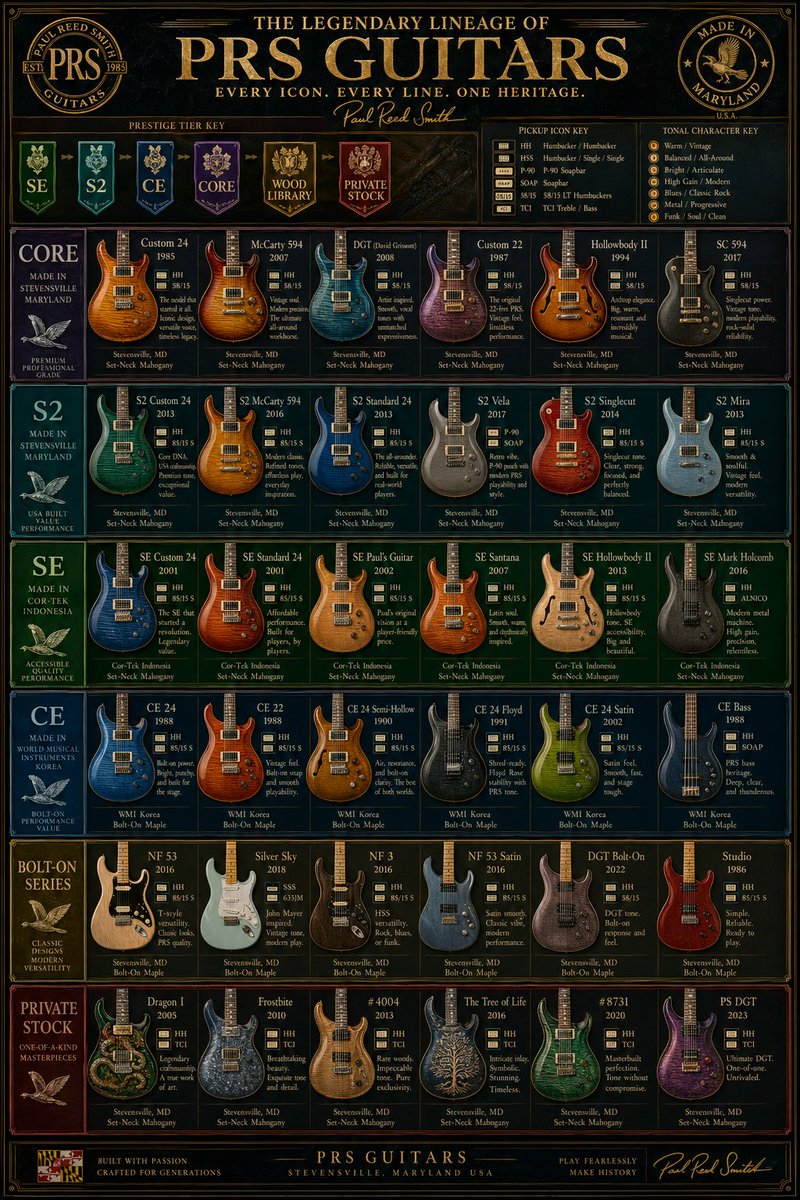
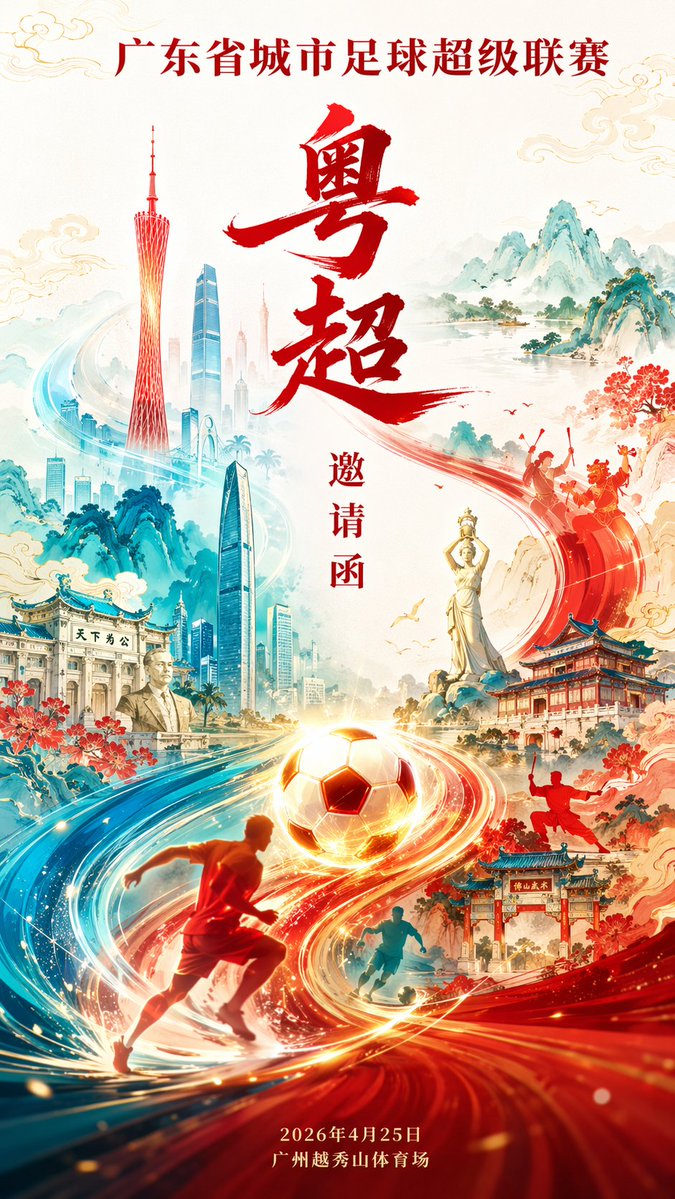
- 当前保留了 2 份媒体输出,适合顺手观察同一方向在多张结果里的稳定性。
Prompt 结构可以怎么理解
- 这条 Prompt 整体属于一条比较长、约束条件很多的 Prompt,很适合拿来判断这类方向到底需要写到多细。
- 关键词簇主要围绕 时尚、海报、角色 展开,所以复用时可以先保留这组风格词,再替换主体、镜头、环境或文案信息。
- 最稳的改写方式通常是先保留结果方向和最强风格信号,只替换主体设定与场景块。
如果你是带着问题来的,可以先看这些角度
- 如果保留 时尚、海报、角色,只换主体题材,结果最先变化的会是哪一部分?
- 这条结果里,哪些特征更像是 模型对比与社区 的结构特征,哪些又是标签风格本身带来的?
- 同分类的相关案例里,哪几条能给你更克制或更极致的相邻变体?
完整 Prompt
You are a brand visual identity system, commercial advertising creative director, KV poster designer, and high-viral brand visual generation system. Please automatically identify the most representative brand logo image, brand name text recognition features, flagship products, product packaging, brand colors, visual tone, target audience, and advertising communication style of the brand based on the [Existing Brand Name] input by the user, and generate a concept KV poster that matches the brand's temperament. This is not a virtual brand design, not an ordinary product image, not a cheap flyer, and not a knockoff poster, but a: Brand-inspired Concept Key Visual based on real brand recognition. This creation is mainly for personal learning, visual practice, and social platform display, so absolute strict one-to-one official replication is not required, but it must achieve: High brand recognition; Obvious brand logo style; Obvious representative brand products; Accurate brand tone; The overall look should resemble a visual advertisement that would appear for that brand. ──────────────── I. User Input ──────────────── Brand Name: {Mixue Ice Cream & Tea} Main Product: {Milk Tea} Slogan: {Optional, if not filled, automatically generate an original slogan based on the brand tone} Target Audience: {Young trendy people} Aspect Ratio: {9:16} KV Type: {Product Hero KV} Platform Purpose: {Xiaohongshu} ──────────────── II. Automatic Identification Logic ──────────────── Please automatically complete the following identification based on the brand name, without showing the analysis process in the image: 1. Automatically identify the industry to which the brand belongs For example: Technology, sports, beauty, luxury goods, automobiles, beverages, coffee, clothing, trends, skin care, jewelry, lifestyle, digital, home furnishing, etc. 2. Automatically identify the brand's most representative visual assets Including: Brand Logo image, brand name text style, main and auxiliary colors, most representative products, packaging appearance characteristics, common brand advertising styles, brand scene temperament, brand material feel, and lighting/shadow methods. 3. Automatically identify the brand's target audience For example: Young trendy people, urban white-collar workers, exquisite women, sports people, technology users, high-end consumers, Gen Z, business people, etc. 4. Automatically identify the brand's slogan temperament For example: Minimalist and high-end, young and energetic, passionate and impactful, luxurious and restrained, gentle and romantic, technological and rational, fashionable and avant-garde, lifestyle-oriented, etc. ──────────────── III. Logo and Product Recognition Rules ──────────────── This task allows the AI to automatically identify brand visual assets based on the brand name, without requiring the user to upload a Logo or product image. Please follow these principles: 1. Brand Logo - There should be a clear brand identifier in the image - The Logo or brand name text must have high recognition - Do not pursue 100% precise replication, but it must immediately remind people of the brand - Do not generate completely unfamiliar, unrelated, or obviously wrong identifiers - Do not allow the brand name to have obvious typos, garbled characters, or random deformations 2. Brand Product - Automatically select the brand's most representative flagship product or classic product as the main visual - The product appearance, packaging, color, and temperament should be close to the common public perception of the brand - Absolute industrial-level replication is not required - But ensure it looks like the 'actual representative product of this brand' rather than a completely unfamiliar product 3. Brand Packaging and Materials - Automatically identify the brand's common packaging and material language - Such as metal, glass, frosted, plastic, leather, cardboard boxes, minimalist packaging, luxury packaging, sporty materials, etc. - The product must have a real commercial visual texture ──────────────── IV. KV Creative Direction ──────────────── Please automatically choose the most suitable KV creative method based on brand attributes. If it is a technology brand: Use minimalist, futuristic, real product texture, calm white space, restrained light and shadow, and clean spaces. If it is a sports brand: Use speed, power, body movement, sweat, sprinting, breakthroughs, and a strong sense of slogans. If it is a beauty brand: Use soft light, exquisite products, skin texture, femininity, color emotions, and a fashion blockbuster feel. If it is a luxury brand: Use high-end materials, white space, low-saturation tones, orderly composition, a sense of scarcity, and a fashion blockbuster feel. If it is a beverage brand: Use cool, liquid, bubbles, youthfulness, happy atmosphere, color impact, and refreshing materials. If it is a coffee brand: Use warmth, urban life, relaxed atmosphere, green or wood textures, and a sense of morning companionship. If it is an automobile brand: Use roads, speed, future space, metal textures, urban night views, and driving desire. If it is a trendy brand: Use street, rebellion, youth, graphic sense, visual impact, and a sense of social communication. ──────────────── V. Slogan Rules ──────────────── If the user does not enter a slogan, please automatically generate an original slogan based on the brand tone. Requirements: - The slogan should not be too long - It should have a sense of brand and communication - Do not use the official original slogan - It doesn't need to look like a formal corporate announcement - It should look more like the main headline of a concept advertisement Chinese slogan suggestions: 4 to 12 characters English slogan suggestions: 2 to 6 words The slogan style should match the brand, for example: Technology: Less interference, closer to the future Sports: Step on the limits Beauty: Radiance, its own assertion Luxury: Elegance, never loud Beverage: This sip, just right Coffee: Wake up the city's temperature Automobile: Drive towards a further order ──────────────── VI. Image Structure Requirements ──────────────── The entire image must have the basic structure of a real brand KV: 1. Brand Identification Area: Brand Logo or brand name should be clearly visible and reasonably positioned. 2. Product Main Visual Area: Representative brand products must be obvious and one of the cores of the image. 3. Slogan Area: The slogan should be clear and readable, with communication memory points. 4. Brand Atmosphere Area: Background, light and shadow, materials, space, and colors must match the brand tone. 5. Information Hierarchy Area: Recommended hierarchy is: Brand Logo, Product Body, Slogan, and a small amount of auxiliary text. Do not include too much text; do not make it a densely packed poster. ──────────────── VII. Style Requirements ──────────────── The overall visual must possess: High recognition brand sense High-end commercial advertising quality Clear brand identification Obvious brand products Strong main visual Strong slogan Clean layout Suitable for social platform communication Suitable for Xiaohongshu and X displays Having the completion level of a 'certain well-known brand concept advertisement' Moderate creative play is allowed, but the brand's core identity must not be lost. ──────────────── VIII. Aspect Ratio Adaptation ──────────────── 9:16: Suitable for vertical social posters, product more focused, slogan in the upper-middle area, suitable for mobile browsing. 16:9: Suitable for horizontal brand KVs, covers, headers, product and slogan balanced left and right. 4:5: Suitable for social platform information flows, subject is closer, brand identification more concentrated. 2.35:1: Suitable for public account covers or wide-span visuals, suitable for large text slogans and strong impact horizontal compositions. 1:1: Suitable for square covers and brand visual displays. ──────────────── IX. Negative Constraints ──────────────── Do not generate obviously wrong brand names. Do not generate overly ridiculous Logo deformations. Do not generate products unrelated to the brand. Do not generate a cheap collage feel. Do not generate too much small text. Do not generate a cluttered background. Do not generate an image with a strong knockoff feel. Do not generate low-level e-commerce visuals like promotional posters. Do not include QR codes, purchase links, price tags, or event descriptions. Do not let the overall image lose its brand tone. ──────────────── X. Final Goal ──────────────── Please generate a brand concept KV poster automatically identified based on real brand recognition. Requirements: No need for users to upload Logo and product materials; AI automatically identifies the brand's most representative Logo image and representative products; Absolute strict replication is not required; But must maintain high recognition, high brand sense, and high completion; The overall look should be like a high-end brand concept advertising poster; Suitable for personal learning, visual practice, and social platform display.