案例媒体
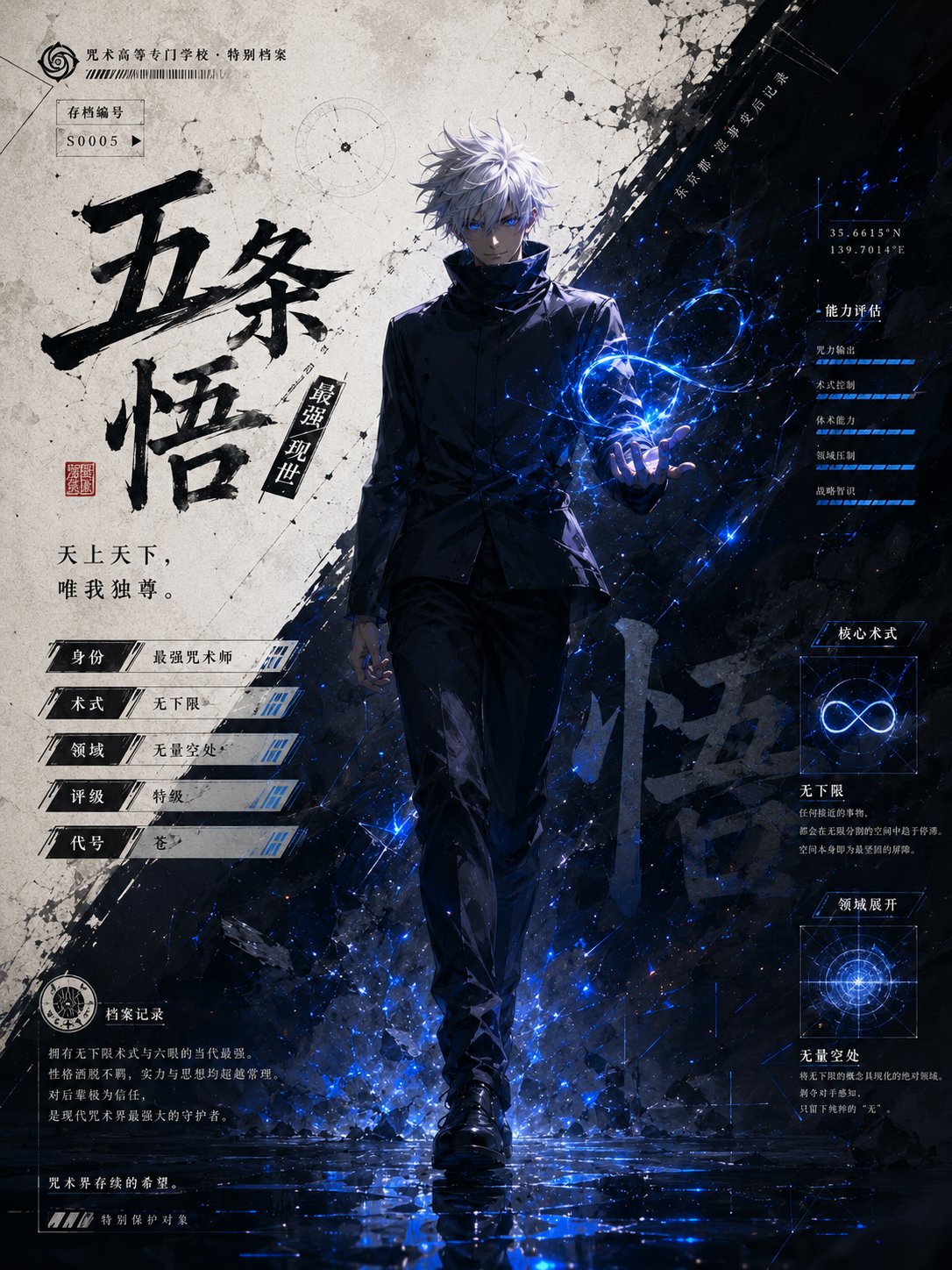
案例说明
这个页面把案例媒体、完整 Prompt 和出处放在一起,方便你先看结果,再判断这条 Prompt 是否值得复制、收藏或加入对比。
案例解读
为了方便搜索、引用和后续复用,这里会把案例的适用场景、画面重点和 Prompt 结构拆成更容易浏览的说明。
这类案例适合用在什么场景
- 把它当作 角色设计 的基准案例最合适,先看成片方向,再决定自己的 Prompt 要往哪边改。
- 如果你的目标也落在 海报、插画、角色 这些方向,这条案例特别适合先看图判断风格,再回头微调描述。
- 做 Prompt 对比时,也很适合作为控制组,只改一个变量去看结果变化。
画面重点与风格信号
- 这条案例最明显的风格信号集中在 海报、插画、角色,所以第一次改写时最好先保留这些关键词。
- 重点可以先看轮廓、服饰语言、情绪气质,以及角色是否一眼就能立住。
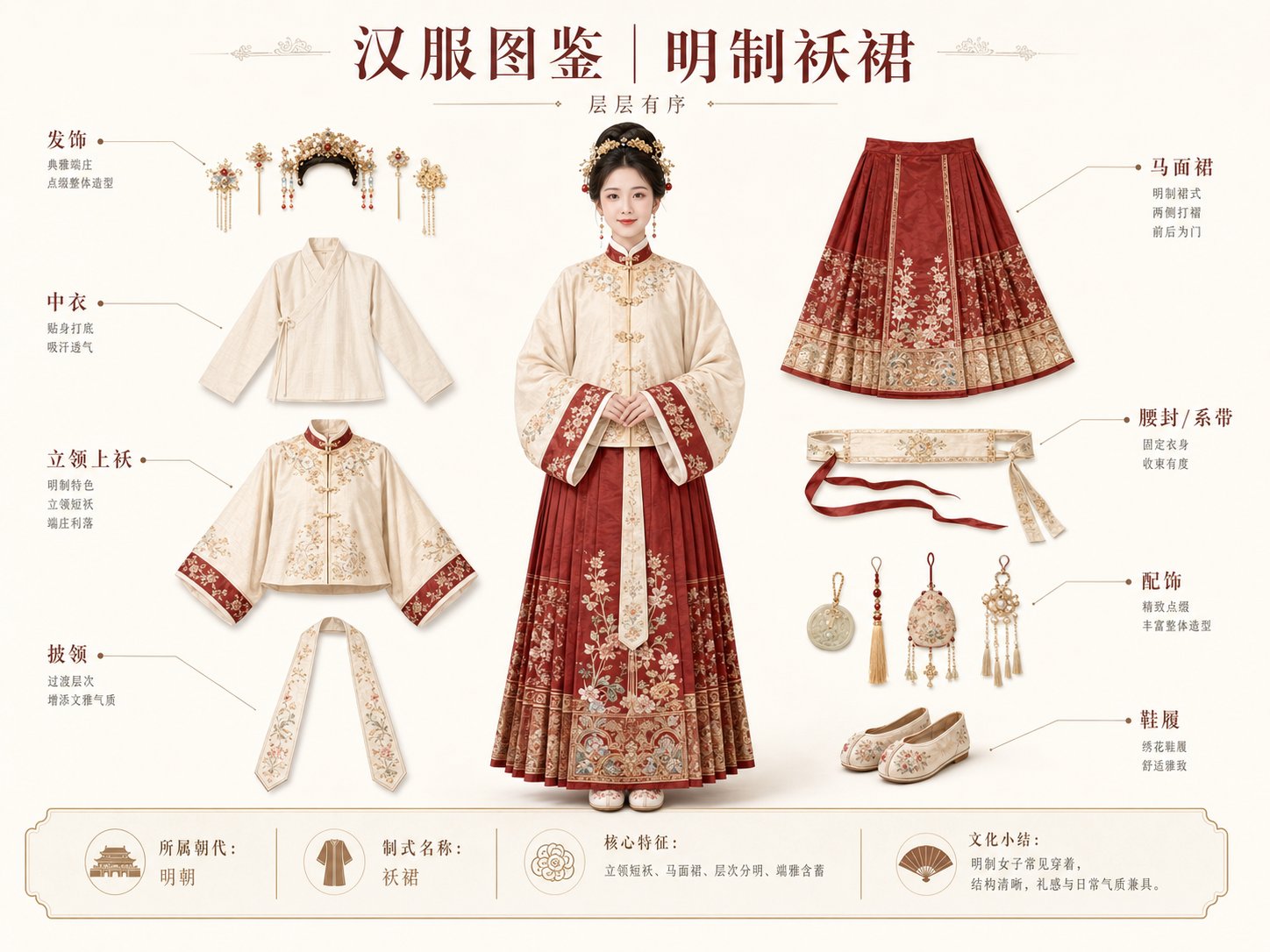
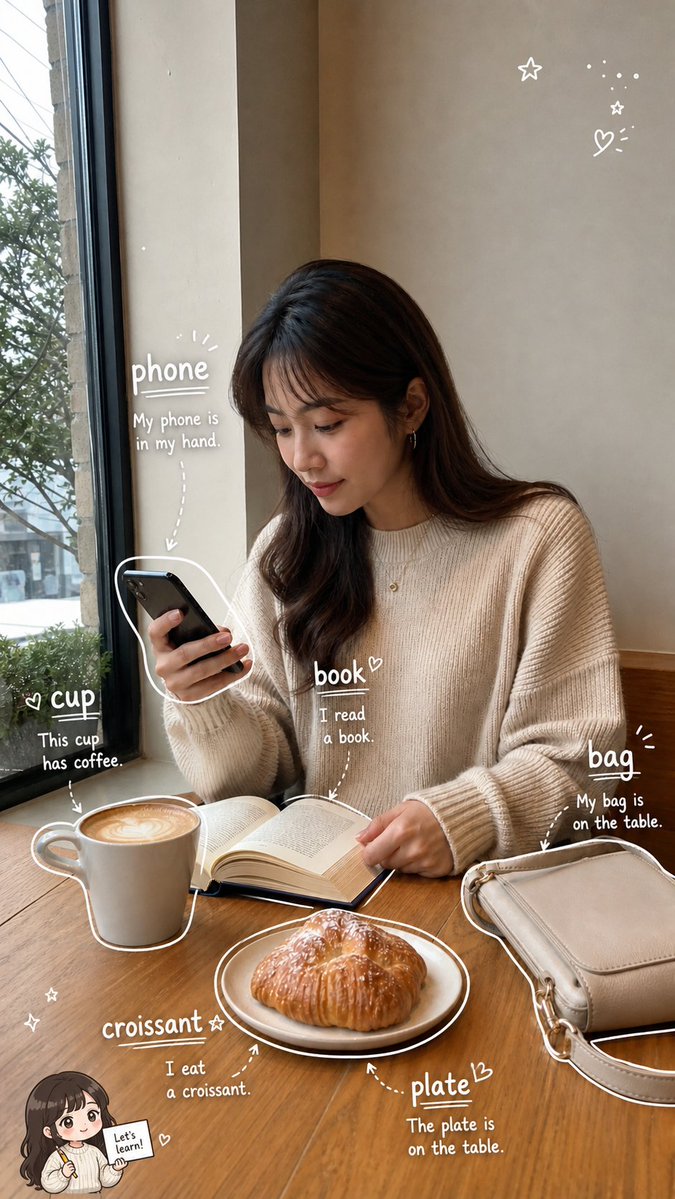
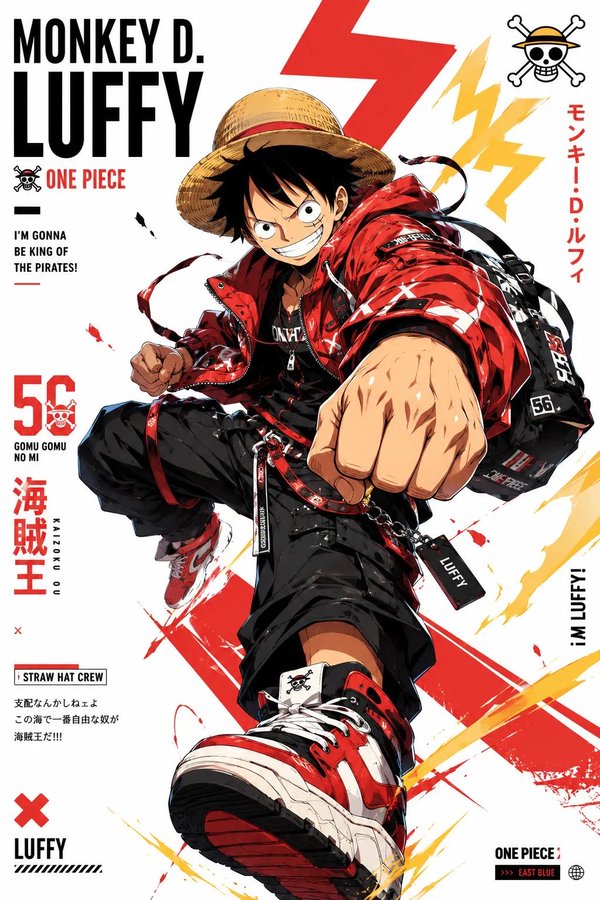
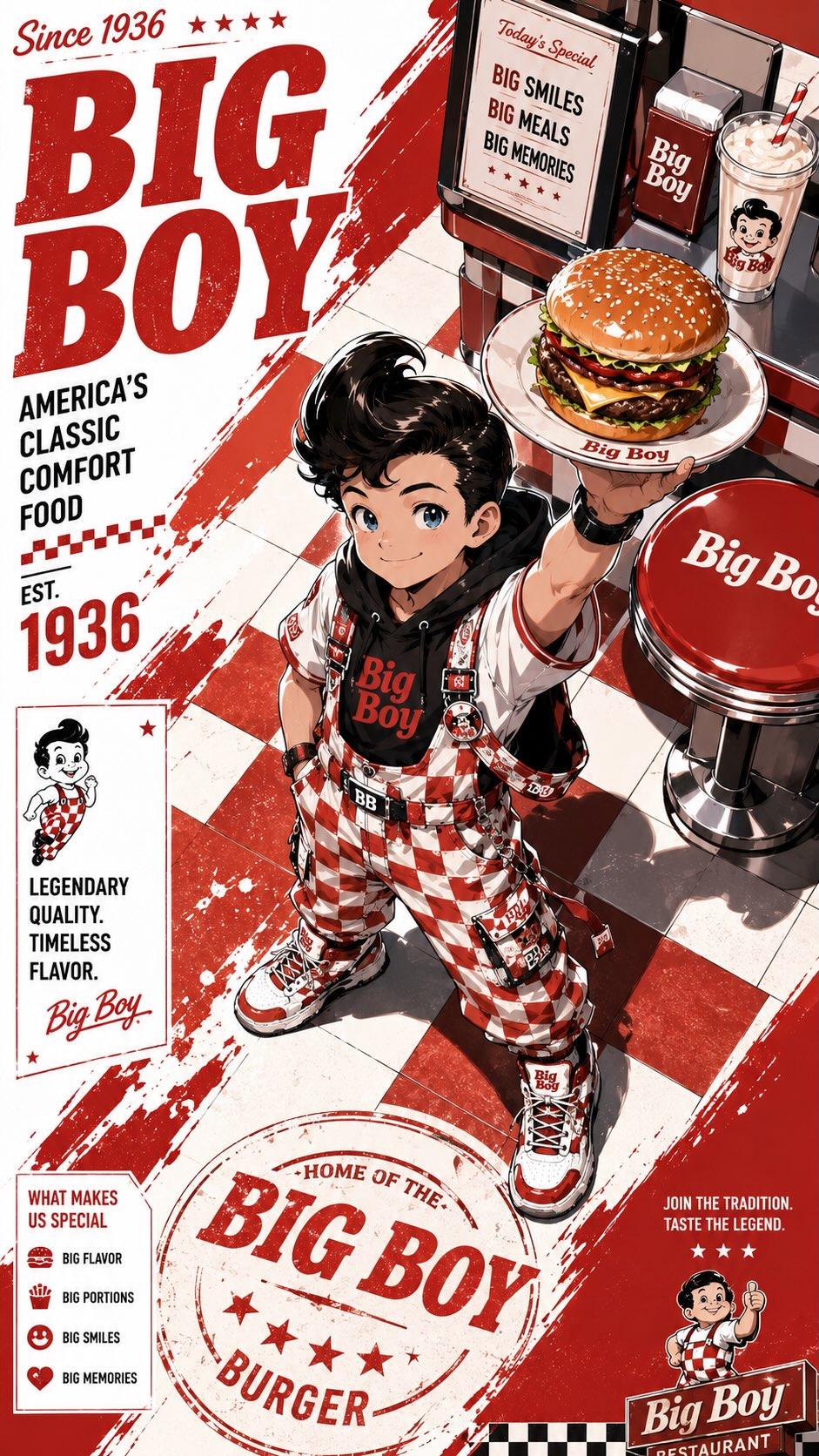
- 当前保留了 2 份媒体输出,适合顺手观察同一方向在多张结果里的稳定性。
Prompt 结构可以怎么理解
- 这条 Prompt 整体属于一条比较长、约束条件很多的 Prompt,很适合拿来判断这类方向到底需要写到多细。
- 关键词簇主要围绕 海报、插画、角色 展开,所以复用时可以先保留这组风格词,再替换主体、镜头、环境或文案信息。
- 最稳的改写方式通常是先保留结果方向和最强风格信号,只替换主体设定与场景块。
如果你是带着问题来的,可以先看这些角度
- 如果保留 海报、插画、角色,只换主体题材,结果最先变化的会是哪一部分?
- 这条结果里,哪些特征更像是 角色设计 的结构特征,哪些又是标签风格本身带来的?
- 同分类的相关案例里,哪几条能给你更克制或更极致的相邻变体?
完整 Prompt
Please generate a high-completion 'Character Worldview Archive Card.' [Basic Settings] Character Name: [Name] Source Work: [Title] Role: [Protagonist / Villain / Mentor / Warrior / Mage / Ninja / Captain / Sorcerer / Elf, etc.] Main Title: [Must accurately display the character's full Chinese name, e.g., 漩涡鸣人] Subtitle: [Character title / Slogan / Role] Aspect Ratio: [3:4 Vertical] Main Colors: [e.g., Black & Orange, Black & Blue, Silver & Blue, etc.] Accent Colors: [e.g., Flame Orange, Electric Blue, Crimson, Gold, Cold White Light, etc.] Core Abilities: [e.g., Rasengan, Nine-Tails Power, Infinite Void, Omni-directional Mobility Gear, Ancient Magic, etc.] Iconic Elements: [e.g., Fox phantom, Flames, Mechanical devices, Astral circles, Blue energy, Ruined towers, etc.] [Overall Style] This is not a regular character illustration or a simple card; it is an 'anime character archive poster' with high information density, strong visual impact, a sense of character setting, and poster-level completion. The style merges character standee posters, visual archive design, Chinese typography posters, setting book covers, anime collectible cards, and high-end magazine layouts. The image must be exquisite, clear, cool, and impactful, with a complete information structure and a sense of a series. [Composition Requirements] Adopt a strong 'Diagonal Split Composition': - Top-left area: Light-colored negative space / Paper texture / Archive information area. - Bottom-right area: Dark-colored atmospheric area / Energy zone / Worldview scene area. - A clear diagonal boundary separates the two, creating strong visual tension. - The character stands full-body in the center, slightly centered, walking forward or standing firmly. - The character must be complete; do not crop the head or feet, and do not let text obscure the character. - The character should have a clear sense of being the protagonist, with a sense of pressure and presence. [Character Representation] Clear facial features and accurate expressions reflecting the character's typical temperament. High recognition of clothing, hairstyle, weapons, armor, devices, and accessories. Pose suggests walking forward or standing firmly with slight movement. Add energy effects related to their abilities around the character, such as smoke, flames, particles, magic circles, chakra, or lightning to enhance visual impact. [Background and Worldview] The background should be strongly related to the character setting: - Light area: May include old paper, worn textures, archive patterns, ink marks, stamps, and fine line frames. - Dark area: May include ruins, night sky, flames, energy vortexes, mechanical devices, ancient ruins, battlefields, or distant buildings. - The background should provide atmosphere without overshadowing the character. - Large semi-transparent Chinese characters can be added as a background watermark to enhance the design. [Text and Typography System] All main information should follow a Chinese layout, emphasizing the visual quality of a 'Chinese Character Archive Poster.' The main title must accurately show the [Character's full Chinese name] using large calligraphy/brush fonts with high visual impact, placed in the top-left light area. Smaller subtitle labels can be included, such as 'Strongest Sorcerer,' 'Ninja Archive,' or 'Captain of the Survey Corps.' [Information Module Suggestions] Include 5–8 concise archive information modules, such as: Identity, Faction, Goal, Weapon/Device, Core Technique/Skill, Rating, Code Name, Belief, Bonds, Combat Style, Ability Assessment, Archive Records, or Character Quotes. These can be arranged as horizontal bars on the left, small module boxes on the right, or short paragraph notes at the bottom. [Graphics and Decoration] Incorporate modern Chinese visual design elements: diagonal info bars, fine line borders, geometric guide lines, small data tags, serial numbers, coordinates, rating scales, small instruction boxes, red/black stamps, ink splashes, and semi-transparent large character backgrounds. Graphics should be auxiliary and not cluttered. [Atmosphere] The overall look should be premium, clear, collectible, and impactful, possessing the temperament of an anime character setting book and the power of Chinese poster design. [Special Requirements] 1. The main title must accurately display the character's full Chinese name without typos. 2. The character must be presented in full body. 3. The layout must use a 'Diagonal Cut' rather than a standard split. 4. All text is primarily in Chinese, with minimal English for numbering or decoration. 5. The final product should look like an 'Anime Character Archive Poster' rather than a standard promotional image.