案例媒体
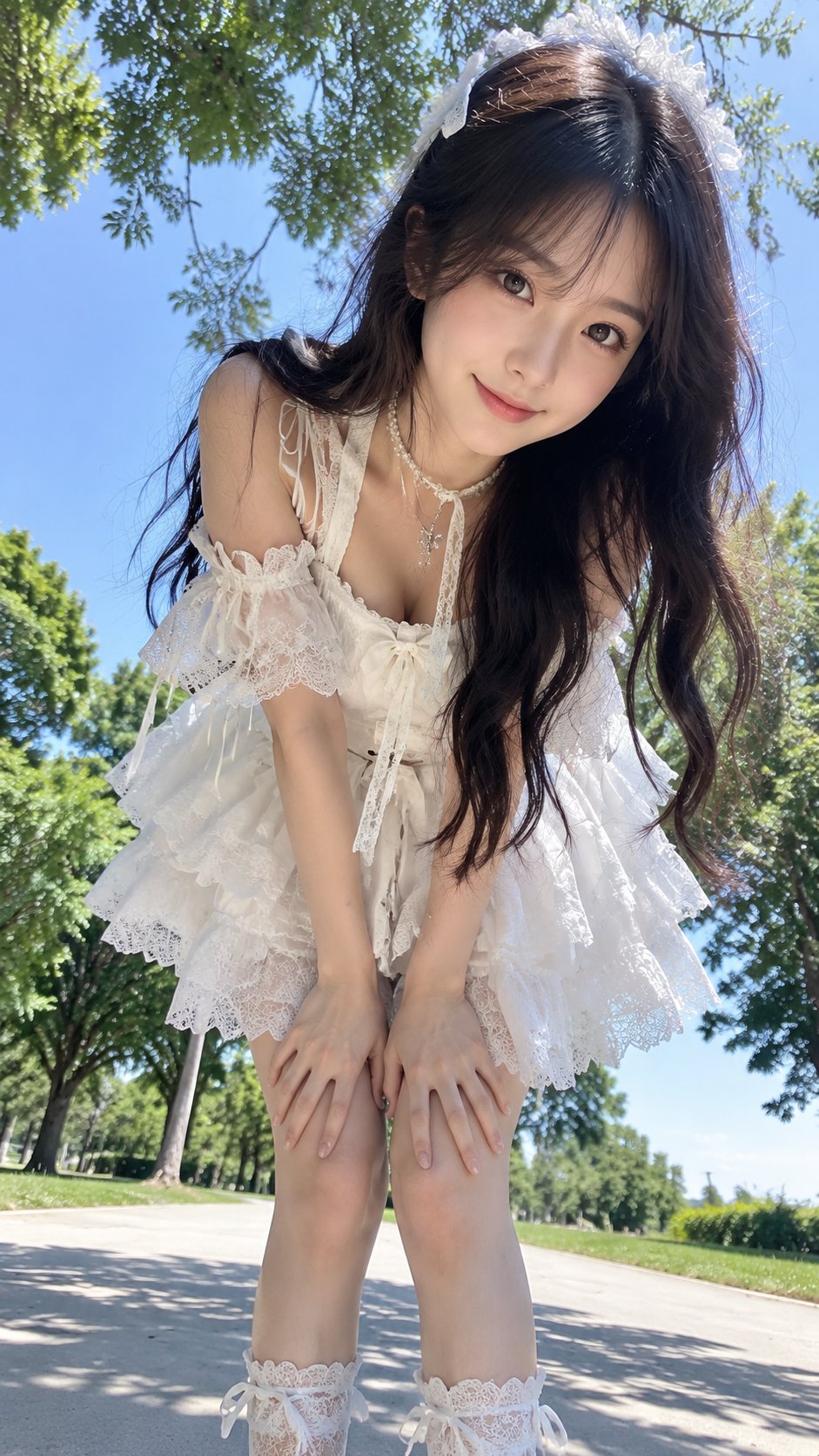
案例说明
这个页面把案例媒体、完整 Prompt 和出处放在一起,方便你先看结果,再判断这条 Prompt 是否值得复制、收藏或加入对比。
案例解读
为了方便搜索、引用和后续复用,这里会把案例的适用场景、画面重点和 Prompt 结构拆成更容易浏览的说明。
这类案例适合用在什么场景
- 把它当作 角色设计 的基准案例最合适,先看成片方向,再决定自己的 Prompt 要往哪边改。
- 如果你的目标也落在 人像、插画、角色 这些方向,这条案例特别适合先看图判断风格,再回头微调描述。
- 做 Prompt 对比时,也很适合作为控制组,只改一个变量去看结果变化。
画面重点与风格信号
- 这条案例最明显的风格信号集中在 人像、插画、角色,所以第一次改写时最好先保留这些关键词。
- 重点可以先看轮廓、服饰语言、情绪气质,以及角色是否一眼就能立住。
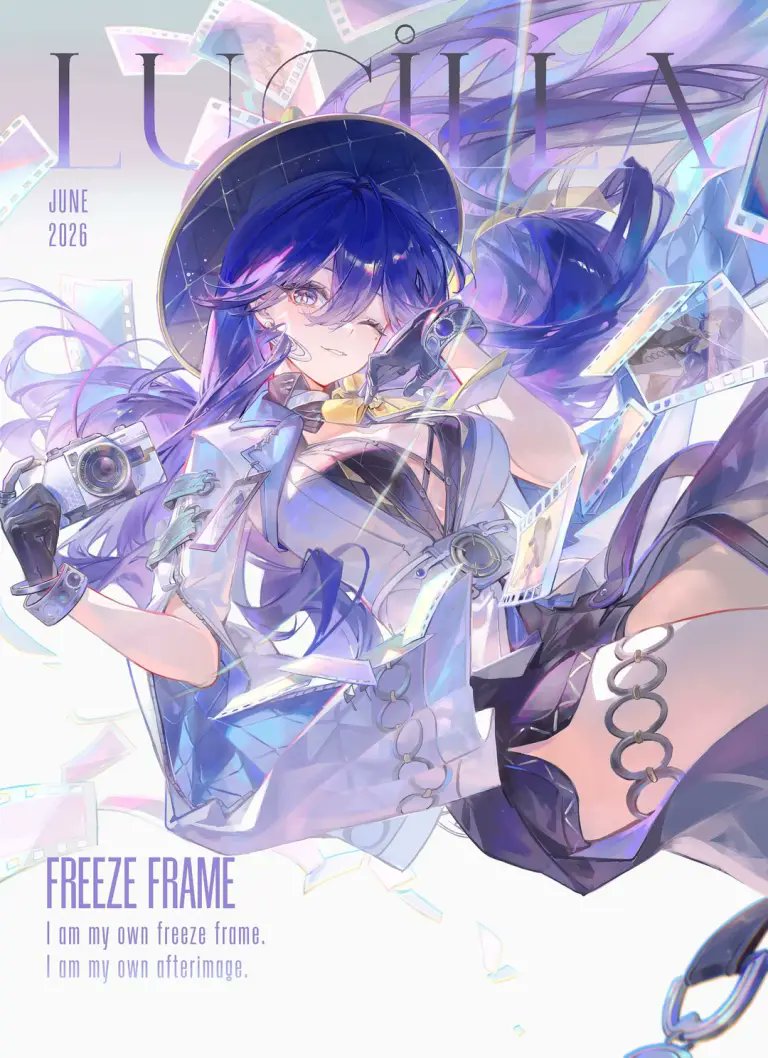
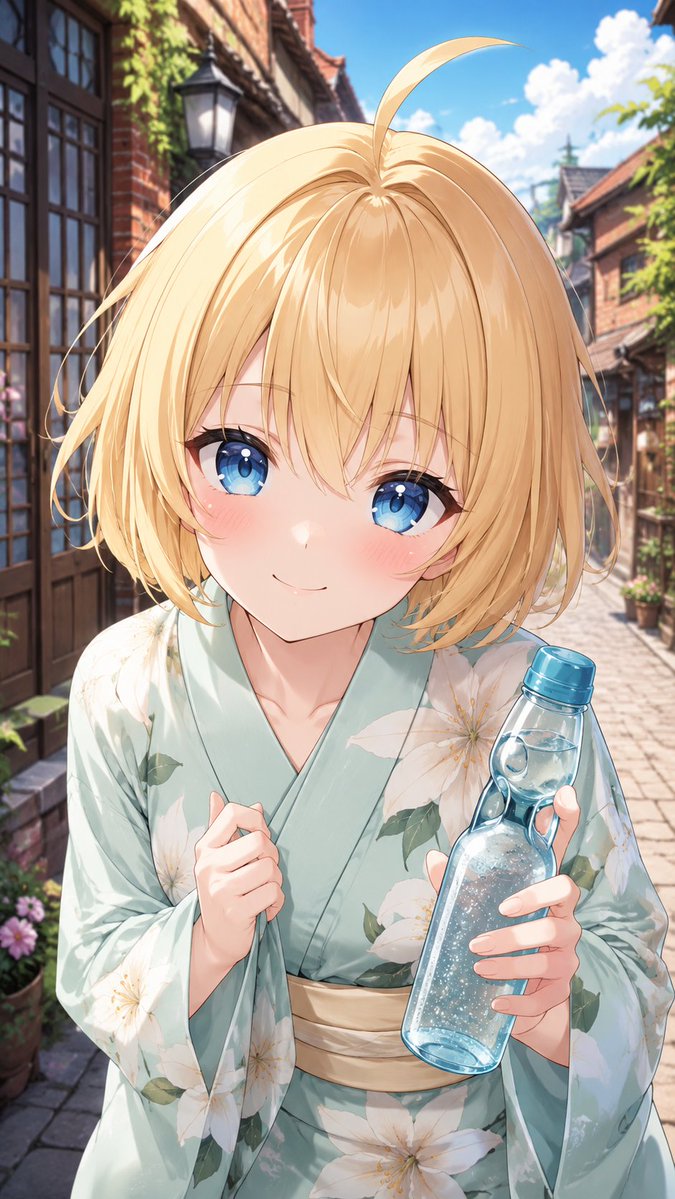
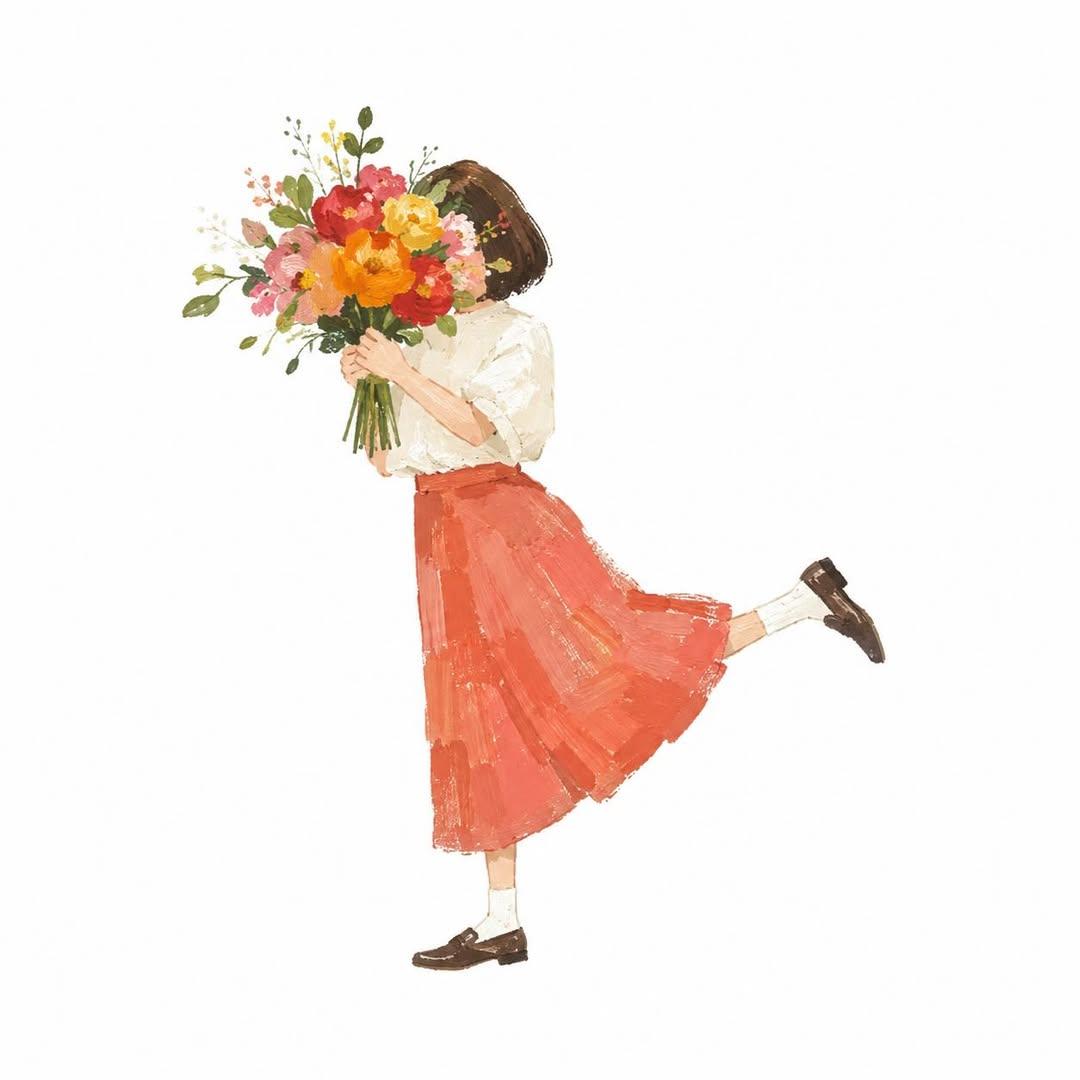
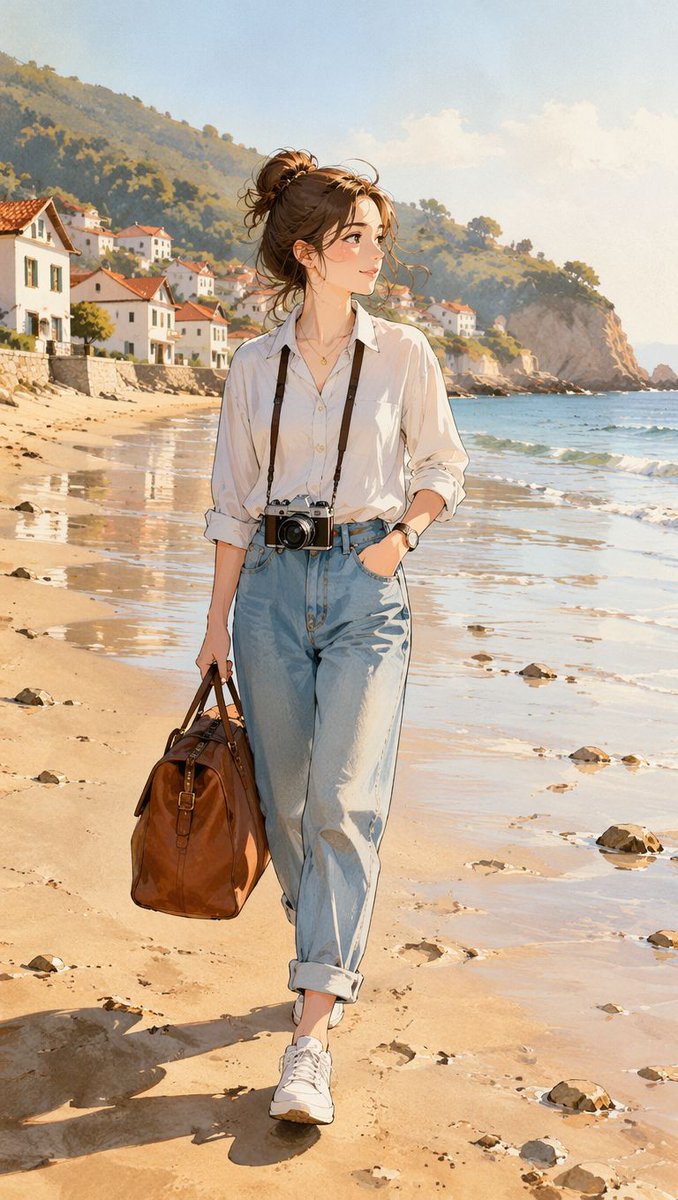
- 当前保留了 2 份媒体输出,适合顺手观察同一方向在多张结果里的稳定性。
Prompt 结构可以怎么理解
- 这条 Prompt 整体属于一条比较长、约束条件很多的 Prompt,很适合拿来判断这类方向到底需要写到多细。
- 关键词簇主要围绕 人像、插画、角色 展开,所以复用时可以先保留这组风格词,再替换主体、镜头、环境或文案信息。
- 最稳的改写方式通常是先保留结果方向和最强风格信号,只替换主体设定与场景块。
如果你是带着问题来的,可以先看这些角度
- 如果保留 人像、插画、角色,只换主体题材,结果最先变化的会是哪一部分?
- 这条结果里,哪些特征更像是 角色设计 的结构特征,哪些又是标签风格本身带来的?
- 同分类的相关案例里,哪几条能给你更克制或更极致的相邻变体?
完整 Prompt
Please generate a [aspect ratio] high-definition realistic portrait photo, the theme is [theme], the character is an [age feeling] [character type], the overall temperament is [temperament keywords], wearing [clothing outfit], paired with [accessories], the shooting scene is [scene], time and light are [light and time]. Use a low-angle close-up upward perspective, with the lens placed at a lower position in front of the character. The character actively approaches the lens, body naturally leaning forward, forming a clear forward-reaching sense of interaction. The character can have both hands on their knees, or one hand on a knee and the other gently holding the hem of a skirt / side of the leg / corner of clothes, with the head slightly tilted to one side or gently lowered then looking up at the lens, and the face close to the upper half of the frame. The expression is natural and agile, with a sense of communication in the eyes, which can be pure, sweet, energetic, gentle, playful, or slightly shy, as if the photographer just captured the moment she approached the lens. The focus of the image highlights the sense of presence brought by the low-angle perspective, the sense of interaction as the character approaches the lens forward, and the expression of the face, eyes, hands, and clothing layers. The background remains a real outdoor environment, which can include [background elements], such as blue sky, tree shadows, branches, flower clusters, grasslands, walkways, campus buildings, ancient town corridors, glass greenhouses, street corners, etc., giving the image a sense of natural space and air. A small amount of leaves, twigs, railings, flower branches, etc., can be added as natural foregrounds or frames, but do not block the main subject. The overall color tone is clear, clean, and natural, with a distinct summer or outdoor air feel. Clothing needs to retain real fabric texture, wrinkles, lace, straps, embroidery, skirt layers and other details, do not overexpose, do not blur into a patch of white. The character's face is naturally pleasant to look at, with clear features, retaining real skin texture and natural skin tone, no plastic feel, no CG feel, no excessive skin smoothing. The hair is naturally fluffy, with stray hairs, flying hairs, and a slight sense of wind, no wig feel. Details such as fingers, legs, shoes, accessories, and hair ornaments are stable and clear, the body proportions are natural, and the posture is light with a sense of a living person. The overall presentation has a real photographic texture, like high-quality outdoor portrait photography work. The composition focuses on the face, eyes, forward-leaning posture, hand involvement, and clothing layers; the image is sweet, vivid, and has a sense of intimacy, but maintains a sense of high-end quality and portraiture. Avoid vulgar perspectives, avoid any sense of accidental exposure, avoid excessive exposure, avoid the mannequin feel of the model, avoid stiff expressions, empty eyes, AI fake faces, plastic skin, hand and foot errors, clothing deformation, background distortion, overexposure, cartoon feel, illustration feel, or studio photography feel.