案例媒体
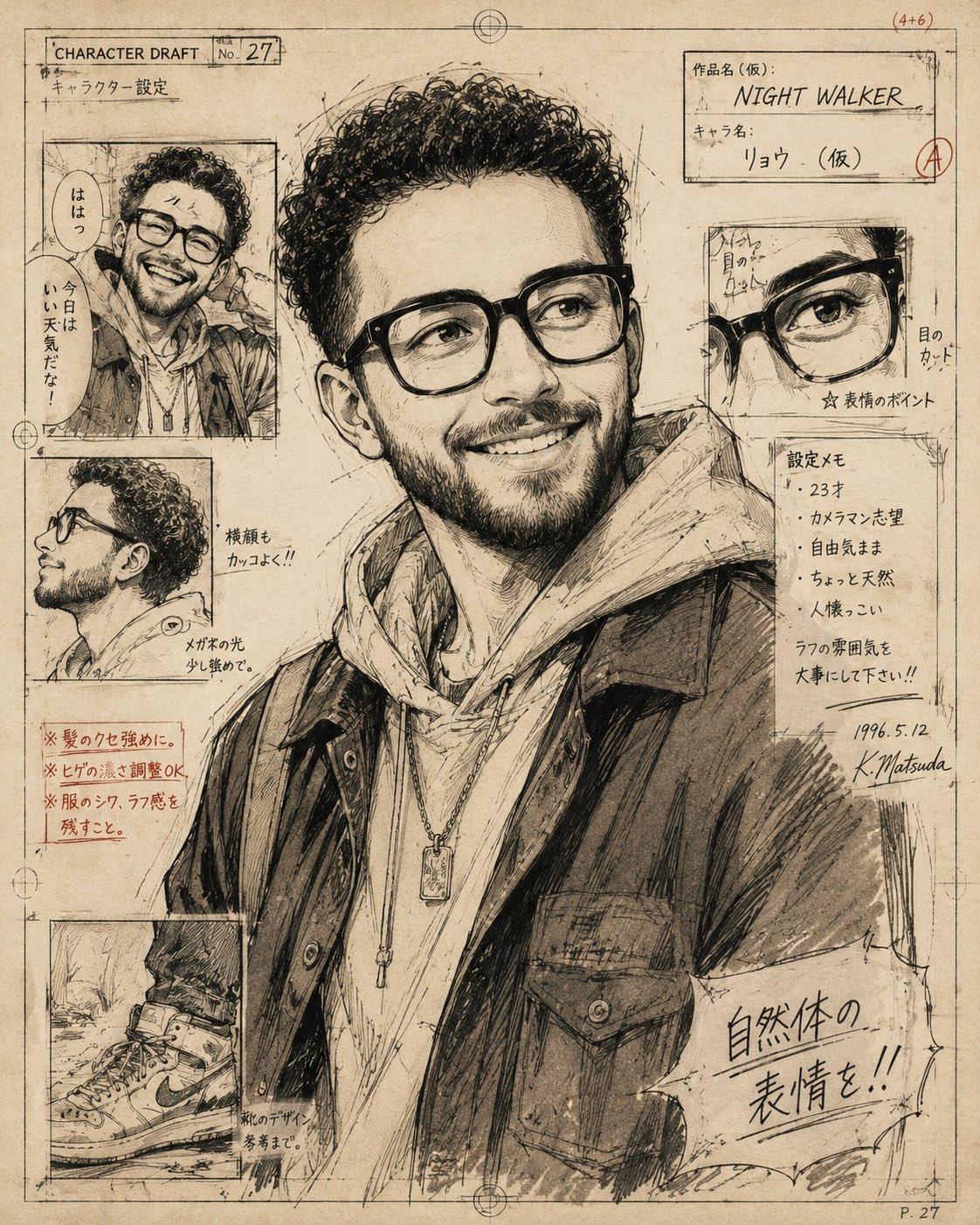
案例说明
这个页面把案例媒体、完整 Prompt 和出处放在一起,方便你先看结果,再判断这条 Prompt 是否值得复制、收藏或加入对比。
案例解读
为了方便搜索、引用和后续复用,这里会把案例的适用场景、画面重点和 Prompt 结构拆成更容易浏览的说明。
这类案例适合用在什么场景
- 把它当作 角色设计 的基准案例最合适,先看成片方向,再决定自己的 Prompt 要往哪边改。
- 如果你的目标也落在 人像、电影感、时尚 这些方向,这条案例特别适合先看图判断风格,再回头微调描述。
- 做 Prompt 对比时,也很适合作为控制组,只改一个变量去看结果变化。
画面重点与风格信号
- 这条案例最明显的风格信号集中在 人像、电影感、时尚,所以第一次改写时最好先保留这些关键词。
- 重点可以先看轮廓、服饰语言、情绪气质,以及角色是否一眼就能立住。
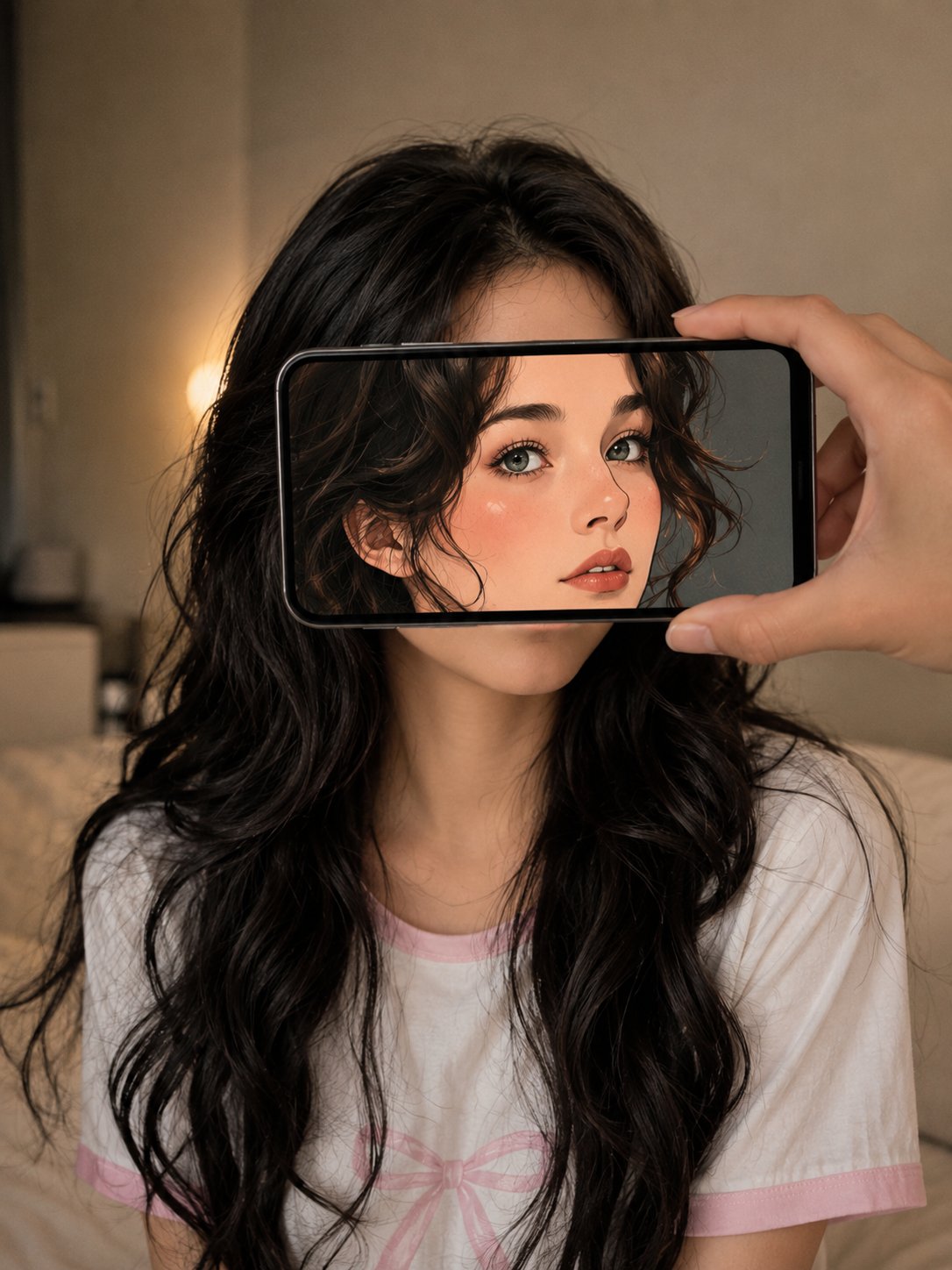
- 当前只有一张主图,所以第一张结果图就是最核心的参考基准。
Prompt 结构可以怎么理解
- 这条 Prompt 整体属于一条比较长、约束条件很多的 Prompt,很适合拿来判断这类方向到底需要写到多细。
- 关键词簇主要围绕 人像、电影感、时尚 展开,所以复用时可以先保留这组风格词,再替换主体、镜头、环境或文案信息。
- 最稳的改写方式通常是先保留结果方向和最强风格信号,只替换主体设定与场景块。
如果你是带着问题来的,可以先看这些角度
- 如果保留 人像、电影感、时尚,只换主体题材,结果最先变化的会是哪一部分?
- 这条结果里,哪些特征更像是 角色设计 的结构特征,哪些又是标签风格本身带来的?
- 同分类的相关案例里,哪几条能给你更克制或更极致的相邻变体?
完整 Prompt
{ "prompt": "Create a highly detailed portrait illustration of the subject using a “Vintage Manga Draft” art style, inspired by authentic 1990s Japanese manga production sketches and unfinished manga studio archive pages. The artwork should feel raw, expressive, nostalgic, handcrafted, and naturally imperfect rather than digitally polished. Use monochrome cream-toned manga manuscript paper with visible grain, faded ink density, subtle paper aging, smudges, sketch artifacts, and realistic scan imperfections.\n\nThe subject is a stylish young man with curly dark hair, glasses, expressive eyes, and a warm charismatic smile. Keep the facial structure recognizable while reinterpreting it through realistic manga-style rendering with hand-drawn ink hatching, cross-hatching, pencil construction lines, rough sketch strokes, uneven ink density, editor marks, handwritten Japanese production notes, manga layout annotations, and imperfect draft linework.\n\nThe composition should resemble an authentic manga character design draft sheet featuring multiple small manga panels around the main portrait. Include secondary close-up sketches of the eyes, side profile, fashion details, and expressive candid moments. Add handwritten Japanese notes, page markings, editor circles, frame guides, crop marks, and vintage manga production symbols throughout the page.\n\nThe subject must have a completely different pose and expression from the reference photo. Create a relaxed cinematic candid pose where he is slightly turning away from camera while smiling naturally as if caught mid-conversation. The body language should feel lively, stylish, confident, and emotionally expressive.\n\nDress the subject in modern layered Japanese-inspired streetwear instead of the original sweater. Include an oversized hoodie layered under a textured utility jacket with loose contemporary silhouettes, subtle accessories, necklace details, realistic fabric folds, and visually interesting clothing textures that fit the nostalgic manga aesthetic.\n\nUse heavy ink hatching, rough pencil underdrawing, expressive shading, organic sketch energy, and visible manual imperfections throughout the artwork. The final result should look like a scanned unfinished manga concept illustration from a 1990s Japanese manga studio archive — balancing realism, expressive sketch aesthetics, cinematic composition, vintage manga energy, and handcrafted imperfection.", "style": "Vintage Manga Draft", "aspect_ratio": "4:5", "color_palette": [ "cream paper", "faded black ink", "warm sepia", "graphite gray" ], "details": { "paper_texture": "aged manga manuscript paper with grain and scan imperfections", "linework": "rough pencil construction lines and uneven ink hatching", "annotations": "handwritten Japanese editor notes and manga production markings", "rendering": "semi-realistic manga portrait with expressive cross-hatching", "mood": "nostalgic, cinematic, handcrafted, expressive" } }