案例媒体
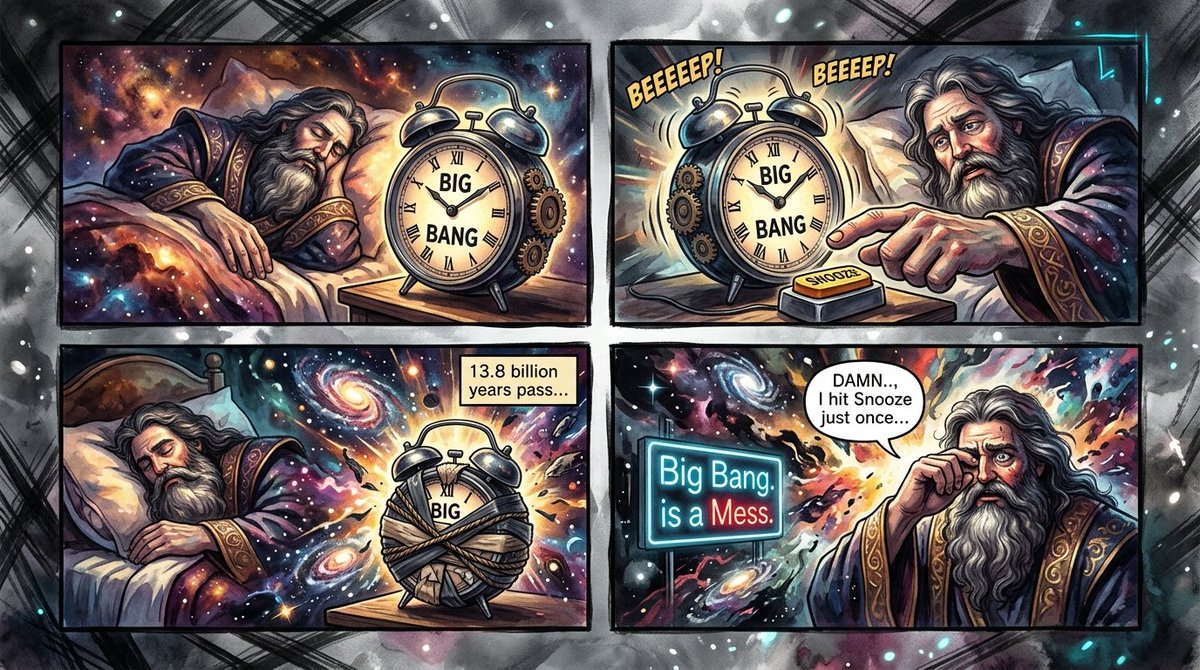
案例说明
这个页面把案例媒体、完整 Prompt 和出处放在一起,方便你先看结果,再判断这条 Prompt 是否值得复制、收藏或加入对比。
案例解读
为了方便搜索、引用和后续复用,这里会把案例的适用场景、画面重点和 Prompt 结构拆成更容易浏览的说明。
这类案例适合用在什么场景
- 把它当作 角色设计 的基准案例最合适,先看成片方向,再决定自己的 Prompt 要往哪边改。
- 如果你的目标也落在 霓虹、插画、角色 这些方向,这条案例特别适合先看图判断风格,再回头微调描述。
- 做 Prompt 对比时,也很适合作为控制组,只改一个变量去看结果变化。
画面重点与风格信号
- 这条案例最明显的风格信号集中在 霓虹、插画、角色,所以第一次改写时最好先保留这些关键词。
- 重点可以先看轮廓、服饰语言、情绪气质,以及角色是否一眼就能立住。
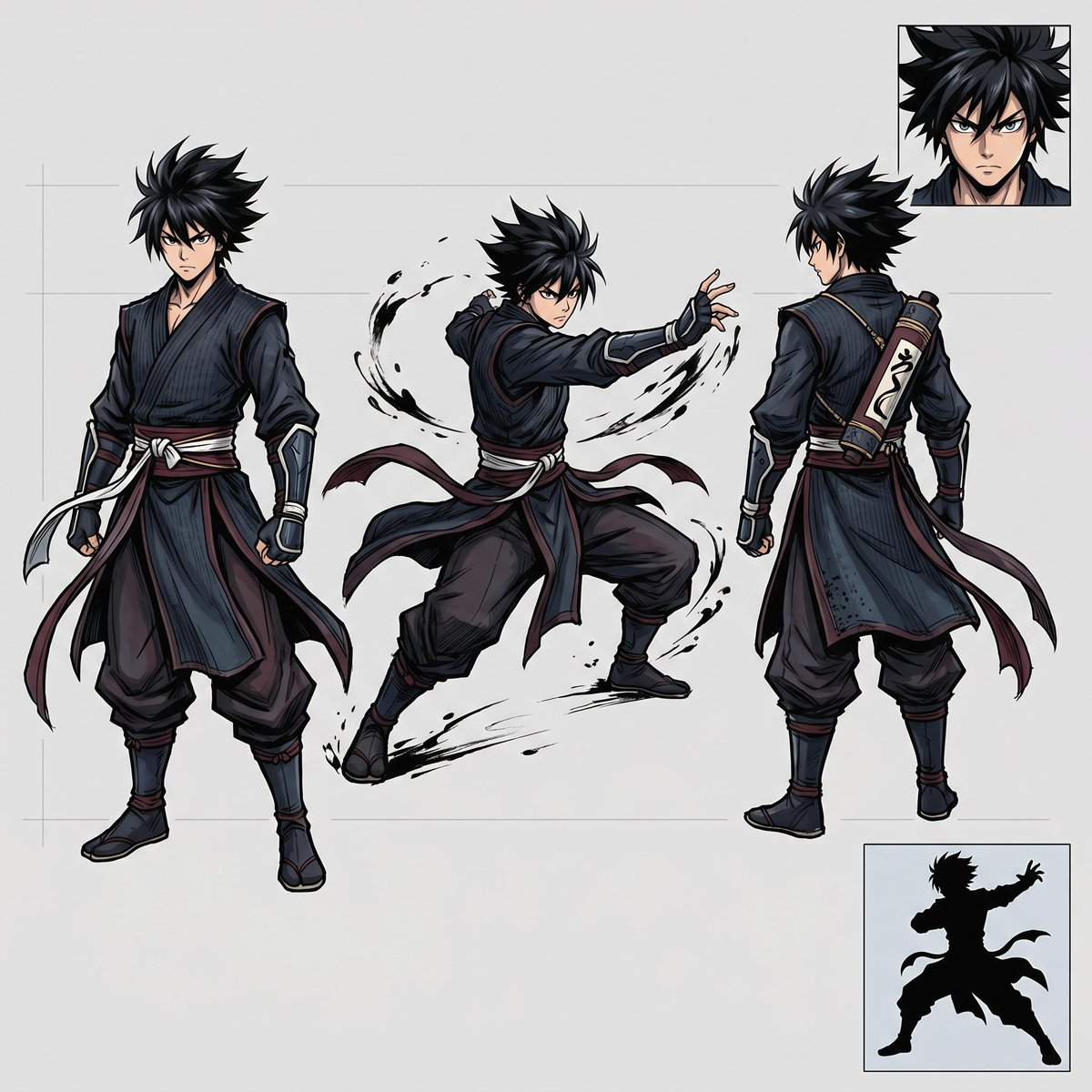
- 当前只有一张主图,所以第一张结果图就是最核心的参考基准。
Prompt 结构可以怎么理解
- 这条 Prompt 整体属于一条比较长、约束条件很多的 Prompt,很适合拿来判断这类方向到底需要写到多细。
- 关键词簇主要围绕 霓虹、插画、角色 展开,所以复用时可以先保留这组风格词,再替换主体、镜头、环境或文案信息。
- 最稳的改写方式通常是先保留结果方向和最强风格信号,只替换主体设定与场景块。
如果你是带着问题来的,可以先看这些角度
- 如果保留 霓虹、插画、角色,只换主体题材,结果最先变化的会是哪一部分?
- 这条结果里,哪些特征更像是 角色设计 的结构特征,哪些又是标签风格本身带来的?
- 同分类的相关案例里,哪几条能给你更克制或更极致的相邻变体?
完整 Prompt
Goal: Create a humorous four-panel cosmic comic strip about a godlike universe creator oversleeping and accidentally causing a messy Big Bang. Canvas: Wide horizontal comic page, 16:9 aspect ratio, with four rectangular panels arranged in a 2-by-2 grid. Use thick black comic borders, slight perspective wobble, and a smoky grayscale outer background with glowing specks and sketchy crosshatch marks. Visual style: Highly detailed painterly comic art with dramatic ink outlines, cosmic fantasy lighting, saturated nebula colors, stars, galaxies, explosions, and watercolor-like textures. The tone is funny, epic, and slightly chaotic. Add a deliberate blurred square over the godlike character’s face in each panel, as if censored or anonymized. Main character: A long-haired, bearded, elderly cosmic wizard or deity wearing ornate purple robes patterned with stars and gold embroidered cuffs. He is sleepy and irritated, shown in bed or beside the alarm clock. Use {argument name="character name" default="anonymous cosmic creator"} only as an internal character concept, not visible text. Panel layout and exact content: 1. Top-left panel: The cosmic creator sleeps under blankets in a bed floating in deep space. Beside the bed on a small wooden table sits a large vintage twin-bell alarm clock. The clock face clearly reads “BIG BANG” in bold black letters, with Roman numerals around the edge. Background filled with colorful nebula clouds and stars. No speech bubble. 2. Top-right panel: The alarm clock rings violently with motion lines. Add exactly two comic sound effects above it: “BEEEEEP!” on the left and “BEEEEP!” on the right, in yellow bold comic lettering with black outline. The creator reaches from the right side toward a small rectangular orange snooze button on a base in front of the clock. The button label reads “SNOOZE.” The clock face still reads “BIG BANG.” 3. Bottom-left panel: The creator is back asleep on the left while the clock on the bedside table is wrapped tightly in messy bandages or cloth, muffled and restrained. The universe behind it erupts with galaxies, stars, and colorful energy swirls. Add a small beige caption box in the upper right that reads exactly: “13.8 billion years pass...” 4. Bottom-right panel: The creator is awake and exasperated, pointing or gesturing toward the cosmic chaos. Behind him is a wild explosion of galaxies, starbursts, and nebula fragments. Add a glowing neon sign on the left that reads exactly: “Big Bang is a Mess.” with “Mess.” emphasized in red. Add one speech bubble above the creator that reads exactly: “DAMN..., I hit Snooze just once...” Text content: Include exactly these visible text elements: “BIG BANG” on the alarm clock in panels 1, 2, and partially visible in panel 3; “BEEEEEP!”; “BEEEEP!”; “SNOOZE”; “13.8 billion years pass...”; “Big Bang is a Mess.”; and “DAMN..., I hit Snooze just once...” Constraints: Use exactly four panels, exactly one recurring main character, exactly one alarm clock, exactly one snooze button, exactly one neon sign, and exactly one caption box. Keep all text legible and spelled as specified. Do not add extra panels, extra speech bubbles, watermarks, logos, or signatures.