案例媒体
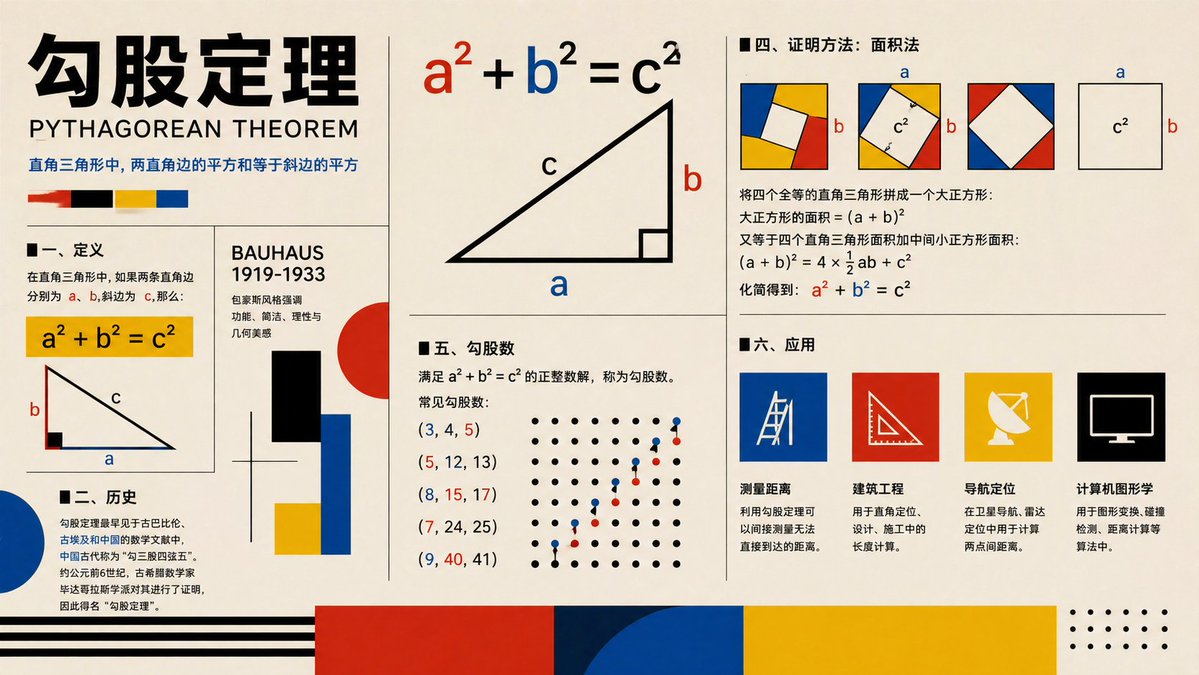
案例说明
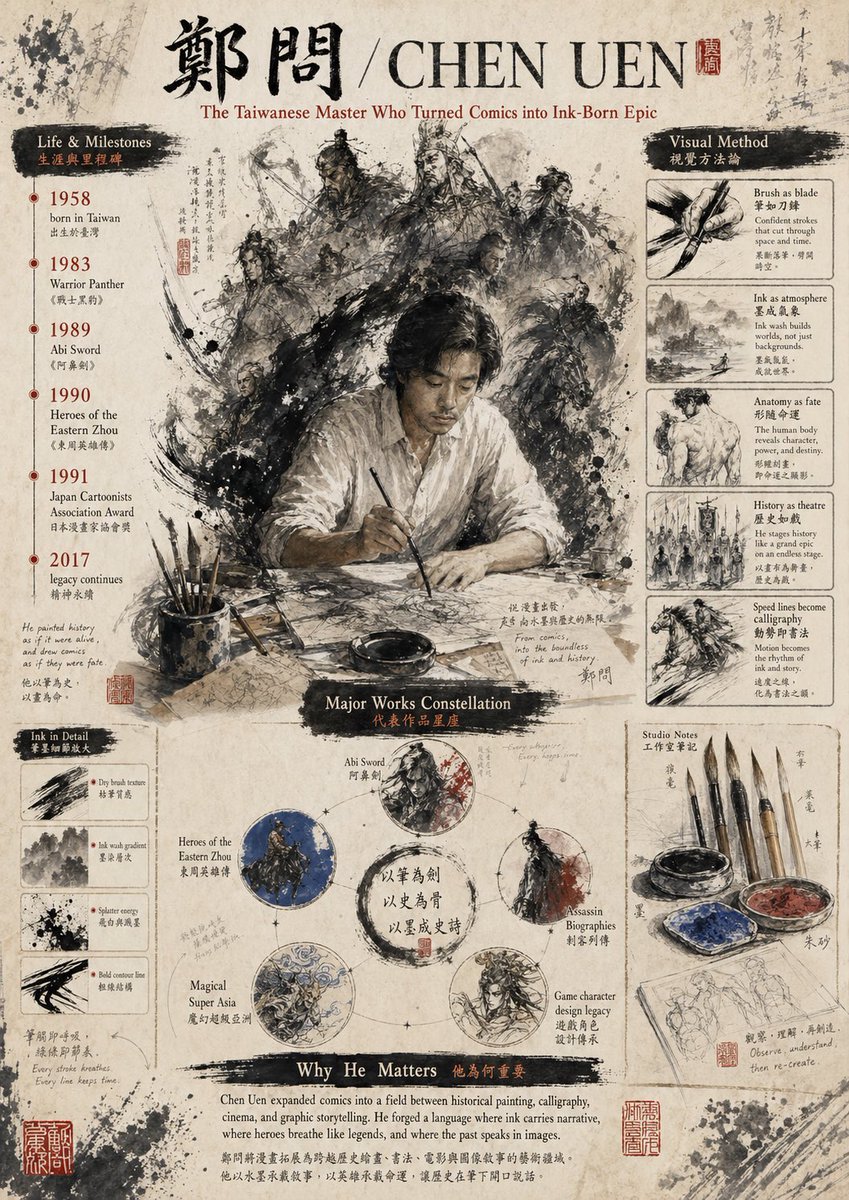
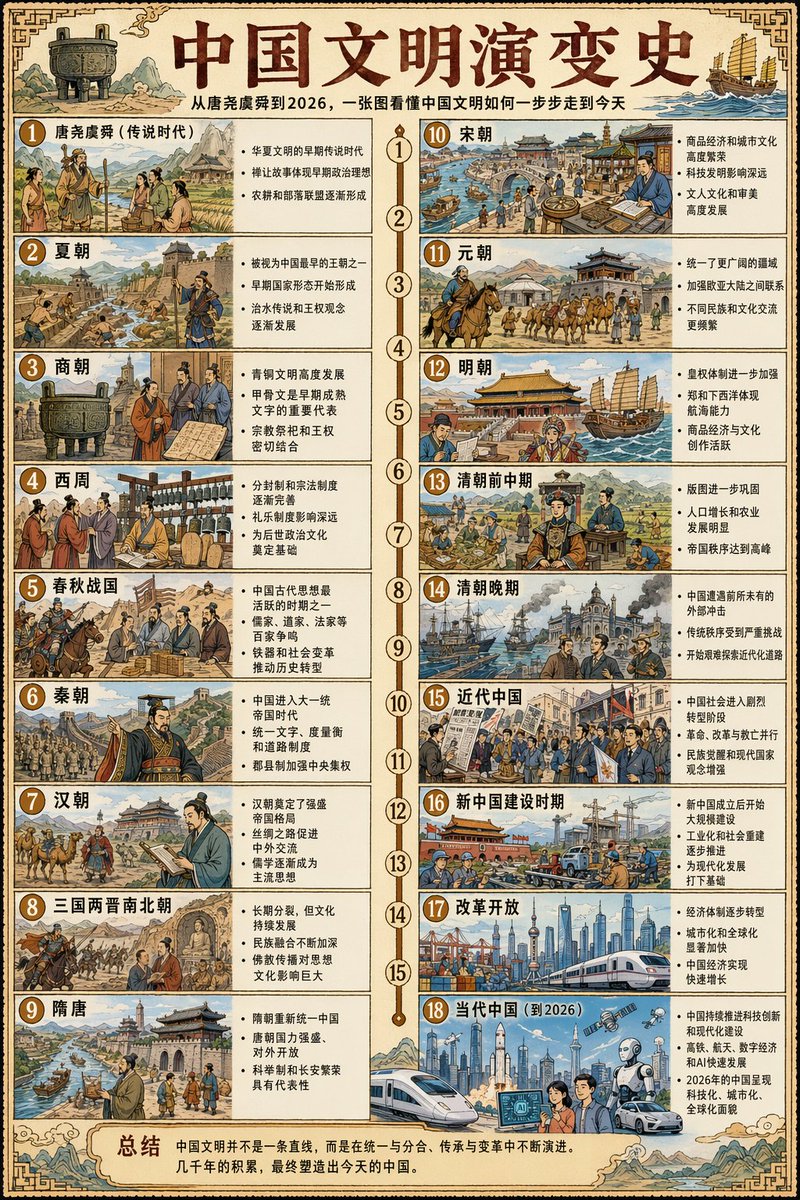
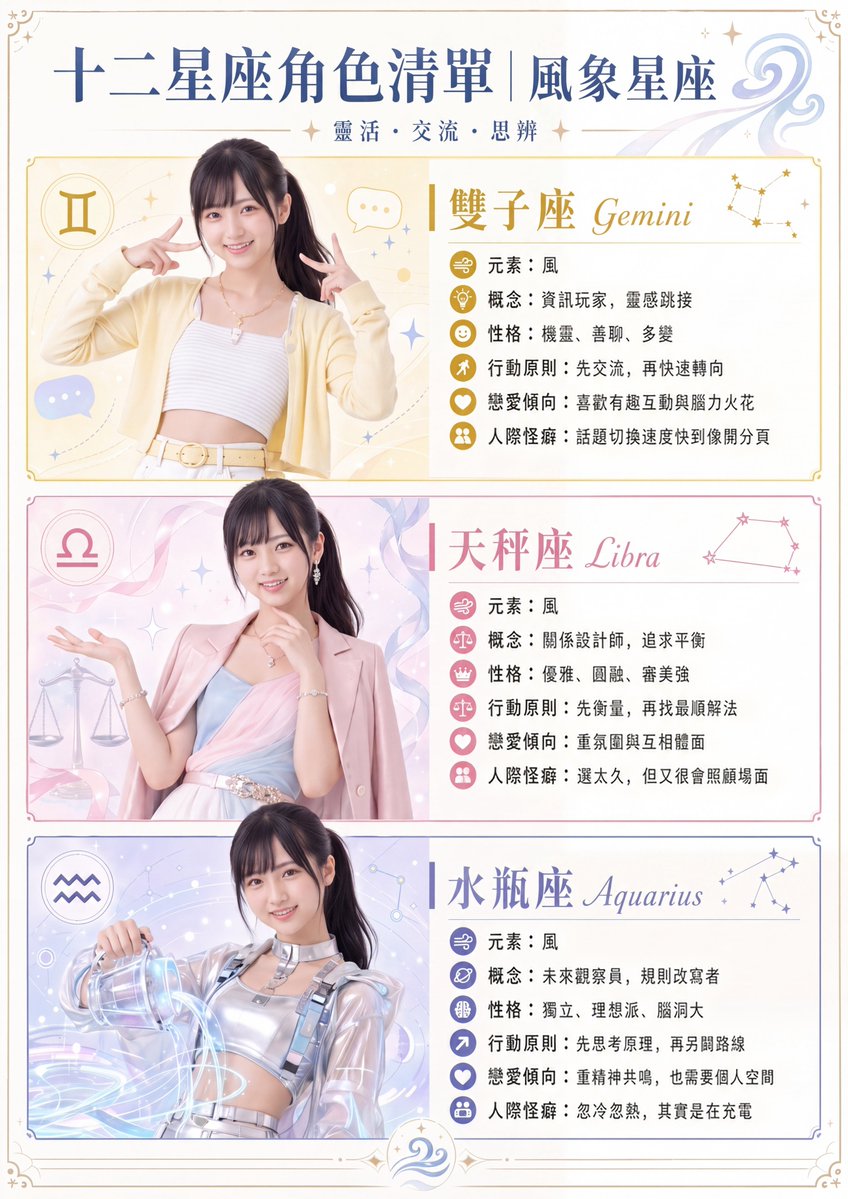
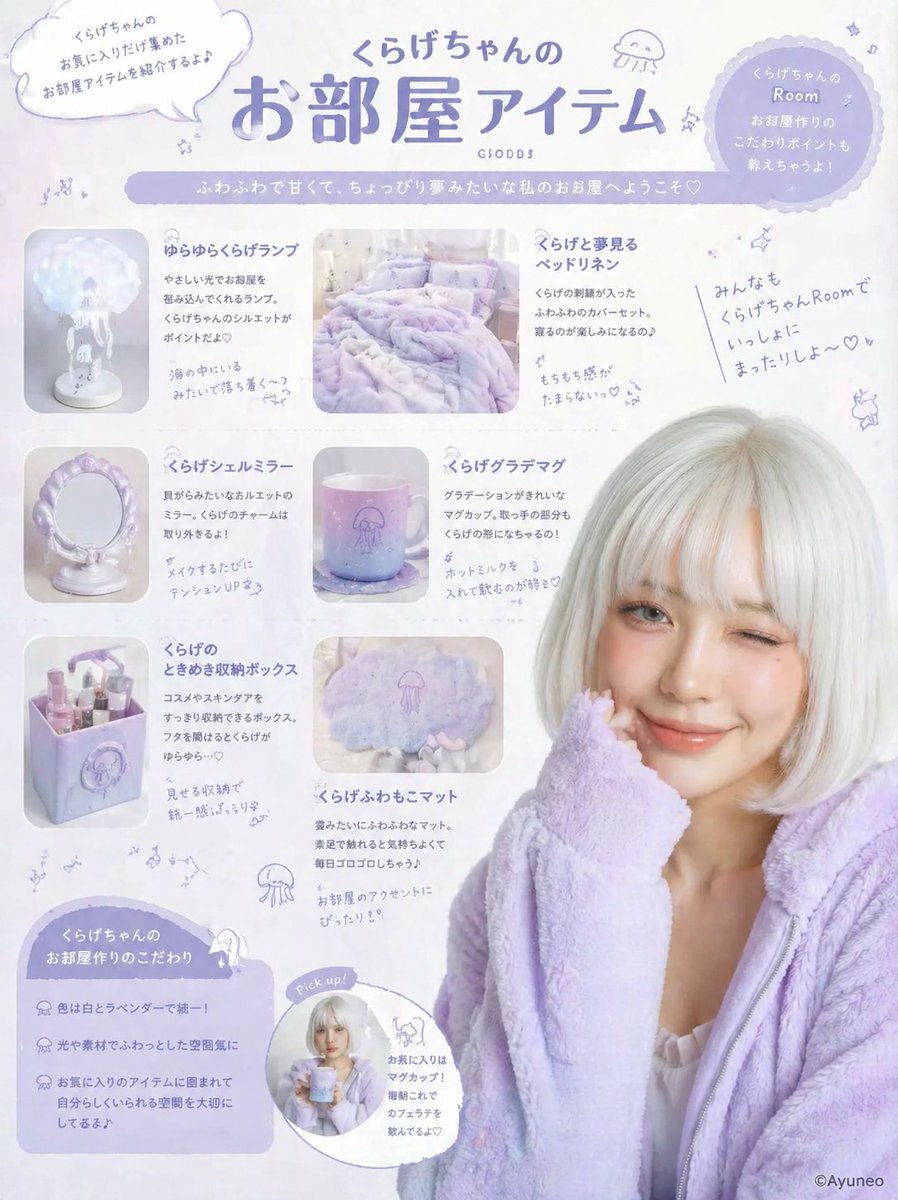
这个页面把案例媒体、完整 Prompt 和出处放在一起,方便你先看结果,再判断这条 Prompt 是否值得复制、收藏或加入对比。
案例解读
为了方便搜索、引用和后续复用,这里会把案例的适用场景、画面重点和 Prompt 结构拆成更容易浏览的说明。
这类案例适合用在什么场景
- 把它当作 角色设计 的基准案例最合适,先看成片方向,再决定自己的 Prompt 要往哪边改。
- 如果你的目标也落在 时尚、海报、插画 这些方向,这条案例特别适合先看图判断风格,再回头微调描述。
- 做 Prompt 对比时,也很适合作为控制组,只改一个变量去看结果变化。
画面重点与风格信号
- 这条案例最明显的风格信号集中在 时尚、海报、插画,所以第一次改写时最好先保留这些关键词。
- 重点可以先看轮廓、服饰语言、情绪气质,以及角色是否一眼就能立住。
- 当前只有一张主图,所以第一张结果图就是最核心的参考基准。
Prompt 结构可以怎么理解
- 这条 Prompt 整体属于一条比较长、约束条件很多的 Prompt,很适合拿来判断这类方向到底需要写到多细。
- 关键词簇主要围绕 时尚、海报、插画 展开,所以复用时可以先保留这组风格词,再替换主体、镜头、环境或文案信息。
- 最稳的改写方式通常是先保留结果方向和最强风格信号,只替换主体设定与场景块。
如果你是带着问题来的,可以先看这些角度
- 如果保留 时尚、海报、插画,只换主体题材,结果最先变化的会是哪一部分?
- 这条结果里,哪些特征更像是 角色设计 的结构特征,哪些又是标签风格本身带来的?
- 同分类的相关案例里,哪几条能给你更克制或更极致的相邻变体?
完整 Prompt
{"type":"educational infographic poster","topic":"{argument name=\"topic\" default=\"勾股定理\"}","subtitle":"PYTHAGOREAN THEOREM","style":"Bauhaus-inspired mathematical explainer poster, clean editorial grid, cream paper background, bold black typography, primary color palette of red, blue, yellow, black, geometric accents, vector shapes, high-contrast print design","canvas":{"orientation":"landscape","aspect_ratio":"16:9"},"layout":{"grid":"multi-panel poster with thin black dividers","sections":[{"title":"header","position":"top-left spanning two rows","count":4,"labels":["large Chinese title","English subtitle","one-line Chinese theorem summary","4 color swatches"]},{"title":"一、定义","position":"left-center","count":3,"labels":["section heading","yellow formula box a² + b² = c²","right-triangle diagram labeled a b c"]},{"title":"二、历史","position":"bottom-left","count":3,"labels":["section heading","Chinese history paragraph","large blue semicircle accent"]},{"title":"BAUHAUS 1919-1933","position":"center-left vertical panel","count":6,"labels":["panel title","3 short Chinese descriptive lines","black rectangle","red circle with blue and yellow blocks"]},{"title":"main theorem diagram","position":"top-center","count":3,"labels":["large formula a² + b² = c² with a in red b in blue c in black","large right triangle","labels a b c on triangle"]},{"title":"四、证明方法:面积法","position":"top-right","count":4,"labels":["section heading","3 square dissection diagrams with colored corner triangles and central white square","1 separate c² square diagram with a and b side labels","Chinese proof text with final formula a² + b² = c² highlighted in red and blue"]},{"title":"五、勾股数","position":"center-bottom","count":7,"labels":["section heading","definition text","(3, 4, 5)","(5, 12, 13)","(8, 15, 17)","(7, 24, 25)","(9, 40, 41)"]},{"title":"dot lattice illustration","position":"right side of Pythagorean triples section","count":2,"labels":["black dot grid","ascending red and blue point pattern"]},{"title":"六、应用","position":"bottom-right","count":5,"labels":["section heading","测量距离","建筑工程","导航定位","计算机图形学"]},{"title":"application icons","position":"bottom-right row","count":4,"labels":["blue square with measuring tool line icon","red square with triangle ruler icon","yellow square with satellite dish icon","black square with computer monitor icon"]},{"title":"footer decorations","position":"bottom edge","count":4,"labels":["black horizontal stripes on left","large red block","large blue semicircle overlapping dark blue block","large yellow block with dotted corner motif on far right"]}]},"typography":{"title_style":"extra bold oversized Chinese characters in black","subtitle_style":"uppercase sans serif","body_style":"clean sans serif Chinese text, neatly aligned columns"},"colors":{"background":"warm cream","primary":["black","red","blue","yellow"],"formula_emphasis":{"a":"red","b":"blue","c":"black"}},"rendering":"flat vector infographic, crisp lines, print-poster aesthetic, balanced negative space, museum graphic design feel"}