案例媒体
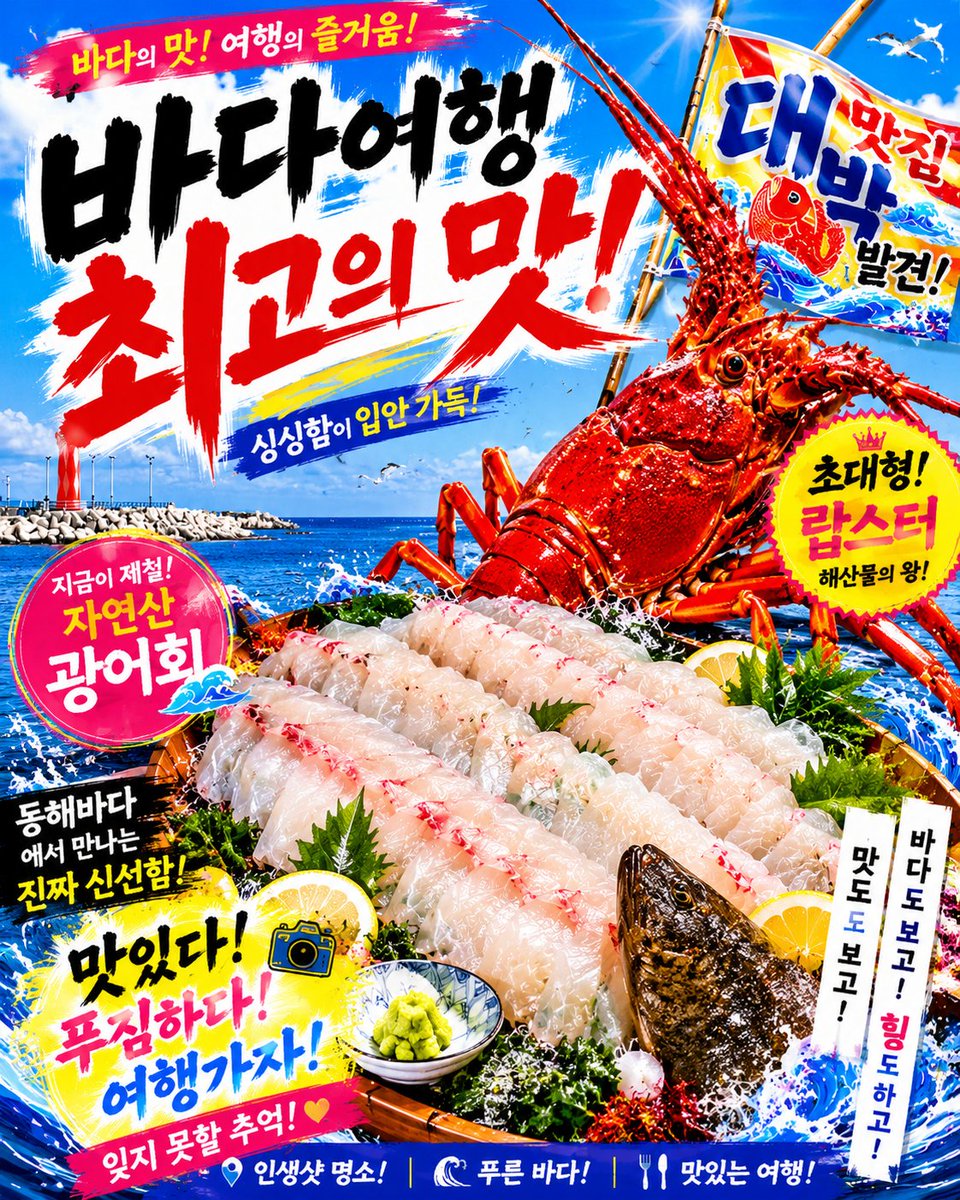
案例说明
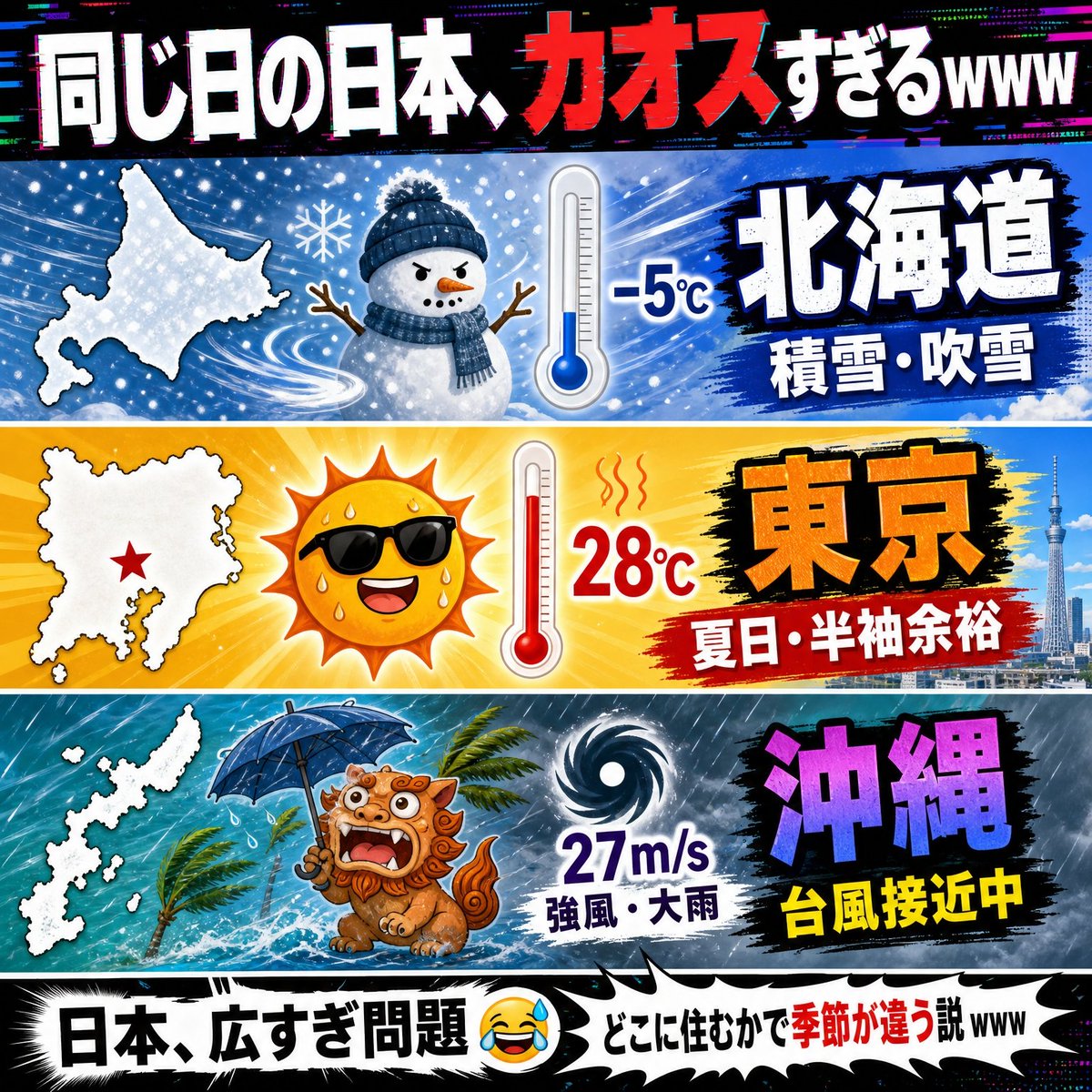
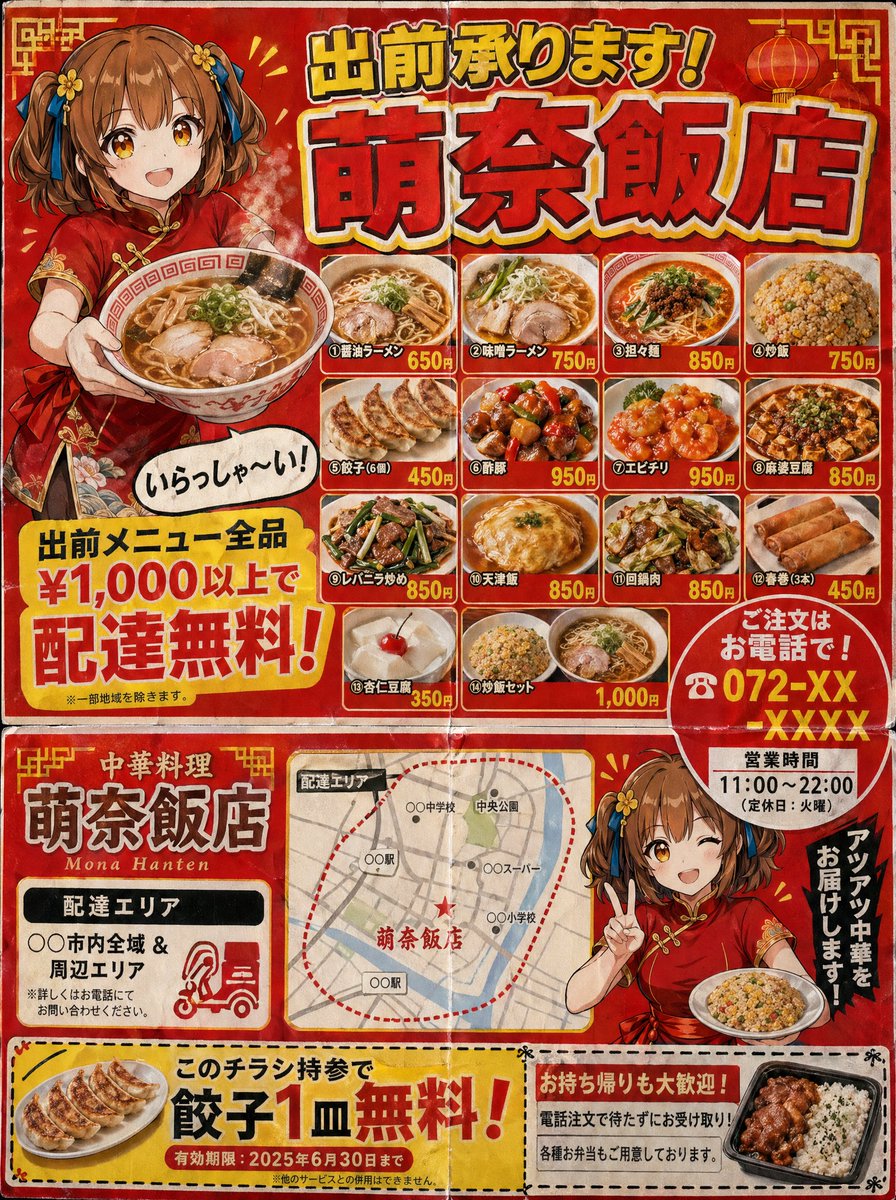
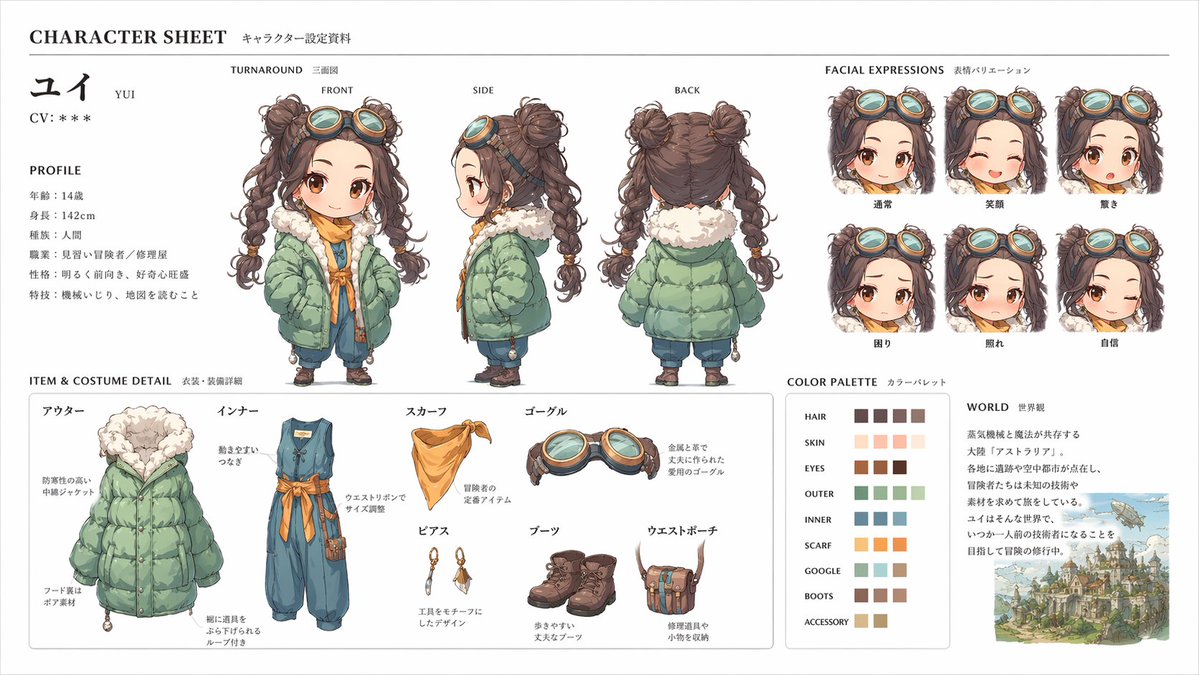
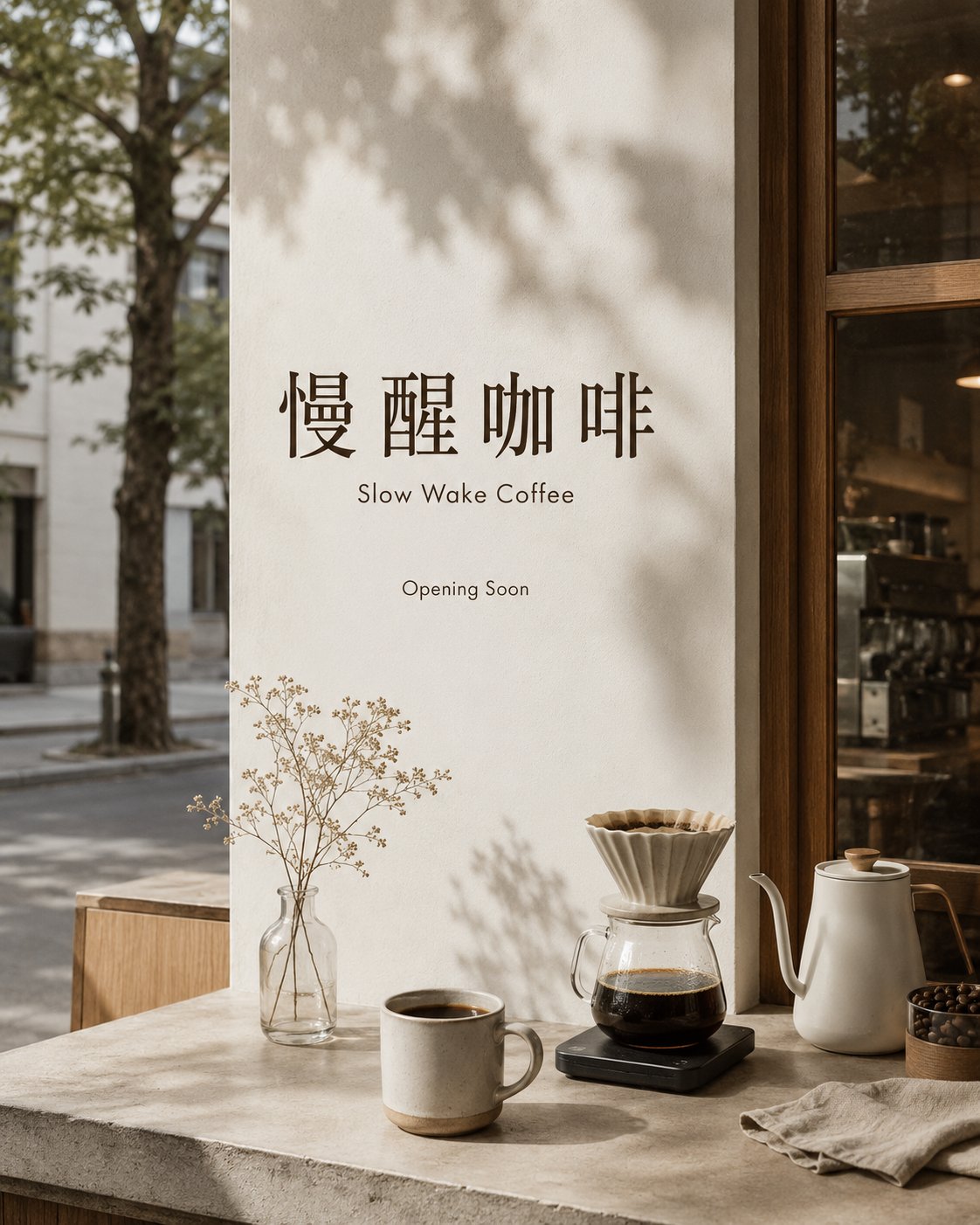
这个页面把案例媒体、完整 Prompt 和出处放在一起,方便你先看结果,再判断这条 Prompt 是否值得复制、收藏或加入对比。
案例解读
为了方便搜索、引用和后续复用,这里会把案例的适用场景、画面重点和 Prompt 结构拆成更容易浏览的说明。
这类案例适合用在什么场景
- 把它当作 UI 与社交媒体截图 的基准案例最合适,先看成片方向,再决定自己的 Prompt 要往哪边改。
- 如果你的目标也落在 海报、插画、UI 这些方向,这条案例特别适合先看图判断风格,再回头微调描述。
- 做 Prompt 对比时,也很适合作为控制组,只改一个变量去看结果变化。
画面重点与风格信号
- 这条案例最明显的风格信号集中在 海报、插画、UI,所以第一次改写时最好先保留这些关键词。
- 这类案例更值得先看界面密度、卡片层级,以及屏幕内容有没有先于文字讲清故事。
- 当前只有一张主图,所以第一张结果图就是最核心的参考基准。
Prompt 结构可以怎么理解
- 这条 Prompt 整体属于一条比较长、约束条件很多的 Prompt,很适合拿来判断这类方向到底需要写到多细。
- 关键词簇主要围绕 海报、插画、UI 展开,所以复用时可以先保留这组风格词,再替换主体、镜头、环境或文案信息。
- 最稳的改写方式通常是先保留结果方向和最强风格信号,只替换主体设定与场景块。
如果你是带着问题来的,可以先看这些角度
- 如果保留 海报、插画、UI,只换主体题材,结果最先变化的会是哪一部分?
- 这条结果里,哪些特征更像是 UI 与社交媒体截图 的结构特征,哪些又是标签风格本身带来的?
- 同分类的相关案例里,哪几条能给你更克制或更极致的相邻变体?
完整 Prompt
Goal: Create a loud, hyper-saturated Korean seafood restaurant advertising poster for {argument name="restaurant theme" default="fresh natural flatfish sashimi and giant lobster"}, with an energetic travel-at-the-sea mood, aimed at attracting customers to a sashimi restaurant. Canvas: Vertical 4:5 poster, full-bleed, high contrast, glossy commercial food-ad style. Use a bright tropical blue sky and deep blue ocean background with white sea spray, seagulls, a harbor breakwater on the left horizon, and explosive brush-stroke graphics. Layout: Top third contains a huge hand-painted Korean calligraphy headline on a white and blue paint-splash background. Right side features a giant red spiny lobster emerging dramatically from ocean waves, angled upward, with long antennae crossing the sky. Bottom half is dominated by a lavish wooden platter of fresh sliced white fish sashimi over crushed ice, green garnish, seaweed, lemon slices, wasabi, and splashing water. Add a grilled or raw fish head at the lower right edge of the platter. Use diagonal composition, comic-book impact, and many overlapping stickers and banners. Text content: Include exactly 10 distinct Korean text blocks, styled as bold brush lettering, stickers, or banners: 1) top pink brush banner: {argument name="top slogan" default="바다의 맛! 여행의 즐거움!"}; 2) huge main black-and-red headline: {argument name="main headline" default="바다여행 최고의 맛!"}; 3) small blue slanted banner under headline: "싱싱함이 입안 가득!"; 4) right flag beside lobster: "대박 맛집 발견!"; 5) yellow starburst badge on right: "초대형! 랍스터 해산물의 왕!"; 6) pink circular badge on left: "지금이 제철! 자연산 광어회"; 7) black brush box on lower left: "동해바다에서 만나는 진짜 신선함!"; 8) yellow splash headline near bottom left: "맛있다! 푸짐하다! 여행가자!"; 9) pink bottom ribbon: "잊지 못할 추억! ♥"; 10) bottom blue footer strip with three icon-separated phrases: "인생샷 명소! | 푸른 바다! | 맛있는 여행!". Also add two narrow vertical white paper strips at lower right reading "맛도 보고!" and "바다도 보고! 힐링도 하고!". Subject details: Make the lobster extremely large, glossy, bright red-orange, covered in water droplets, with visible eyes, segmented shell, spiny legs, and dramatic claws/antennae. The sashimi platter should contain exactly 4 neat diagonal rows of translucent white flatfish slices with red accents, arranged in overlapping layers. Add exactly 3 visible lemon slices, 1 small patterned bowl of green wasabi, 1 fish head, 1 small camera icon, and at least 6 seagulls in the sky. Visual style: Korean street-market seafood flyer, maximalist, punchy, celebratory, with thick black ink strokes, red handwritten calligraphy, yellow highlights, magenta badges, blue wave graphics, white foam, sharp cutout edges, glossy food photography mixed with illustrated poster effects. Use saturated cyan, royal blue, hot pink, lemon yellow, white, black, and vivid lobster red. Constraints: Keep all Korean text legible and integrated into the design. Do not add English text. Avoid minimalist spacing; the poster should feel crowded, festive, and attention-grabbing. No watermark, no QR code, no phone number.