案例媒体
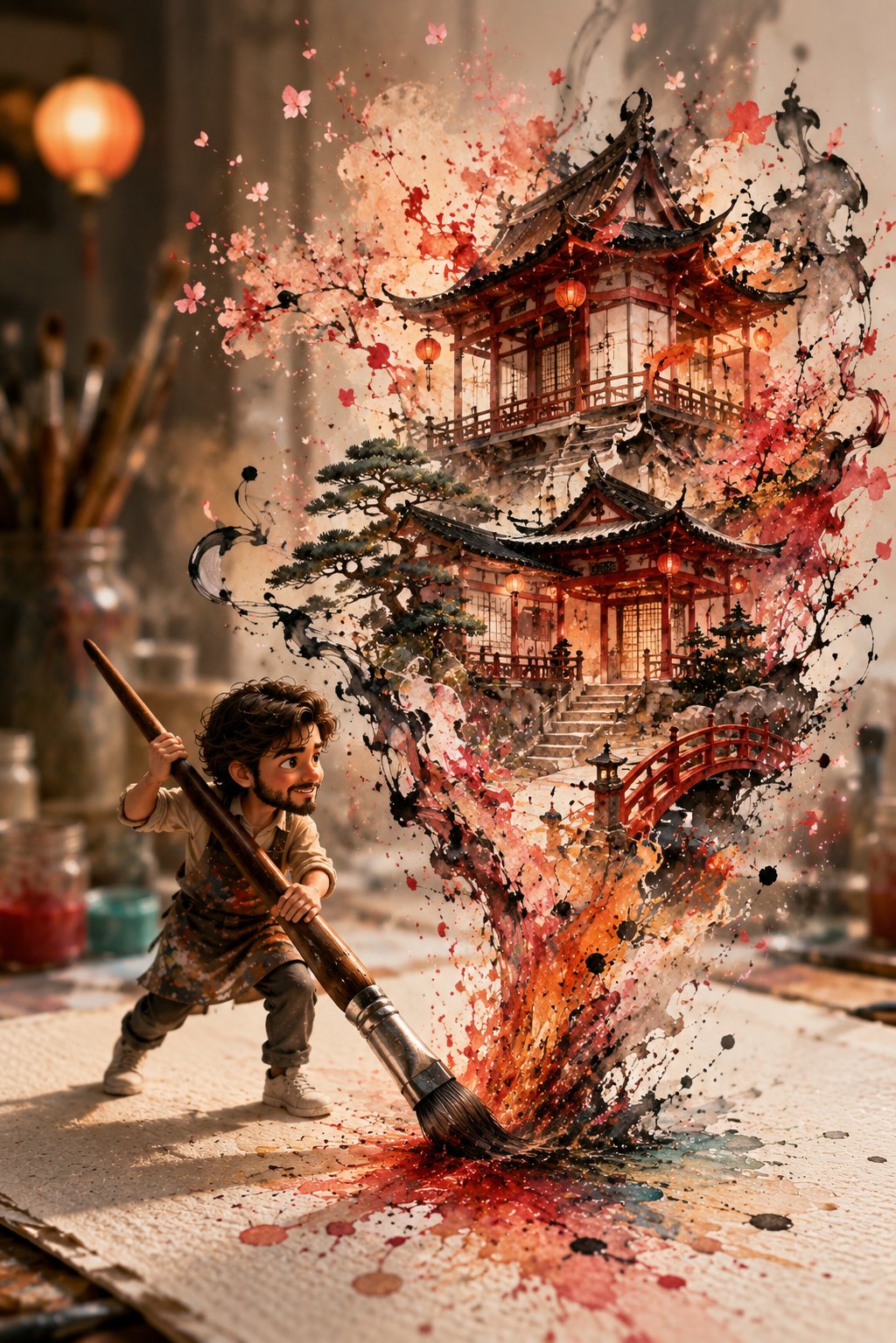
案例说明
这个页面把案例媒体、完整 Prompt 和出处放在一起,方便你先看结果,再判断这条 Prompt 是否值得复制、收藏或加入对比。
案例解读
为了方便搜索、引用和后续复用,这里会把案例的适用场景、画面重点和 Prompt 结构拆成更容易浏览的说明。
这类案例适合用在什么场景
- 把它当作 角色设计 的基准案例最合适,先看成片方向,再决定自己的 Prompt 要往哪边改。
- 如果你的目标也落在 电影感、插画、角色 这些方向,这条案例特别适合先看图判断风格,再回头微调描述。
- 做 Prompt 对比时,也很适合作为控制组,只改一个变量去看结果变化。
画面重点与风格信号
- 这条案例最明显的风格信号集中在 电影感、插画、角色,所以第一次改写时最好先保留这些关键词。
- 重点可以先看轮廓、服饰语言、情绪气质,以及角色是否一眼就能立住。
- 当前只有一张主图,所以第一张结果图就是最核心的参考基准。
Prompt 结构可以怎么理解
- 这条 Prompt 整体属于一条比较长、约束条件很多的 Prompt,很适合拿来判断这类方向到底需要写到多细。
- 关键词簇主要围绕 电影感、插画、角色 展开,所以复用时可以先保留这组风格词,再替换主体、镜头、环境或文案信息。
- 最稳的改写方式通常是先保留结果方向和最强风格信号,只替换主体设定与场景块。
如果你是带着问题来的,可以先看这些角度
- 如果保留 电影感、插画、角色,只换主体题材,结果最先变化的会是哪一部分?
- 这条结果里,哪些特征更像是 角色设计 的结构特征,哪些又是标签风格本身带来的?
- 同分类的相关案例里,哪几条能给你更克制或更极致的相邻变体?
完整 Prompt
Create a whimsical cinematic image in 2.3 ASPECT_RATIO. Use CHARACTER_REFERENCE as the main character. If it is an uploaded photo, preserve the person’s recognizable facial features, face shape, skin tone, hairstyle, eyebrows, beard, and overall likeness with extreme fidelity, transforming them into a tiny storybook and anime-inspired version of themselves. If it is a text description, create the character exactly from that description. Show the character as a tiny illustrated figure standing on a large sheet of textured watercolor art paper inside an artist’s studio. The character is holding an oversized realistic paintbrush with both hands and forcefully slamming the brush tip into the paper. Important: the character’s anatomy and the brush interaction must be physically accurate and clean — exactly two arms, two hands, five fingers on each hand, normal body proportions, no duplicated limbs, no extra fingers, no brush intersecting the body, and the hands gripping the brush naturally. The brush tip must be visibly pressed against the paper at the exact moment of impact. From this precise impact point, a spectacular explosion of wet paint erupts upward and outward, transforming into a majestic traditional East Asian house made entirely of living paint. The structure should resemble a refined Japanese and Chinese-inspired temple residence, with curved tiled roofs, layered eaves, red wooden columns, sliding paper doors, ornamental lanterns, carved beams, and a peaceful courtyard aesthetic. The architecture must emerge organically from watercolor splashes in deep crimson, vermilion, terracotta, warm brown, jade green, charcoal black, and subtle gold accents. Its form should be created from fluid ink lines, translucent watercolor layers, droplets, expressive brush strokes, and delicate sketch details. The lower part of the house must remain connected to the wet paint puddle on the paper, while the upper part becomes increasingly defined, elegant, and alive. Surround the structure with swirling cherry blossom petals, drifting mist, soft lantern glow, bonsai silhouettes, and graceful ribbons of ink. The house should evoke serenity, tradition, and magical craftsmanship, as if an ancient oriental sanctuary is being painted into existence. Style: dreamy miniature fantasy diorama, delicate anime storybook aesthetic inspired by Studio Ghibli, watercolor-and-ink mixed with realistic macro photography, handcrafted artistic feel, warm studio lighting, shallow depth of field, cinematic composition, soft bokeh, highly detailed paper texture, blurred paint jars, brushes, and art supplies in the background. Rules: tiny character with oversized brush; clear brush-to-paper impact; oriental house emerges directly from the impact point; creation made entirely of watercolor, ink, and wet paint; lower structure connected to the paint splash; magical handcrafted cinematic atmosphere; realistic macro photography; no flat illustration look; no plastic toy appearance; no text, no logos, no captions. --ar 2.3 ASPECT_RATIO”