案例媒体
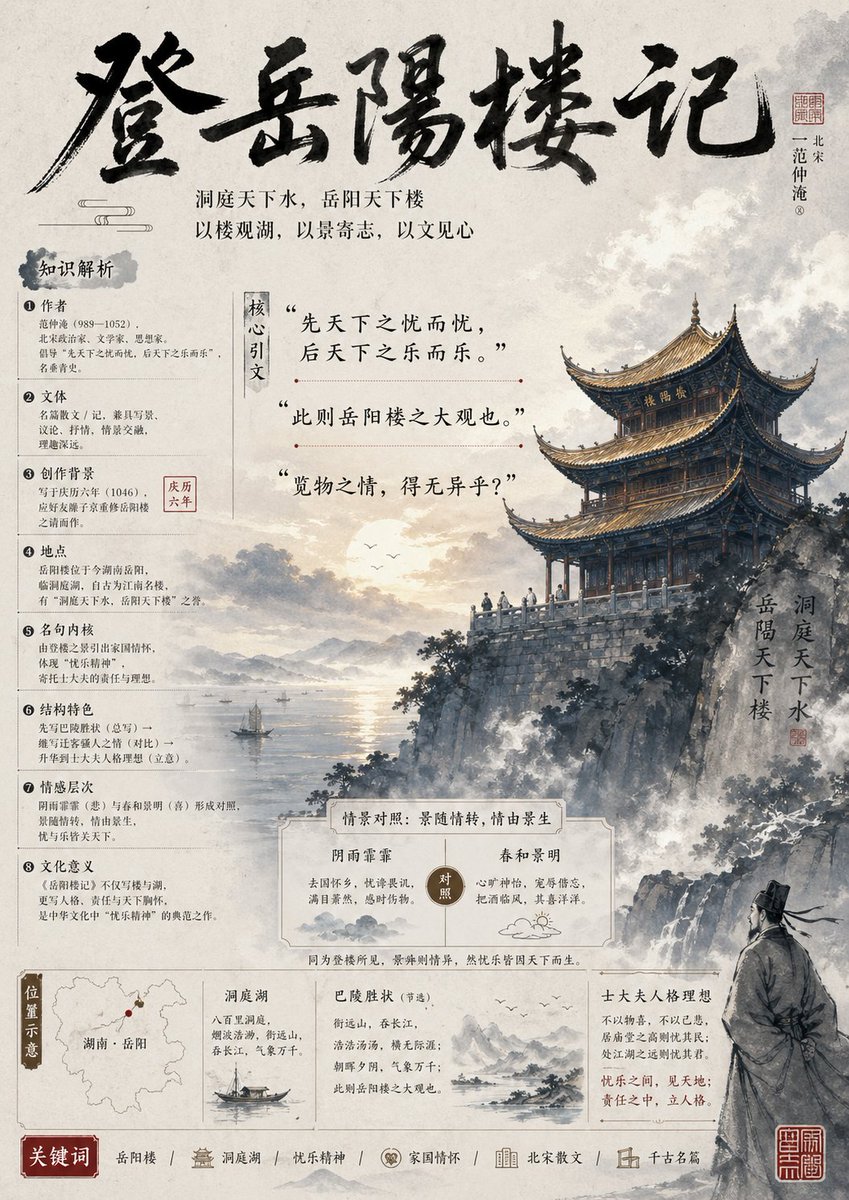
案例说明
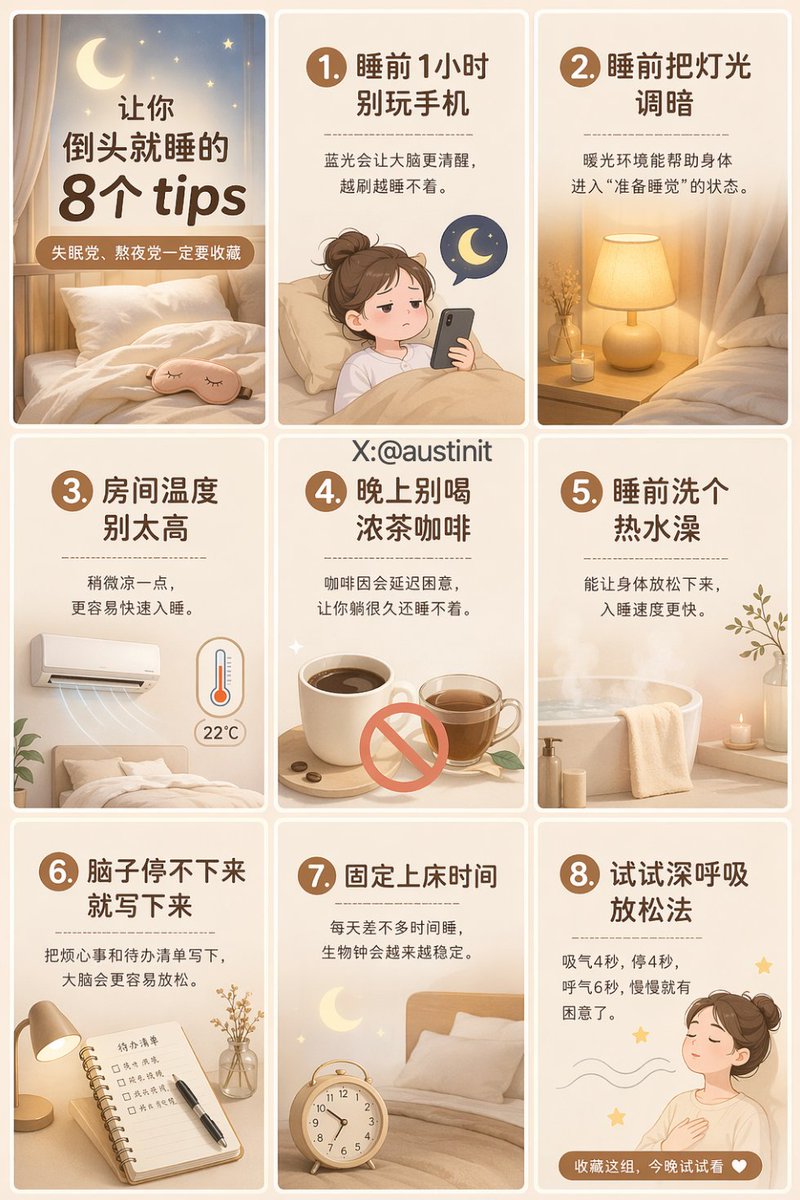
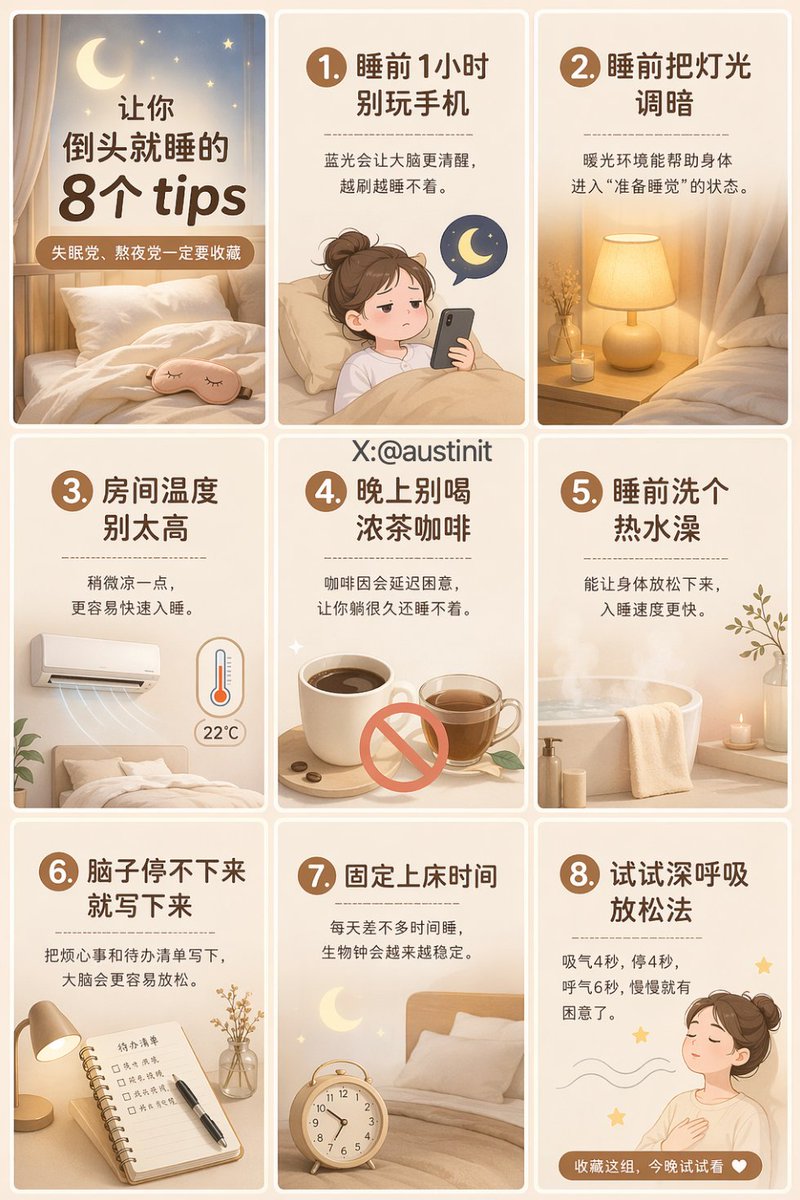
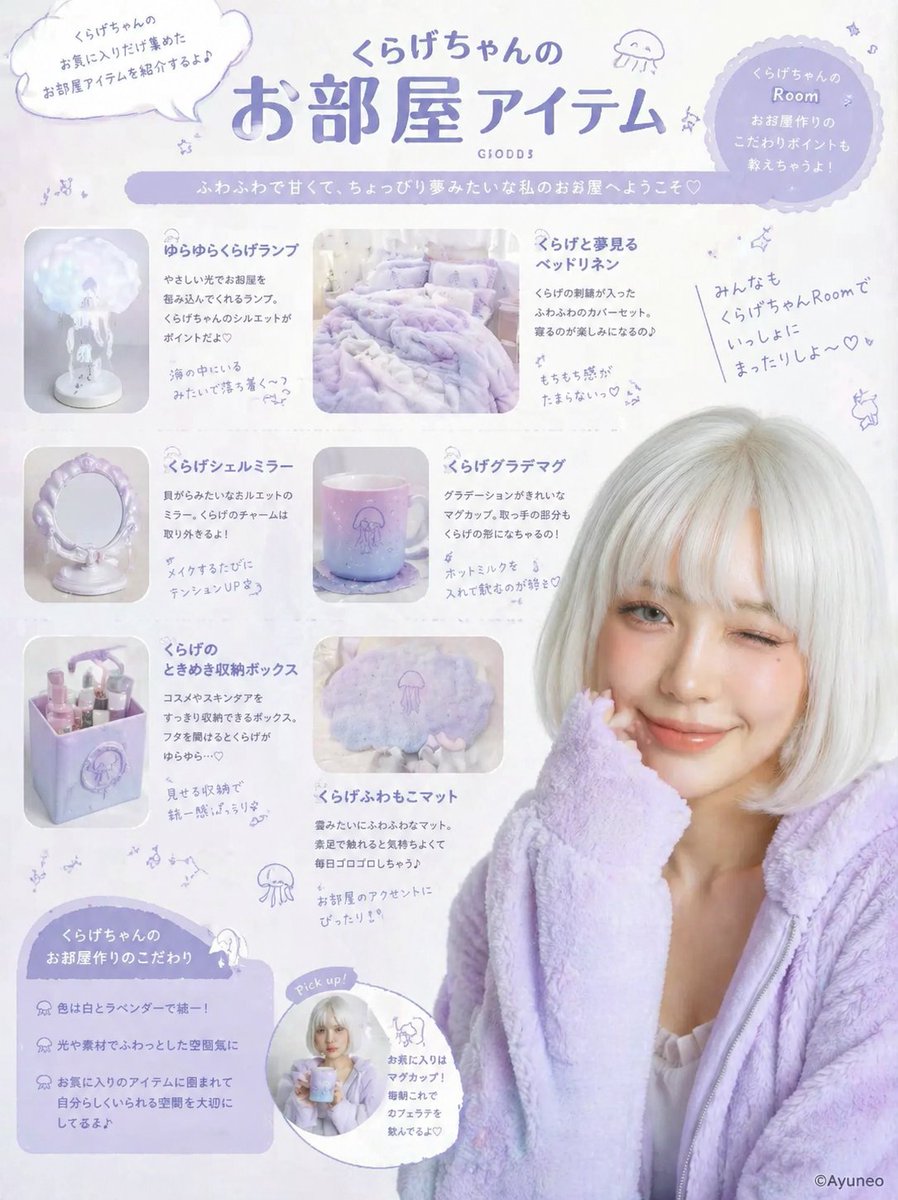
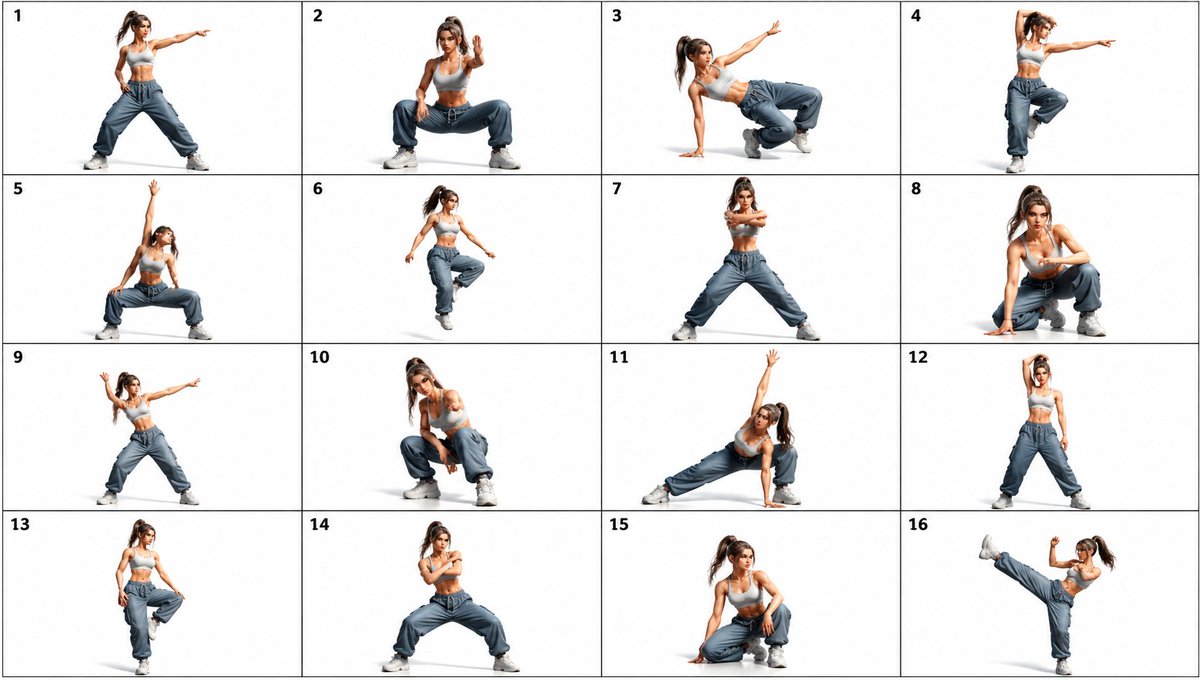
这个页面把案例媒体、完整 Prompt 和出处放在一起,方便你先看结果,再判断这条 Prompt 是否值得复制、收藏或加入对比。
案例解读
为了方便搜索、引用和后续复用,这里会把案例的适用场景、画面重点和 Prompt 结构拆成更容易浏览的说明。
这类案例适合用在什么场景
- 把它当作 角色设计 的基准案例最合适,先看成片方向,再决定自己的 Prompt 要往哪边改。
- 如果你的目标也落在 海报、插画、角色 这些方向,这条案例特别适合先看图判断风格,再回头微调描述。
- 做 Prompt 对比时,也很适合作为控制组,只改一个变量去看结果变化。
画面重点与风格信号
- 这条案例最明显的风格信号集中在 海报、插画、角色,所以第一次改写时最好先保留这些关键词。
- 重点可以先看轮廓、服饰语言、情绪气质,以及角色是否一眼就能立住。
- 当前只有一张主图,所以第一张结果图就是最核心的参考基准。
Prompt 结构可以怎么理解
- 这条 Prompt 整体属于一条比较长、约束条件很多的 Prompt,很适合拿来判断这类方向到底需要写到多细。
- 关键词簇主要围绕 海报、插画、角色 展开,所以复用时可以先保留这组风格词,再替换主体、镜头、环境或文案信息。
- 最稳的改写方式通常是先保留结果方向和最强风格信号,只替换主体设定与场景块。
如果你是带着问题来的,可以先看这些角度
- 如果保留 海报、插画、角色,只换主体题材,结果最先变化的会是哪一部分?
- 这条结果里,哪些特征更像是 角色设计 的结构特征,哪些又是标签风格本身带来的?
- 同分类的相关案例里,哪几条能给你更克制或更极致的相邻变体?
完整 Prompt
Generate a poetic and visually richly layered poetry analysis poster. The structure and style of the poster should be customized according to the verse, noun, or place entered by the user, ensuring a strong literary atmosphere and artistic sense. **Basic Requirements**: 1. **Poster Title**: Use domineering handwritten large characters at the top of the poster, with an elegant and imposing font shape. The large characters should be the verse provided by the user or a theme related to the noun/place. The font shape should coordinate with the overall artistic style of the poster and create a strong visual impact. 2. **Typography**: Below the title, there should be small text or small graphic typography, containing related analysis or quotations. The content can be annotations of the verse, introductions to related backgrounds, or explanations of symbolic words. The typography of the small text should have a sense of design, forming contrast and rhythm, and enhancing the visual hierarchy. 3. **Knowledge Points**: Integrate 5 to 10 related knowledge points into the poster design. The user needs to provide a theme (such as a verse, noun, or place), and based on this, generate knowledge points related to its culture, history, and poetic connotation. These knowledge points can be displayed in the poster through small icons, graphics, or text. 4. **Image Style**: The image needs to echo the input poetry or theme. The color tone, light and shadow, and image style should be consistent with the artistic conception of the poetry. Depending on the input content, it may involve elements such as natural scenery, emotional expression, and character depiction, ensuring the style is both modern and culturally deep. 5. **Visual Effect**: The design must have strong visual appeal. The overall image should not be monotonous, using distinctly layered backgrounds, shapes, graphics, and illustrations, avoiding being too crowded or cluttered. The image should make the audience visually experience a poetic immersion. **User Input Variables**: User Input Theme: [Fill in verse / poem title / poet / noun / place / imagery here] Supplementary Requirements: [Optional, fill in the direction you wish to emphasize, such as "leaning towards desolation", "leaning towards farewell", "leaning towards heroic", "leaning towards ethereal", "leaning towards knowledge-based", "leaning towards historical sense"] Number of Knowledge Points: [Fill in a number between 5 and 10, if not filled, it will be intelligently generated] Whether to Include the Full Text of the Original Poem: [Yes / No] Whether to Include Author and Dynasty Information: [Yes / No] Language Style: [Concise and condensed / Strong literary sense / Strong academic sense / Easy to understand] Poster Ratio: [Vertical 9:16 / Horizontal 4:3 / Square 1:1]