案例媒体
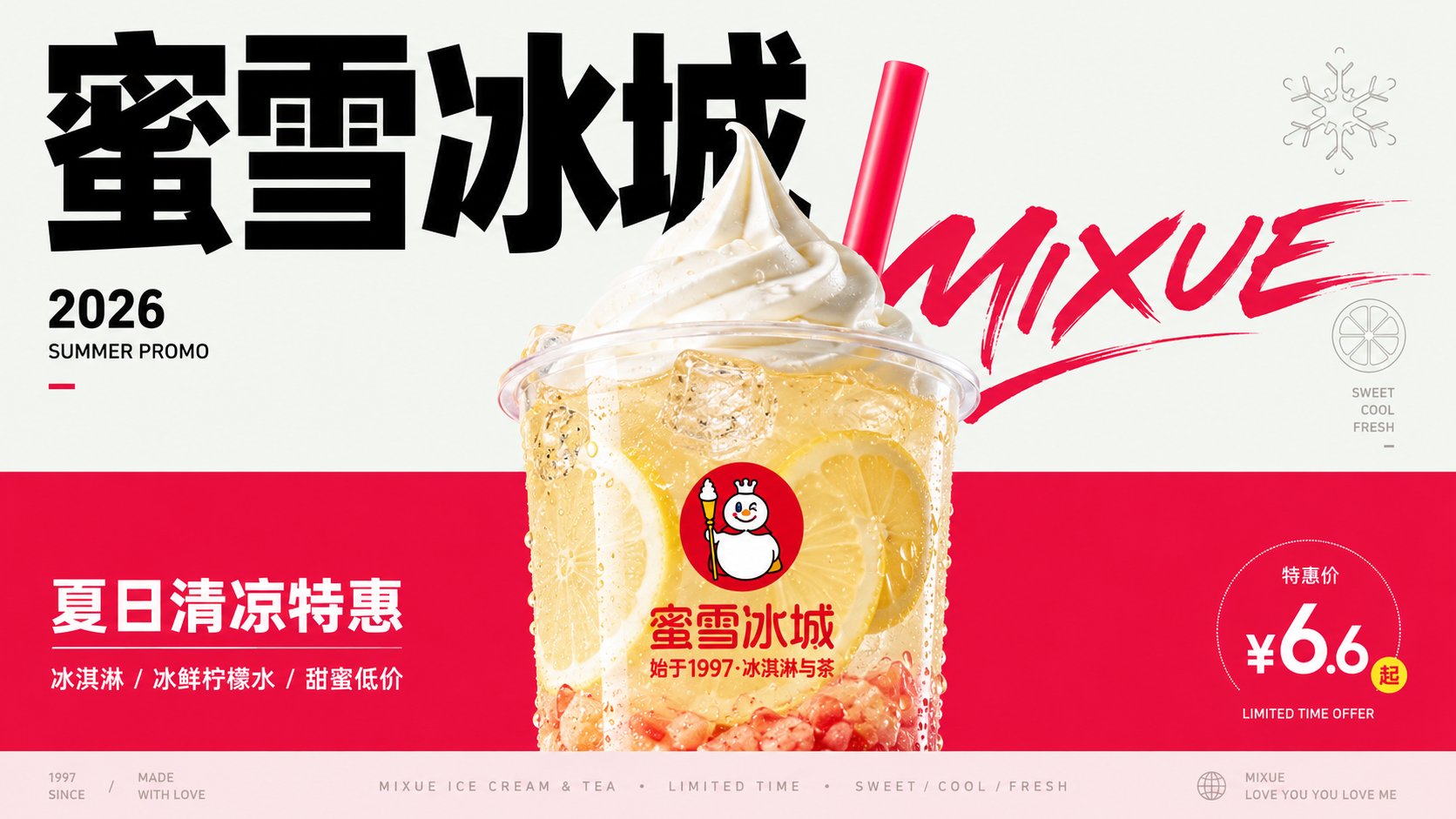
案例说明
这个页面把案例媒体、完整 Prompt 和出处放在一起,方便你先看结果,再判断这条 Prompt 是否值得复制、收藏或加入对比。
案例解读
为了方便搜索、引用和后续复用,这里会把案例的适用场景、画面重点和 Prompt 结构拆成更容易浏览的说明。
这类案例适合用在什么场景
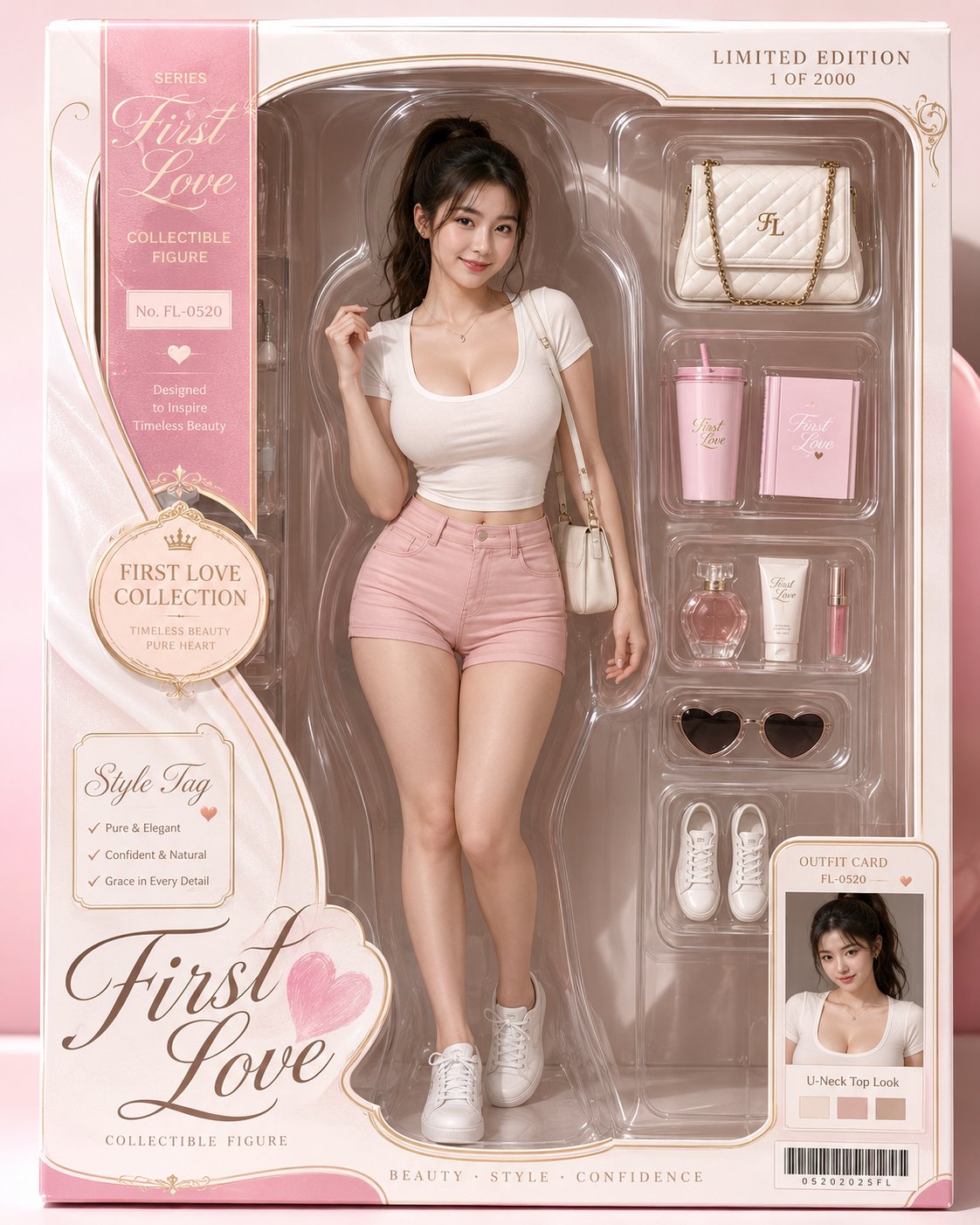
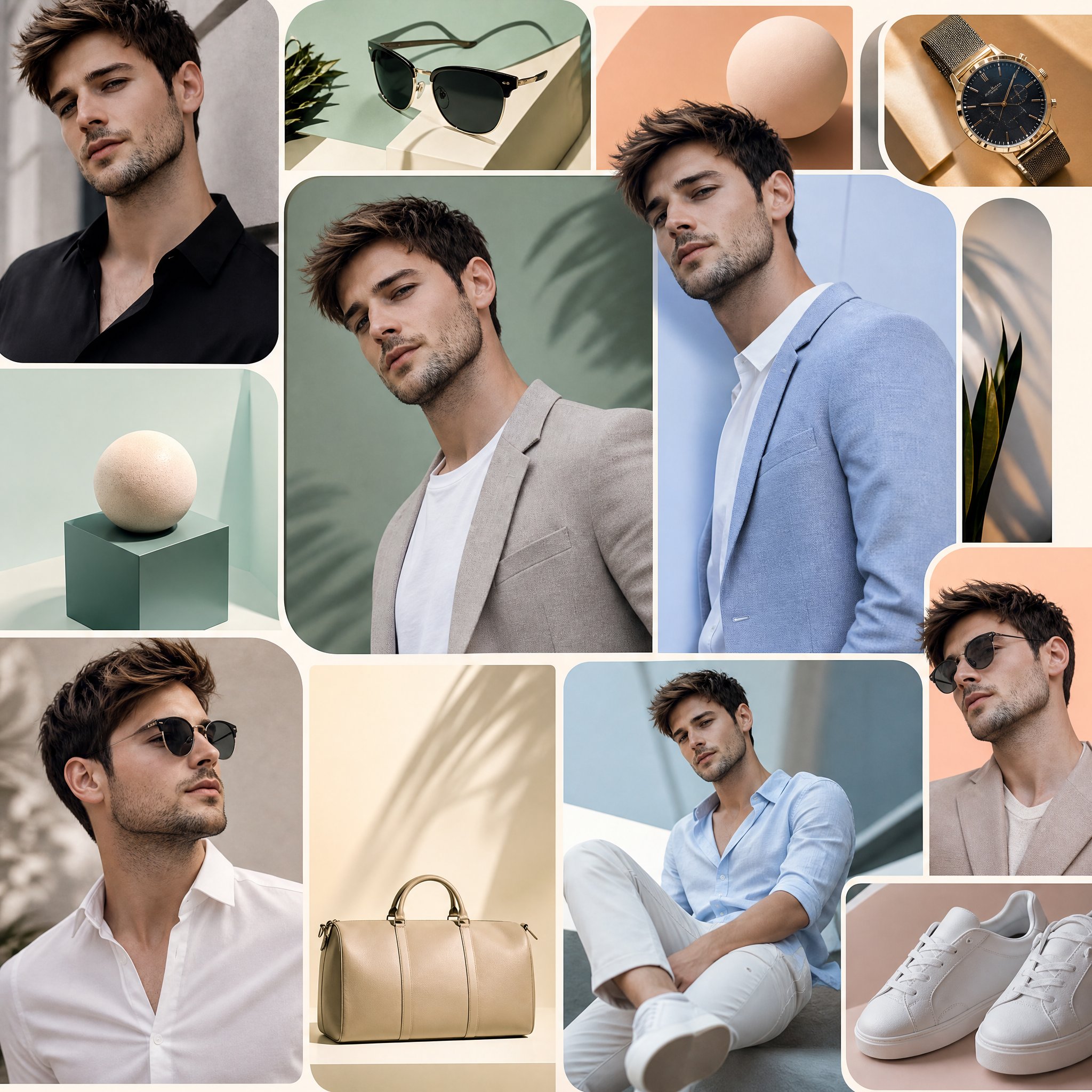
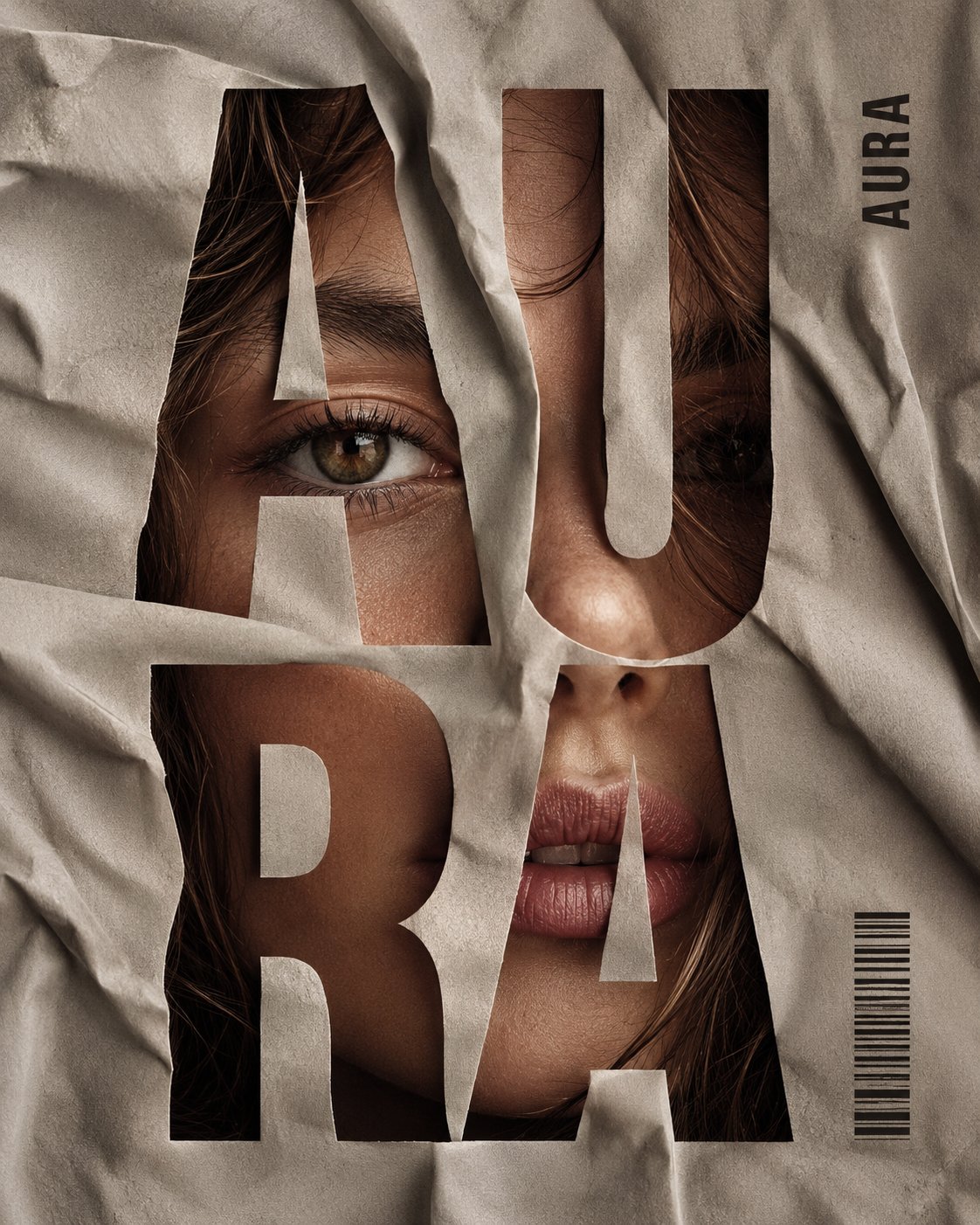
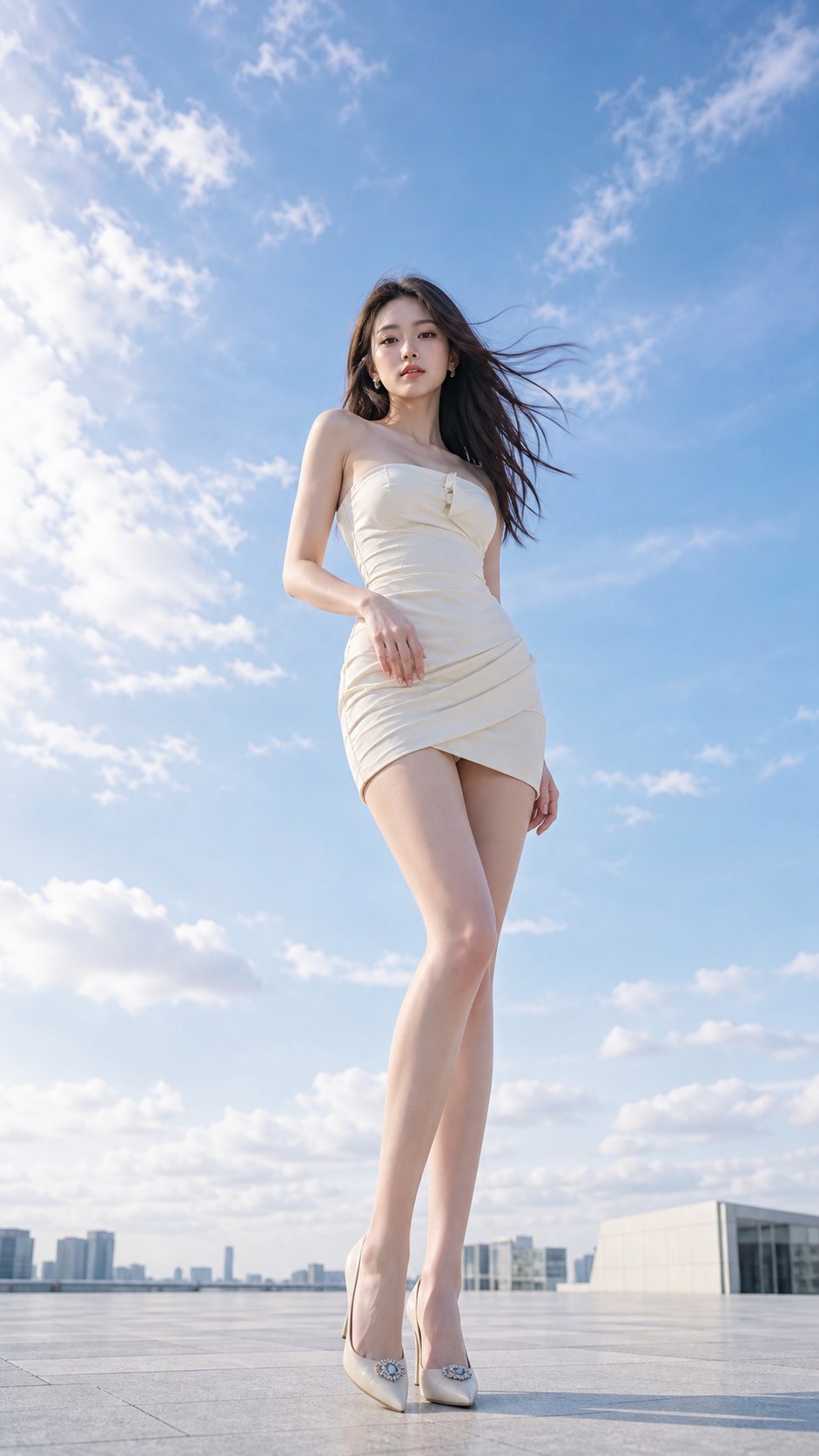
- 把它当作 角色设计 的基准案例最合适,先看成片方向,再决定自己的 Prompt 要往哪边改。
- 如果你的目标也落在 时尚、海报、角色 这些方向,这条案例特别适合先看图判断风格,再回头微调描述。
- 做 Prompt 对比时,也很适合作为控制组,只改一个变量去看结果变化。
画面重点与风格信号
- 这条案例最明显的风格信号集中在 时尚、海报、角色,所以第一次改写时最好先保留这些关键词。
- 重点可以先看轮廓、服饰语言、情绪气质,以及角色是否一眼就能立住。
- 当前保留了 2 份媒体输出,适合顺手观察同一方向在多张结果里的稳定性。
Prompt 结构可以怎么理解
- 这条 Prompt 整体属于一条比较长、约束条件很多的 Prompt,很适合拿来判断这类方向到底需要写到多细。
- 关键词簇主要围绕 时尚、海报、角色 展开,所以复用时可以先保留这组风格词,再替换主体、镜头、环境或文案信息。
- 最稳的改写方式通常是先保留结果方向和最强风格信号,只替换主体设定与场景块。
如果你是带着问题来的,可以先看这些角度
- 如果保留 时尚、海报、角色,只换主体题材,结果最先变化的会是哪一部分?
- 这条结果里,哪些特征更像是 角色设计 的结构特征,哪些又是标签风格本身带来的?
- 同分类的相关案例里,哪几条能给你更克制或更极致的相邻变体?
完整 Prompt
Generate a vertical editorial advertising-style visual poster based on specific theme content, first splitting the theme into two visible fields. The upper part is a lighter, emptier, lower-saturation conceptual air field, carrying the title, lightweight symbols, a sense of the year markers, and reading breath; the lower part is a more saturated, more supportive physical experience field, carrying the main subject, materials, short sentences, and emotional temperature. Maintain a clear hard-cut boundary or an approximate hard-cut color plane transition between the two fields; the boundary line is like a layout structure rather than natural scenery, without using complex scenes to explain the theme. The core object is located on the central axis, slightly lower, and spans the boundary, with the top or outer edge entering the conceptual field and the main mass sinking into the experience field; the edges integrate transparency, reflective relationships, same-color layering, contour compression, and highlight refraction, slightly merging with the two background fields, making the object like a bridge connecting two semantics rather than material pasted on a background color. The highest detail density is only concentrated inside the core object, expressing its material, texture, refraction, particles, internal layers, and touchable realism; the background, icons, and text remain flat, clean, and low-noise. The colors adopt a hierarchical relationship of large-area structural colors, sharp dark text, white or high-brightness highlights, and small-area theme trigger colors; when the theme changes, change the hue and temperature, but maintain the proportion of light upper field, heavy lower field, dark text, bright subject, and small but accurate trigger colors. Let the main title become a graphic structure in the upper half of the image, using strong scale differences, restrained black, and a tough font skeleton, and set a glyph event with more curved tension or high contrast to participate in overlay and rhythm, making the text like a visible trajectory of smell, speed, or emotion. Auxiliary text is compressed into edge annotations, short sentences below the subject, and low-contrast miniature metadata at the bottom; the bottom can form a very shallow information band, ending quietly like a publication footer. Arrange a hollow single-line symbol derived from the thematic semantics in the conceptual field, with simple lines, low density, and serving only as sensory or conceptual evidence. The overall design retains wide white space and asymmetrical balance, with a stable central subject, edge text forming slight pressure, and the bottom information band closing the layout; the first visual glance sees the hard-cut dual fields, the cross-field subject, huge black characters, low-volume symbols, and clean modern graphic order. —————— Theme for this session: Lu Xun's book "Call to Arms" recommendation poster Ratio 16:9 landscape