Case Media
Case Notes
This page keeps the media, full prompt, and original source together so you can inspect the result first and decide whether the prompt is worth copying, saving, or comparing.
Case Insights
To make this page easier to search, cite, and reuse later, the case is also broken down into practical guidance about usage, visual cues, and prompt structure.
Best Fit Scenarios
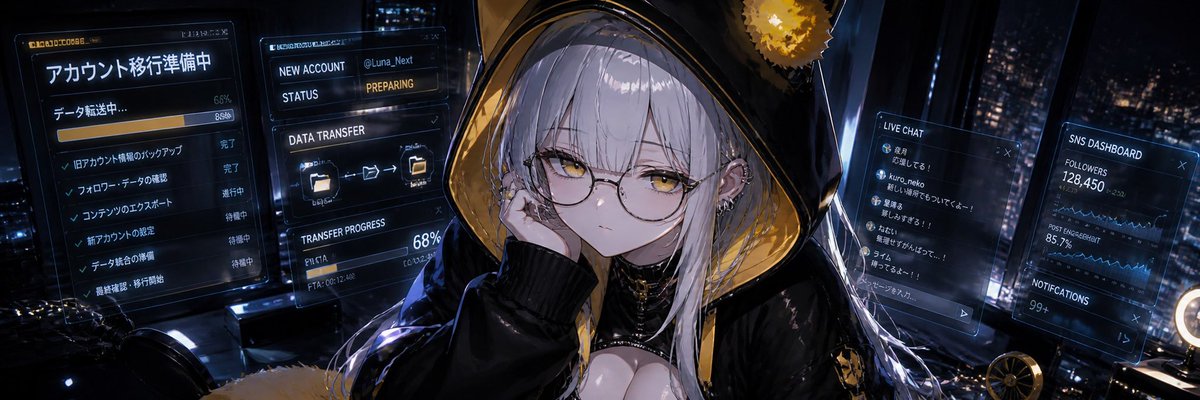
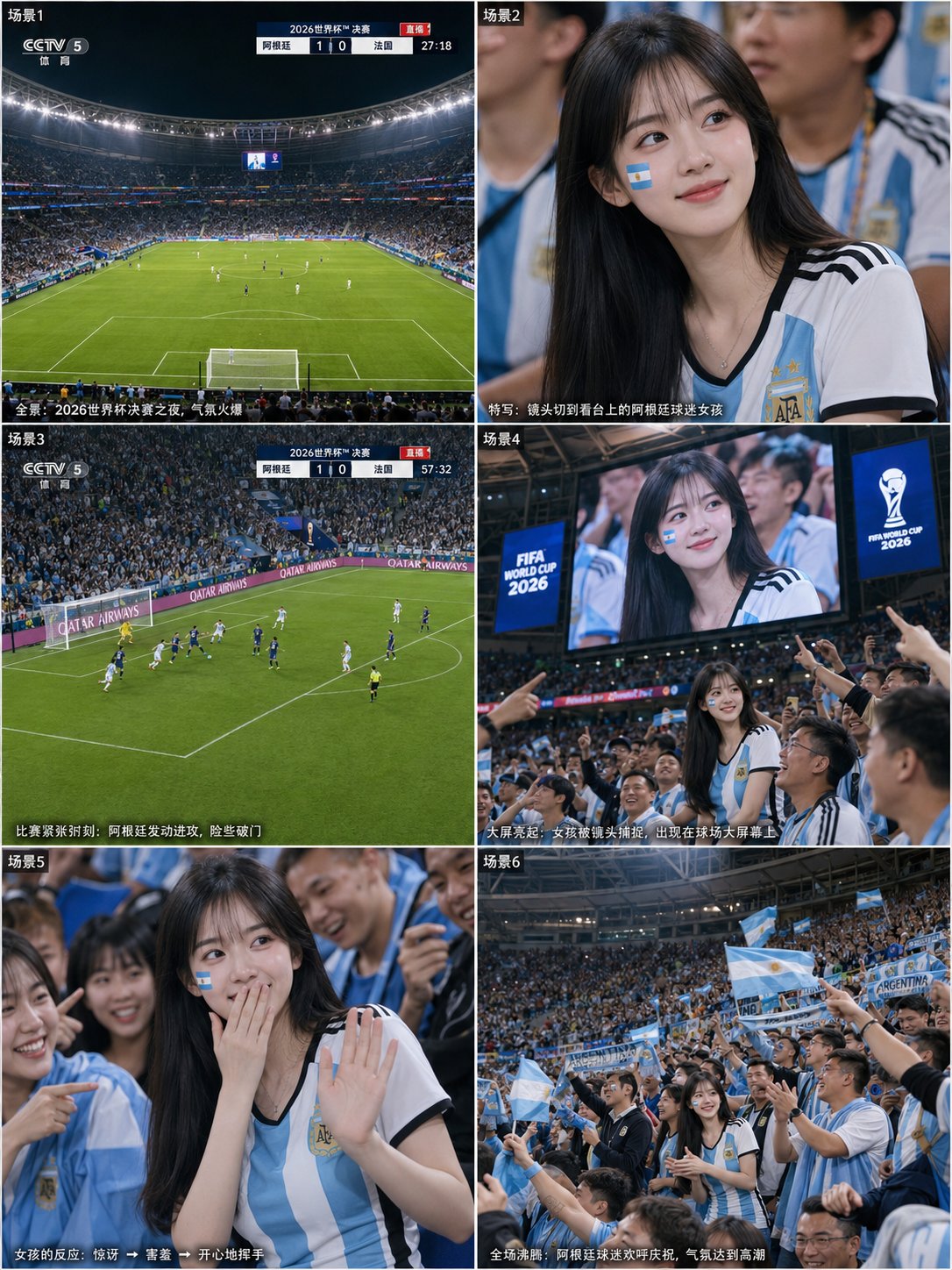
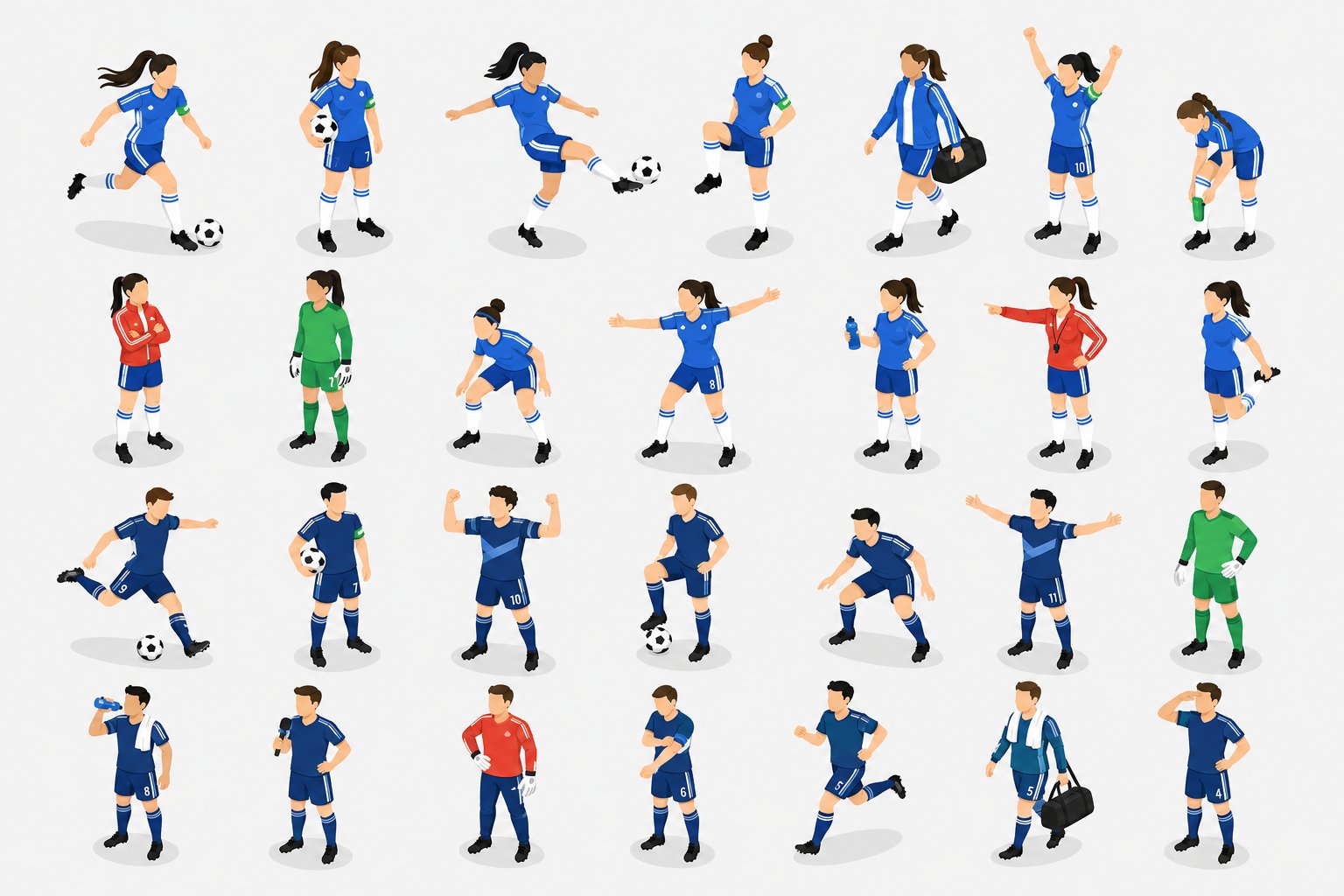
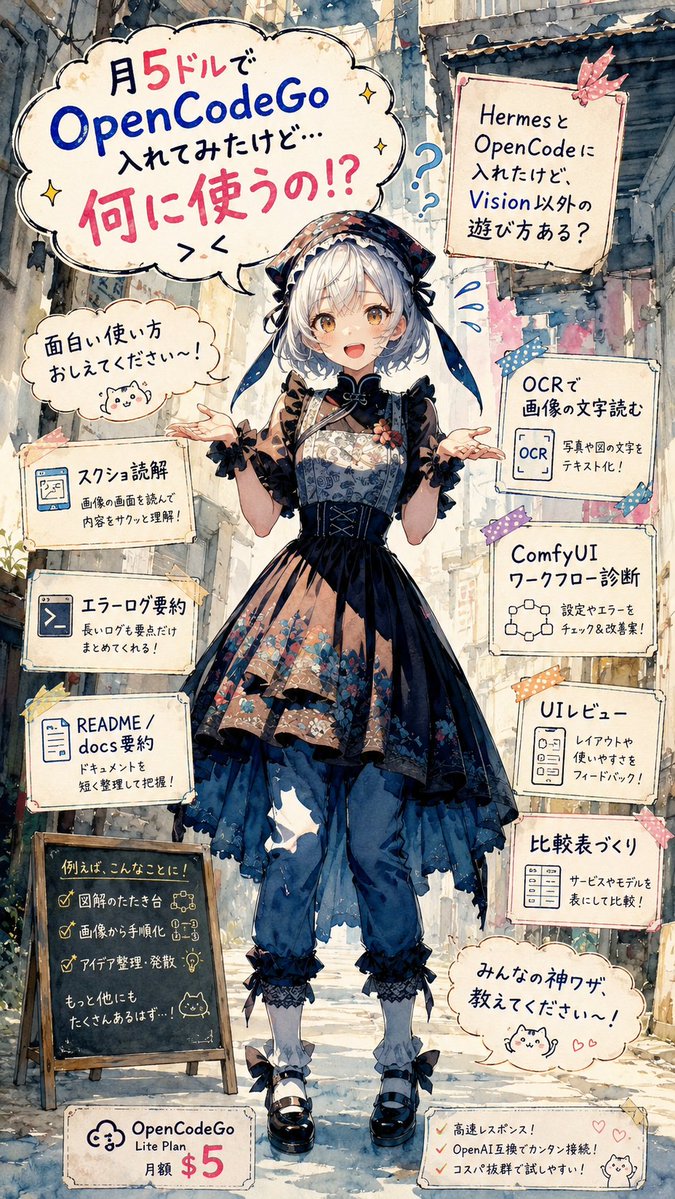
- Use this as a ui & social screens benchmark when you need a fast style baseline before rewriting your own prompt.
- It is especially helpful if your target overlaps with Poster, Illustration, UI and you want to judge the image result before tuning wording.
- Keep it as a control sample when you compare nearby prompt variants one variable at a time.
Visual Signals To Notice
- The clearest style signals here are Poster, Illustration, UI, so those should usually stay in your first rewrite.
- The important layer is usually interface density, card hierarchy, and how the screen tells the story before you read small text.
- This case keeps 2 media outputs, which makes it easier to check whether the style remains stable across multiple results.
How The Prompt Is Structured
- The prompt reads as a long, highly specified prompt, which is useful when you want to judge how much specificity this direction needs.
- Its keyword cluster is centered on Poster, Illustration, UI, so you can usually keep that cluster while swapping subject, camera, layout, or copy details.
- A practical rewrite path is: keep the outcome, keep the strongest style cues, then replace only the subject and environment blocks.
Good Follow-up Questions
- What changes first if you keep Poster, Illustration, UI but switch the subject matter?
- Which part of the result comes from section-level structure (UI & Social Screens) versus tag-level style cues?
- Which related cases in the same section give you a cleaner or more extreme variation of the same direction?
Full Prompt
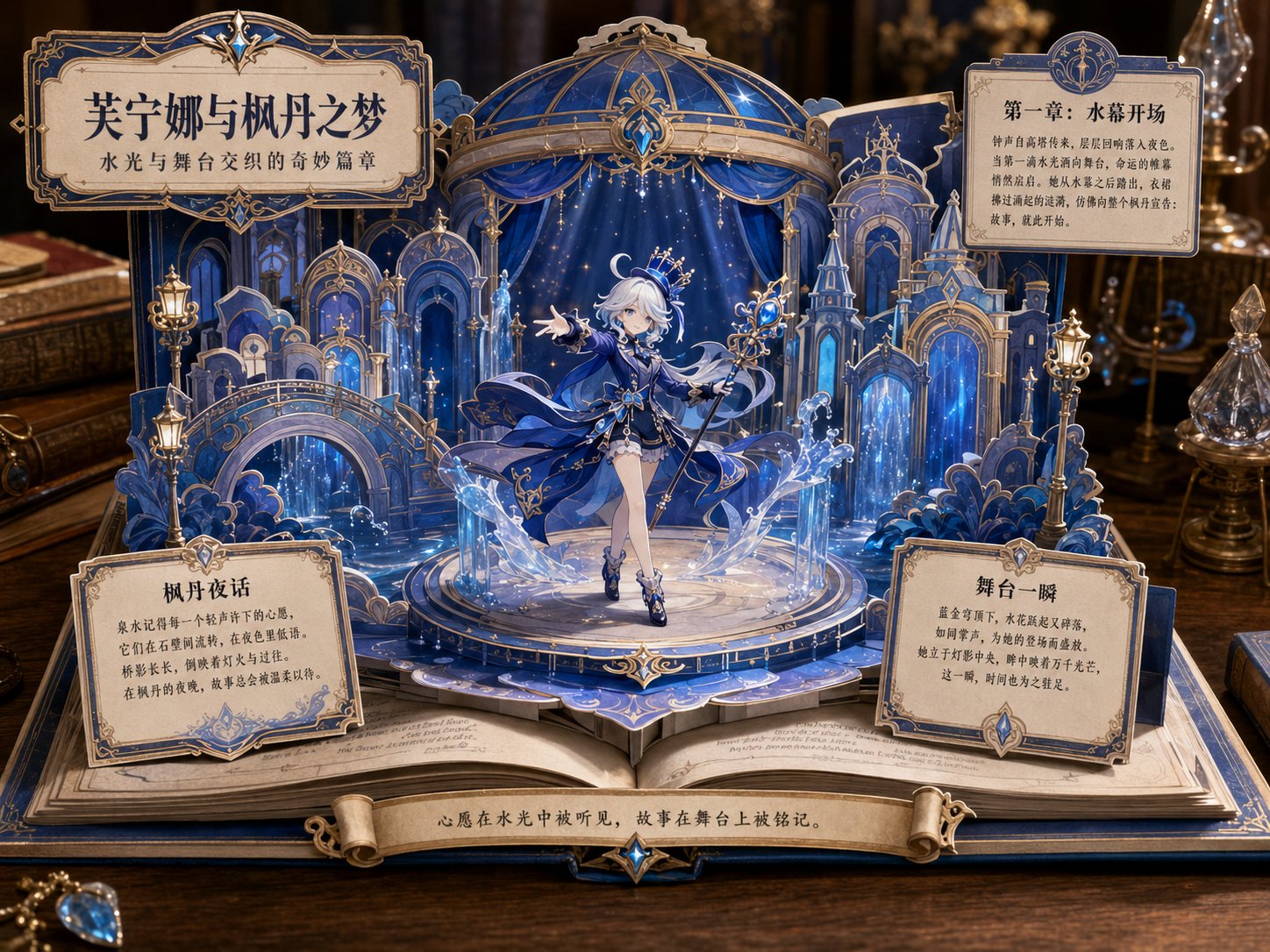
Generate a high-fidelity, 4:3 horizontal 'Dreamland Pop-up Book Theater Poster'. [Core Concept] This is not a simple illustration, but a high-end still-life photograph of a physical pop-up book installation. The scene should look like an intricately crafted paper art piece placed on a desktop, consisting of real paper sculptures, cardboard cutouts, layered mechanical devices, and a miniature stage. Emphasize the 'physical existence' and 'macro photography' feel rather than a 2D digital painting style. [Visual & Texture Requirements] - Strong realistic photography quality: visible paper textures, cardboard thickness, clean cut edges, fold lines, and vertical supports. - Desktop environment: shallow depth of field (bokeh), soft natural lighting, realistic shadows, and localized highlights. - Feel: A mix of high-end miniature set photography and paper installation art. [Composition & Layers] 1. Bottom Layer: An opened vintage storybook with visible page thickness and printed textures serving as the stage floor. 2. Middle Layer: Multi-layered pop-up paper sculptures forming a complete theatrical space (arches, domes, bridges, fountains, urban structures). 3. Protagonist Layer: The main character is positioned in the center-front, integrated naturally into the scene with dynamic poses (e.g., stepping out, summoning elements) rather than a static pose. 4. Peripheral Layer: Subtle atmospheric items on the desk like vintage lamps, keys, pocket watches, or flower petals to enhance the sense of scale. [Text & Typography] - All text must be in Chinese and integrated as part of the book's internal content. - Main title at the top, poetic subtitles, chapter titles, and story snippets on side cards. - The text must look like authentic narrative excerpts (e.g., world-building notes, character lore) rather than placeholder UI or advertising copy. [Lighting & Color] - Unified color palette based on a primary theme color with metallic accents for decoration. - Theatrical lighting: localized spotlights on the stage, warm ambient desktop light, and subtle glows on water or metallic edges to create a 'nighttime storybook coming to life' atmosphere. [Camera Perspective] - A slightly top-down, front-facing medium close-up shot that captures both the grand scale of the pop-up stage and the fine details of the text and paper textures. High definition, ultra-detailed, 8k resolution.