Case Media
Case Notes
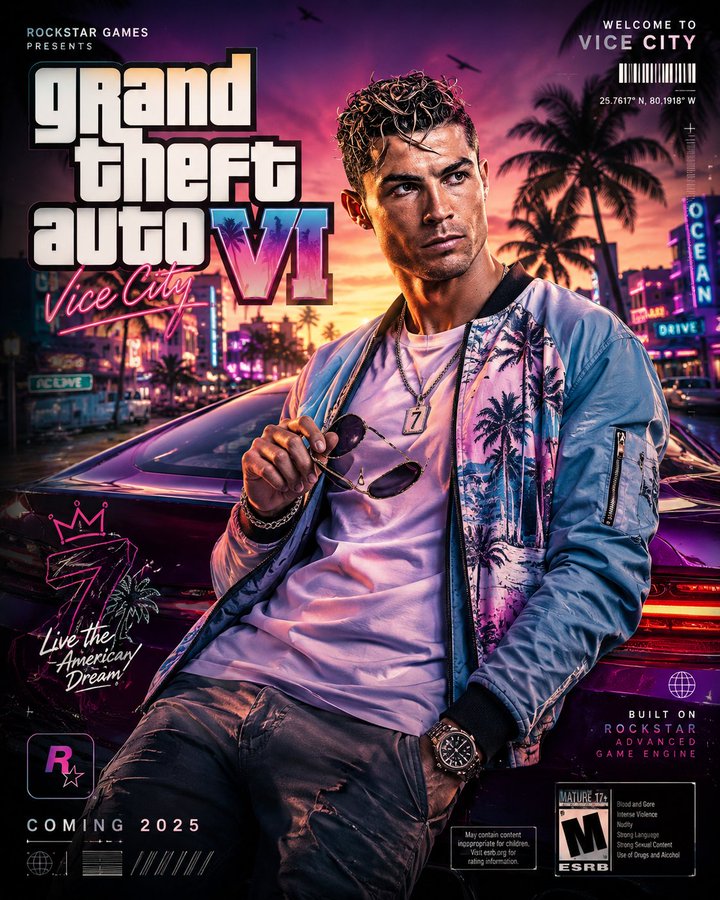
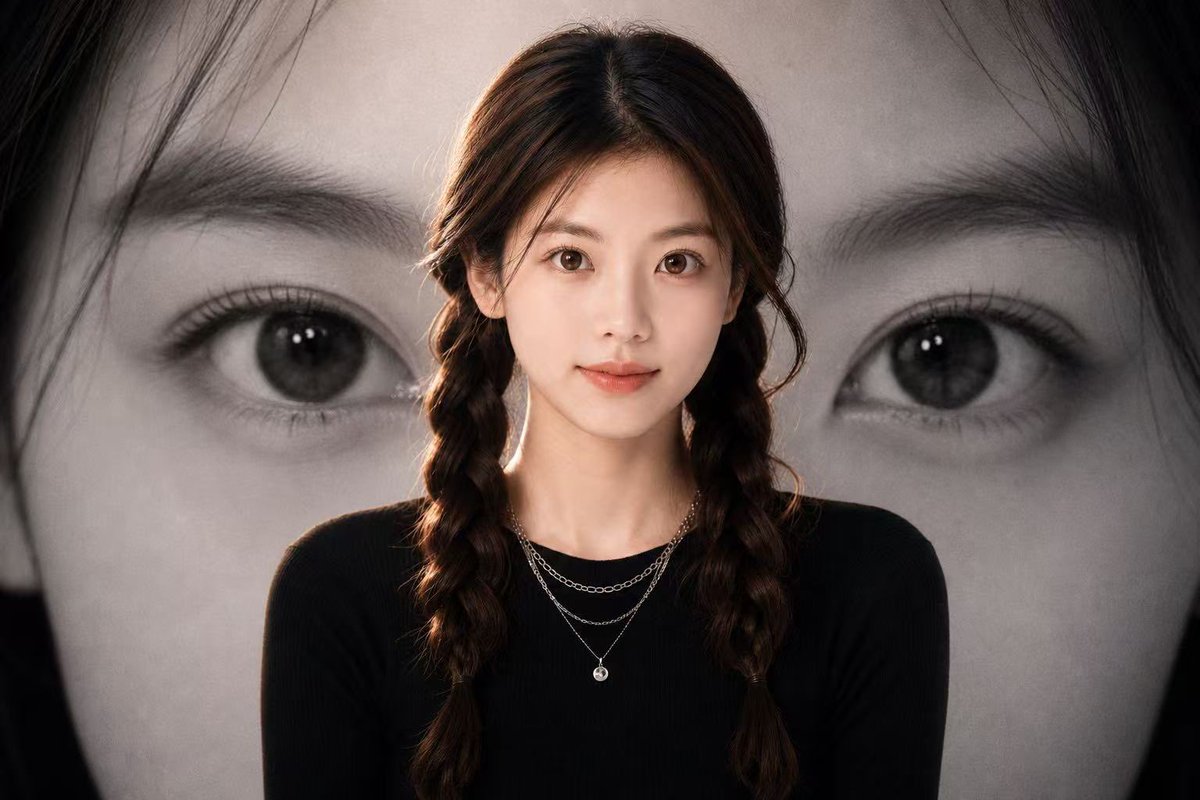
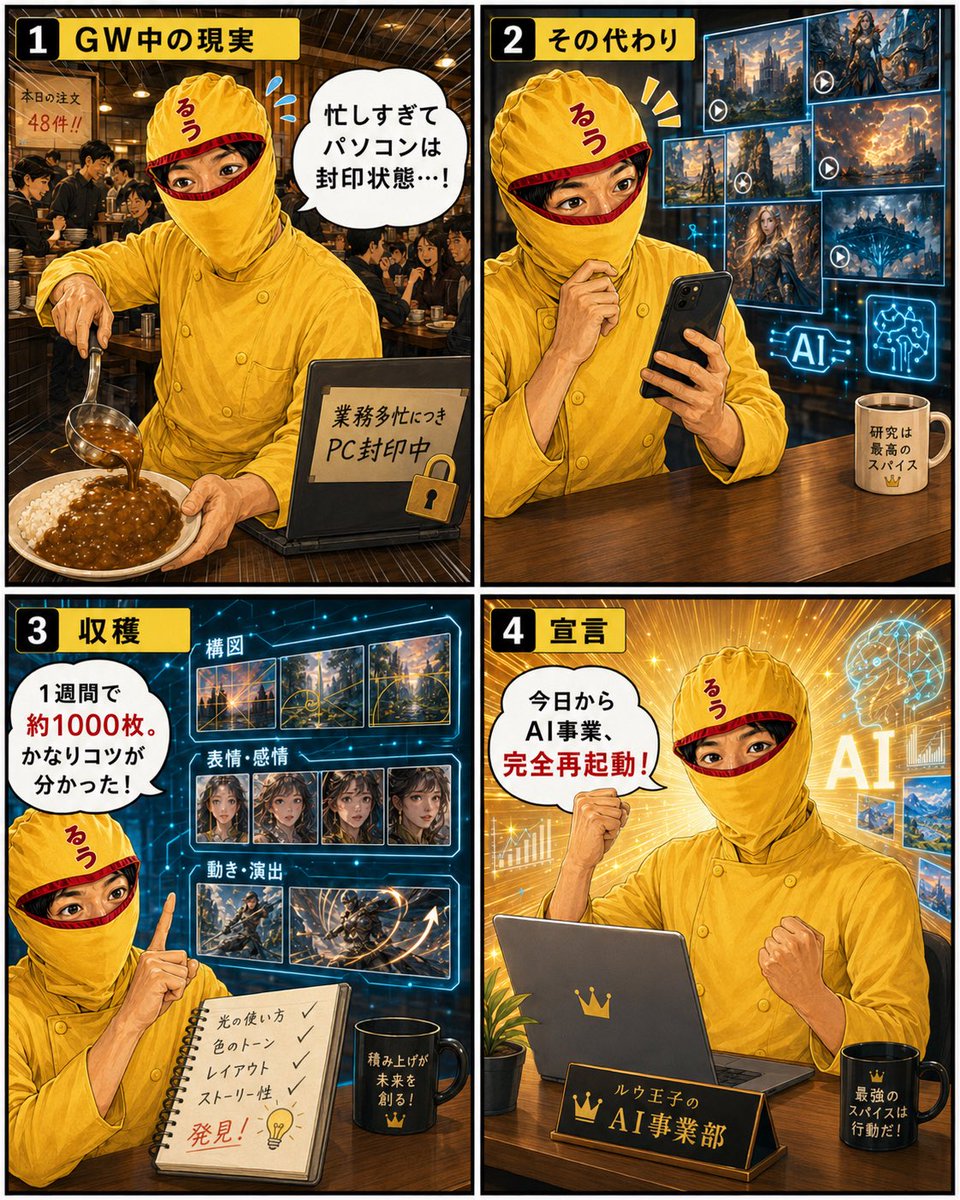
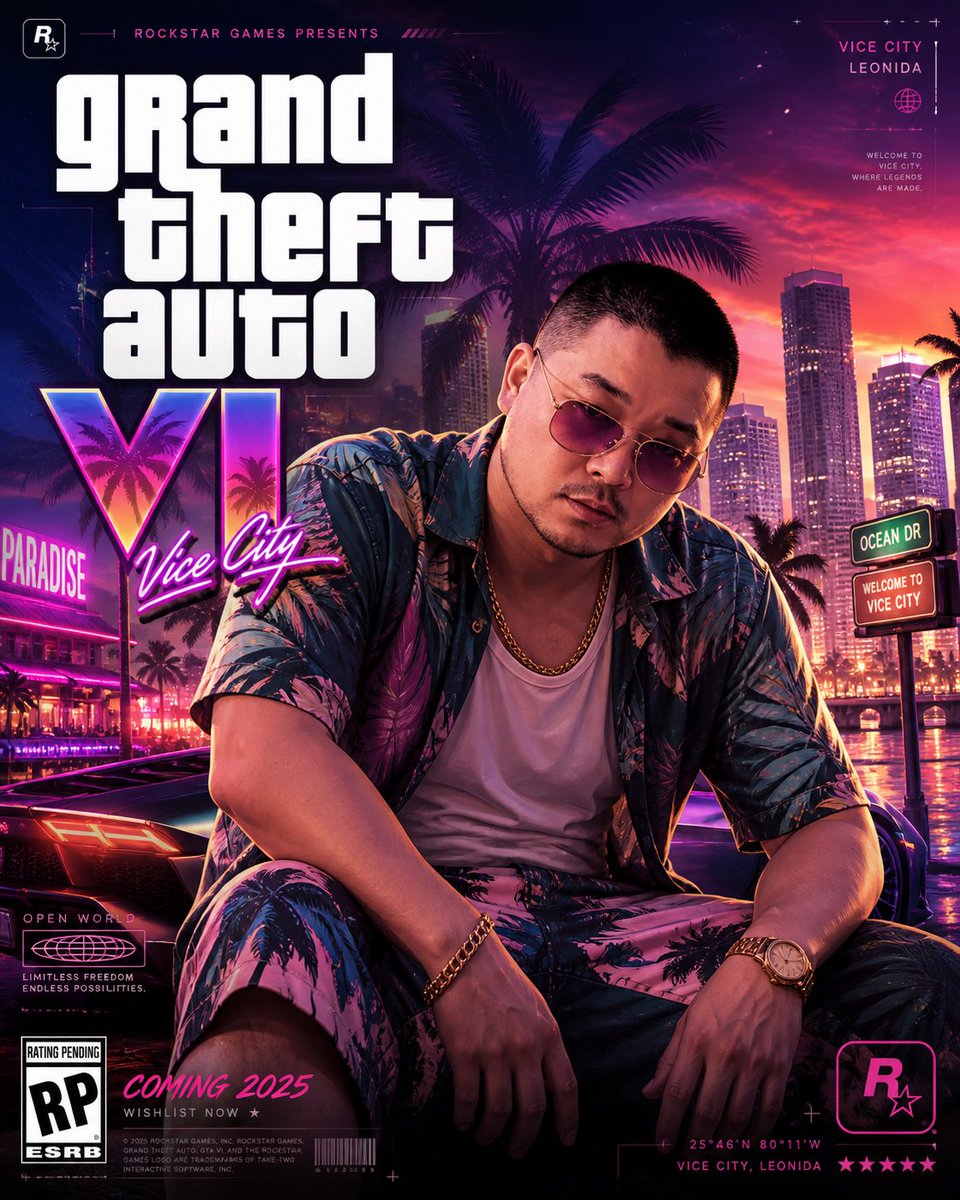
This page keeps the media, full prompt, and original source together so you can inspect the result first and decide whether the prompt is worth copying, saving, or comparing.
Case Insights
To make this page easier to search, cite, and reuse later, the case is also broken down into practical guidance about usage, visual cues, and prompt structure.
Best Fit Scenarios
- Use this as a ui & social screens benchmark when you need a fast style baseline before rewriting your own prompt.
- It is especially helpful if your target overlaps with Portrait, Cinematic, Fashion and you want to judge the image result before tuning wording.
- Keep it as a control sample when you compare nearby prompt variants one variable at a time.
Visual Signals To Notice
- The clearest style signals here are Portrait, Cinematic, Fashion, so those should usually stay in your first rewrite.
- The important layer is usually interface density, card hierarchy, and how the screen tells the story before you read small text.
- This case keeps 4 media outputs, which makes it easier to check whether the style remains stable across multiple results.
How The Prompt Is Structured
- The prompt reads as a long, highly specified prompt, which is useful when you want to judge how much specificity this direction needs.
- Its keyword cluster is centered on Portrait, Cinematic, Fashion, so you can usually keep that cluster while swapping subject, camera, layout, or copy details.
- A practical rewrite path is: keep the outcome, keep the strongest style cues, then replace only the subject and environment blocks.
Good Follow-up Questions
- What changes first if you keep Portrait, Cinematic, Fashion but switch the subject matter?
- Which part of the result comes from section-level structure (UI & Social Screens) versus tag-level style cues?
- Which related cases in the same section give you a cleaner or more extreme variation of the same direction?
Full Prompt
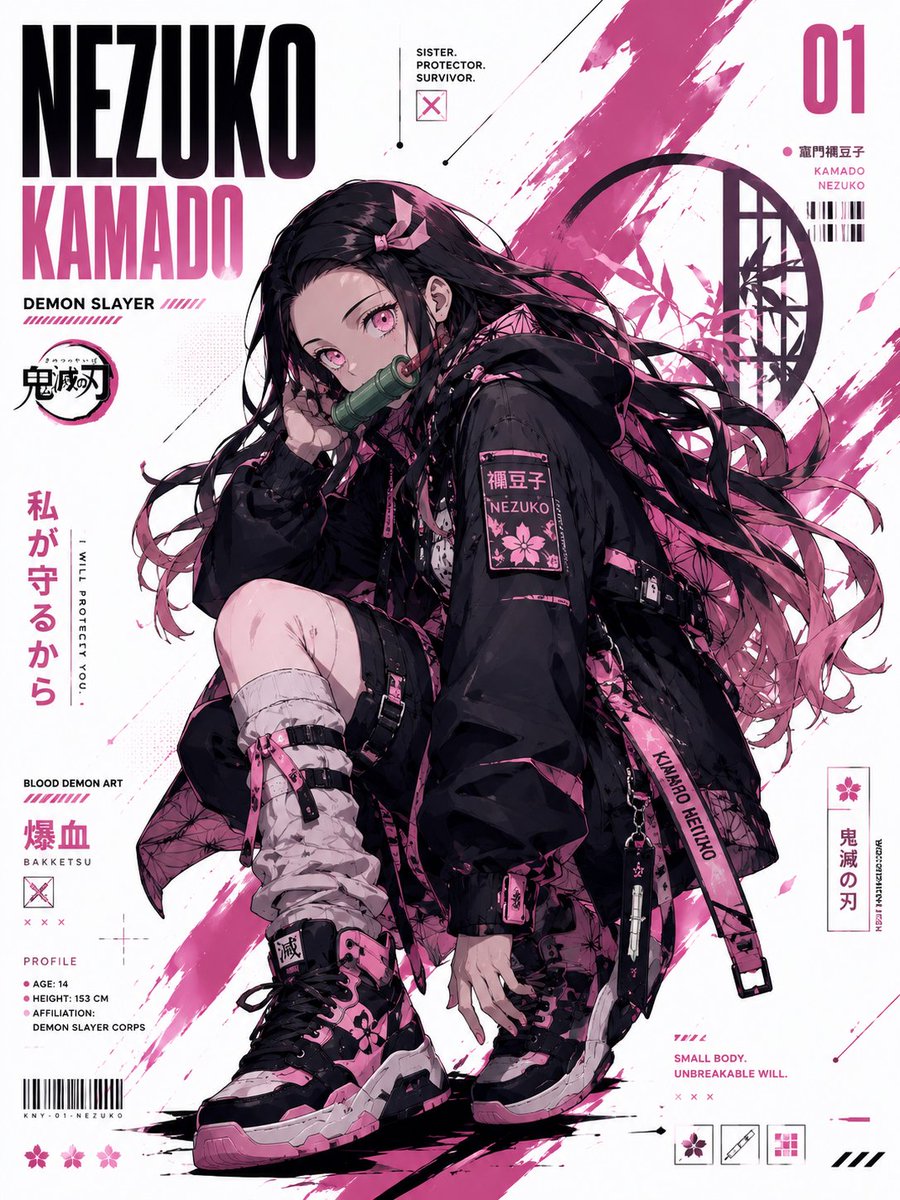
Create a visually striking anime-inspired poster of {argument name="character name" default="the subject"} from {argument name="franchise" default="their original series"}, redesigned through a fusion of modern streetwear, techwear fashion, and premium Japanese graphic design. The artwork should feel like a high-end fashion campaign mixed with an anime movie poster and futuristic editorial artwork. Study the character’s original personality and emotional energy carefully before generating the scene. Their body language, expression, styling, effects, and composition should all reflect who they truly are in canon. Reimagine the original costume into a stylish streetwear / techwear outfit while keeping recognizable identity details from the source material. Use layered jackets, tactical straps, oversized silhouettes, futuristic sneakers, utility accessories, cyber-fashion details, and subtle references to their powers or world. Pose design should match the character archetype. Expression must feel emotionally authentic and cinematic — sharp anime eyes, subtle emotion, believable attitude, premium character presence. Visual style: Anime × streetwear × cyber graphic design, Clean lineart, Semi-flat shading with selective high-detail rendering, Sharp contrast, Minimal but impactful composition, Modern Japanese poster aesthetic, Fashion-editorial energy, Highly polished anime illustration. Composition: Vertical 3:4 format, Off-center character placement, Strong diagonal composition flow, Layered depth and dynamic framing, Large intentional negative space, Stylish typography integration, Asymmetrical modern layout. Colors: Clean white or soft neutral background, Use the character’s signature canon color as the main accent, Add one complementary secondary accent, Minimal color palette, Bold contrast with controlled saturation, Accent colors integrated into lighting, effects, and graphic elements. Background design: Abstract geometric layouts, Japanese typography, Minimal UI / cyber-tech graphics, Ink strokes, paint splashes, energy marks, Subtle world-building references, Premium poster balance without clutter. Effects: Energy trails, Motion strokes, Glow accents, Atmospheric particles, Paint textures, Effects should visually match the character’s power system and emotional tone. Lighting: Sharp cinematic lighting, Clean hard shadows, Controlled rim light, Soft colored glow from the signature accent color, Premium editorial contrast. Rendering: Ultra-detailed anime illustration, Clean vector-like finish, 4K poster quality, Highly polished key visual, Stylish