Case Media
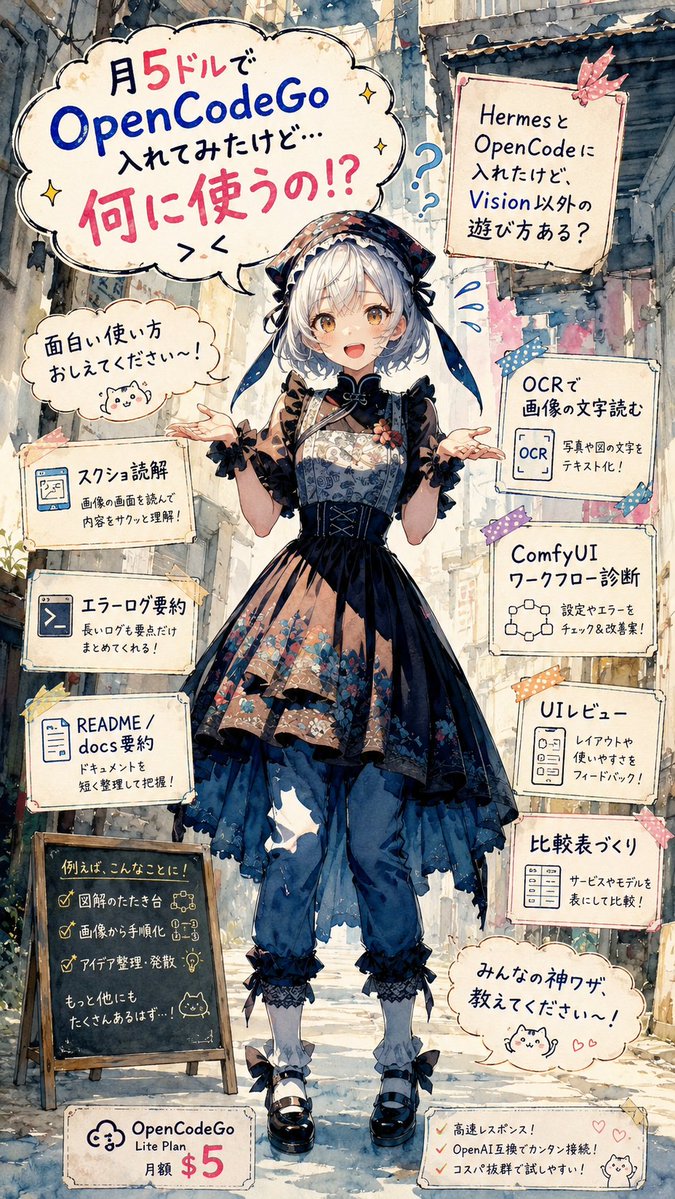
Case Notes
This page keeps the media, full prompt, and original source together so you can inspect the result first and decide whether the prompt is worth copying, saving, or comparing.
Case Insights
To make this page easier to search, cite, and reuse later, the case is also broken down into practical guidance about usage, visual cues, and prompt structure.
Best Fit Scenarios
- Use this as a ui & social screens benchmark when you need a fast style baseline before rewriting your own prompt.
- It is especially helpful if your target overlaps with Poster, Illustration, UI and you want to judge the image result before tuning wording.
- Keep it as a control sample when you compare nearby prompt variants one variable at a time.
Visual Signals To Notice
- The clearest style signals here are Poster, Illustration, UI, so those should usually stay in your first rewrite.
- The important layer is usually interface density, card hierarchy, and how the screen tells the story before you read small text.
- This case keeps one primary output, so the first image should be treated as the main visual reference.
How The Prompt Is Structured
- The prompt reads as a long, highly specified prompt, which is useful when you want to judge how much specificity this direction needs.
- Its keyword cluster is centered on Poster, Illustration, UI, so you can usually keep that cluster while swapping subject, camera, layout, or copy details.
- A practical rewrite path is: keep the outcome, keep the strongest style cues, then replace only the subject and environment blocks.
Good Follow-up Questions
- What changes first if you keep Poster, Illustration, UI but switch the subject matter?
- Which part of the result comes from section-level structure (UI & Social Screens) versus tag-level style cues?
- Which related cases in the same section give you a cleaner or more extreme variation of the same direction?
Full Prompt
{"type":"vertical anime watercolor infographic poster","aspect_ratio":"9:16","style":"highly detailed Japanese anime illustration, soft watercolor and ink line art, paper texture, pastel but high-contrast colors, hand-drawn typography, whimsical tutorial flyer aesthetic","main_subject":{"description":"A full-body anime girl standing centered in a narrow old city alley, facing forward with both hands open in a questioning pose. Her face is intentionally covered by a plain beige square censor block.","outfit":"dark gothic lolita and wa-lolita inspired layered dress with navy and black tones, floral patterned bodice and skirt panels, lace trim, corset lacing, sheer brown sleeves, oversized bonnet or headscarf with ribbons, loose blue pants underneath, white socks, black Mary Jane shoes with bows","hair":"{argument name=\"hair color\" default=\"silver-white\"} short bob hair visible around the bonnet","mood":"curious, confused, playful, asking the viewer for ideas"},"setting":{"background":"sunlit narrow urban alley with old buildings, pipes, balconies, weathered walls, plants near the ground, soft perspective depth","lighting":"bright daylight filtering through the alley, gentle shadows, painterly atmospheric depth"},"layout":{"composition":"single centered character surrounded by hand-drawn speech bubbles, taped note cards, small icons, doodles, and pricing labels","top_left_main_bubble":{"count":1,"text":"月5ドルで OpenCodeGo 入れてみたけど… 何に使うの!? > <","appearance":"large cloud-shaped speech bubble with blue and pink emphasis text, small sparkle doodles"},"left_side_elements":{"count":5,"items":[{"type":"small speech bubble","text":"面白い使い方 おしえてください〜!","icon":"small cute cat doodle"},{"type":"note card","title":"スクショ読解","body":"画像の画面を読んで 内容をサクッと理解!","icon":"browser or screenshot icon"},{"type":"note card","title":"エラーログ要約","body":"長いログを要点だけ まとめてくれる!","icon":"terminal icon"},{"type":"note card","title":"README / docs 要約","body":"ドキュメントを 短く整理して把握!","icon":"document icon"},{"type":"chalkboard sign","title":"例えば、こんなことに!","checklist_count":3,"checklist":["図解のたたき台","画像から手順化","アイデア整理・発散"],"footer":"もっと他にも たくさんあるはず…!"}]},"right_side_elements":{"count":6,"items":[{"type":"taped note card","text":"Hermesと OpenCodeに 入れたけど, Vision以外の 遊び方ある?","decor":"pink ribbon tape and blue question marks"},{"type":"note card","title":"OCRで 画像の文字読む","body":"写真や図の文字を テキスト化!","icon":"OCR document icon"},{"type":"note card","title":"ComfyUI ワークフロー診断","body":"設定やエラーを チェック&改善案!","icon":"node graph icon"},{"type":"note card","title":"UIレビュー","body":"レイアウトや 使いやすさを フィードバック!","icon":"UI panel icon"},{"type":"note card","title":"比較表づくり","body":"サービスやモデルを 表にして比較!","icon":"table icon"},{"type":"speech bubble","text":"みんなの神ワザ 教えてください〜!","icon":"cute cat doodle with small hearts"}]},"bottom_elements":{"count":2,"items":[{"type":"pricing tag","text":"OpenCodeGo Lite Plan 月額 $5","icon":"cloud logo"},{"type":"benefit memo","checklist_count":3,"checklist":["高速レスポンス!","OpenAI互換でカンタン接続!","コスパ抜群で試しやすい!"],"icon":"small cat doodle and hearts"}]}},"text_rendering":{"language":"Japanese","style":"handwritten marker lettering with mixed blue, black, and hot pink emphasis","headline_product":"{argument name=\"product name\" default=\"OpenCodeGo\"}","monthly_price":"{argument name=\"monthly price\" default=\"$5\"}","main_question":"{argument name=\"main question\" default=\"何に使うの!?\"}","call_to_action":"{argument name=\"call to action\" default=\"面白い使い方 おしえてください〜!\"}"},"quality_instructions":"Create a polished, readable, information-dense poster. Keep all visible note cards legible, preserve the exact counts of 1 main headline bubble, 5 left-side elements, 6 right-side elements, and 2 bottom elements. Use decorative tape, stars, question marks, hearts, and cat doodles to make the educational tech topic feel cute and approachable."}