Case Media
Case Notes
This page keeps the media, full prompt, and original source together so you can inspect the result first and decide whether the prompt is worth copying, saving, or comparing.
Case Insights
To make this page easier to search, cite, and reuse later, the case is also broken down into practical guidance about usage, visual cues, and prompt structure.
Best Fit Scenarios
- Use this as a ui & social screens benchmark when you need a fast style baseline before rewriting your own prompt.
- It is especially helpful if your target overlaps with Cinematic, Illustration, UI and you want to judge the image result before tuning wording.
- Keep it as a control sample when you compare nearby prompt variants one variable at a time.
Visual Signals To Notice
- The clearest style signals here are Cinematic, Illustration, UI, so those should usually stay in your first rewrite.
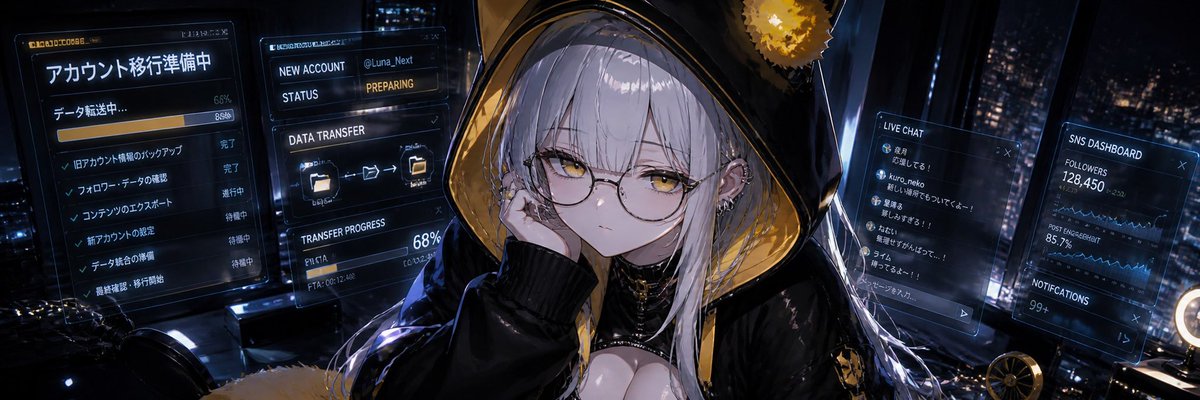
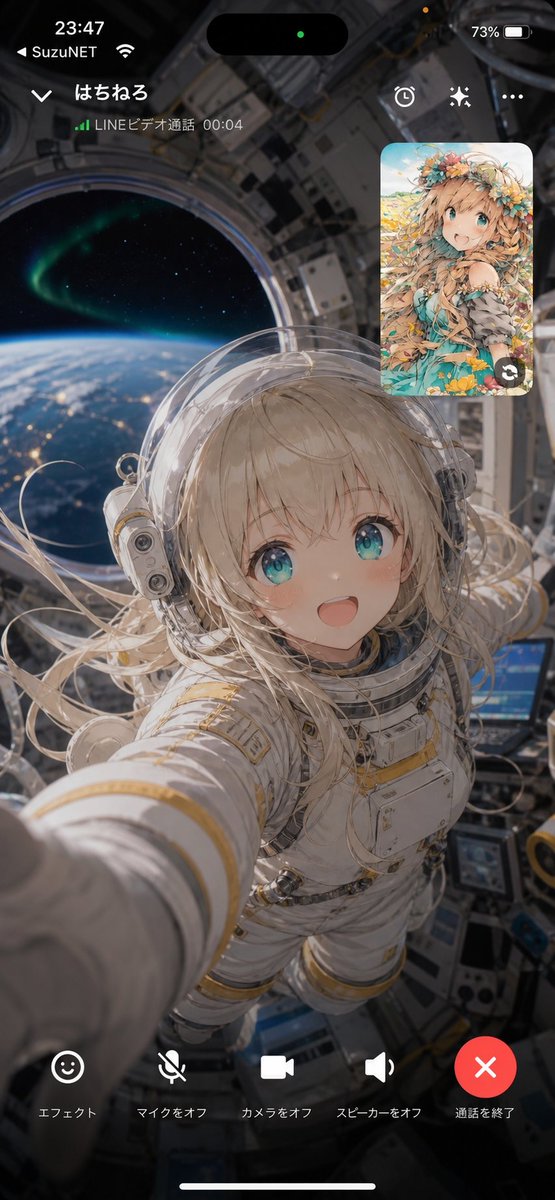
- The important layer is usually interface density, card hierarchy, and how the screen tells the story before you read small text.
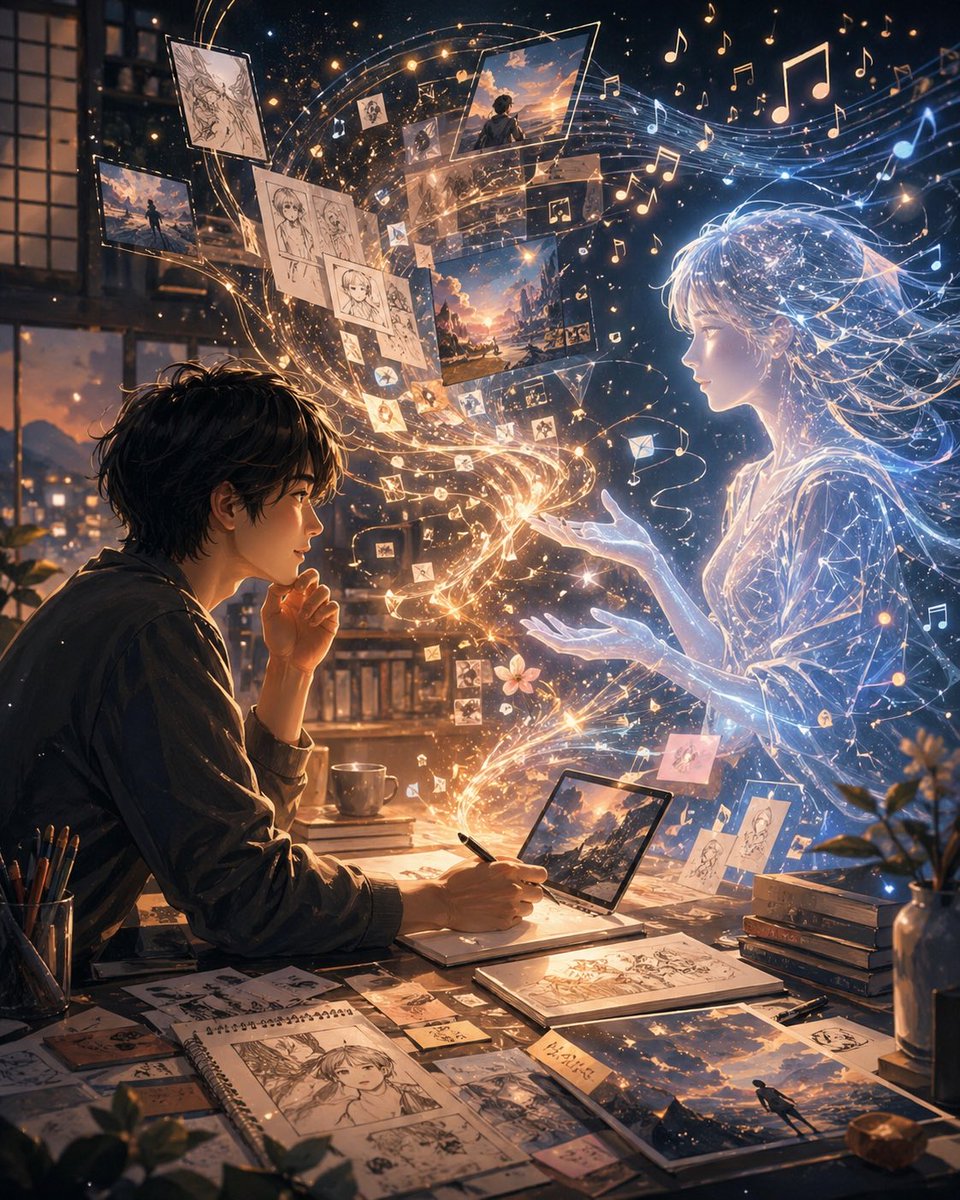
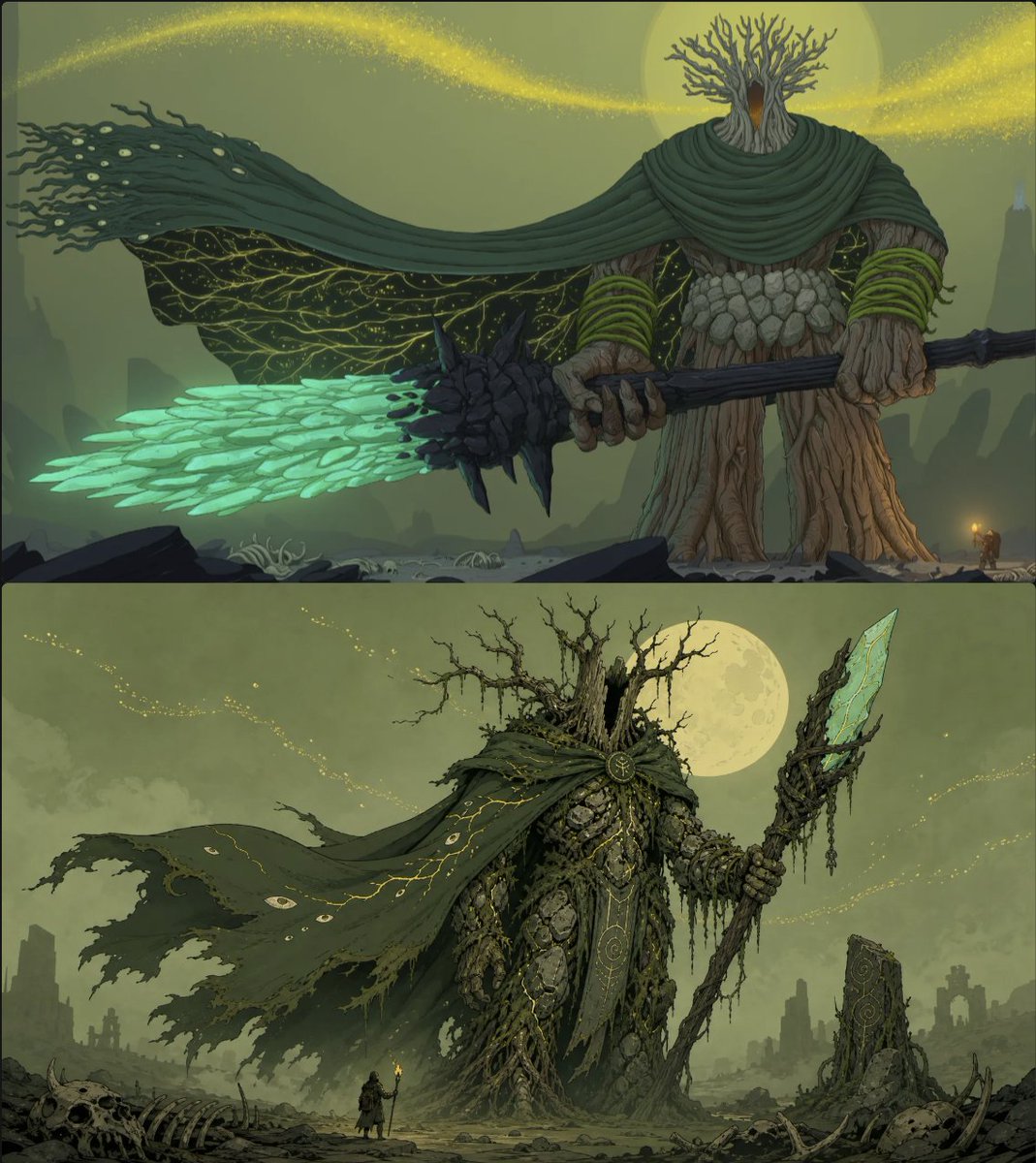
- This case keeps 2 media outputs, which makes it easier to check whether the style remains stable across multiple results.
How The Prompt Is Structured
- The prompt reads as a long, highly specified prompt, which is useful when you want to judge how much specificity this direction needs.
- Its keyword cluster is centered on Cinematic, Illustration, UI, so you can usually keep that cluster while swapping subject, camera, layout, or copy details.
- A practical rewrite path is: keep the outcome, keep the strongest style cues, then replace only the subject and environment blocks.
Good Follow-up Questions
- What changes first if you keep Cinematic, Illustration, UI but switch the subject matter?
- Which part of the result comes from section-level structure (UI & Social Screens) versus tag-level style cues?
- Which related cases in the same section give you a cleaner or more extreme variation of the same direction?
Full Prompt
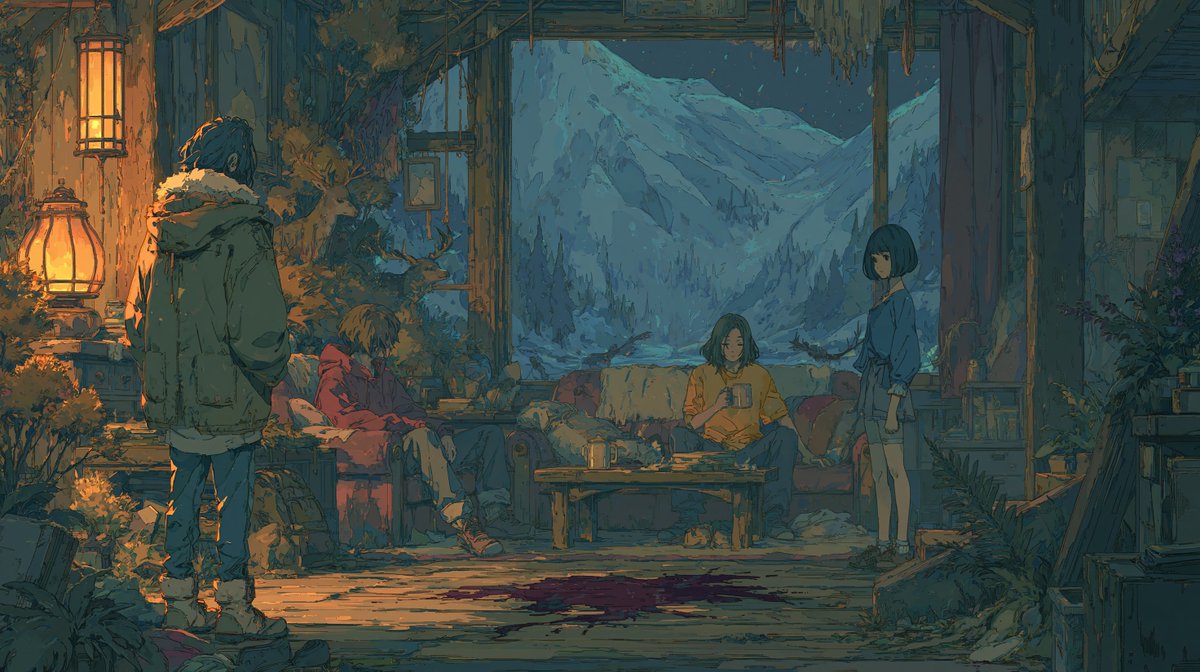
A cinematic single-panel anime illustration of a ruined mountain lodge interior at night, in a hand-painted concept-art style with dense ink linework, muted teal shadows and warm amber lamp light. Show {argument name="number of characters" default="four"} young travelers inside a weathered wooden cabin: one figure standing in the left foreground with their back turned, wearing an oversized winter parka with a fur-trimmed hood; one exhausted person slumped in a red armchair near the left-center; one seated person in an orange sweatshirt on the center sofa holding a mug, face partly obscured by shadow; and one quiet bob-haired girl standing on the right in a loose blue belted shirt-dress, socks, and shoes. The room is cluttered with old furniture, stacked crates, potted plants, blankets, cups, a low wooden coffee table, worn rugs, exposed beams, dangling wires, peeling walls, broken boards, and overgrown vines creeping through the structure. Place a large open wall or window at the back framing a cold blue view of {argument name="background landscape" default="snow-covered mountains under a starry night sky"}. Add two glowing paper lanterns on the left wall, casting orange light across the floor and characters while the rest of the cabin remains in cool blue-green darkness. Include a dark red bloodstain or ominous spill on the wooden floor in the foreground, creating a quiet mystery-thriller mood. Wide 16:9 composition, moody atmospheric perspective, intricate background details, painterly texture, dramatic contrast between warm interior light and icy mountain night, no text, no UI, no photorealism.