Case Media

Case Notes
This page keeps the media, full prompt, and original source together so you can inspect the result first and decide whether the prompt is worth copying, saving, or comparing.
Case Insights
To make this page easier to search, cite, and reuse later, the case is also broken down into practical guidance about usage, visual cues, and prompt structure.
Best Fit Scenarios
- Use this as a poster & illustration benchmark when you need a fast style baseline before rewriting your own prompt.
- It is especially helpful if your target overlaps with Poster, Illustration, Minimal and you want to judge the image result before tuning wording.
- Keep it as a control sample when you compare nearby prompt variants one variable at a time.
Visual Signals To Notice
- The clearest style signals here are Poster, Illustration, Minimal, so those should usually stay in your first rewrite.
- Pay close attention to layout rhythm, headline hierarchy, illustration texture, and how information is staged in the frame.
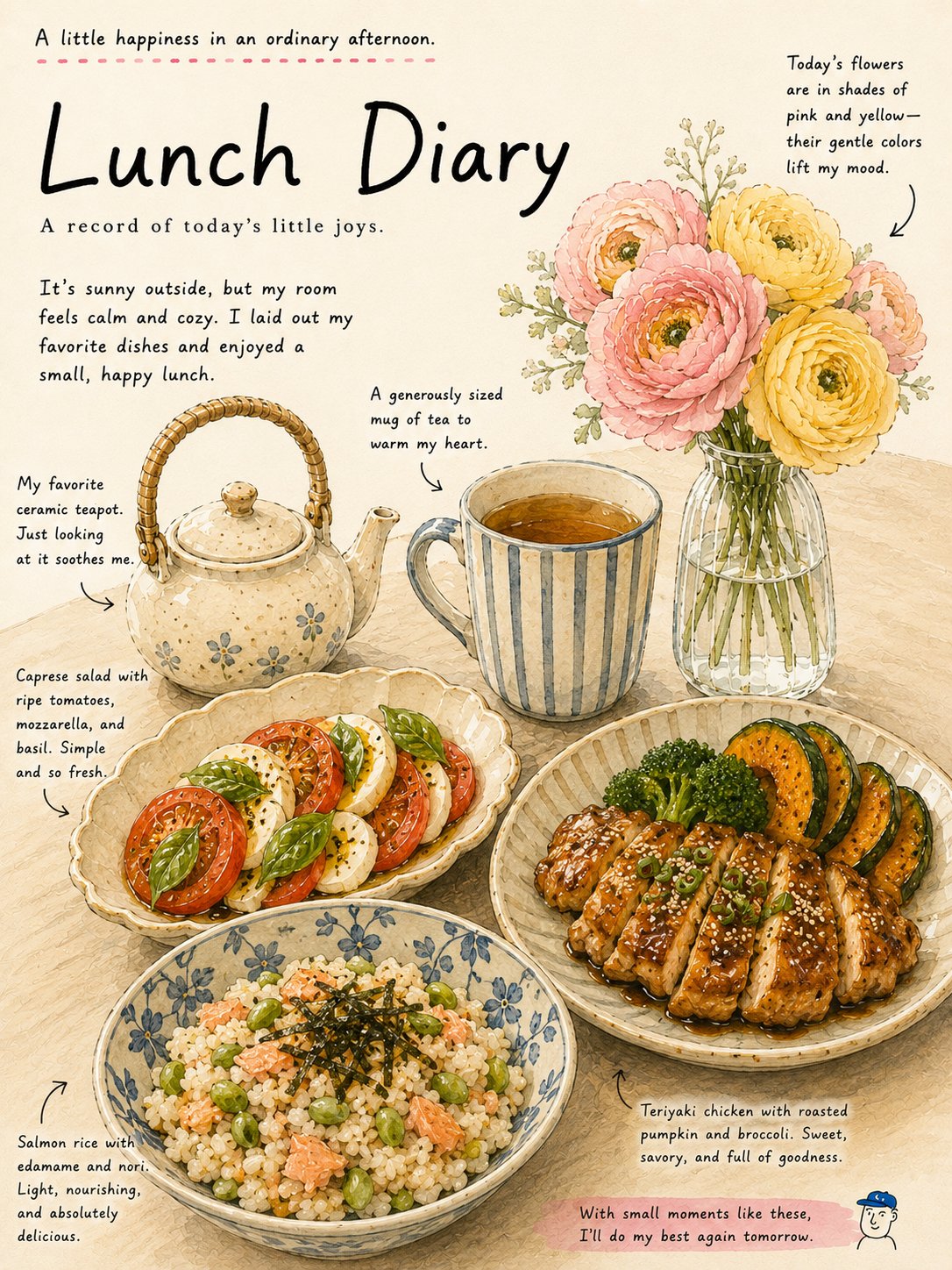
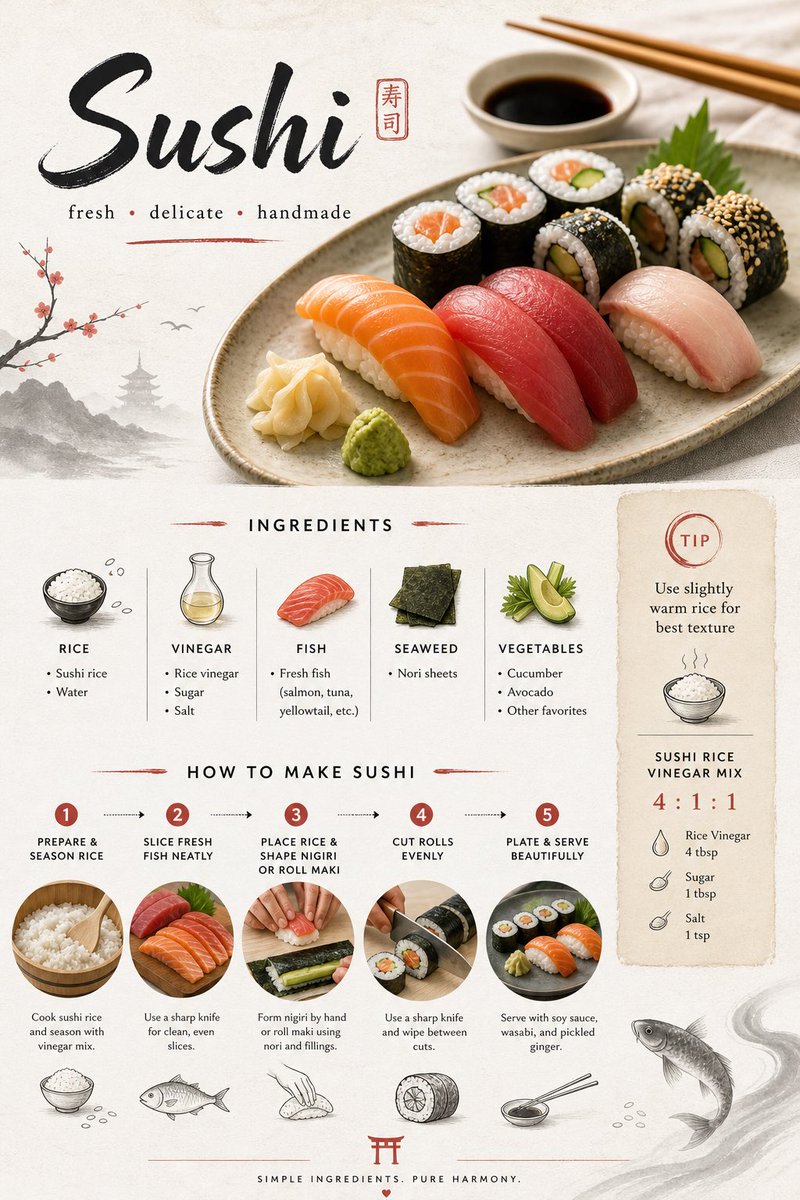
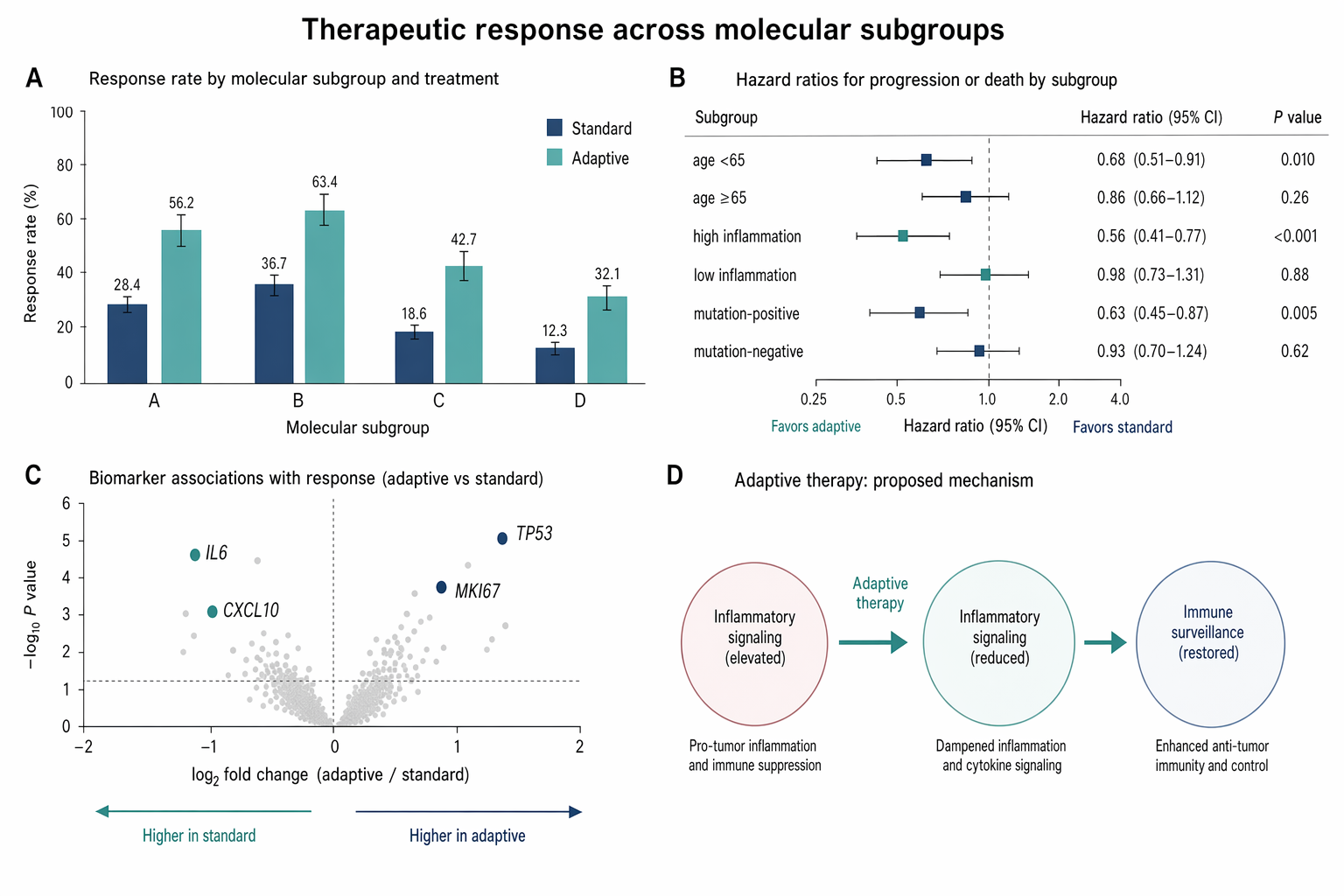
- This case keeps 2 media outputs, which makes it easier to check whether the style remains stable across multiple results.
How The Prompt Is Structured
- The prompt reads as a long, highly specified prompt, which is useful when you want to judge how much specificity this direction needs.
- Its keyword cluster is centered on Poster, Illustration, Minimal, so you can usually keep that cluster while swapping subject, camera, layout, or copy details.
- A practical rewrite path is: keep the outcome, keep the strongest style cues, then replace only the subject and environment blocks.
Good Follow-up Questions
- What changes first if you keep Poster, Illustration, Minimal but switch the subject matter?
- Which part of the result comes from section-level structure (Poster & Illustration) versus tag-level style cues?
- Which related cases in the same section give you a cleaner or more extreme variation of the same direction?
Full Prompt
Generate a vertical visual poster based on specific theme content, the overall appearance is like a paper-cut layered scene permeated by mist. Core content does not appear as complete realistic materials, but is first compressed into translucent light-colored silhouettes, a few recognizable outlines, clear negative shapes, and thin light-weight blocks, then embedded into a large-area low-noise light-colored background field. The image must have a near-blank dominant path running through the top and bottom; the path can come from the theme's own space, time, flow, or information relationships, being wide, soft-edged, with sufficient internal white space, and edges revealed by light-colored transparent overprinting, serving the function of a reading route and a spatial cut. The background is not a decorative base color but a paper surface, a mist field, and a memory container, actively swallowing the lower edges and distant ends of objects, letting the focal points gently emerge from the blank space. The composition maintains a long-scroll hierarchy: the information entry is left in sufficient blank space, main symbols are distributed along the sides and turns of the path, the background is lighter, and the foreground is slightly heavier; all objects are assigned clarity according to information importance, with titles and key edges being the clearest, while secondary layer scenes gradually merge into the mist white. Colors maintain high brightness, low saturation, and transparent overprinting, with a near-white base color as the largest area, structural colors organizing the path and distant/near space, emotional colors appearing only lightly at the edges of subjects, layer boundaries, and local blocks, and minimal emphasis colors used for titles, fine lines, badges, or information nodes. Object processing insists on outline priority and detail compression, with no stacked textures inside, using blank cuts, holes, edge transitions, and top lines to complete recognition; different theme elements must be like the same set of paper pieces being stacked, faded, and misted. When text exists, it is like an exquisite data column and marginalia system; the main title uses a high-contrast, slender, and open elegant typeface, small text is restrained with sufficient white space, and can be accompanied by extremely fine horizontal lines, small badges, and low-density explanations; text serves the layout order without covering the subject. The final surface maintains a clean light-print texture, with soft edges, light mist, transparent overprinting, low grain, and no heavy projections, making the image present a quiet, clear, and readable paper-fog layered scene. This theme: One Hundred Years of Solitude Night Reading Sharing Session Podcast Promotion Poster. Ratio: 16:9 landscape.