Case Media
Case Notes
This page keeps the media, full prompt, and original source together so you can inspect the result first and decide whether the prompt is worth copying, saving, or comparing.
Case Insights
To make this page easier to search, cite, and reuse later, the case is also broken down into practical guidance about usage, visual cues, and prompt structure.
Best Fit Scenarios
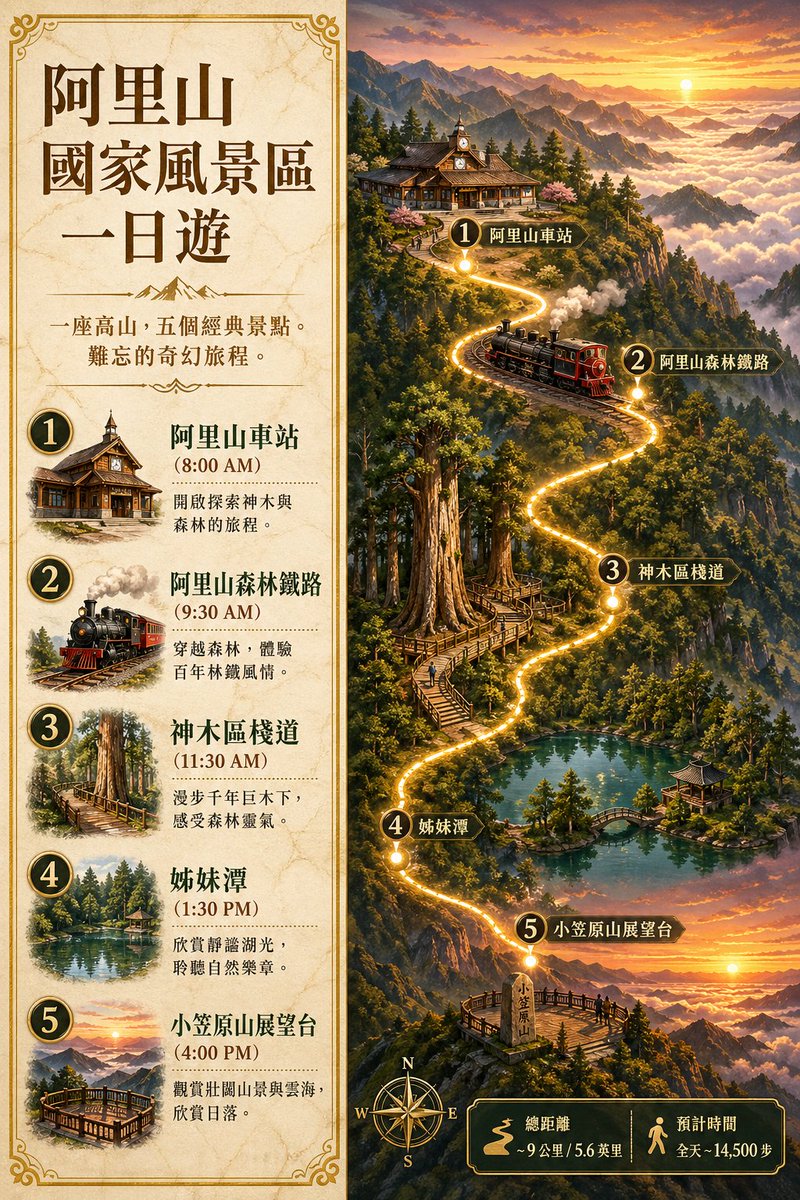
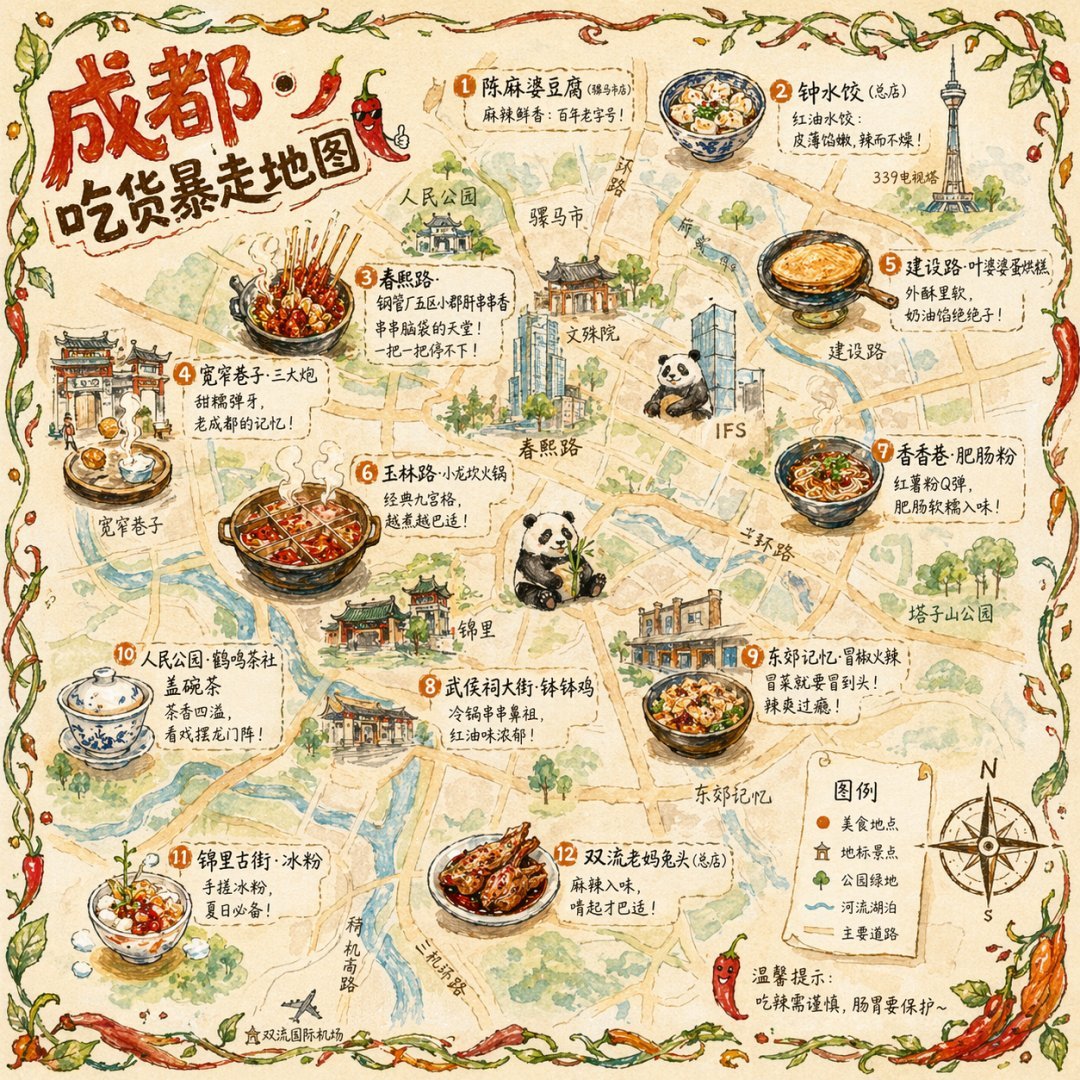
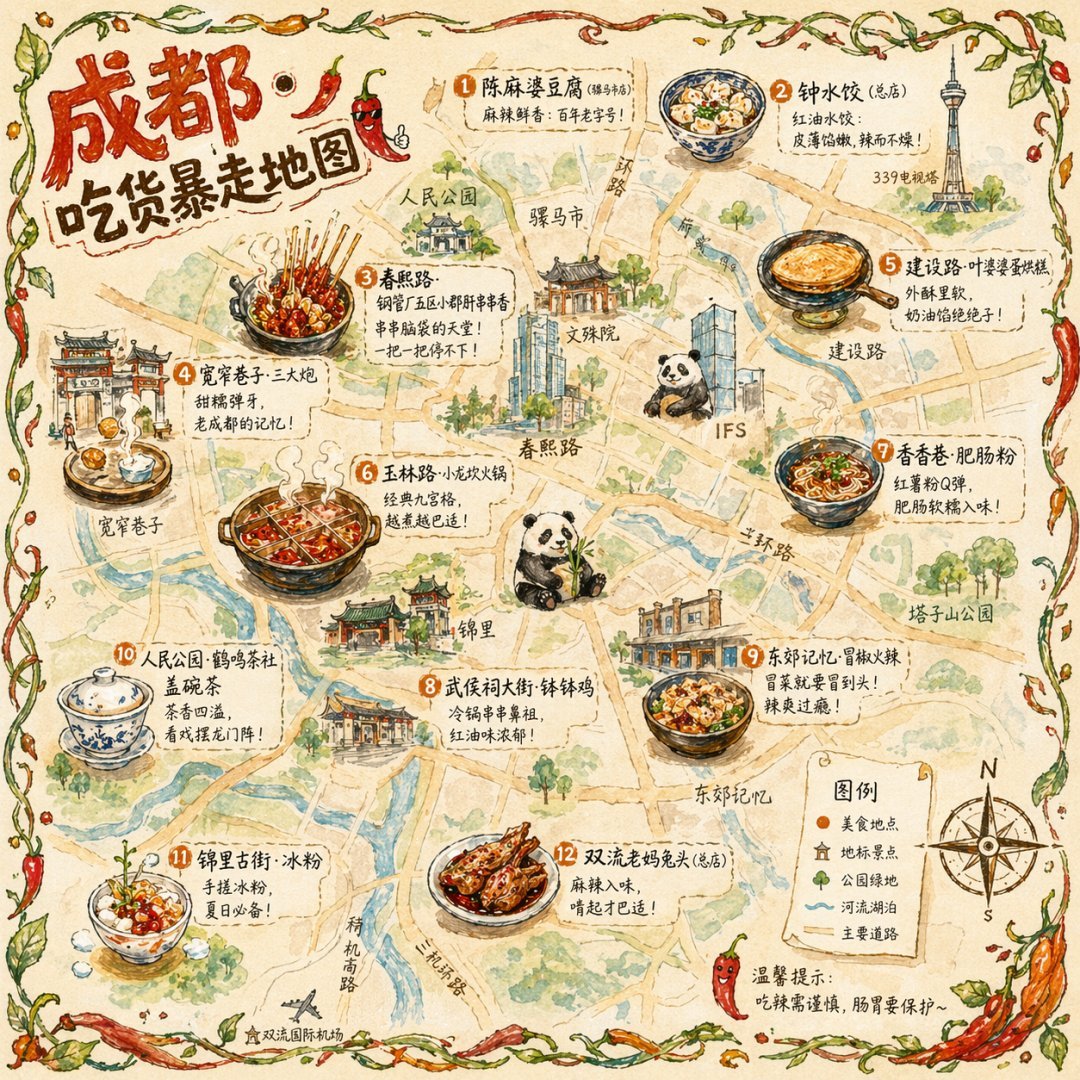
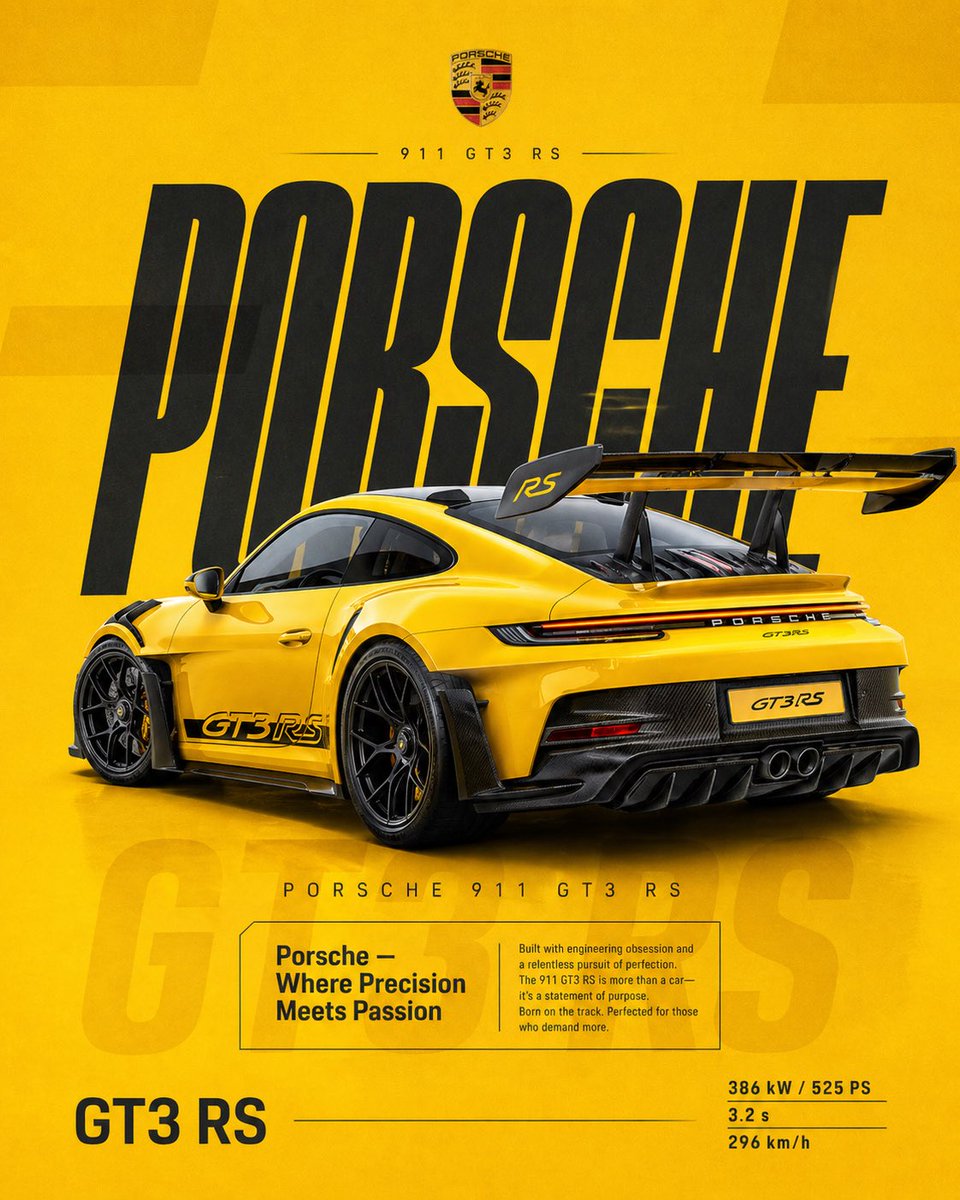
- Use this as a poster & illustration benchmark when you need a fast style baseline before rewriting your own prompt.
- It is especially helpful if your target overlaps with Poster, Illustration, Character and you want to judge the image result before tuning wording.
- Keep it as a control sample when you compare nearby prompt variants one variable at a time.
Visual Signals To Notice
- The clearest style signals here are Poster, Illustration, Character, so those should usually stay in your first rewrite.
- Pay close attention to layout rhythm, headline hierarchy, illustration texture, and how information is staged in the frame.
- This case keeps one primary output, so the first image should be treated as the main visual reference.
How The Prompt Is Structured
- The prompt reads as a long, highly specified prompt, which is useful when you want to judge how much specificity this direction needs.
- Its keyword cluster is centered on Poster, Illustration, Character, so you can usually keep that cluster while swapping subject, camera, layout, or copy details.
- A practical rewrite path is: keep the outcome, keep the strongest style cues, then replace only the subject and environment blocks.
Good Follow-up Questions
- What changes first if you keep Poster, Illustration, Character but switch the subject matter?
- Which part of the result comes from section-level structure (Poster & Illustration) versus tag-level style cues?
- Which related cases in the same section give you a cleaner or more extreme variation of the same direction?
Full Prompt
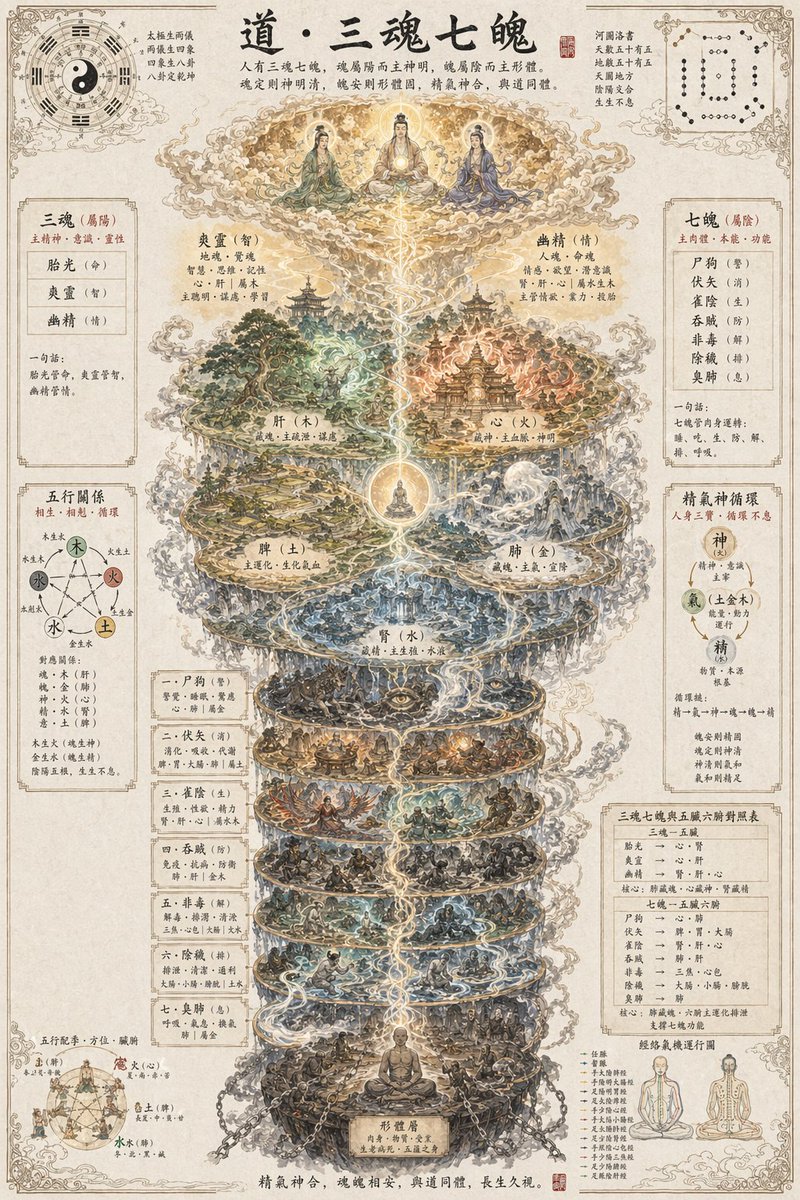
A highly detailed vertical Taoist esoteric infographic poster in the style of an ancient Chinese religious scroll, printed on aged beige rice paper with fine ornamental borders, inked calligraphy, faded stains, and classical diagram annotations. At the top center, large black brush-calligraphy title text reads {argument name="headline text" default="道·三魂七魄"}. Directly below the title is a smaller paragraph of classical Chinese explanatory text in neat calligraphy. The composition is perfectly symmetrical and centered on a glowing vertical spiritual axis made of white-gold energy, mist, and lightning-like qi currents running from the bottom of the page to the heavens. At the very top, above the axis, depict 3 seated Taoist immortals or deities on clouds in a golden celestial realm, arranged left, center, and right, with halos and flowing robes in muted green, cream, and blue. Beneath them, create a towering multi-layered cosmological body diagram made of 9 stacked circular realms or platforms connected by swirling clouds and luminous energy. The upper 5 larger realms represent the five zang organs as miniature mythic landscapes: 1 forested green realm labeled liver/wood, 1 fiery red-gold temple city realm labeled heart/fire, 1 yellow earth realm with terraces labeled spleen/earth, 1 silver-blue mountain-and-water realm labeled lung/metal, and 1 dark blue watery abyss realm labeled kidney/water. Place a glowing meditating figure in a bright orb at the center junction between the upper organ realms and lower spirit layers. Below these, add 7 progressively darker circular underworld-like realms for the seven po souls, each densely populated with tiny scenes of human figures, spirits, beasts, ritual activity, suffering, temptation, conflict, and karmic symbolism, all wrapped by drifting smoke and energy ribbons. At the very bottom, show a seated human figure in meditation within a root-like cavern or corporeal foundation, surrounded by chains, rocks, and embodied worldly attachments. Around the central column, include exactly 9 labeled side panels and diagrams in traditional Chinese layout: top left a bagua and yin-yang cosmology circle; top right a dotted numerological or constellation-like chart; left upper a boxed list for 3 souls; right upper a boxed list for 7 po souls; left middle a five-elements relationship diagram with 5 colored nodes; right middle a circular essence-qi-spirit cycle diagram with 3 nodes; left lower a vertical boxed list of 7 categories or stages; right lower a boxed correspondence table; bottom left a five-direction and five-element human-body relation chart; bottom right a standing and seated meridian or cultivation body diagram. Use many small Chinese labels throughout every section, with classical seal stamps in red. The overall palette is antique parchment, sepia ink, muted jade, cinnabar red, smoky gray, gold, teal, and indigo. The style should feel like a museum-quality Daoist metaphysical chart, ultra intricate, hand-painted gongbi plus ink wash illustration, sacred, mystical, scholarly, dense with symbolism, extremely fine linework, soft cloud layering, and high-resolution poster design.