Case Media
Case Notes
This page keeps the media, full prompt, and original source together so you can inspect the result first and decide whether the prompt is worth copying, saving, or comparing.
Case Insights
To make this page easier to search, cite, and reuse later, the case is also broken down into practical guidance about usage, visual cues, and prompt structure.
Best Fit Scenarios
- Use this as a poster & illustration benchmark when you need a fast style baseline before rewriting your own prompt.
- It is especially helpful if your target overlaps with Poster, Illustration, Poster & Illustration and you want to judge the image result before tuning wording.
- Keep it as a control sample when you compare nearby prompt variants one variable at a time.
Visual Signals To Notice
- The clearest style signals here are Poster, Illustration, Poster & Illustration, so those should usually stay in your first rewrite.
- Pay close attention to layout rhythm, headline hierarchy, illustration texture, and how information is staged in the frame.
- This case keeps one primary output, so the first image should be treated as the main visual reference.
How The Prompt Is Structured
- The prompt reads as a medium-detail prompt with clear visual constraints, which is useful when you want to judge how much specificity this direction needs.
- Its keyword cluster is centered on Poster, Illustration, Poster & Illustration, so you can usually keep that cluster while swapping subject, camera, layout, or copy details.
- A practical rewrite path is: keep the outcome, keep the strongest style cues, then replace only the subject and environment blocks.
Good Follow-up Questions
- What changes first if you keep Poster, Illustration, Poster & Illustration but switch the subject matter?
- Which part of the result comes from section-level structure (Poster & Illustration) versus tag-level style cues?
- Which related cases in the same section give you a cleaner or more extreme variation of the same direction?
Full Prompt
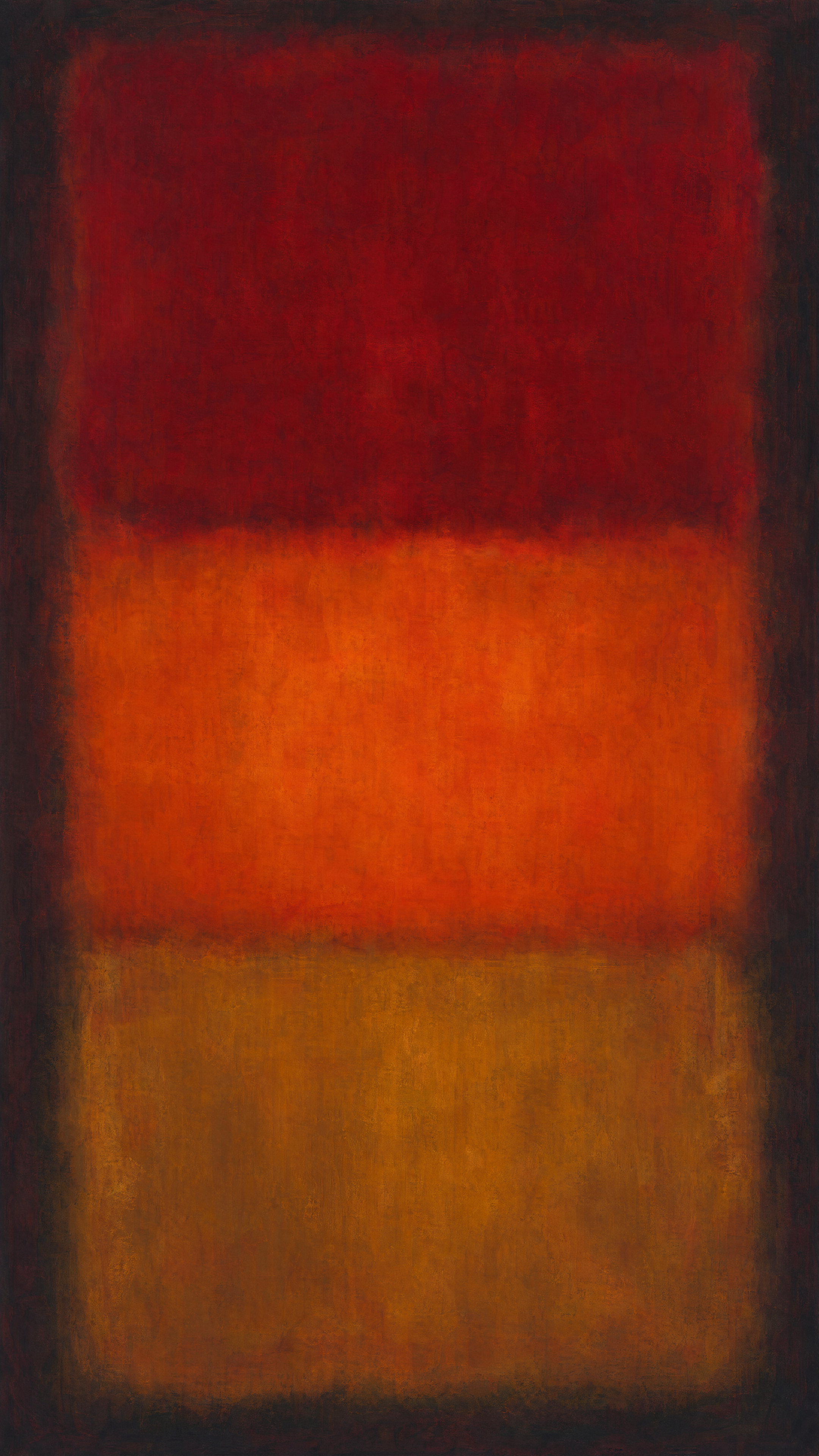
A large-scale abstract painting in the lineage of mid-century Color Field expressionism. The composition consists of three stacked, soft-edged rectangular forms that appear to float against a darker background. The top rectangle is a deep 'Oxblood Red', the middle is a vibrating 'Burnt Orange', and the bottom is a dusty 'Ochre'. The edges of the shapes are hazy and feathered, allowing the colors to bleed into one another and create a sense of profound depth. The texture of the canvas is subtly visible through the thin, layered washes of pigment. There is no representational subject matter; the focus is entirely on the emotional resonance of the color and the monumental scale. The lighting is soft and ambient, making the colors seem to glow from within the canvas. The mood is spiritual, somber, and deeply immersive.