Case Media
Case Notes
This page keeps the media, full prompt, and original source together so you can inspect the result first and decide whether the prompt is worth copying, saving, or comparing.
Case Insights
To make this page easier to search, cite, and reuse later, the case is also broken down into practical guidance about usage, visual cues, and prompt structure.
Best Fit Scenarios
- Use this as a poster & illustration benchmark when you need a fast style baseline before rewriting your own prompt.
- It is especially helpful if your target overlaps with Poster, Illustration, Minimal and you want to judge the image result before tuning wording.
- Keep it as a control sample when you compare nearby prompt variants one variable at a time.
Visual Signals To Notice
- The clearest style signals here are Poster, Illustration, Minimal, so those should usually stay in your first rewrite.
- Pay close attention to layout rhythm, headline hierarchy, illustration texture, and how information is staged in the frame.
- This case keeps 2 media outputs, which makes it easier to check whether the style remains stable across multiple results.
How The Prompt Is Structured
- The prompt reads as a long, highly specified prompt, which is useful when you want to judge how much specificity this direction needs.
- Its keyword cluster is centered on Poster, Illustration, Minimal, so you can usually keep that cluster while swapping subject, camera, layout, or copy details.
- A practical rewrite path is: keep the outcome, keep the strongest style cues, then replace only the subject and environment blocks.
Good Follow-up Questions
- What changes first if you keep Poster, Illustration, Minimal but switch the subject matter?
- Which part of the result comes from section-level structure (Poster & Illustration) versus tag-level style cues?
- Which related cases in the same section give you a cleaner or more extreme variation of the same direction?
Full Prompt
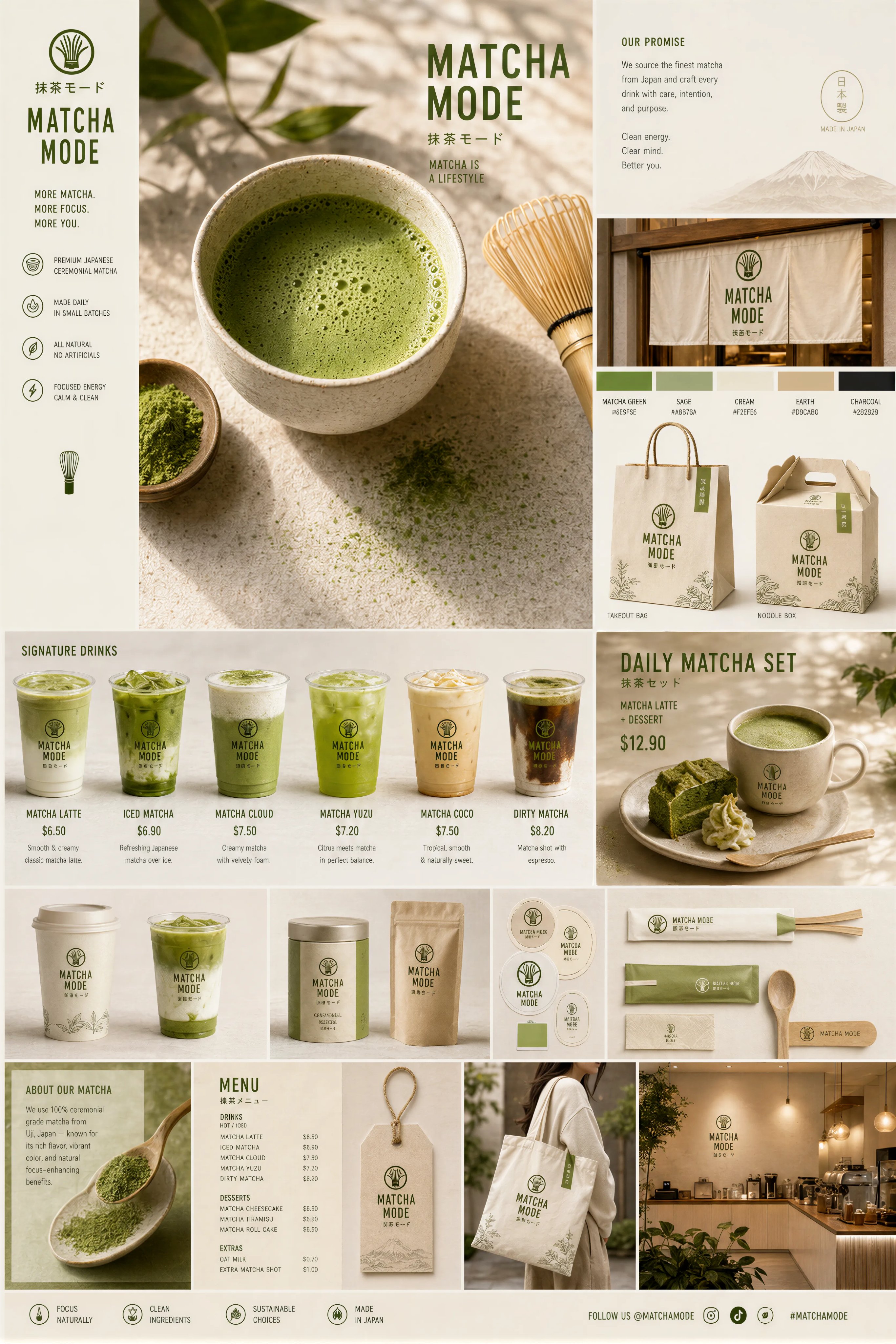
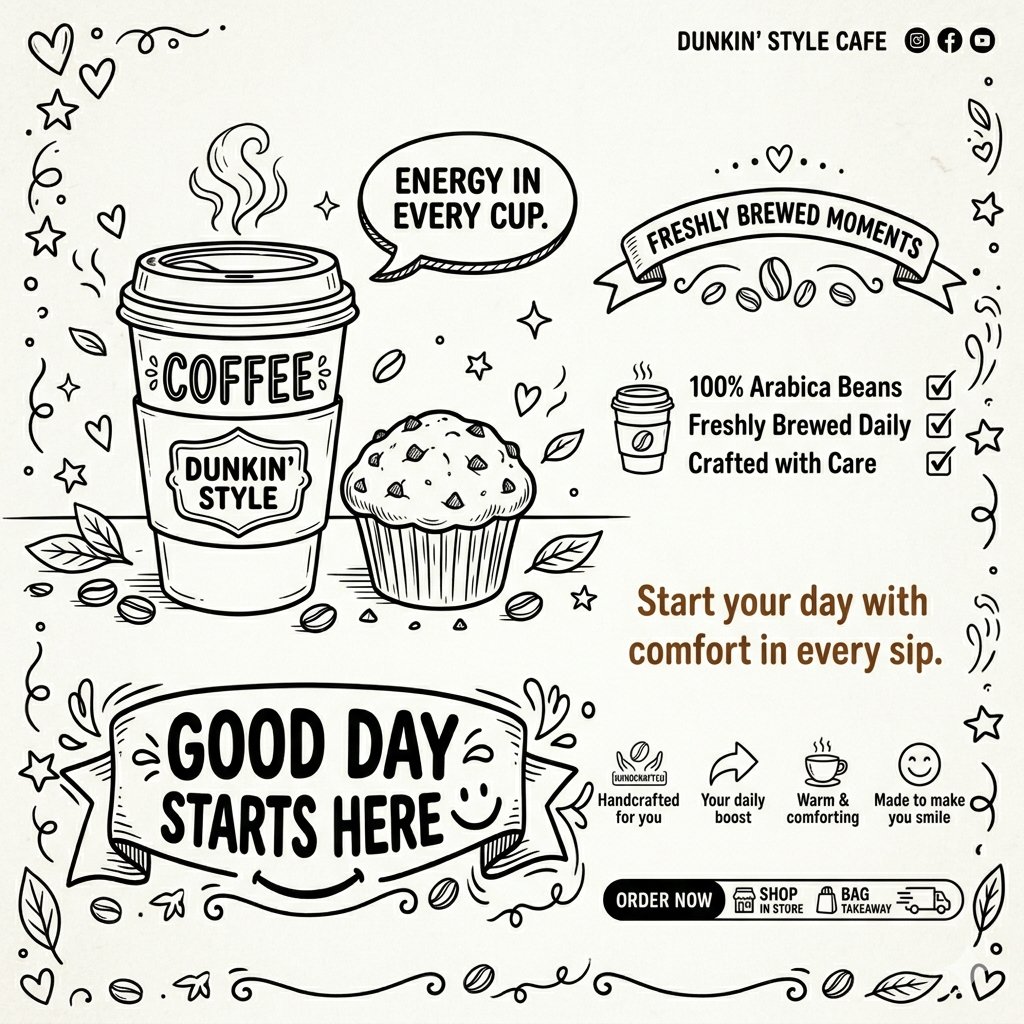
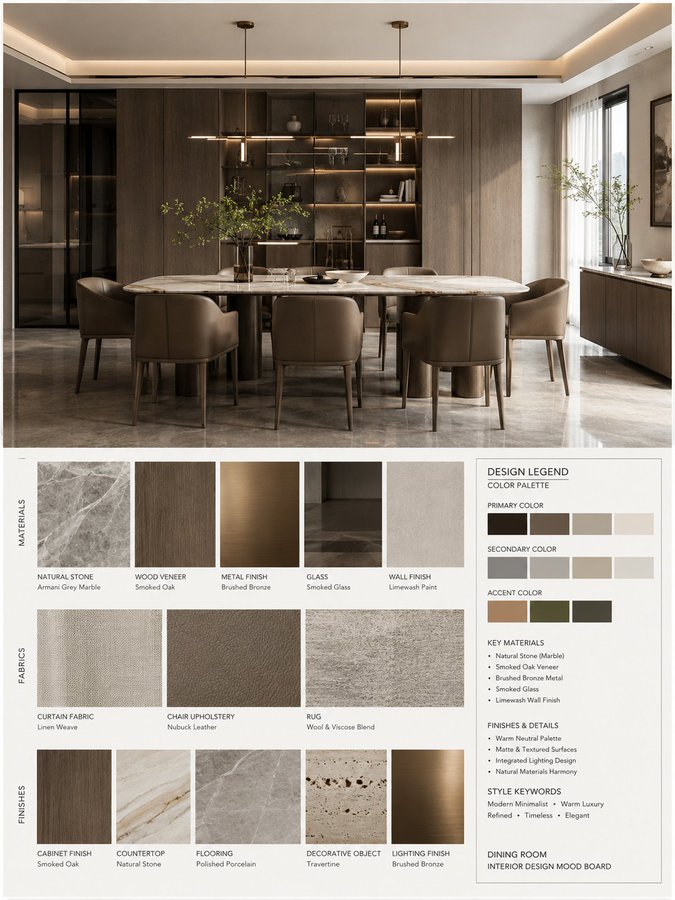
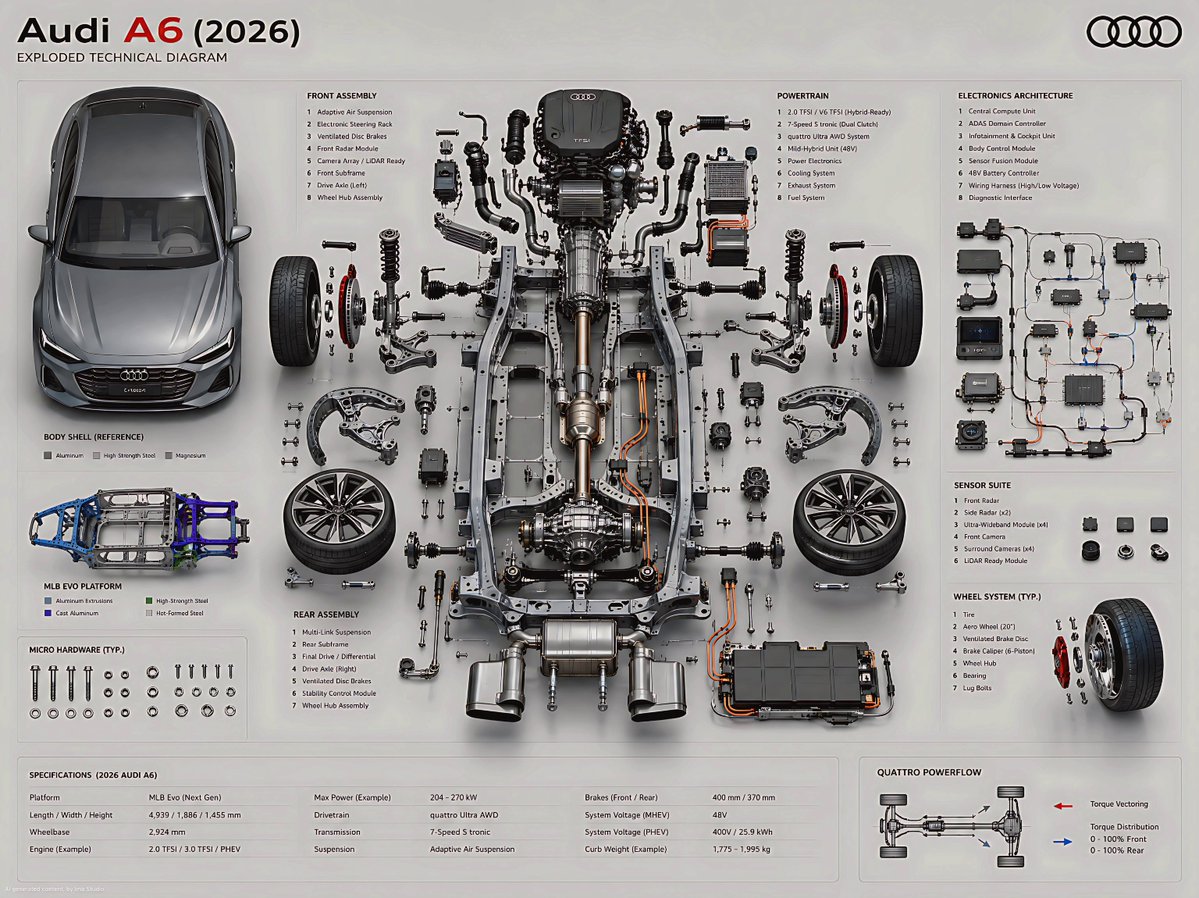
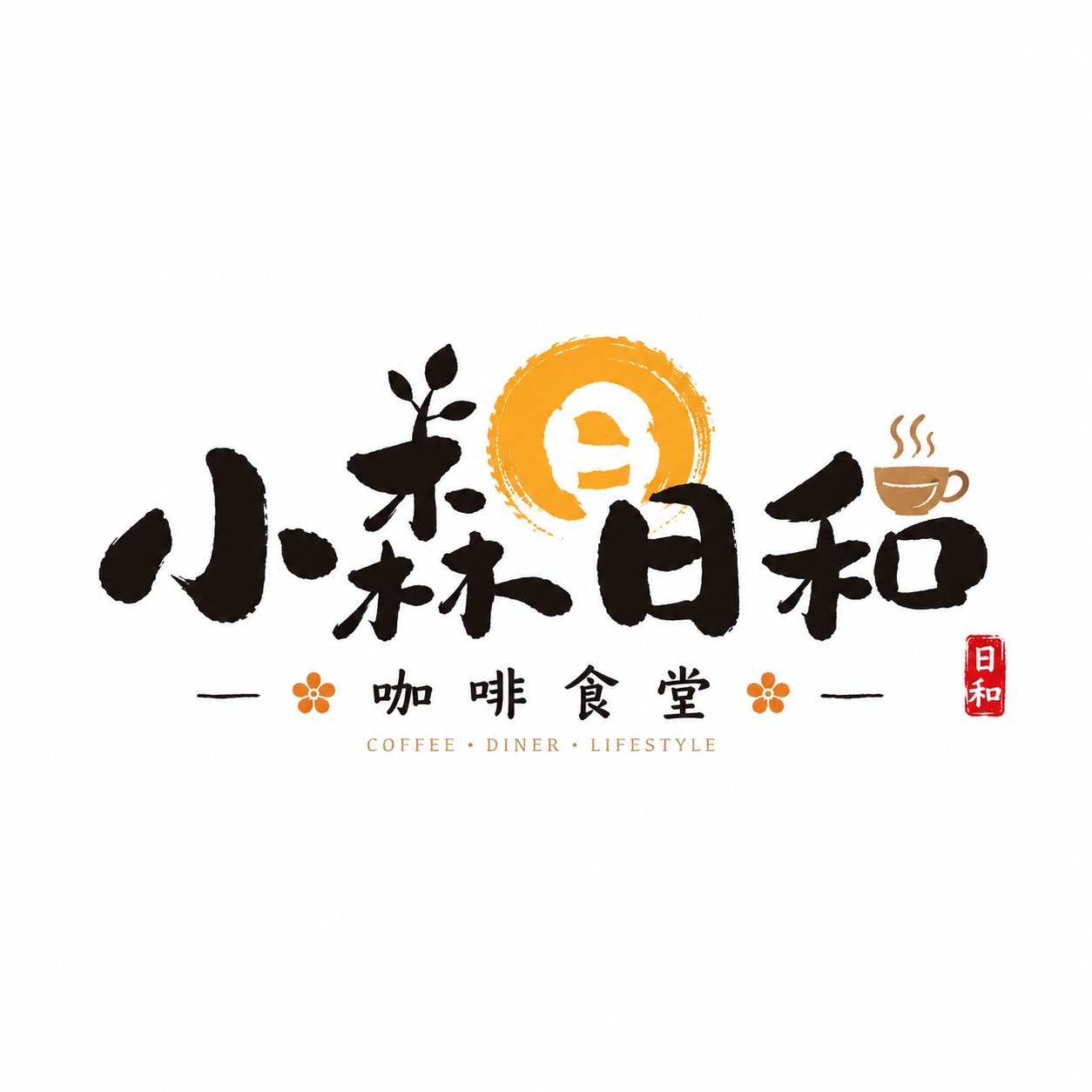
Based on the user's input [Brand Name / Project Name], [Type / Industry], [Brand Positioning], [Core Keywords], [Emotional Tone], [Layout Direction], [Main Color], [Secondary Color], and [Aspect Ratio], design a high-quality 'Japanese Brush Shop Wordmark.' Note: The goal is a commercially viable shop logo, not just general typography, poster titles, or pure calligraphy art. Focus on a brush-written feel, ensuring the main text has distinct variations in stroke thickness, press and lift techniques, subtle 'flying white' (dry brush) effects, and natural brush movement, while maintaining high legibility and recognition. [Main Text Requirements] 1. Use the brand name as the core subject, treated with a handwritten brush feel. 2. Strokes should exhibit clear thickness variation, rhythm, subtle dry-brush textures, ink density, and a sense of 'breathing.' 3. Certain key strokes can be moderately exaggerated to create a memorable focal point. 4. The font style does not need to be rigid or standard; it can incorporate natural deformation and shop-specific personality. 5. The focus is on a 'commercial shop wordmark,' not a traditional calligraphic exhibition piece. The overall vibe should be that of an authentic Japanese shopfront, signage, or noren (curtain). Discreetly include elements like small red seals, small vertical explanatory text, minimal Kana/Pinyin/English, or red-on-white blocks for embellishment. Keep the background clean so the main logo stands out. The final result should look like a high-recognition wordmark ready for use by a real Japanese restaurant, Izakaya, tea house, cafeteria, or Japanese lifestyle brand.