Case Media
Case Notes
This page keeps the media, full prompt, and original source together so you can inspect the result first and decide whether the prompt is worth copying, saving, or comparing.
Case Insights
To make this page easier to search, cite, and reuse later, the case is also broken down into practical guidance about usage, visual cues, and prompt structure.
Best Fit Scenarios
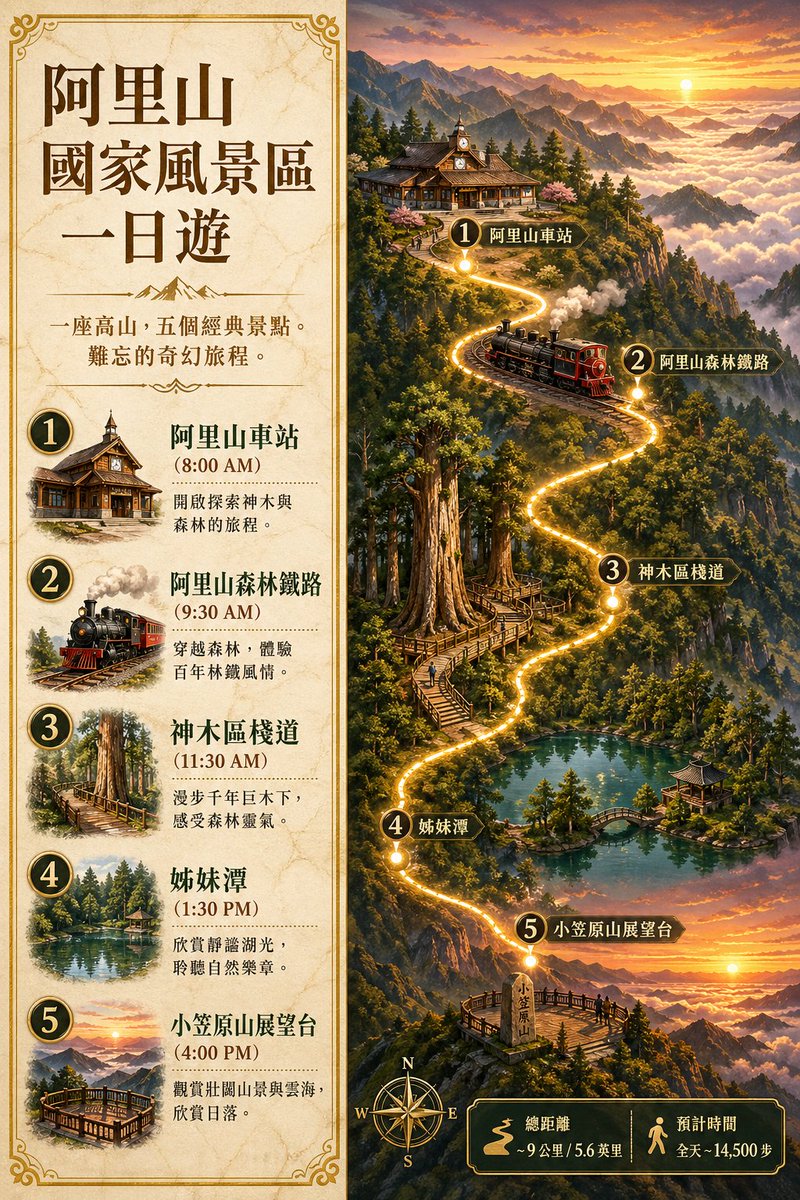
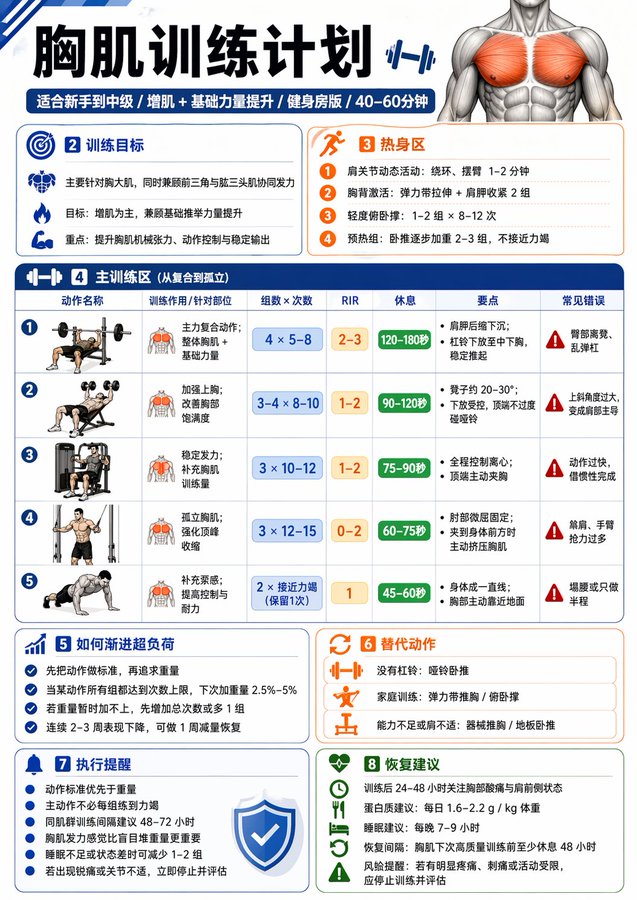
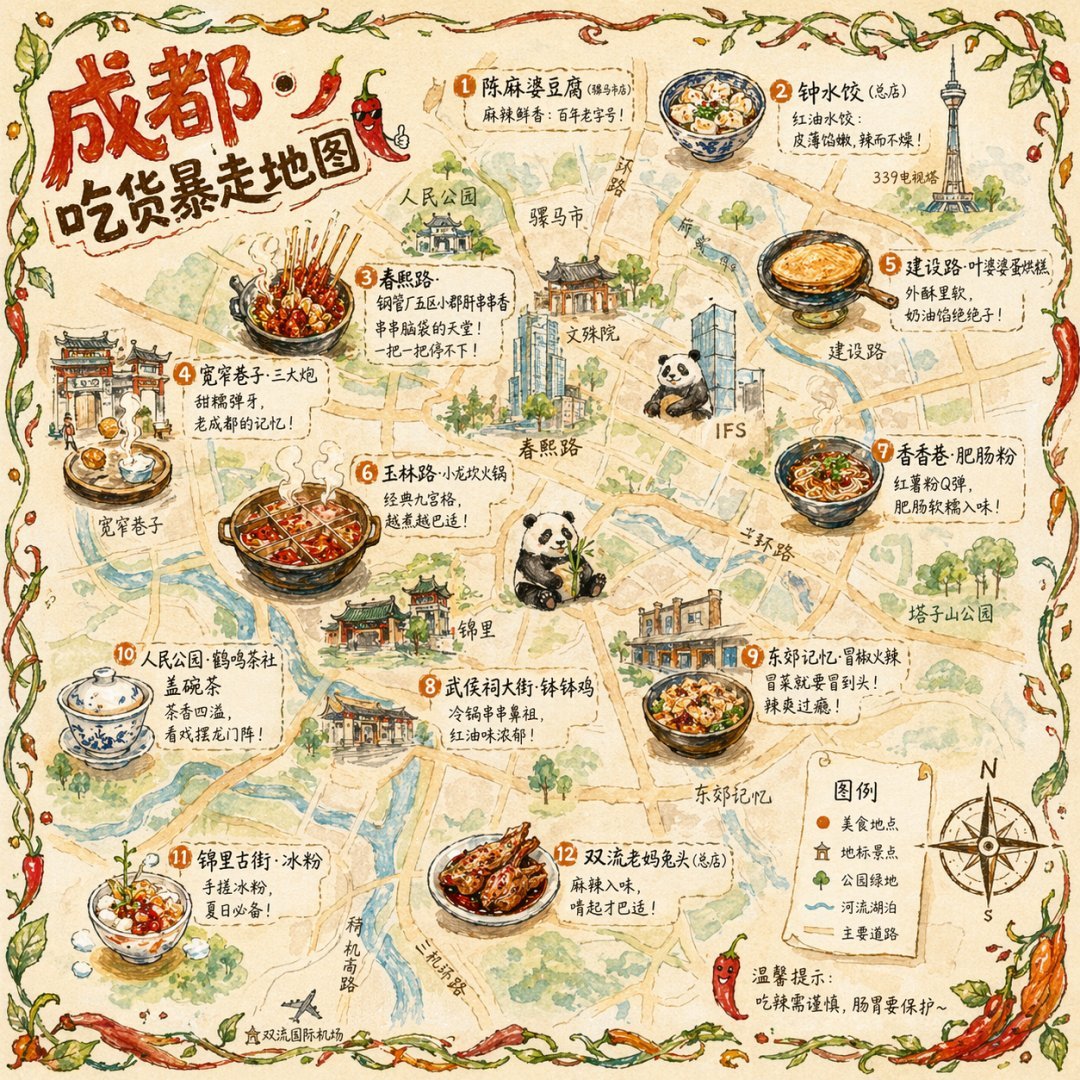
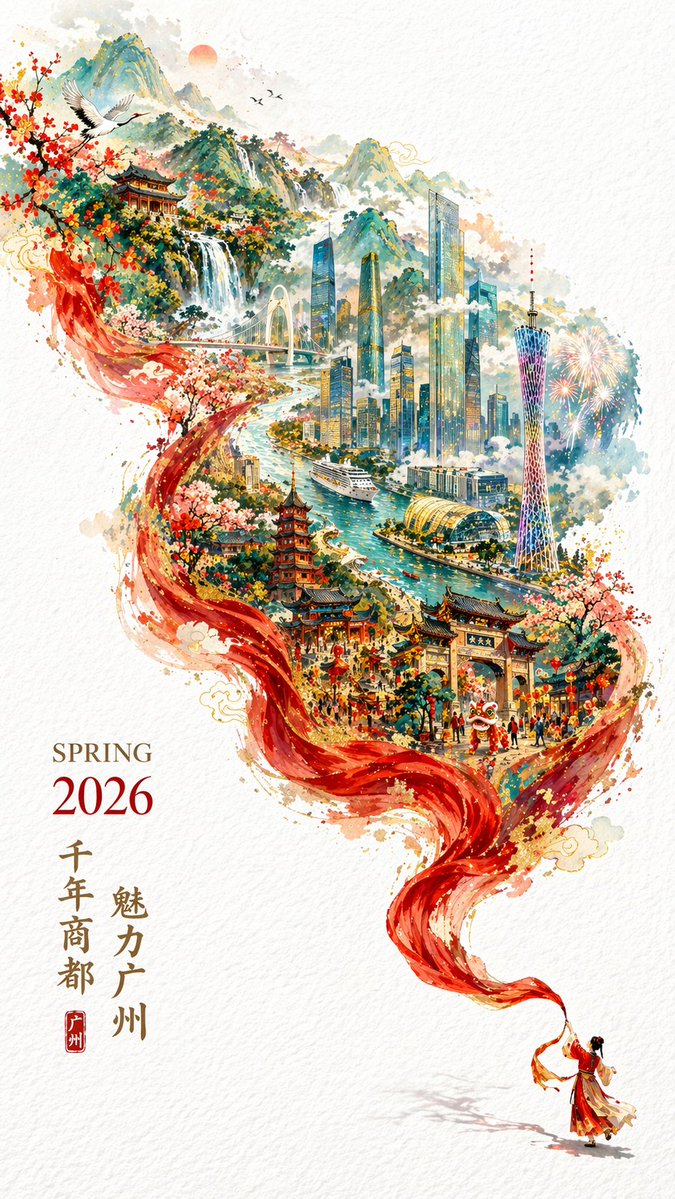
- Use this as a poster & illustration benchmark when you need a fast style baseline before rewriting your own prompt.
- It is especially helpful if your target overlaps with Poster, Illustration, City Visual and you want to judge the image result before tuning wording.
- Keep it as a control sample when you compare nearby prompt variants one variable at a time.
Visual Signals To Notice
- The clearest style signals here are Poster, Illustration, City Visual, so those should usually stay in your first rewrite.
- Pay close attention to layout rhythm, headline hierarchy, illustration texture, and how information is staged in the frame.
- This case keeps one primary output, so the first image should be treated as the main visual reference.
How The Prompt Is Structured
- The prompt reads as a long, highly specified prompt, which is useful when you want to judge how much specificity this direction needs.
- Its keyword cluster is centered on Poster, Illustration, City Visual, so you can usually keep that cluster while swapping subject, camera, layout, or copy details.
- A practical rewrite path is: keep the outcome, keep the strongest style cues, then replace only the subject and environment blocks.
Good Follow-up Questions
- What changes first if you keep Poster, Illustration, City Visual but switch the subject matter?
- Which part of the result comes from section-level structure (Poster & Illustration) versus tag-level style cues?
- Which related cases in the same section give you a cleaner or more extreme variation of the same direction?
Full Prompt
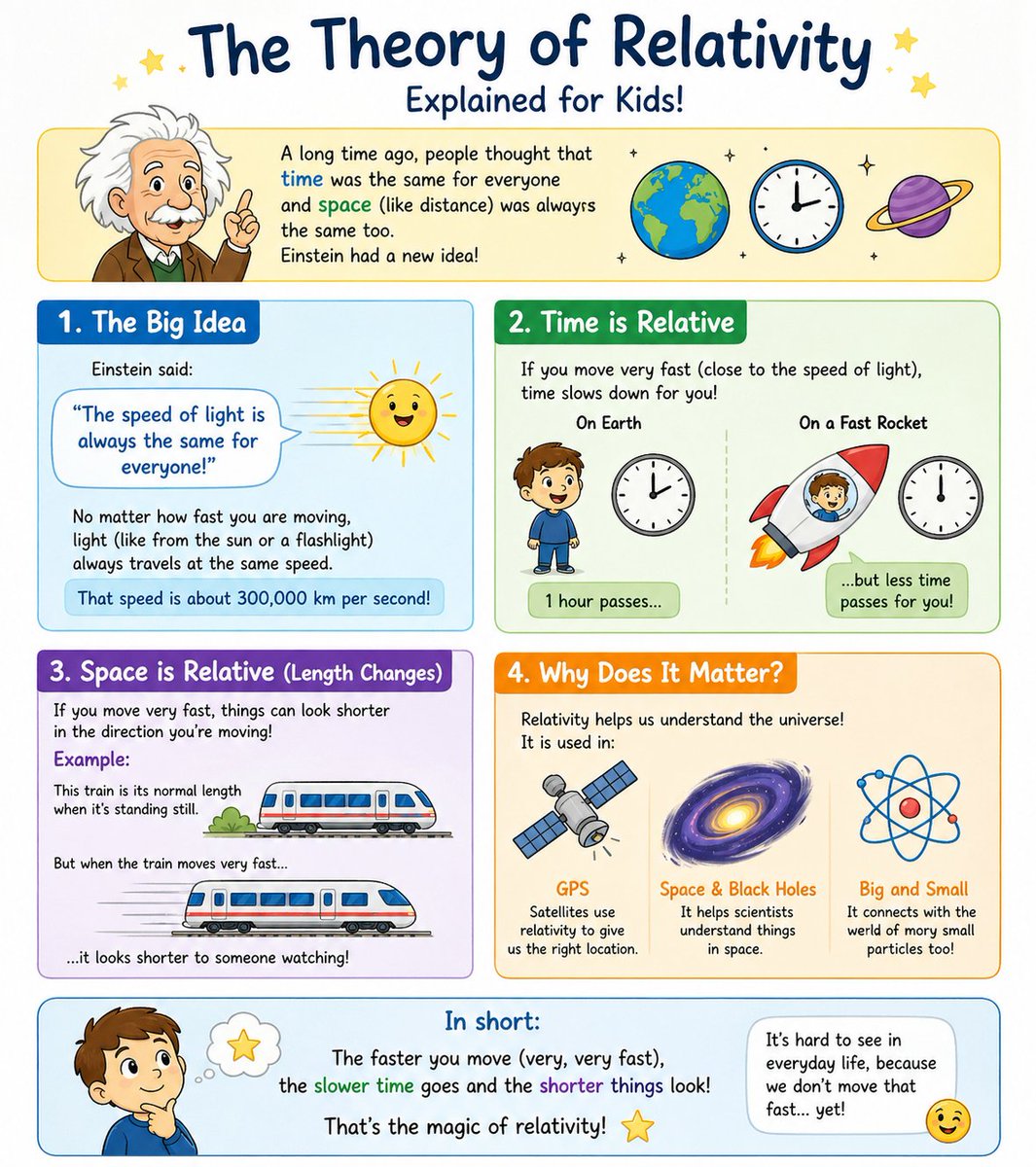
{"type":"children's educational infographic poster","topic":"{argument name=\"topic\" default=\"The Theory of Relativity\"}","subtitle":"{argument name=\"subtitle text\" default=\"Explained for Kids!\"}","style":"cute hand-drawn classroom infographic, bright pastel colors, rounded panels, white background, friendly doodle stars and sparkles, thick outlines, easy-to-understand visual metaphors, playful textbook poster design for elementary school children","format":"vertical poster","header":{"title":"The Theory of Relativity","subtitle":"Explained for Kids!","icons_count":3,"icons":["Earth globe","round clock","purple ringed planet"],"intro_box":{"left_figure":"cartoon Einstein with wild white hair, brown jacket, green vest, white shirt, raising one finger","text":"A long time ago, people thought that time was the same for everyone and space (like distance) was always the same too. Einstein had a new idea!"}},"layout":{"sections":[{"title":"1. The Big Idea","position":"upper left","count":1,"visuals_count":2,"visuals":["speech bubble with quote","smiling sun with rays"],"text":"Einstein said: \"The speed of light is always the same for everyone!\" No matter how fast you are moving, light (like from the sun or a flashlight) always travels at the same speed. That speed is about 300,000 km per second!","panel_color":"blue"},{"title":"2. Time is Relative","position":"upper right","count":2,"labels":["On Earth","On a Fast Rocket"],"visuals_count":4,"visuals":["child standing on Earth side","clock on Earth side","child inside red rocket with orange flame","clock on rocket side"],"text":"If you move very fast (close to the speed of light), time slows down for you! Left caption: 1 hour passes... Right caption: ...but less time passes for you!","panel_color":"green"},{"title":"3. Space is Relative (Length Changes)","position":"middle left","count":2,"labels":["normal train length when standing still","shorter-looking train when moving very fast"],"visuals_count":2,"visuals":["train at rest","stretched-motion train with speed lines"],"text":"If you move very fast, things can look shorter in the direction you're moving! Example: This train is its normal length when it's standing still. But when the train moves very fast... ...it looks shorter to someone watching!","panel_color":"purple"},{"title":"4. Why Does It Matter?","position":"middle right","count":3,"labels":["GPS","Space & Black Holes","Big and Small"],"visuals_count":3,"visuals":["satellite","spiral galaxy or black hole","atom symbol"],"text":"Relativity helps us understand the universe! It is used in: GPS — Satellites use relativity to give us the right location. Space & Black Holes — It helps scientists understand things in space. Big and Small — It connects with the weird world of very small particles too!","panel_color":"orange"}],"footer":{"title":"In short:","left_figure":"thoughtful cartoon boy with hand on chin and a thought bubble containing a yellow star","summary_text":"The faster you move (very, very fast), the slower time goes and the shorter things look! That's the magic of relativity!","right_note":"It's hard to see in everyday life, because we don't move that fast... yet!","extra_icon":"winking smiley face"}},"design_notes":{"section_count":4,"total_main_icons":12,"typography":"large playful handwritten title, rounded child-friendly sans serif body text","palette":["navy blue","sky blue","green","purple","orange","yellow","red","white"],"mood":"curious, cheerful, educational, kid-friendly"}}