Case Media
Case Notes
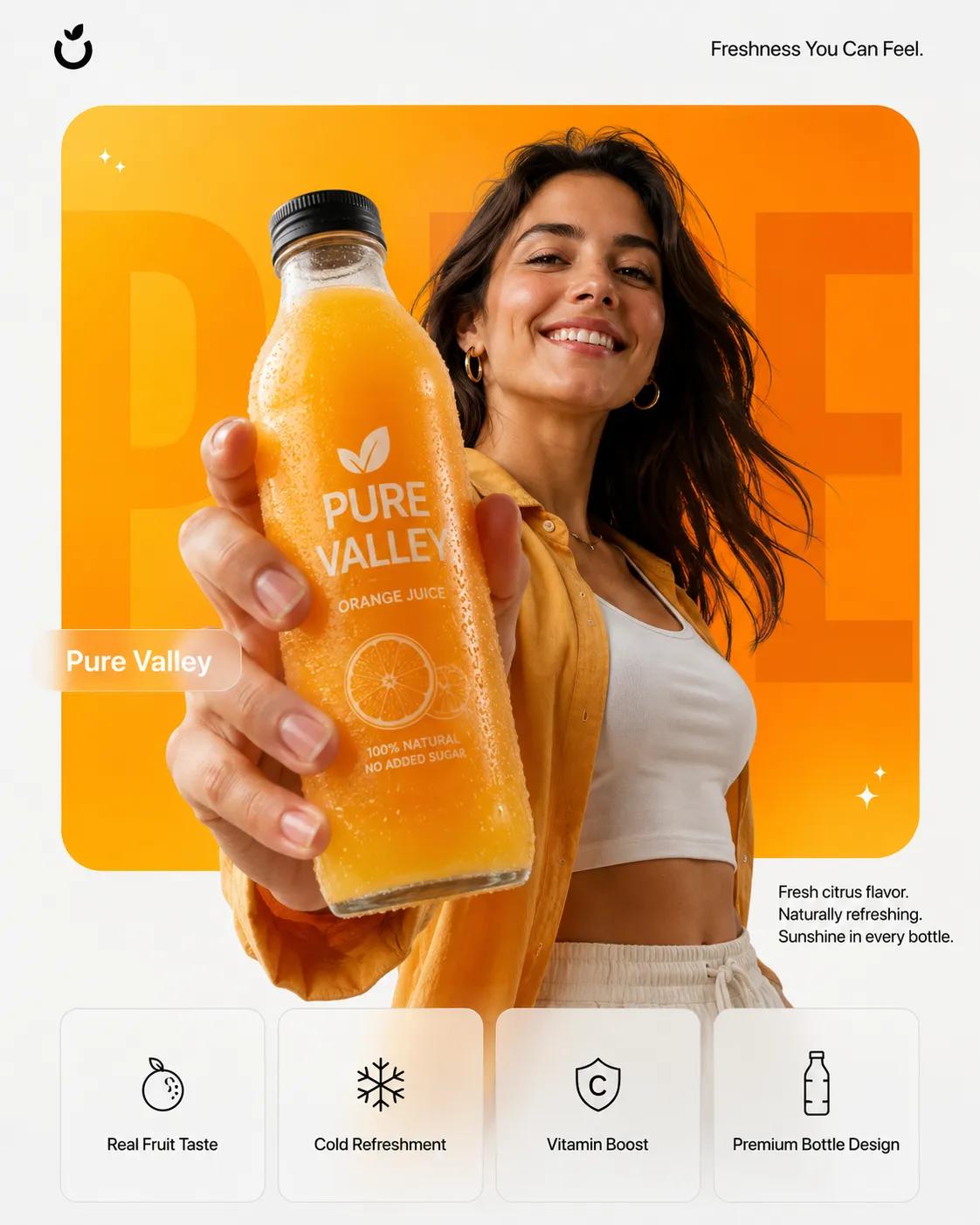
This page keeps the media, full prompt, and original source together so you can inspect the result first and decide whether the prompt is worth copying, saving, or comparing.
Case Insights
To make this page easier to search, cite, and reuse later, the case is also broken down into practical guidance about usage, visual cues, and prompt structure.
Best Fit Scenarios
- Use this as a portrait & photography benchmark when you need a fast style baseline before rewriting your own prompt.
- It is especially helpful if your target overlaps with Portrait, Cinematic, Poster and you want to judge the image result before tuning wording.
- Keep it as a control sample when you compare nearby prompt variants one variable at a time.
Visual Signals To Notice
- The clearest style signals here are Portrait, Cinematic, Poster, so those should usually stay in your first rewrite.
- Focus on framing, light direction, pose, and the distance between subject and camera.
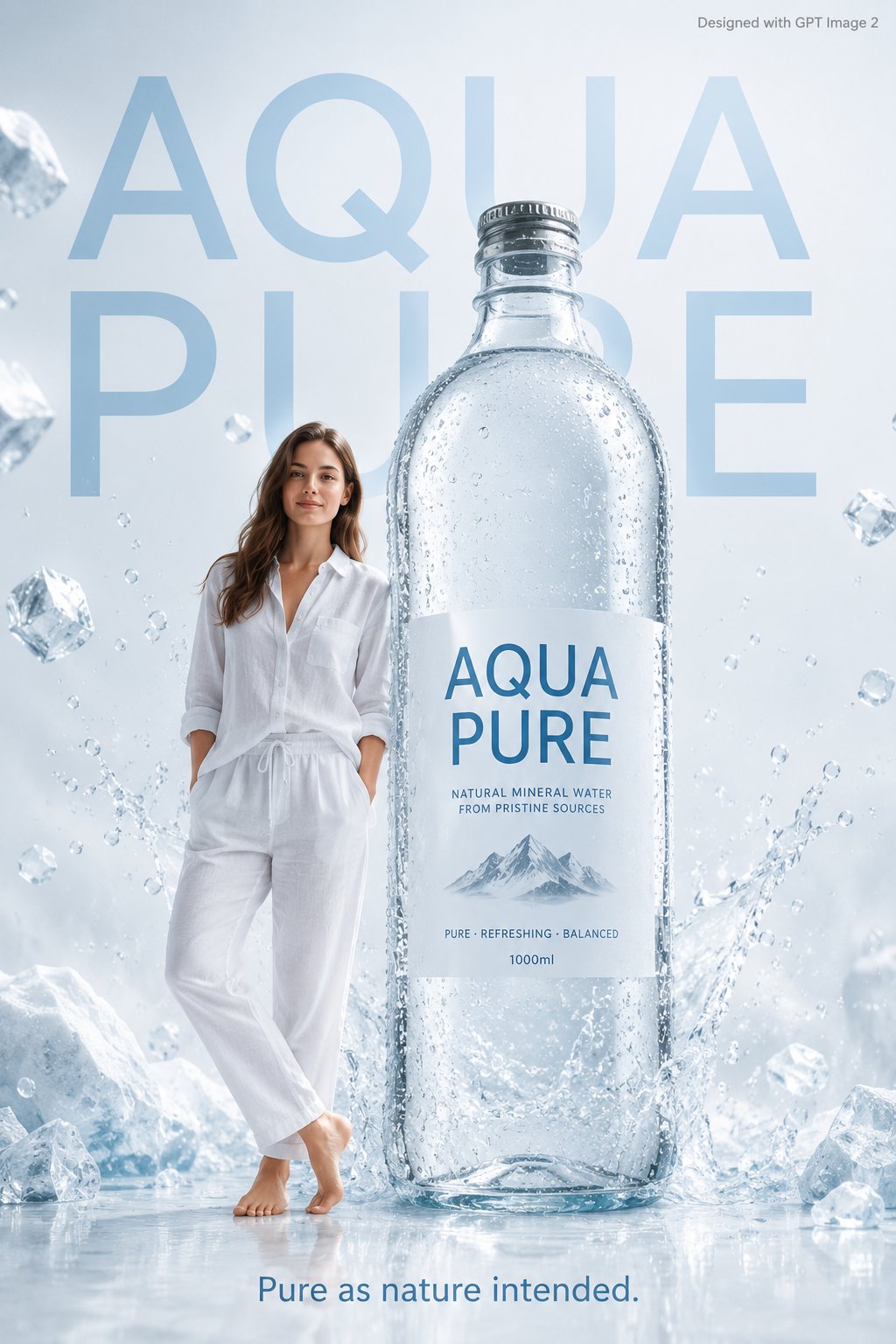
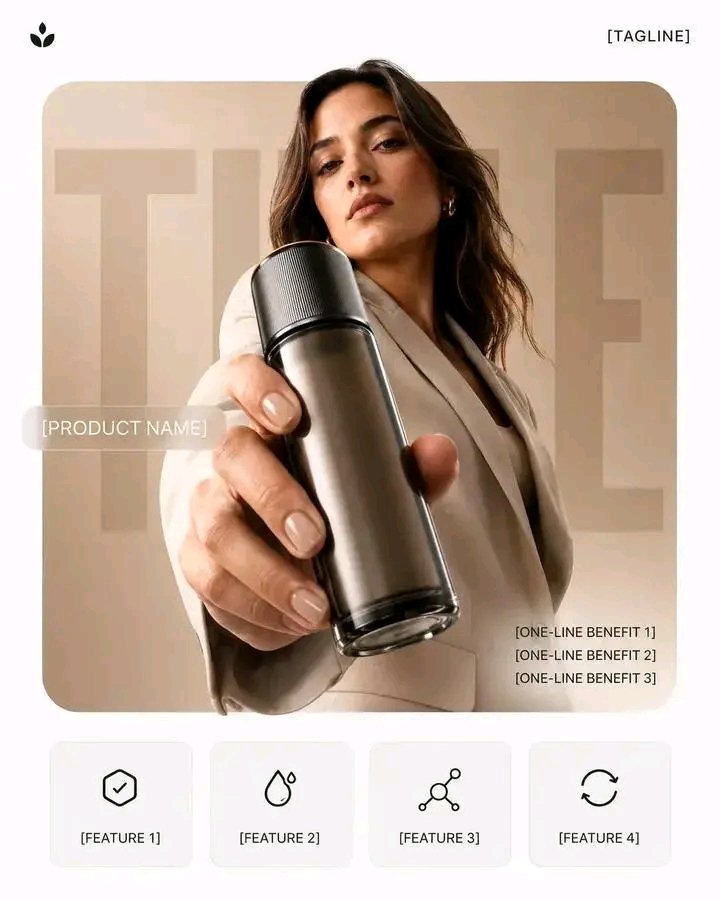
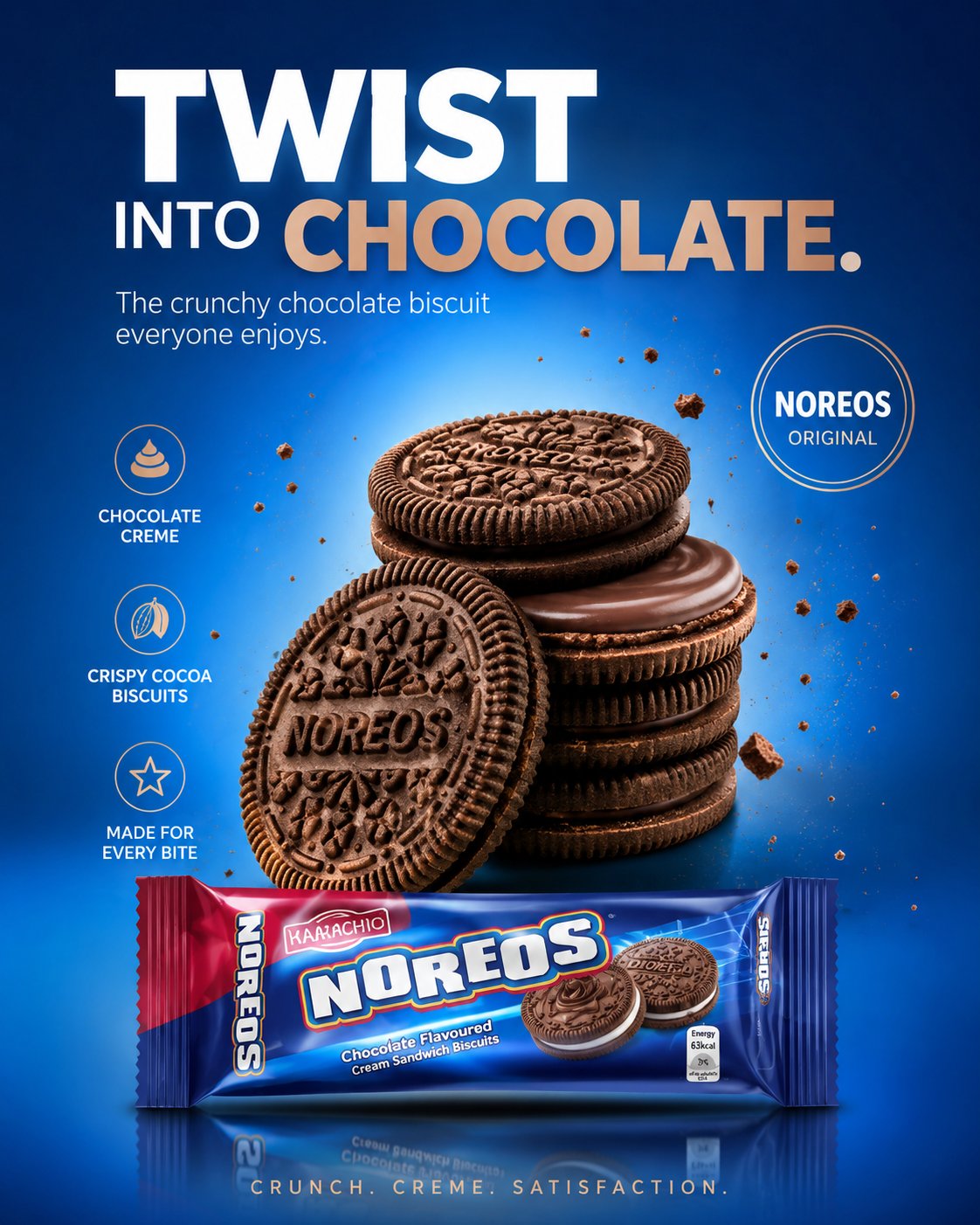
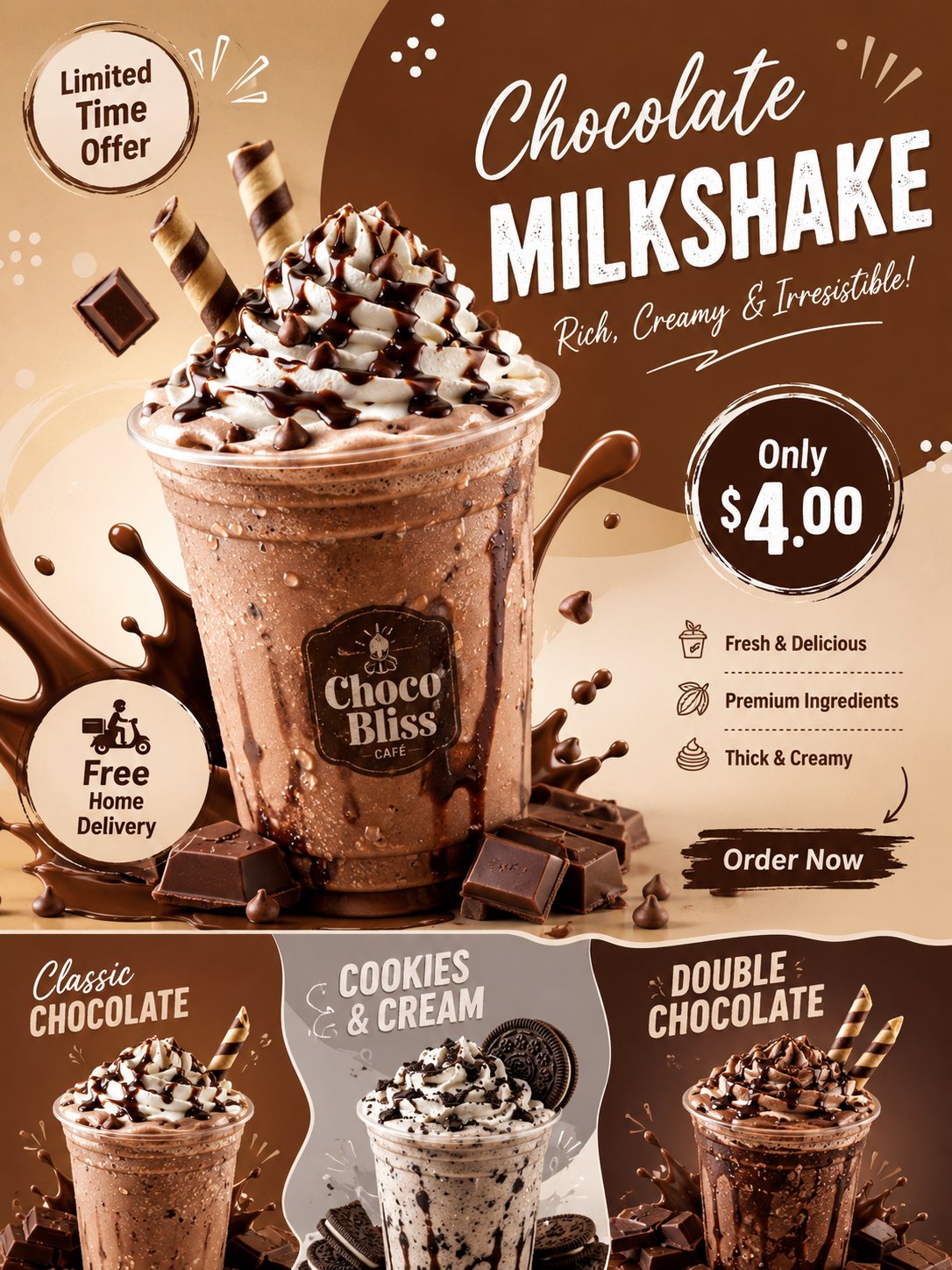
- This case keeps 2 media outputs, which makes it easier to check whether the style remains stable across multiple results.
How The Prompt Is Structured
- The prompt reads as a long, highly specified prompt, which is useful when you want to judge how much specificity this direction needs.
- Its keyword cluster is centered on Portrait, Cinematic, Poster, so you can usually keep that cluster while swapping subject, camera, layout, or copy details.
- A practical rewrite path is: keep the outcome, keep the strongest style cues, then replace only the subject and environment blocks.
Good Follow-up Questions
- What changes first if you keep Portrait, Cinematic, Poster but switch the subject matter?
- Which part of the result comes from section-level structure (Portrait & Photography) versus tag-level style cues?
- Which related cases in the same section give you a cleaner or more extreme variation of the same direction?
Full Prompt
Create a photorealistic premium product campaign poster in a 4:5 vertical aspect ratio. Product: [PRODUCT NAME] Brand style: [BRAND / PREMIUM / LUXURY / TECH / BEAUTY / FOOD / DRINK] Main subject: A confident model holding or presenting the product close to the camera, with the product in sharp focus and the model slightly behind it. Use a strong perspective angle so the product feels powerful, premium, and hero-like. Background: Use a clean studio background with a large rounded rectangle panel behind the subject. The panel color should match the product theme: [COLOR THEME]. Add subtle oversized typography or abstract product-related shapes in the background, softly blended and partially hidden behind the subject. Lighting: Cinematic softbox lighting, realistic shadows, premium commercial photography, glossy highlights on the product, clean reflections, sharp details, high-end advertising look. Composition: Top-left: small minimalist brand logo placeholder. Top-right: short tagline: “[TAGLINE]” Middle-left: small glassmorphism label with product name: “[PRODUCT NAME]” Bottom-right: short product description: “[ONE-LINE BENEFIT 1] [ONE-LINE BENEFIT 2] [ONE-LINE BENEFIT 3]” Bottom section: Add four clean feature cards with minimal black icons and short labels: 1. [FEATURE 1] 2. [FEATURE 2] 3. [FEATURE 3] 4. [FEATURE 4] Style: Premium campaign poster, realistic product photography, minimalistic layout, modern typography, clean negative space, luxury branding, high detail, cinematic advertising, professional commercial poster, ultra-realistic, sharp focus, elegant shadows. Avoid: messy text, extra logos, distorted product, wrong spelling, low-quality graphics, cartoon style, over-saturated colors.