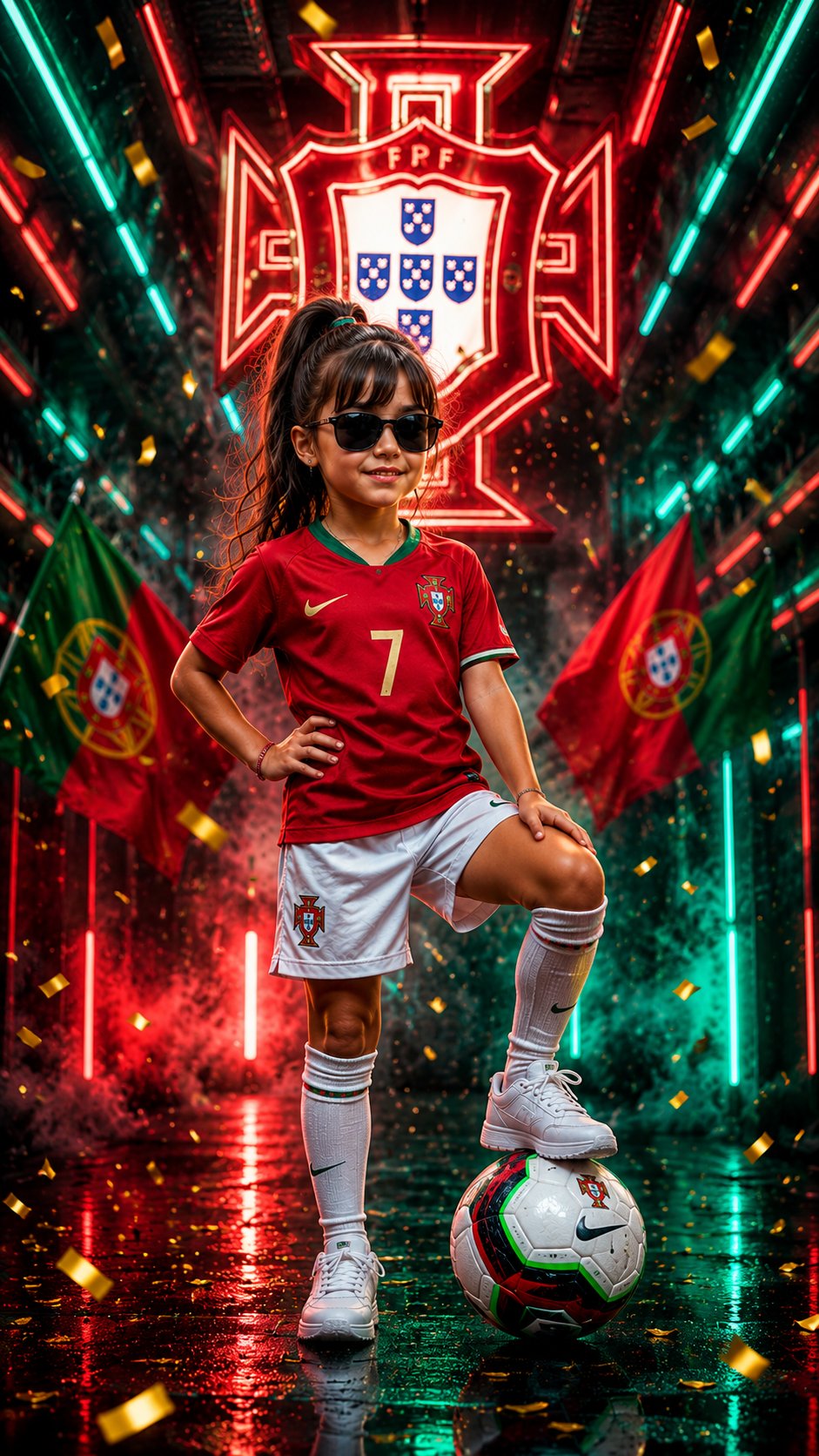
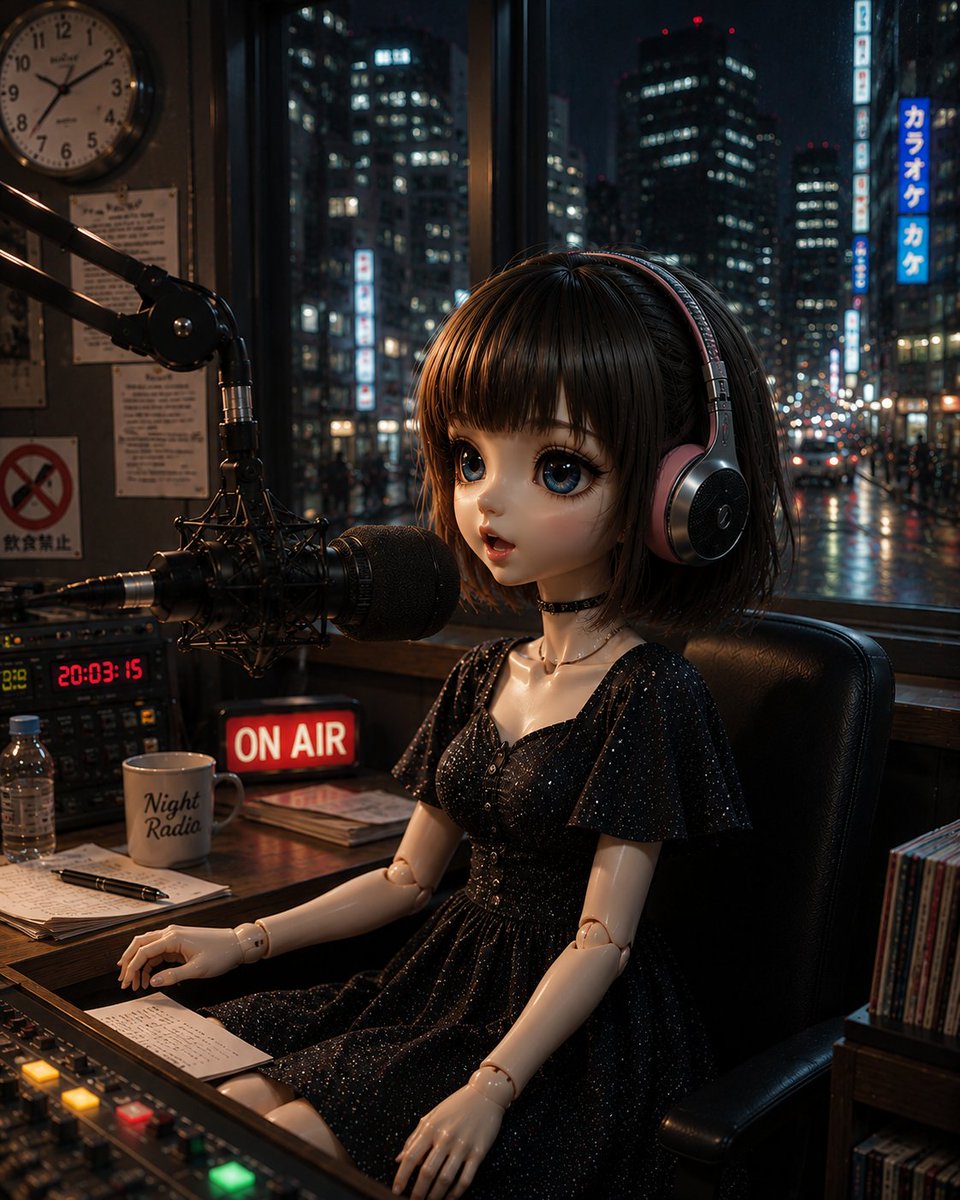
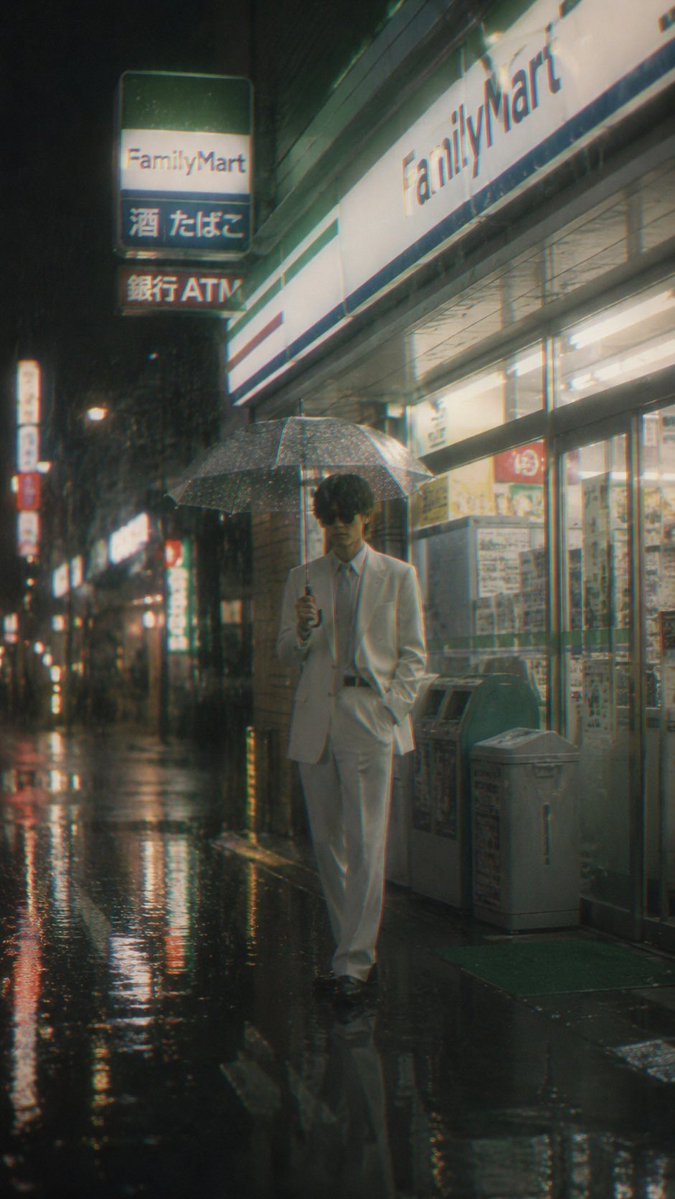
Case Media
Case Notes
This page keeps the media, full prompt, and original source together so you can inspect the result first and decide whether the prompt is worth copying, saving, or comparing.
Case Insights
To make this page easier to search, cite, and reuse later, the case is also broken down into practical guidance about usage, visual cues, and prompt structure.
Best Fit Scenarios
- Use this as a portrait & photography benchmark when you need a fast style baseline before rewriting your own prompt.
- It is especially helpful if your target overlaps with Neon, Portrait, Cinematic and you want to judge the image result before tuning wording.
- Keep it as a control sample when you compare nearby prompt variants one variable at a time.
Visual Signals To Notice
- The clearest style signals here are Neon, Portrait, Cinematic, so those should usually stay in your first rewrite.
- Focus on framing, light direction, pose, and the distance between subject and camera.
- This case keeps 4 media outputs, which makes it easier to check whether the style remains stable across multiple results.
How The Prompt Is Structured
- The prompt reads as a long, highly specified prompt, which is useful when you want to judge how much specificity this direction needs.
- Its keyword cluster is centered on Neon, Portrait, Cinematic, so you can usually keep that cluster while swapping subject, camera, layout, or copy details.
- A practical rewrite path is: keep the outcome, keep the strongest style cues, then replace only the subject and environment blocks.
Good Follow-up Questions
- What changes first if you keep Neon, Portrait, Cinematic but switch the subject matter?
- Which part of the result comes from section-level structure (Portrait & Photography) versus tag-level style cues?
- Which related cases in the same section give you a cleaner or more extreme variation of the same direction?
Full Prompt
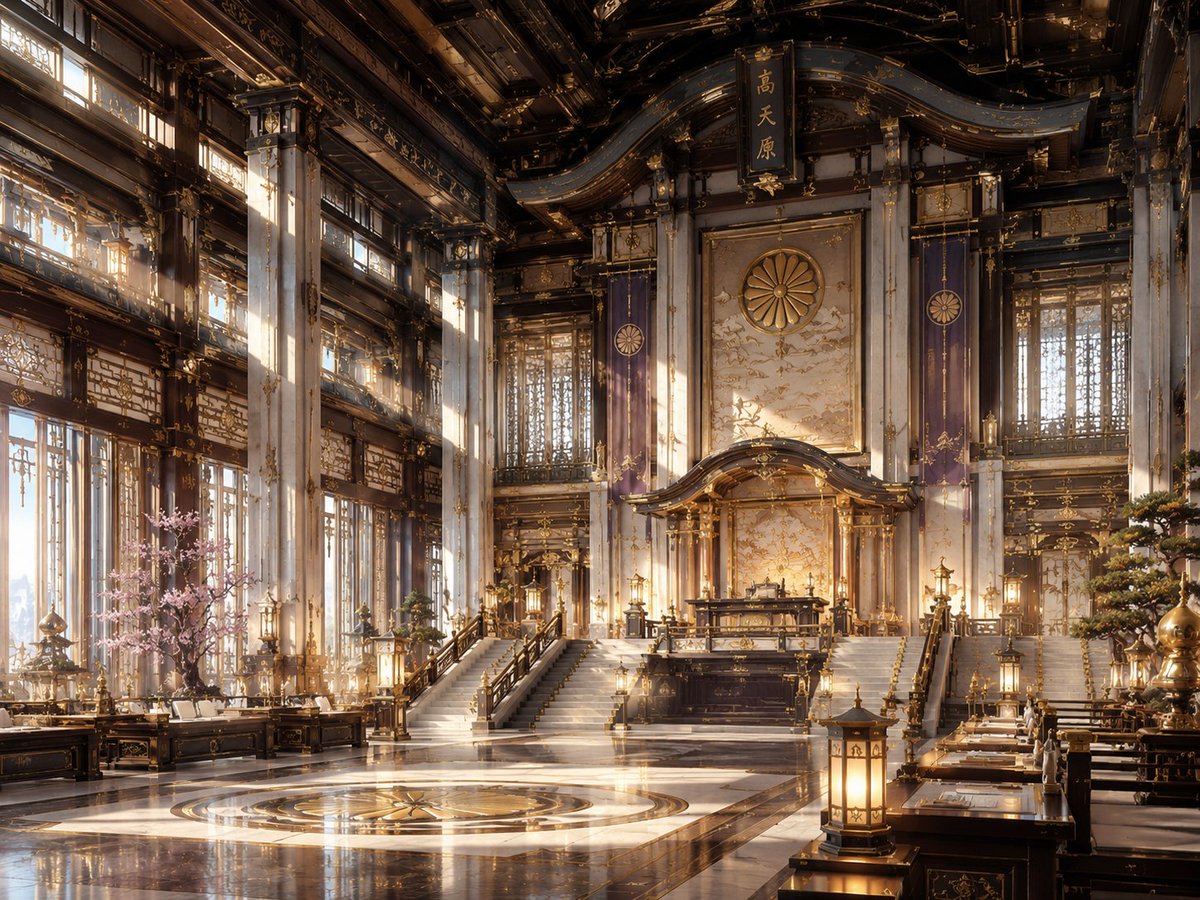
Create a grand cinematic interior scene in a fictional aesthetic called {argument name="aesthetic name" default="NeoNippon"}: a vast imperial throne hall blending traditional Japanese shrine and palace architecture with futuristic luxury. The composition is a wide-angle 4:3 view from floor level, symmetrical and majestic, centered on an elevated ceremonial dais with a dark lacquer-and-gold altar or throne platform reached by two broad staircases. Behind it is a tall ornate wall panel with a large golden chrysanthemum crest, flanked by two vertical purple banners bearing circular imperial emblems; above the crest hangs a vertical black plaque with gold Japanese kanji. The hall has towering white marble columns with gold filigree, dark carved wooden beams, curved layered rooflines, intricate gilded lattice windows, hanging lanterns, polished black-and-white marble floors, and a circular gold medallion inlaid in the foreground floor. Count the main visible focal elements as: 1 central raised dais, 2 broad staircases, 1 large chrysanthemum crest, 2 purple banners, 1 hanging kanji plaque, 1 circular floor medallion, 1 pink cherry blossom tree on the left, 1 manicured pine or bonsai-like tree on the right, and multiple warm lanterns arranged symmetrically along desks, rails, and columns. Add long low lacquered tables and benches along both sides like a ceremonial council chamber, decorated with gold ornaments and papers. Use warm sunrise light streaming through tall windows on the left, visible dust motes and soft volumetric rays, glowing gold highlights, reflections on the glossy floor, and a palette of dark ebony wood, ivory marble, antique gold, royal purple, and soft sakura pink. Render as ultra-detailed architectural concept art, photorealistic yet slightly fantastical, no people, no modern signage, no watermark, no readable English text.