Case Media
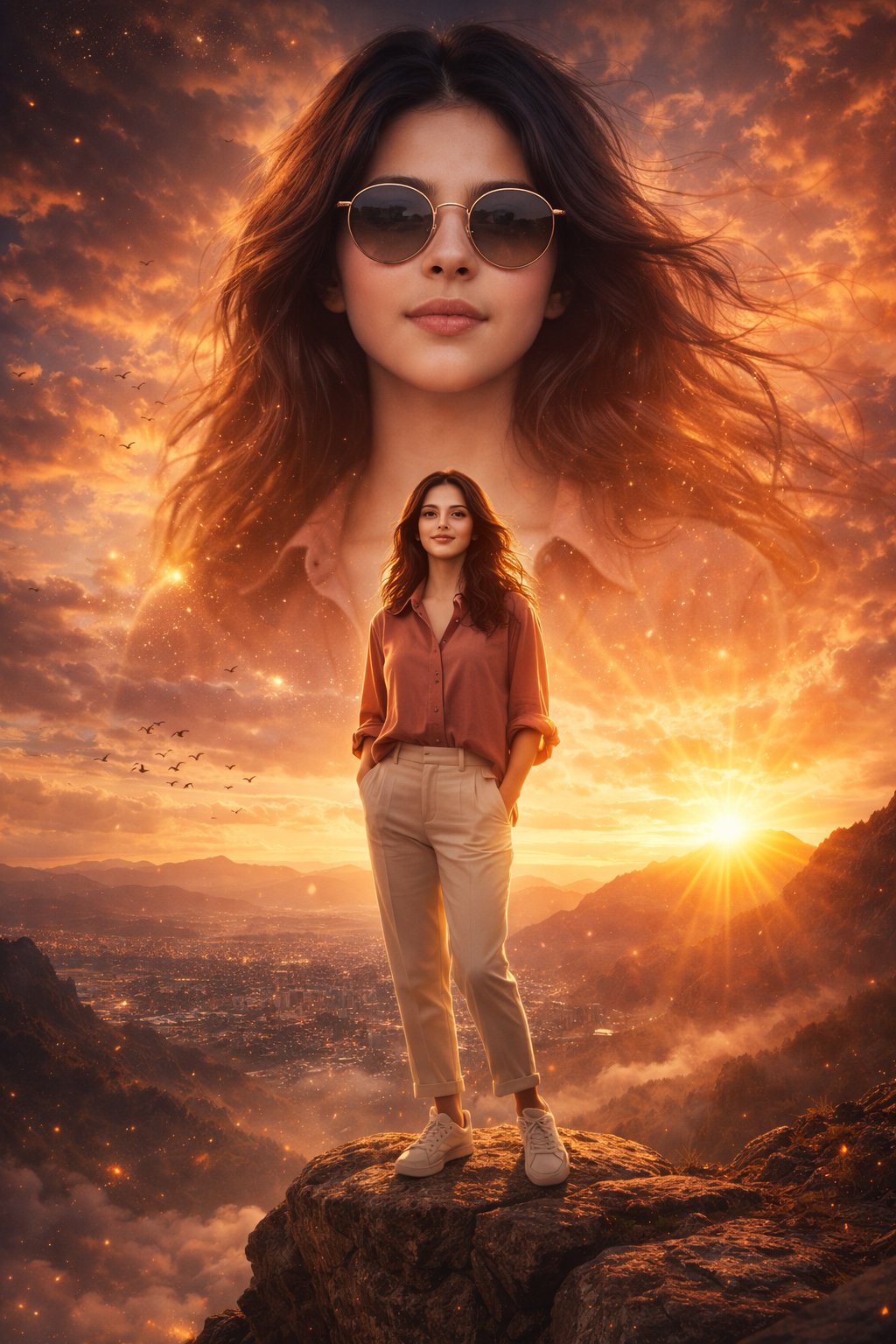
Case Notes
This page keeps the media, full prompt, and original source together so you can inspect the result first and decide whether the prompt is worth copying, saving, or comparing.
Case Insights
To make this page easier to search, cite, and reuse later, the case is also broken down into practical guidance about usage, visual cues, and prompt structure.
Best Fit Scenarios
- Use this as a portrait & photography benchmark when you need a fast style baseline before rewriting your own prompt.
- It is especially helpful if your target overlaps with 35mm, Portrait, Cinematic and you want to judge the image result before tuning wording.
- Keep it as a control sample when you compare nearby prompt variants one variable at a time.
Visual Signals To Notice
- The clearest style signals here are 35mm, Portrait, Cinematic, so those should usually stay in your first rewrite.
- Focus on framing, light direction, pose, and the distance between subject and camera.
- This case keeps one primary output, so the first image should be treated as the main visual reference.
How The Prompt Is Structured
- The prompt reads as a long, highly specified prompt, which is useful when you want to judge how much specificity this direction needs.
- Its keyword cluster is centered on 35mm, Portrait, Cinematic, so you can usually keep that cluster while swapping subject, camera, layout, or copy details.
- A practical rewrite path is: keep the outcome, keep the strongest style cues, then replace only the subject and environment blocks.
Good Follow-up Questions
- What changes first if you keep 35mm, Portrait, Cinematic but switch the subject matter?
- Which part of the result comes from section-level structure (Portrait & Photography) versus tag-level style cues?
- Which related cases in the same section give you a cleaner or more extreme variation of the same direction?
Full Prompt
Ultra-realistic IMAX-level Netflix-style cinematic surreal double-exposure portrait, 9:16 vertical composition, an epic movie poster aesthetic featuring a beautiful young woman in two distinct visual layers. Foreground: a full-body shot of the woman standing confidently on a rugged, elevated mountain rock overlooking a sprawling distant city, hands relaxed in her pockets, facial expression serene and gently smiling, outfit: a relaxed dusty rose button-down shirt with rolled-up sleeves, tailored off-white trousers, and crisp white sneakers. Background/Sky Layer: a massive, ethereal, semi-translucent double-exposure close-up portrait of the same woman dominating the dramatic sky, wearing stylish round wire-frame sunglasses, her long dark hair blowing gracefully and blending seamlessly into the sweeping sunset clouds, environment: majestic mountain valley city view below, a flock of birds flying across the warm sky, cinematic glowing dust particles and magical golden embers floating throughout the air, lighting: breathtaking golden hour sunset lighting, a brilliant sunburst breaking over the right horizon casting striking volumetric light rays across the landscape, perfect warm rim lighting highlighting the foreground figure, color grading: epic sunset palette featuring rich ambers, glowing golds, soft mauve, and earthy mountain tones, realistic HDR depth, camera: 35mm anamorphic cinema lens, razor-sharp focus on the foreground figure and the floating particles while the giant sky portrait remains perfectly blended into the atmospheric clouds, skin finish: highly detailed, beautifully illuminated by the golden sun, preserving natural pores and realistic texture, overall mood: triumphant, dreamy, larger-than-life, and deeply cinematic with premium 8K VFX realism. Face Lock: Enable strict identity preservation mode. Keep the face exactly the same as the uploaded reference for both the foreground and background figures. Achieve 100% face matching without altering the nose, chin, or natural facial structure. Maintain absolute consistency of the subject's identity; everything same as upload. Negative Prompt: bad hands, distorted fingers, extra fingers, awkward pose, flat lighting, dull sky, overexposed sun, blurry face, bad CGI, 3D render, cartoon, overly smoothed plastic skin, heavy artificial makeup, identity drift, poorly blended double exposure, harsh unnatural lines, watermark, text, signature.