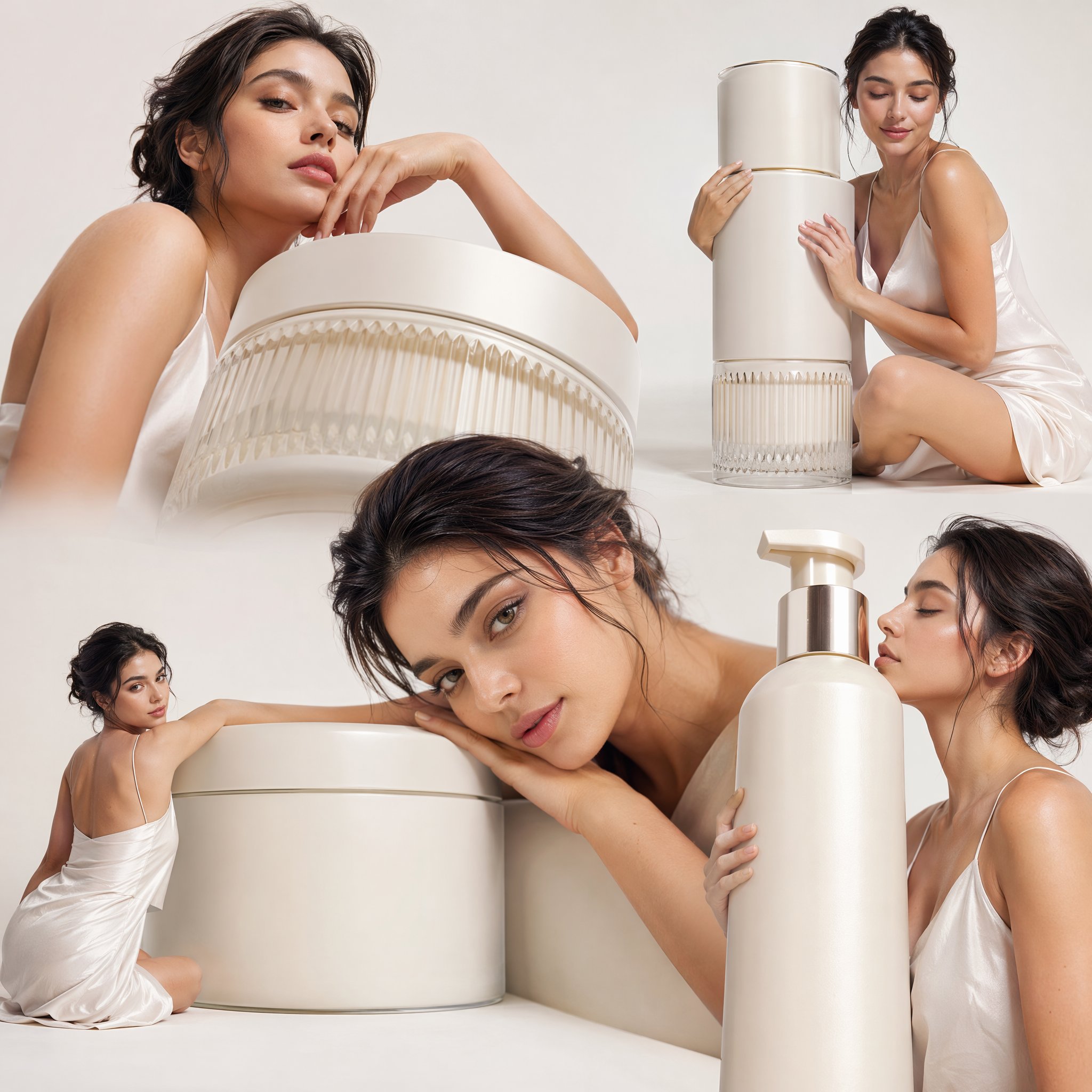
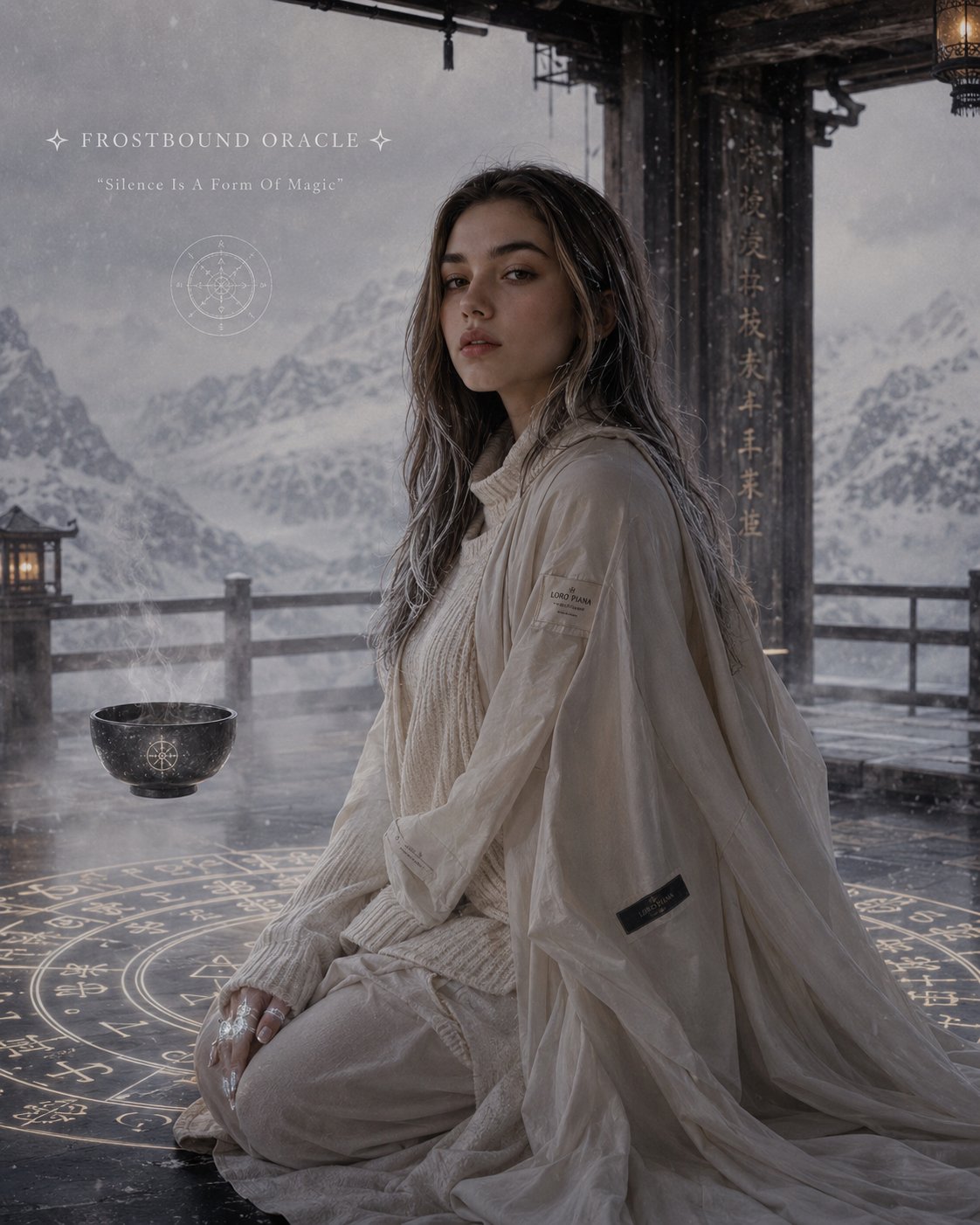
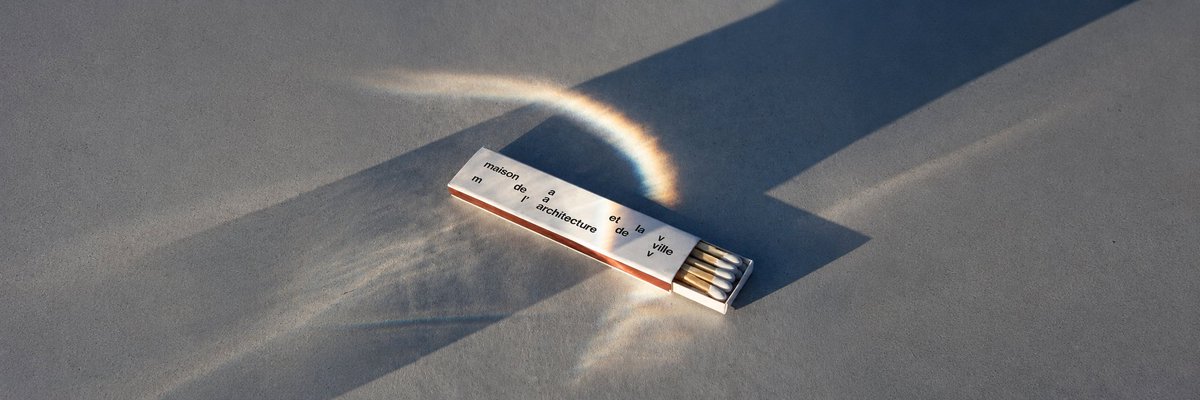
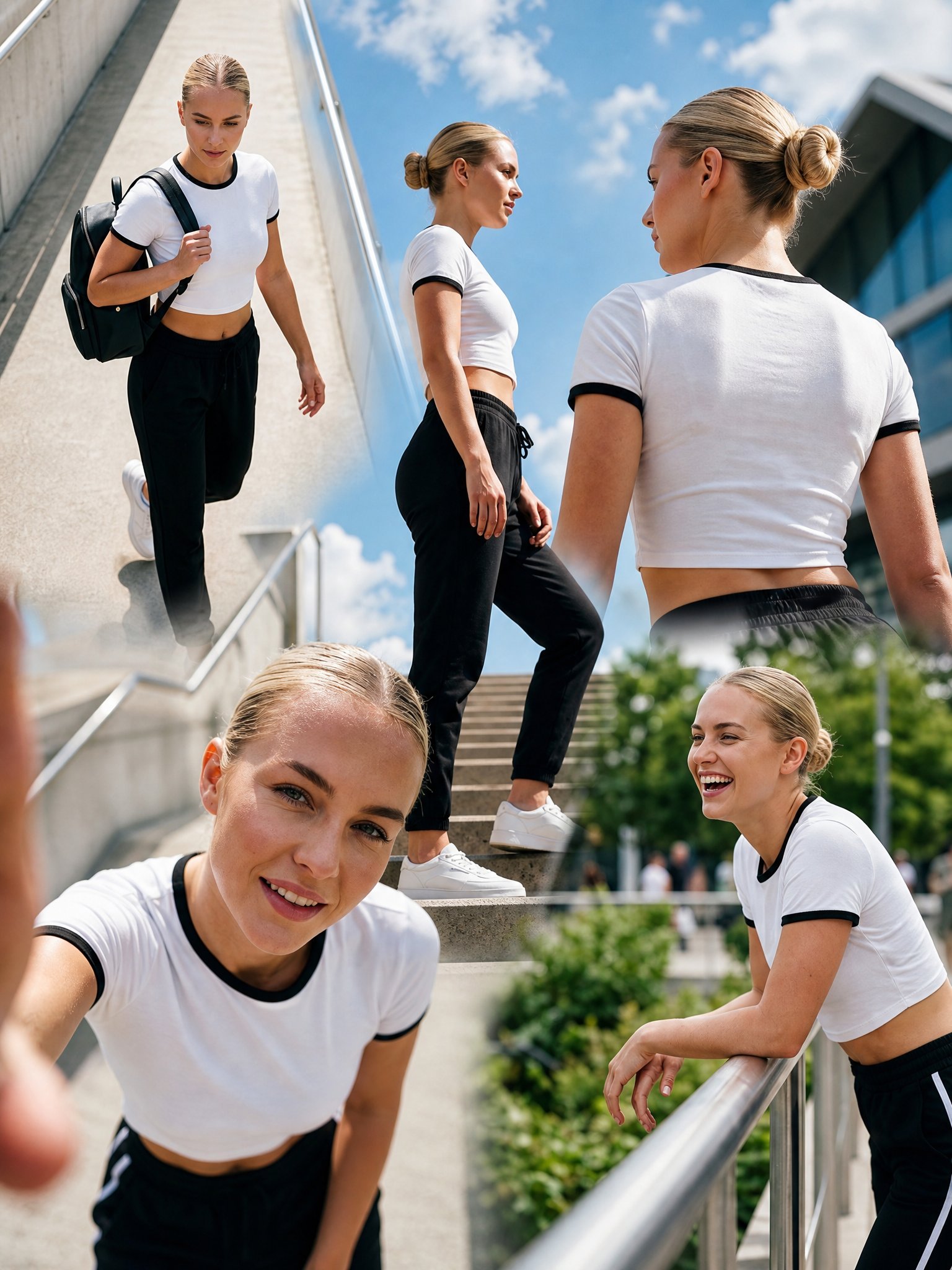
Case Media
Case Notes
This page keeps the media, full prompt, and original source together so you can inspect the result first and decide whether the prompt is worth copying, saving, or comparing.
Case Insights
To make this page easier to search, cite, and reuse later, the case is also broken down into practical guidance about usage, visual cues, and prompt structure.
Best Fit Scenarios
- Use this as a portrait & photography benchmark when you need a fast style baseline before rewriting your own prompt.
- It is especially helpful if your target overlaps with 35mm, Portrait, Cinematic and you want to judge the image result before tuning wording.
- Keep it as a control sample when you compare nearby prompt variants one variable at a time.
Visual Signals To Notice
- The clearest style signals here are 35mm, Portrait, Cinematic, so those should usually stay in your first rewrite.
- Focus on framing, light direction, pose, and the distance between subject and camera.
- This case keeps one primary output, so the first image should be treated as the main visual reference.
How The Prompt Is Structured
- The prompt reads as a long, highly specified prompt, which is useful when you want to judge how much specificity this direction needs.
- Its keyword cluster is centered on 35mm, Portrait, Cinematic, so you can usually keep that cluster while swapping subject, camera, layout, or copy details.
- A practical rewrite path is: keep the outcome, keep the strongest style cues, then replace only the subject and environment blocks.
Good Follow-up Questions
- What changes first if you keep 35mm, Portrait, Cinematic but switch the subject matter?
- Which part of the result comes from section-level structure (Portrait & Photography) versus tag-level style cues?
- Which related cases in the same section give you a cleaner or more extreme variation of the same direction?
Full Prompt
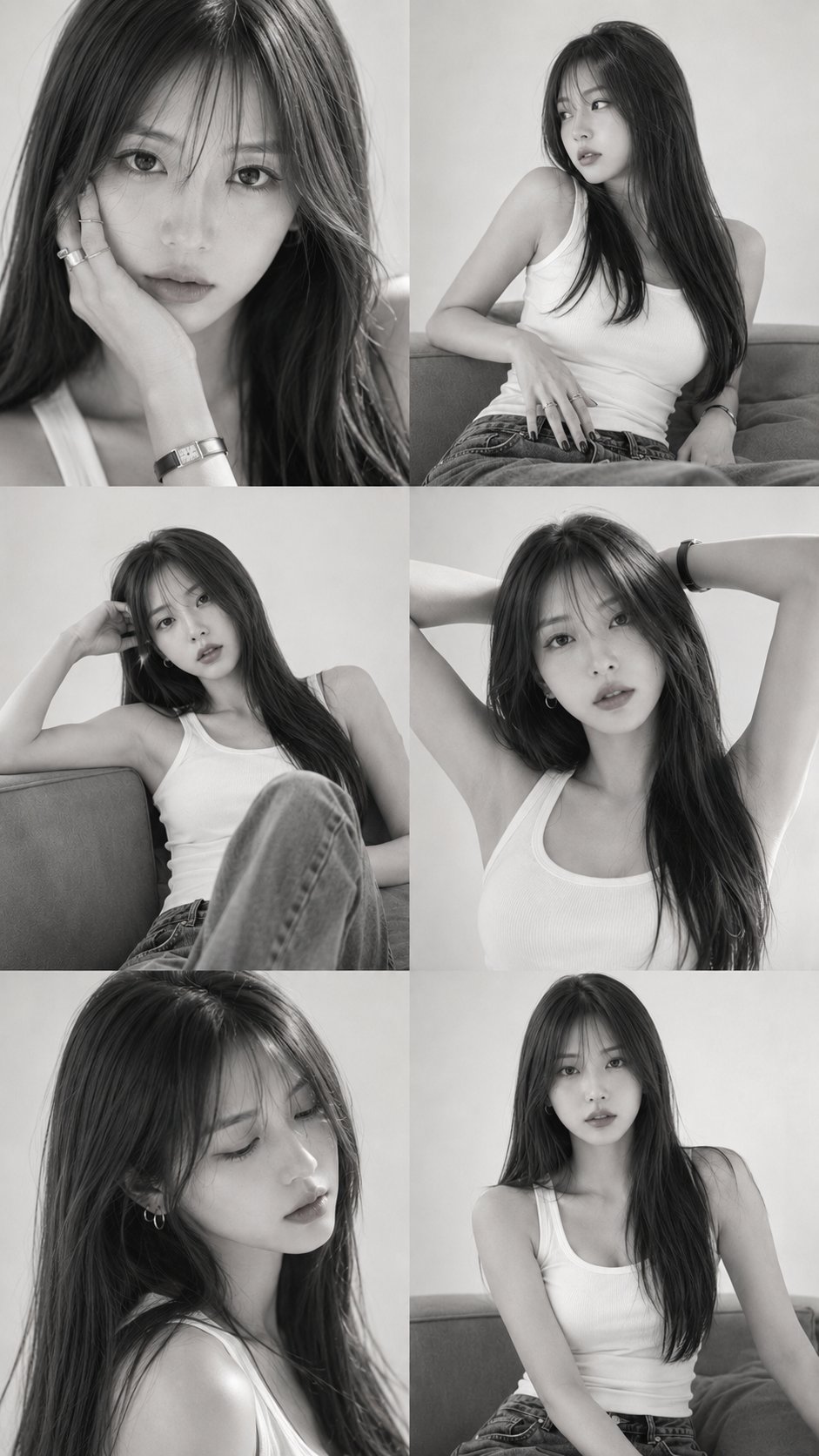
Edit this photo and don't change the face, portrait 9:16, no blur, HD, 8K. A monochrome editorial-style portrait collage featuring a young woman in a minimalist indoor studio setting. The composition is arranged as a 2x3 grid of six frames, each capturing different intimate, relaxed, and fashion-forward poses. The overall mood is sensual, cinematic, and timeless, inspired by classic black-and-white magazine portrait photography with soft natural light and subtle film grain. Her hair is waist length, deep ash gray brown. Korean long hush layers cut. Thin bangs see-through long bangs. Soft face framing front layer. Hair is made straight and sleek with a slight flip at the ends. Silky glossy texture with a little natural flyaway hair. Dewy clean skin. Natural fluffy brows. Soft brown eyeliner, mascara. Nude matte lips. Minimal blush. Fresh understated beauty look. She wears white ribbed fitted tank top. High-waisted baggy vintage washed jeans (partially shown in some frames). Black matte nail art. Accessories include multiple silver rings, silver thin watch, and small hoop earrings, adding an edgy editorial touch. Poses (Collage Breakdown) : 1. Close-up portrait with hand gently touching cheek, direct eye contact, soft intense gaze 2. Relaxed seated pose on a sofa, body slightly angled, looking away thoughtfully 3. Reclining pose with one knee raised, leaning into arm, sensual editorial posture 4. Hands raised behind head, relaxed confident expression, slightly leaning back 5. Soft portrait with head tilted, eyes closed, calm emotional mood 6. Straight-on seated pose, composed expression, subtle movement in hair for natural feel. Minimal indoor studio setting. Plain light-colored wall. Neutral sofa partially visible in some frames. Soft shadows adding depth without distraction. Shot with Canon EOS R5 / Sony A7R IV (or similar professional mirrorless camera). Mostly eye-level portrait angles. Occasional slight high-angle for softness and intimacy. Tight close-ups mixed with medium shots for variety. Rule-of-thirds composition in most frames. Editorial framing designed for magazine layout collage. Soft natural diffused studio lighting. Even illumination with gentle shadows on one side of the face. Slight backlight separation for hair definition. No harsh flash, very soft cinematic contrast. Black and white film conversion. Soft contrast with lifted shadows. Fine film grain texture (35mm analog feel). Slight matte finish with reduced blacks. High detail in skin texture but smooth tonal blending. Inspired by vintage fashion magazine editorial photography.