Case Media
Case Notes
This page keeps the media, full prompt, and original source together so you can inspect the result first and decide whether the prompt is worth copying, saving, or comparing.
Case Insights
To make this page easier to search, cite, and reuse later, the case is also broken down into practical guidance about usage, visual cues, and prompt structure.
Best Fit Scenarios
- Use this as a portrait & photography benchmark when you need a fast style baseline before rewriting your own prompt.
- It is especially helpful if your target overlaps with Portrait, Cinematic, City Visual and you want to judge the image result before tuning wording.
- Keep it as a control sample when you compare nearby prompt variants one variable at a time.
Visual Signals To Notice
- The clearest style signals here are Portrait, Cinematic, City Visual, so those should usually stay in your first rewrite.
- Focus on framing, light direction, pose, and the distance between subject and camera.
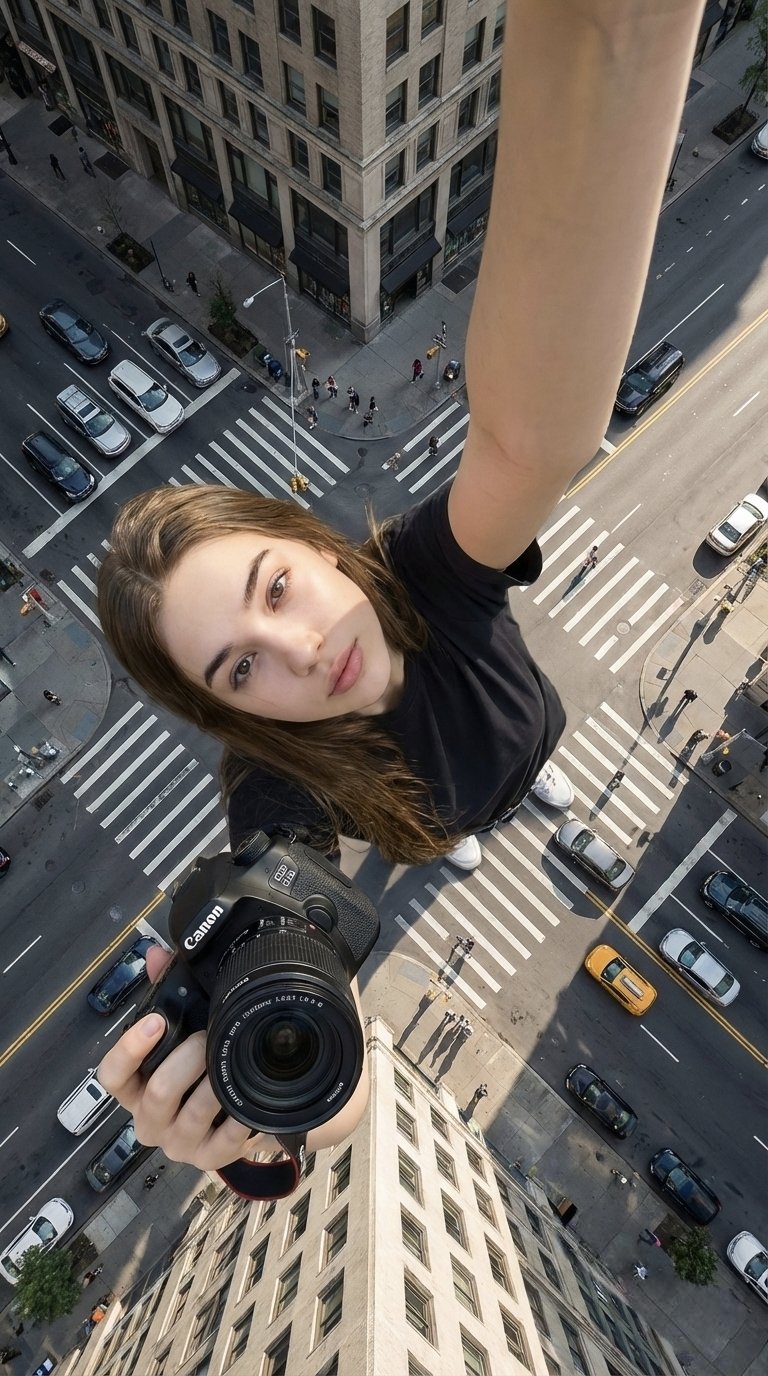
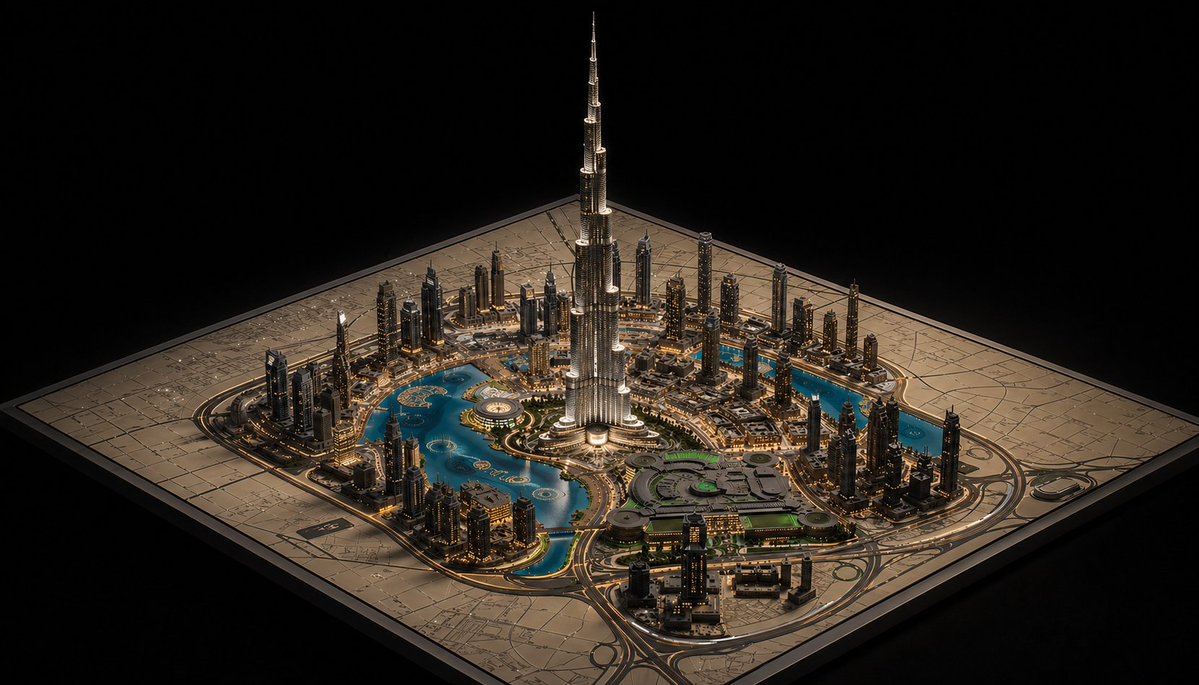
- This case keeps one primary output, so the first image should be treated as the main visual reference.
How The Prompt Is Structured
- The prompt reads as a long, highly specified prompt, which is useful when you want to judge how much specificity this direction needs.
- Its keyword cluster is centered on Portrait, Cinematic, City Visual, so you can usually keep that cluster while swapping subject, camera, layout, or copy details.
- A practical rewrite path is: keep the outcome, keep the strongest style cues, then replace only the subject and environment blocks.
Good Follow-up Questions
- What changes first if you keep Portrait, Cinematic, City Visual but switch the subject matter?
- Which part of the result comes from section-level structure (Portrait & Photography) versus tag-level style cues?
- Which related cases in the same section give you a cleaner or more extreme variation of the same direction?
Full Prompt
A hyper-detailed cinematic isometric miniature city model of {argument name="landmark tower" default="Burj Khalifa"} rising dramatically from the center of a square architectural master-plan board, presented like a luxury urban planning maquette on a black background. The composition shows one dominant ultra-tall silver skyscraper in the exact center, surrounded by a dense ring of modern high-rise towers, illuminated roads, bridges, and glowing warm city lights. Curving turquoise-blue water features and artificial lakes wrap around the central district in multiple connected pools and canals, with one large circular fountain-like feature near the tower base and several small island shapes visible in the water. In the lower right quadrant, include a large low-rise complex with rounded geometric roofs and subtle green-lit sections, connected by multilane roads and looping interchanges. The entire city sits on one square beige map board engraved with faint street grids and planning lines, with the board edges clearly visible and slightly raised. Viewpoint is a high three-quarter isometric angle, centered and symmetrical, with the tower extending far upward into negative space. Lighting is dramatic and luxurious: warm golden edge lights on buildings and roads, cool reflections in the water, crisp metallic highlights on the central tower, and a deep black void surrounding the model. Style should feel like a photorealistic architectural visualization mixed with a premium collectible scale model, extremely intricate, sharp, polished, and elegant.