Case Media
Case Notes
This page keeps the media, full prompt, and original source together so you can inspect the result first and decide whether the prompt is worth copying, saving, or comparing.
Case Insights
To make this page easier to search, cite, and reuse later, the case is also broken down into practical guidance about usage, visual cues, and prompt structure.
Best Fit Scenarios
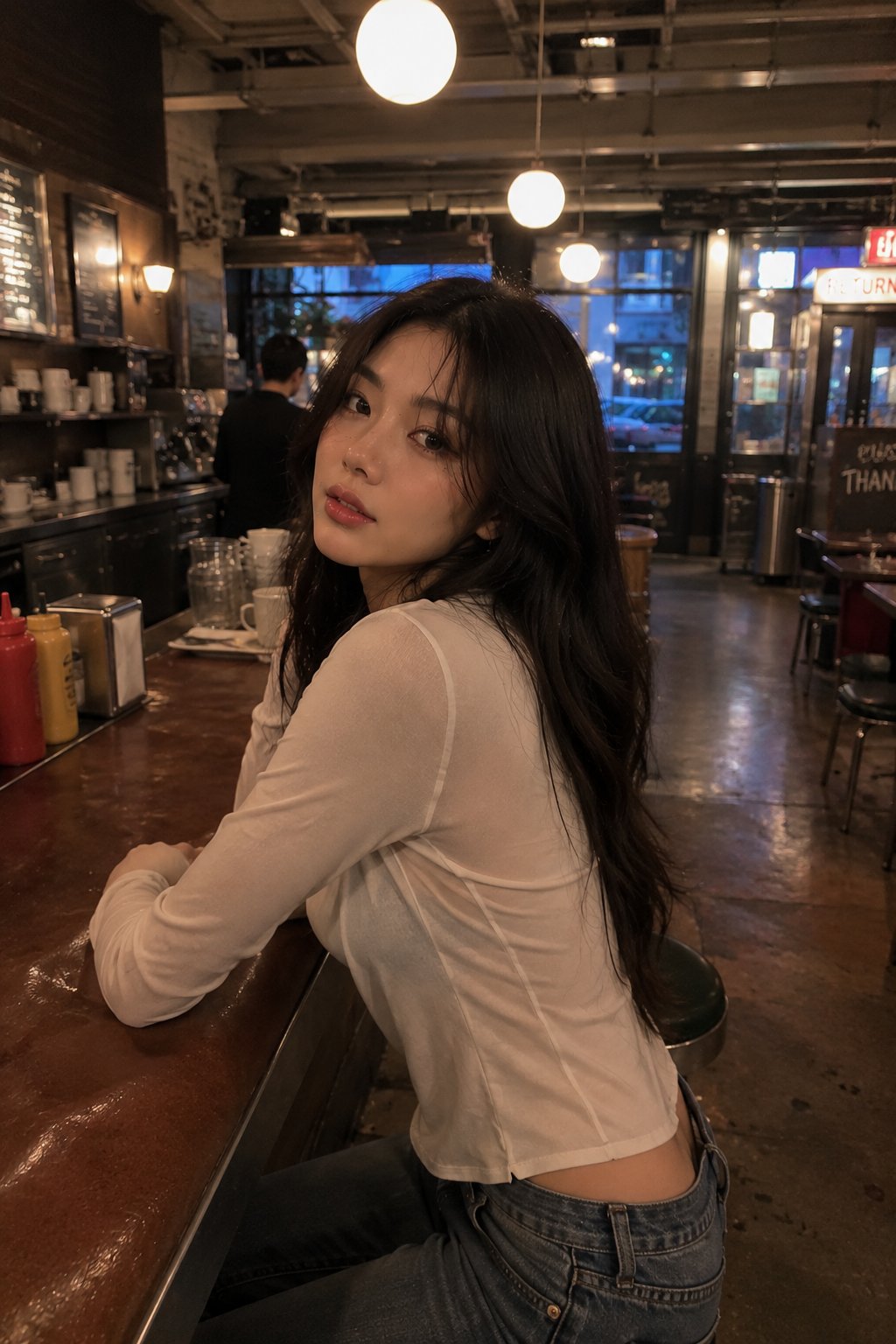
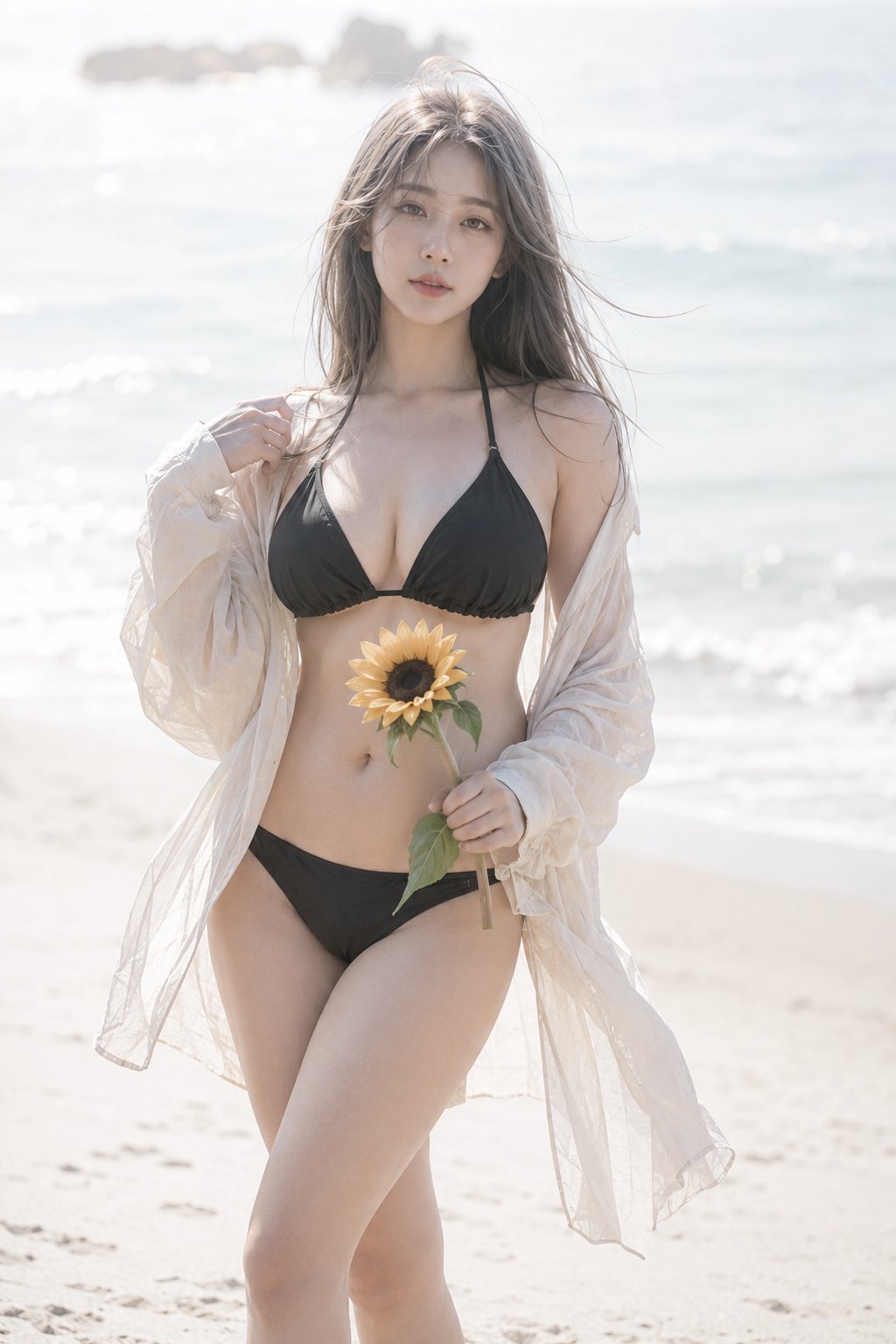
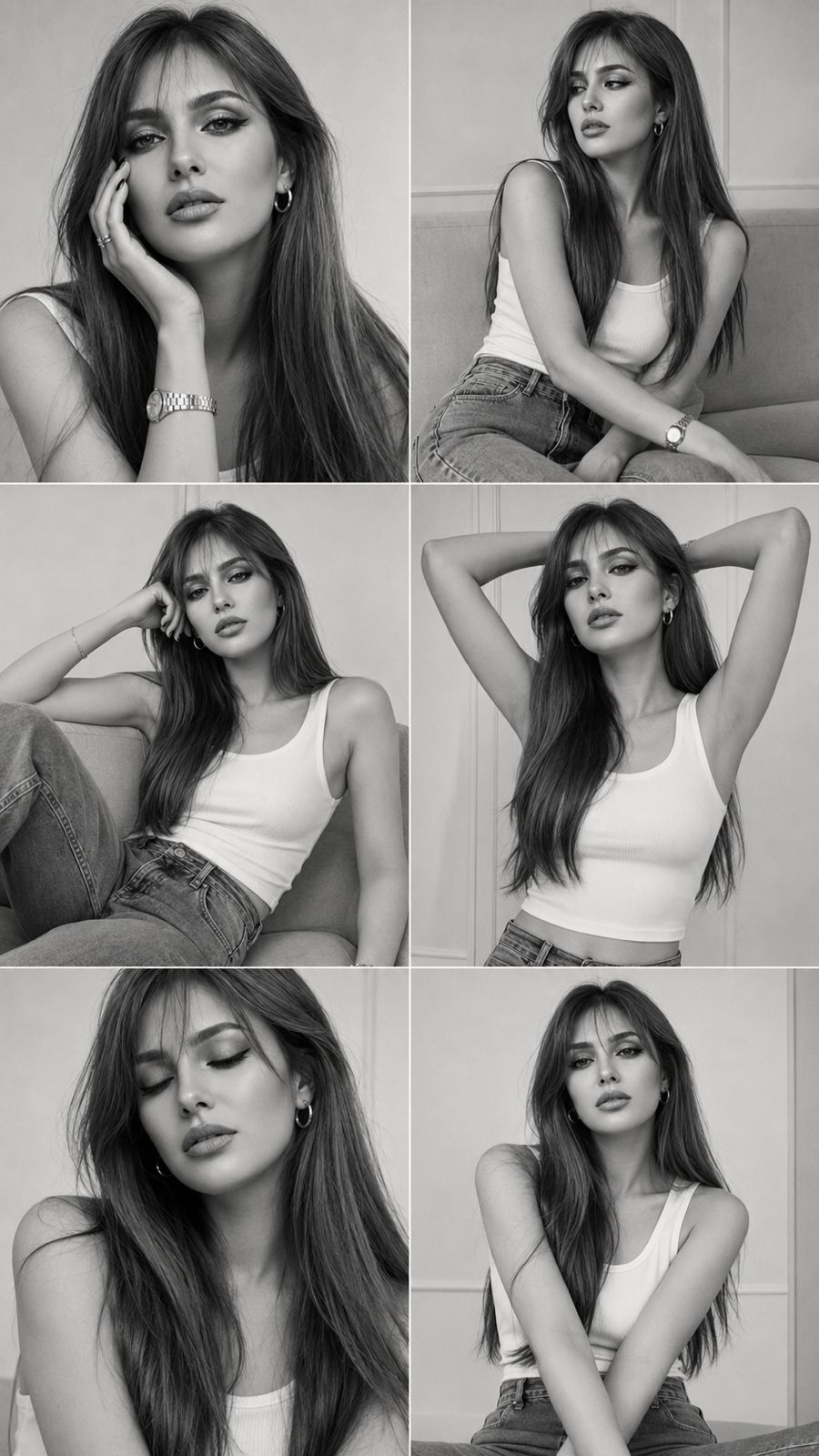
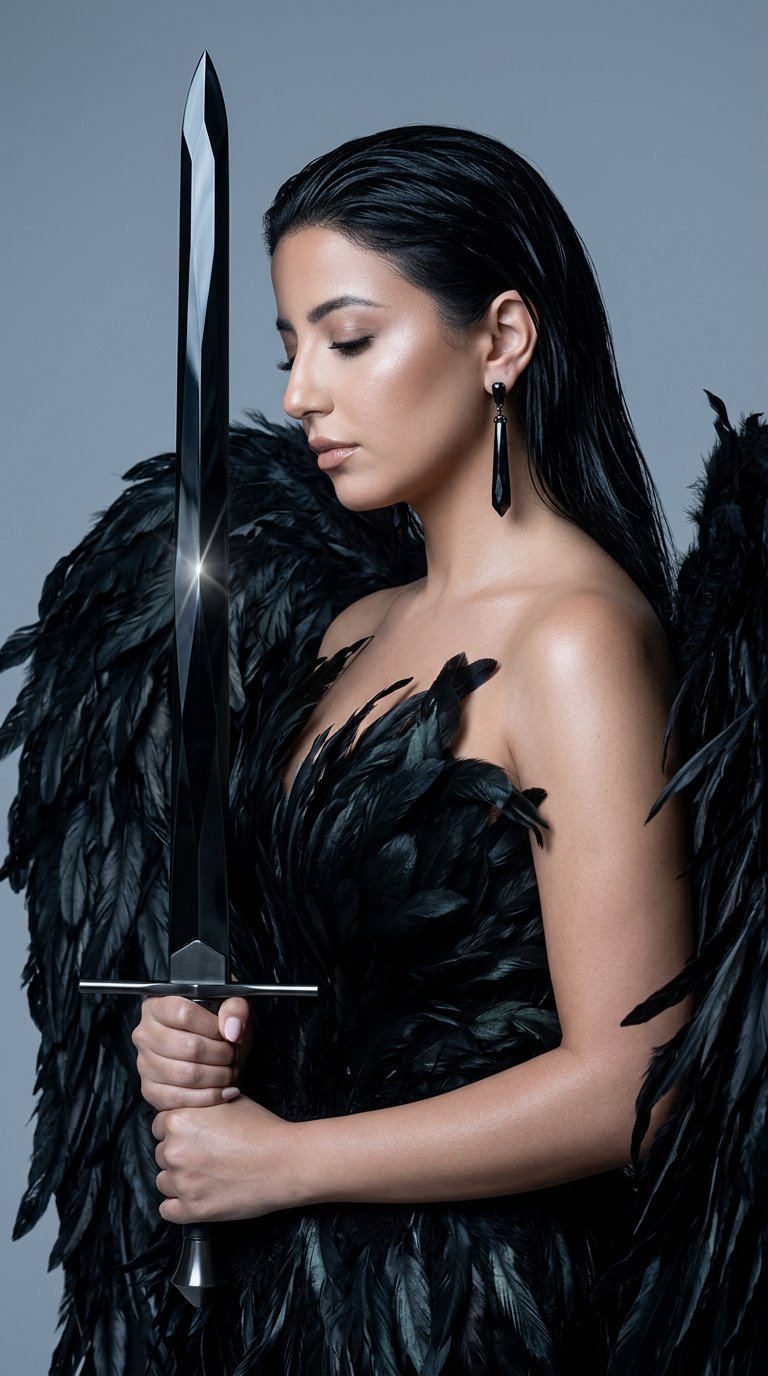
- Use this as a portrait & photography benchmark when you need a fast style baseline before rewriting your own prompt.
- It is especially helpful if your target overlaps with 35mm, Portrait, Cinematic and you want to judge the image result before tuning wording.
- Keep it as a control sample when you compare nearby prompt variants one variable at a time.
Visual Signals To Notice
- The clearest style signals here are 35mm, Portrait, Cinematic, so those should usually stay in your first rewrite.
- Focus on framing, light direction, pose, and the distance between subject and camera.
- This case keeps one primary output, so the first image should be treated as the main visual reference.
How The Prompt Is Structured
- The prompt reads as a long, highly specified prompt, which is useful when you want to judge how much specificity this direction needs.
- Its keyword cluster is centered on 35mm, Portrait, Cinematic, so you can usually keep that cluster while swapping subject, camera, layout, or copy details.
- A practical rewrite path is: keep the outcome, keep the strongest style cues, then replace only the subject and environment blocks.
Good Follow-up Questions
- What changes first if you keep 35mm, Portrait, Cinematic but switch the subject matter?
- Which part of the result comes from section-level structure (Portrait & Photography) versus tag-level style cues?
- Which related cases in the same section give you a cleaner or more extreme variation of the same direction?
Full Prompt
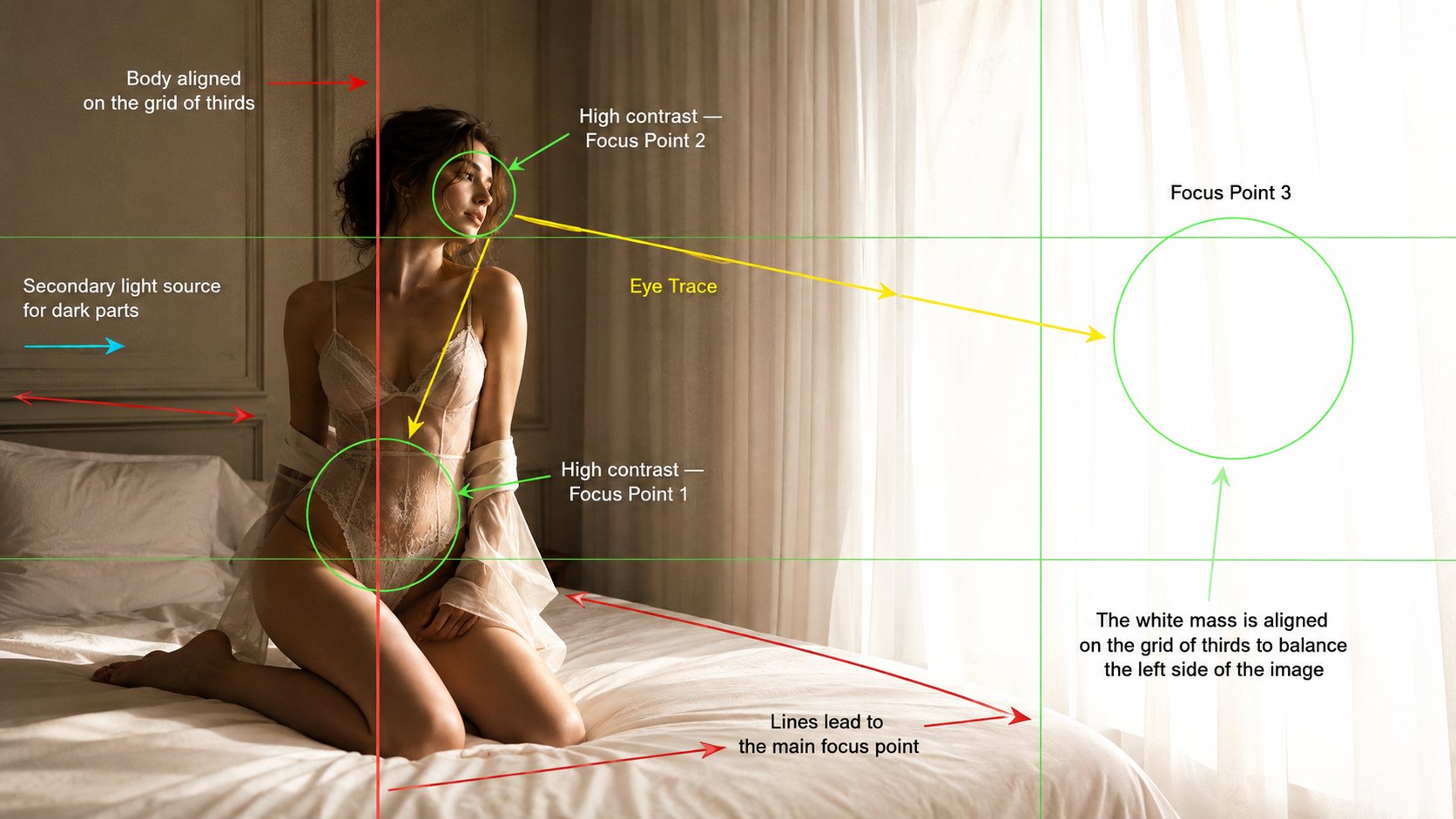
Create a cinematic fashion editorial photograph in a bright minimal bedroom, presented as a cinematography composition analysis frame. Main Image: A young adult female model kneeling on a soft white bed beside a large window with sheer white curtains. She is positioned on the left third of the frame, body aligned with the vertical rule-of-thirds grid line. Her body leans slightly backward, facing toward the glowing window light with a calm, distant, introspective expression. The right side of the image is filled with a large bright white luminous mass from overexposed daylight through sheer curtains, balancing the darker subject on the left. Lighting: Strong natural window light from the right side creates high contrast on the model’s face, upper body, waist, and silhouette. Add subtle secondary fill light from the left side to reveal shadow areas without flattening the contrast. Warm hazy morning atmosphere, soft highlights, realistic skin texture, gentle shadows, soft bloom near the curtains. Composition Overlay: Add visible cinematography composition guide graphics over the image, like a film school analysis frame. Include: - Rule of thirds grid lines in thin green. - A red vertical line showing the model’s body aligned on the left rule of thirds grid. - Green circular focus markers around: 1. Waist and hip area as Focus Point 1. 2. Face area as Focus Point 2. 3. Bright curtain/window mass as Focus Point 3. - Yellow eye-trace arrows moving from the face to the waist/hip, then toward the glowing window. - Red leading-line arrows following the bed edge and wall panel lines toward the main focus point. - A cyan arrow showing secondary fill light coming from the left side. - Text labels placed cleanly around the frame: “Body aligned on the grid of thirds” “High contrast Focus Point 2” “Eye Trace” “Focus Point 3” “High contrast Focus Point 1” “Secondary light source for dark parts” “Lines lead to the main focus point” “The white mass is aligned on the grid of thirds to balance the left side of the image” Style: Luxury fashion editorial photography, soft cinematic realism, warm beige and white color palette, minimal bedroom, cream wall panels, white bedding, sheer curtains, subtle film grain, shallow depth of field, elegant composition, educational cinematography breakdown overlay. Camera: 35mm lens, medium wide framing, eye level camera angle, 16:9 widescreen.