Case Media
Case Notes
This page keeps the media, full prompt, and original source together so you can inspect the result first and decide whether the prompt is worth copying, saving, or comparing.
Case Insights
To make this page easier to search, cite, and reuse later, the case is also broken down into practical guidance about usage, visual cues, and prompt structure.
Best Fit Scenarios
- Use this as a portrait & photography benchmark when you need a fast style baseline before rewriting your own prompt.
- It is especially helpful if your target overlaps with Portrait, Fashion, Minimal and you want to judge the image result before tuning wording.
- Keep it as a control sample when you compare nearby prompt variants one variable at a time.
Visual Signals To Notice
- The clearest style signals here are Portrait, Fashion, Minimal, so those should usually stay in your first rewrite.
- Focus on framing, light direction, pose, and the distance between subject and camera.
- This case keeps 2 media outputs, which makes it easier to check whether the style remains stable across multiple results.
How The Prompt Is Structured
- The prompt reads as a long, highly specified prompt, which is useful when you want to judge how much specificity this direction needs.
- Its keyword cluster is centered on Portrait, Fashion, Minimal, so you can usually keep that cluster while swapping subject, camera, layout, or copy details.
- A practical rewrite path is: keep the outcome, keep the strongest style cues, then replace only the subject and environment blocks.
Good Follow-up Questions
- What changes first if you keep Portrait, Fashion, Minimal but switch the subject matter?
- Which part of the result comes from section-level structure (Portrait & Photography) versus tag-level style cues?
- Which related cases in the same section give you a cleaner or more extreme variation of the same direction?
Full Prompt
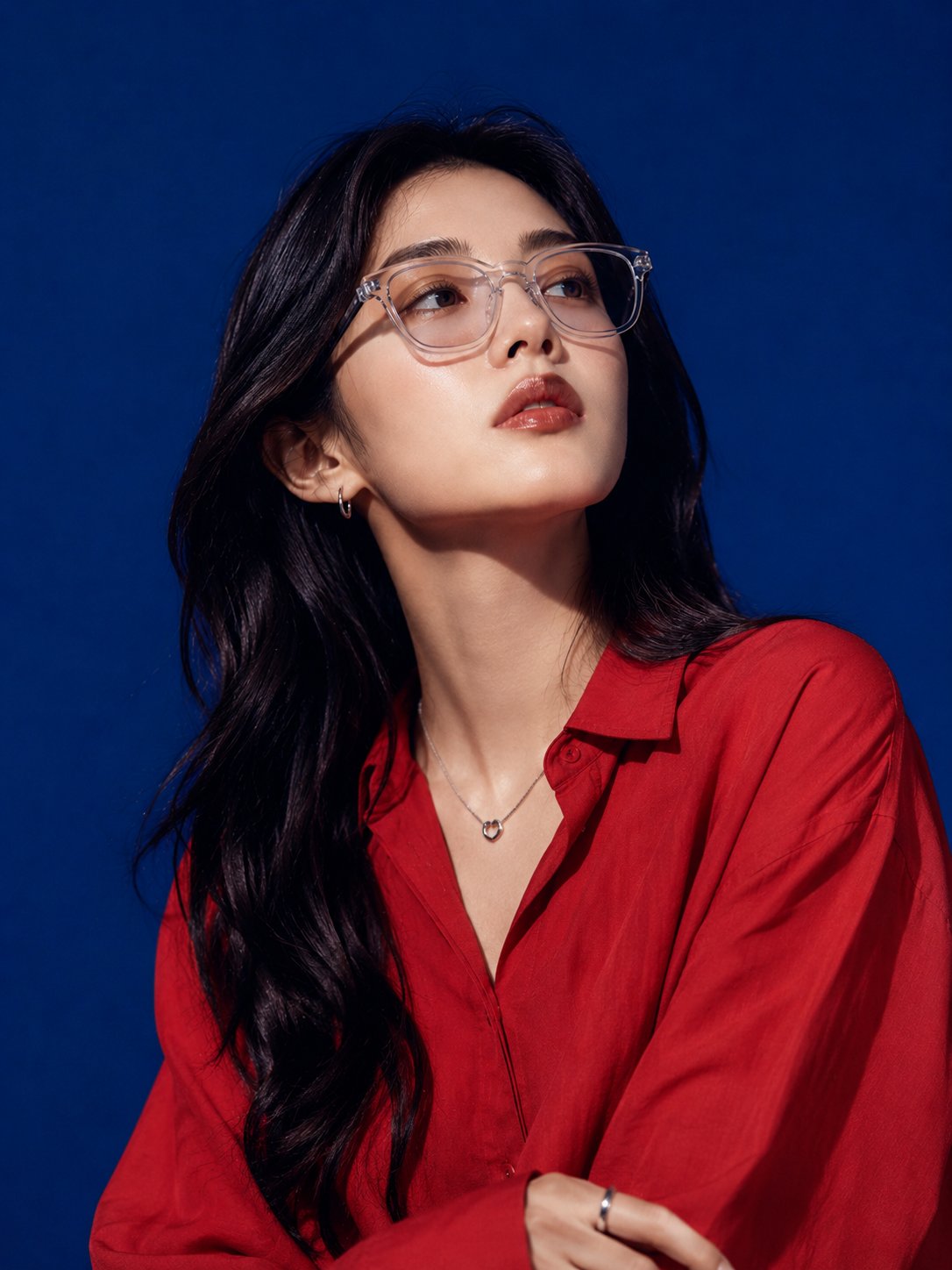
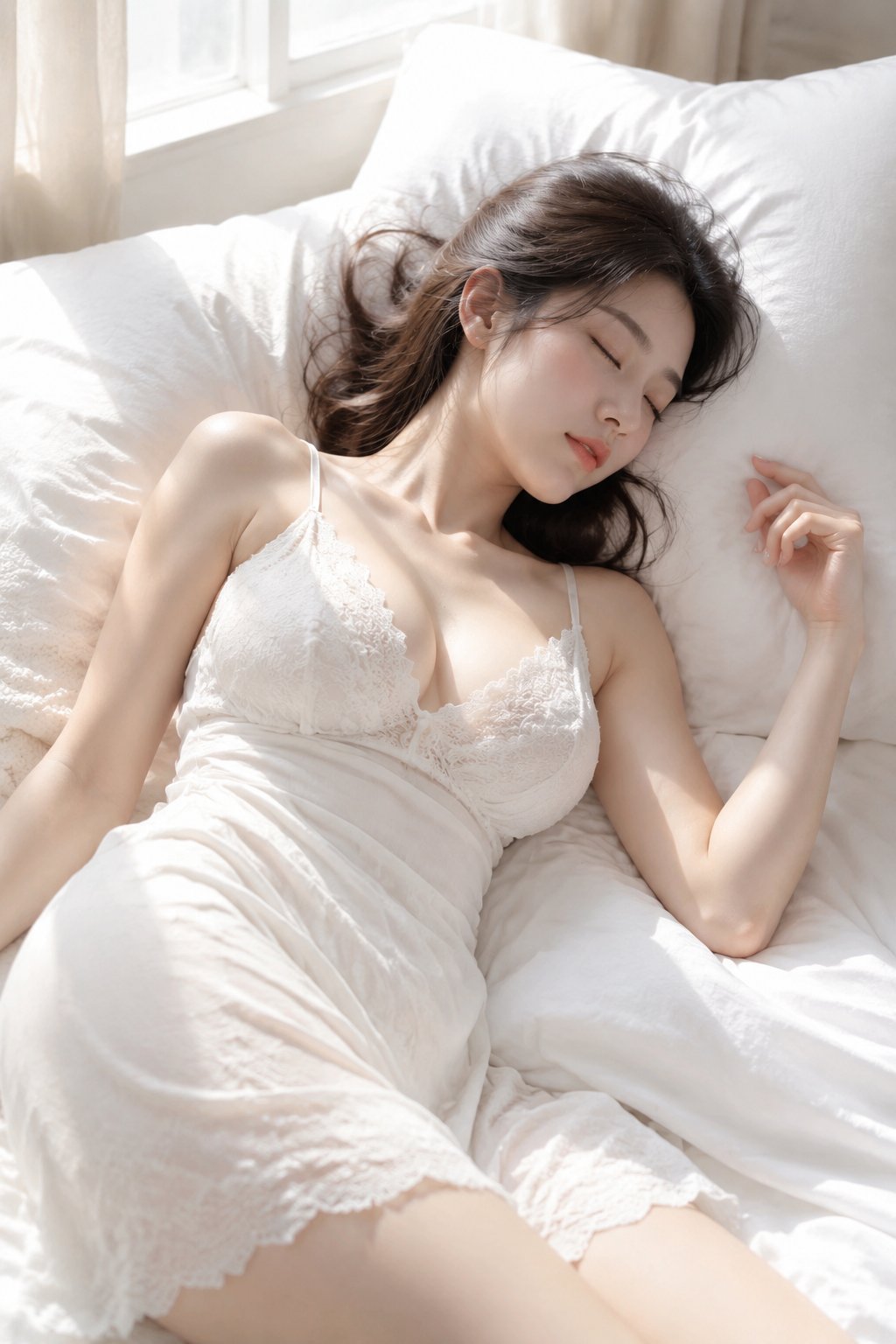
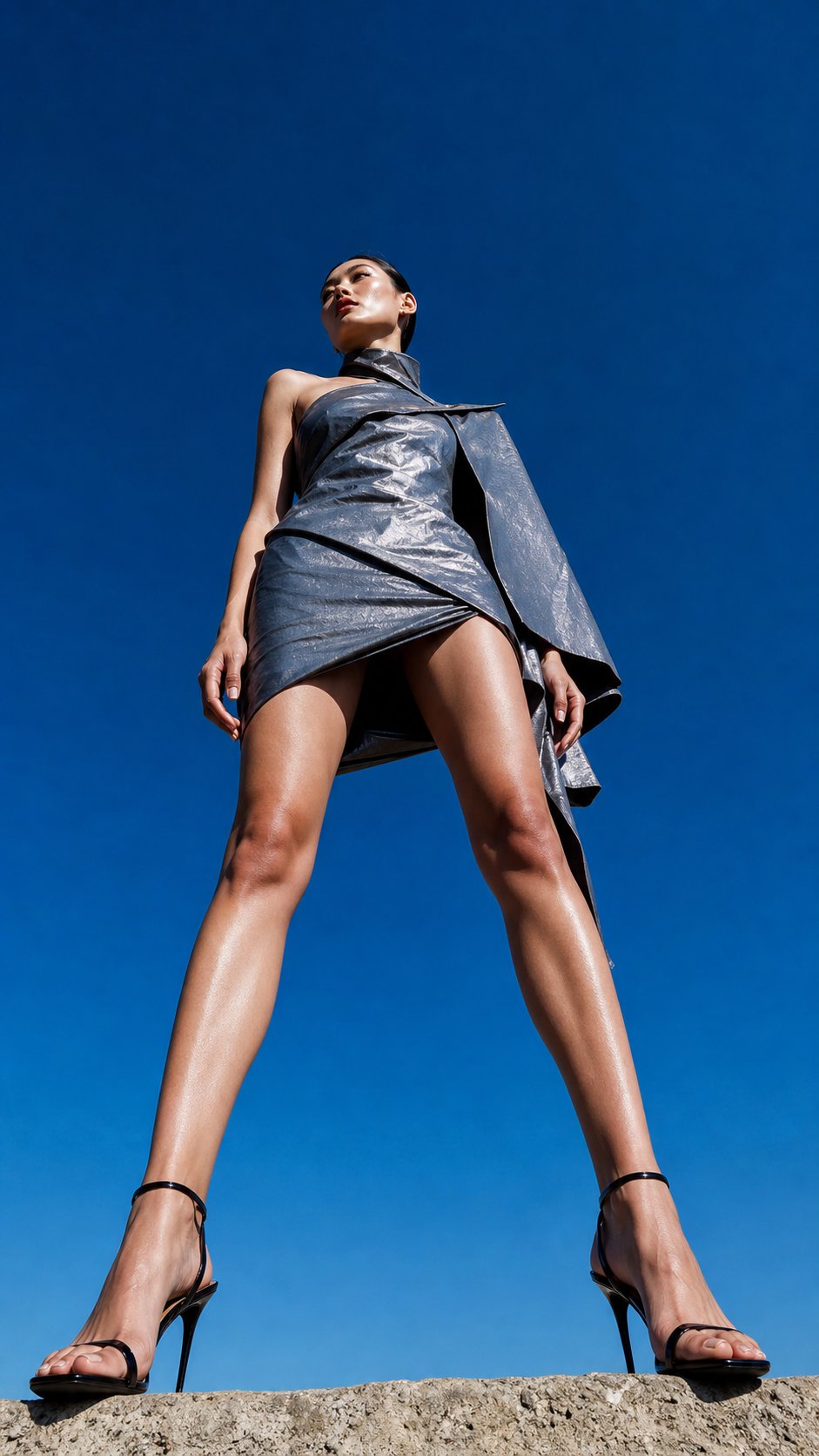
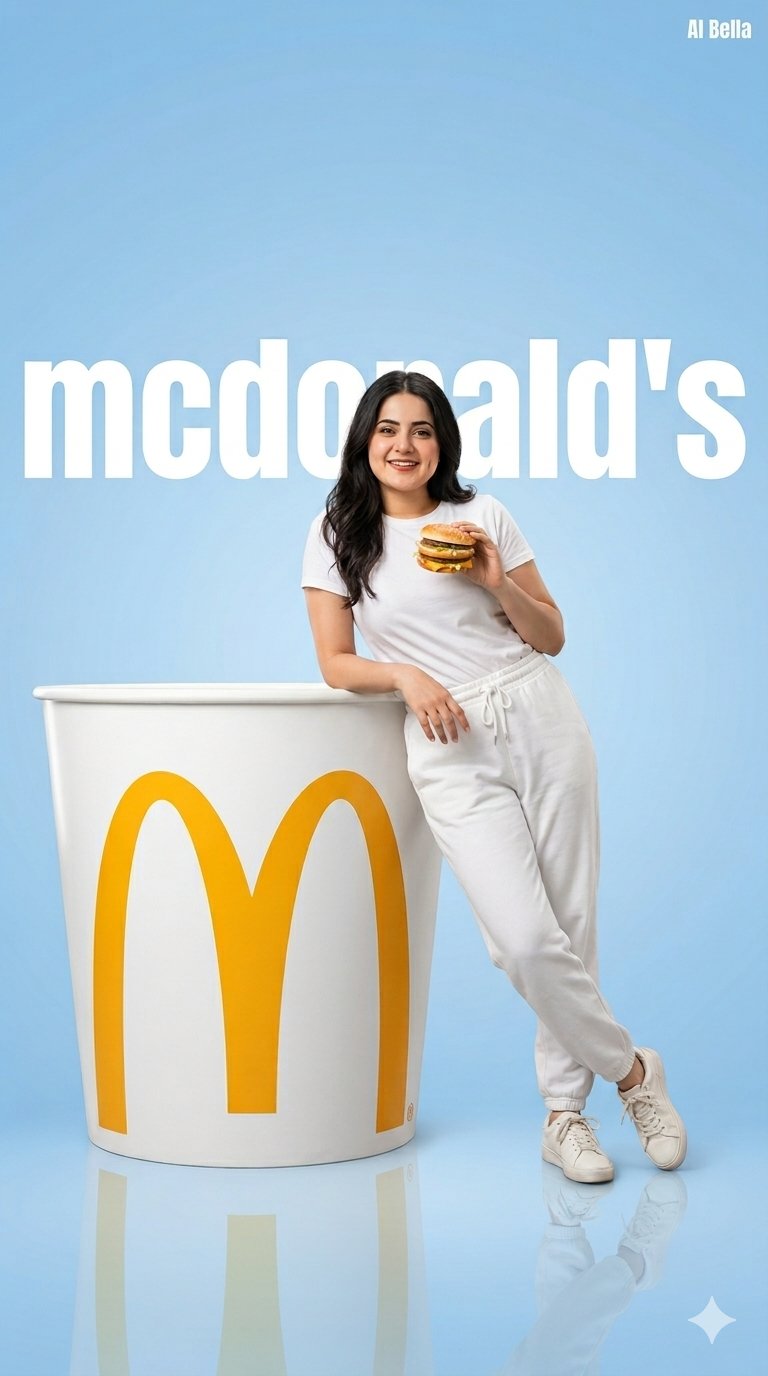
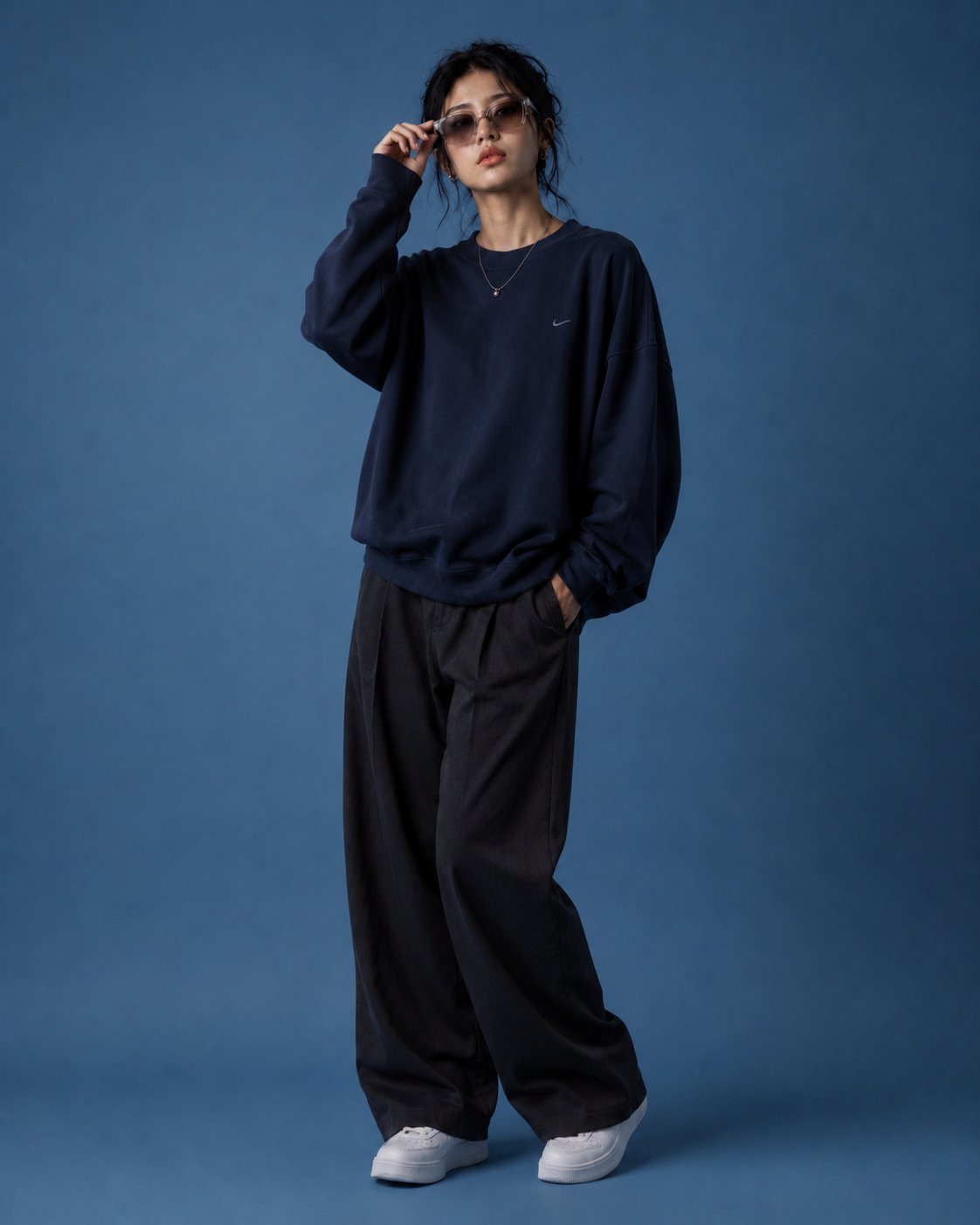
Using the uploaded image as the reference, keep the exact same person's face, facial features, hairstyle, expression, skin tone, body proportions, and overall identity completely unchanged. Preserve the exact same outfit, including the oversized navy Nike sweatshirt, loose dark wide-leg trousers, white sneakers, layered necklace, earrings, and tinted sunglasses. Change only the pose. Create a premium high-fashion editorial photoshoot pose where she stands with one leg elegantly crossed in front of the other, body slightly angled to the camera. One hand is casually placed inside the trouser pocket while the other hand gently holds the hem of the oversized sweatshirt near the waist. Shoulders relaxed, chin slightly lifted, head subtly tilted, creating a confident luxury-campaign attitude. Weight shifted naturally onto the back leg for a refined fashion-model stance. Maintain an effortless minimalist editorial vibe similar to luxury fashion magazines such as Vogue, Elle, or Harper’s Bazaar. The pose should feel natural, sophisticated, stylish, and professionally directed rather than exaggerated. Keep the solid blue studio backdrop exactly the same. Maintain soft diffused studio lighting with subtle shadows for depth and dimension. Preserve realistic fabric folds, accurate clothing textures, natural skin texture, and professional fashion retouching. Important: Do not change the face, age, hairstyle, sunglasses, outfit, accessories, colors, or styling. Do not add new clothing or props. Keep the same blue background and studio setup. Only improve the pose to look more professional, elegant, and editorial. Style: Ultra-realistic luxury fashion photography, magazine editorial campaign, premium studio photoshoot, sharp focus, natural skin texture, realistic fabric details, high-end commercial fashion advertising. Shot Type: Full-body portrait. Aspect Ratio: 4:5 vertical.