Case Media
Case Notes
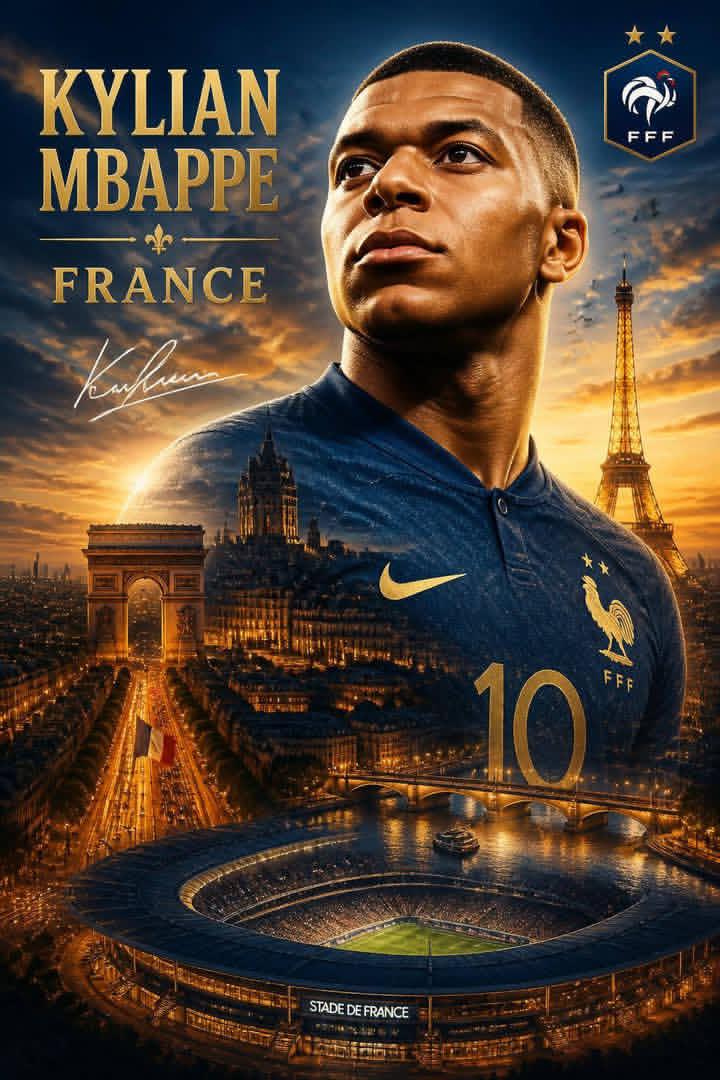
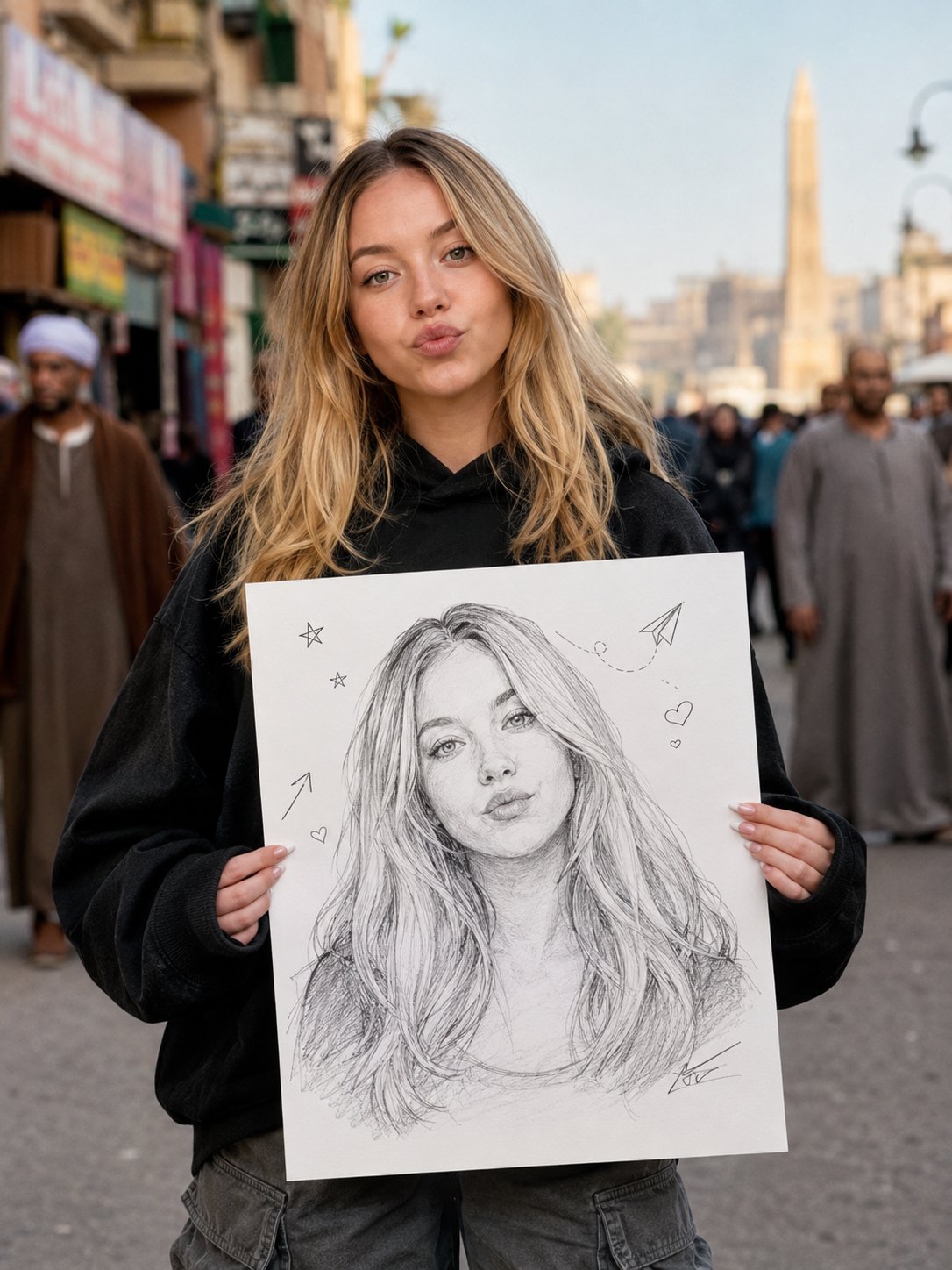
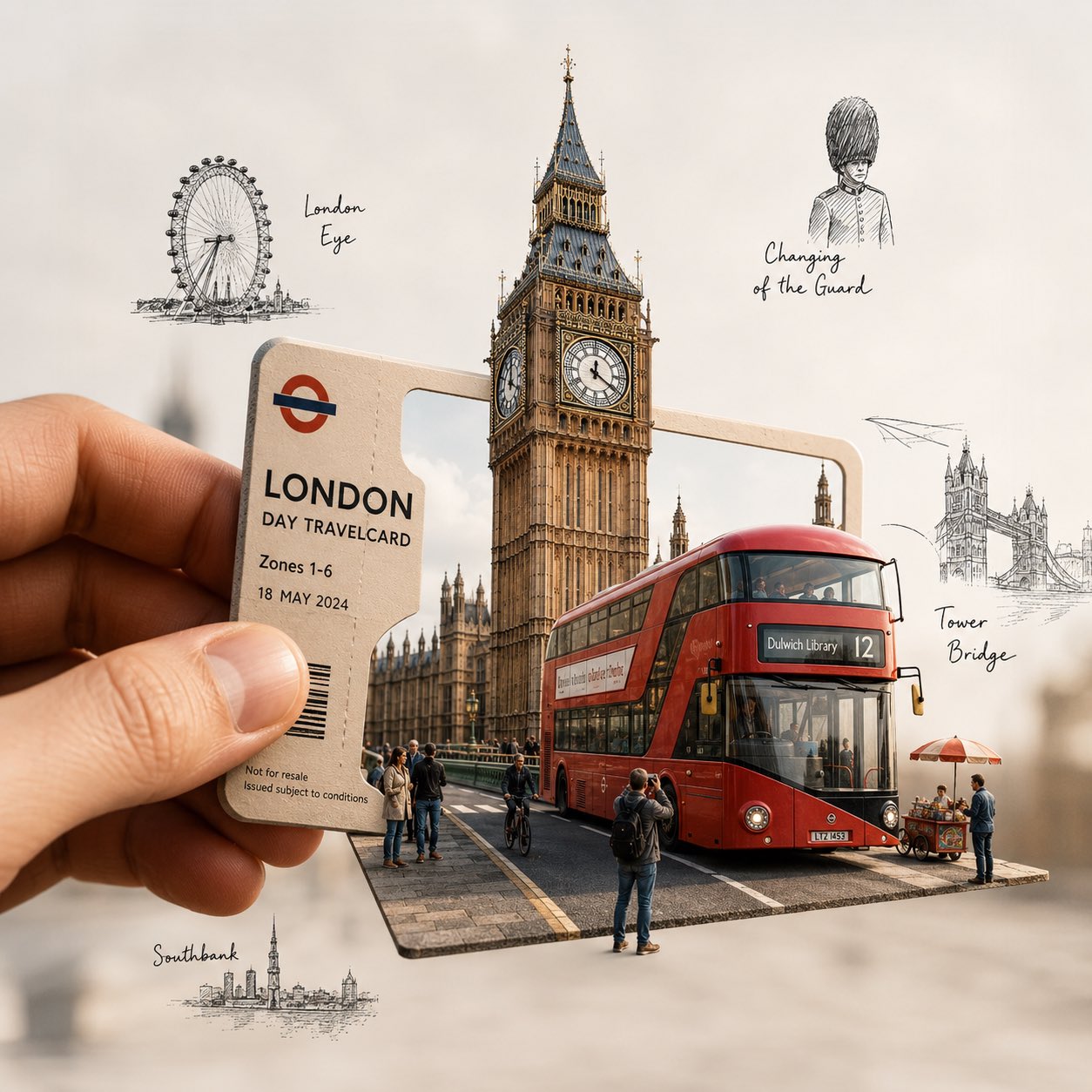
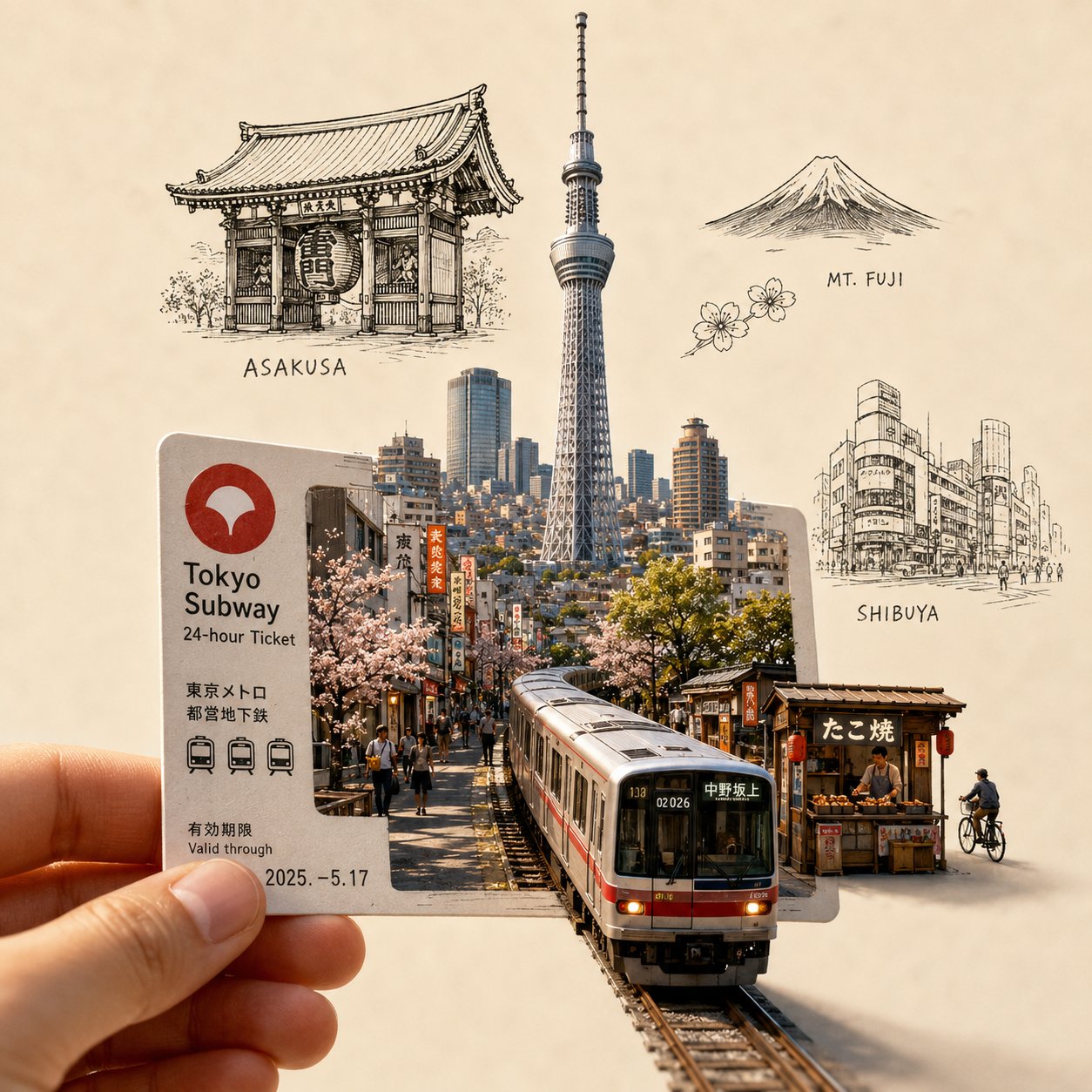
This page keeps the media, full prompt, and original source together so you can inspect the result first and decide whether the prompt is worth copying, saving, or comparing.
Case Insights
To make this page easier to search, cite, and reuse later, the case is also broken down into practical guidance about usage, visual cues, and prompt structure.
Best Fit Scenarios
- Use this as a portrait & photography benchmark when you need a fast style baseline before rewriting your own prompt.
- It is especially helpful if your target overlaps with Portrait, Cinematic, Fashion and you want to judge the image result before tuning wording.
- Keep it as a control sample when you compare nearby prompt variants one variable at a time.
Visual Signals To Notice
- The clearest style signals here are Portrait, Cinematic, Fashion, so those should usually stay in your first rewrite.
- Focus on framing, light direction, pose, and the distance between subject and camera.
- This case keeps 2 media outputs, which makes it easier to check whether the style remains stable across multiple results.
How The Prompt Is Structured
- The prompt reads as a long, highly specified prompt, which is useful when you want to judge how much specificity this direction needs.
- Its keyword cluster is centered on Portrait, Cinematic, Fashion, so you can usually keep that cluster while swapping subject, camera, layout, or copy details.
- A practical rewrite path is: keep the outcome, keep the strongest style cues, then replace only the subject and environment blocks.
Good Follow-up Questions
- What changes first if you keep Portrait, Cinematic, Fashion but switch the subject matter?
- Which part of the result comes from section-level structure (Portrait & Photography) versus tag-level style cues?
- Which related cases in the same section give you a cleaner or more extreme variation of the same direction?
Full Prompt
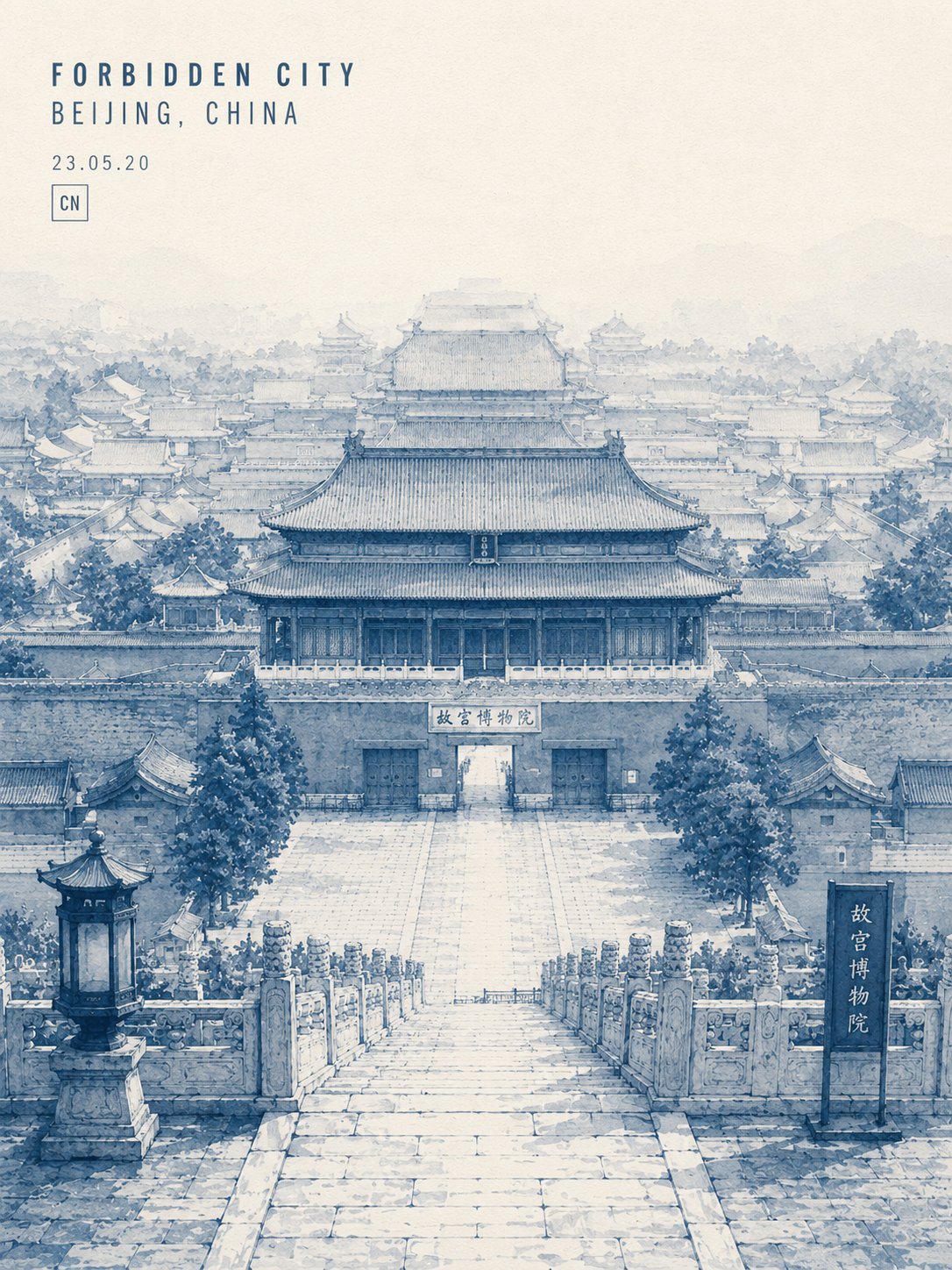
Minimalist ultra-high-resolution editorial travel poster illustration of the Great Wall of China, rendered on clean off-white textured sketchbook paper with subtle grain. Style: refined ink drawing blended with soft monochrome watercolor wash in muted indigo-blue tones. Delicate architectural linework, atmospheric mist, layered mountain depth, and elegant East Asian brush-painting influence. Composition: a winding stone pathway of the Great Wall leading into the distance across dramatic mountain ridges, with multiple watchtowers fading into misty horizons. Foreground features detailed stone bricks, a traditional Chinese watchtower with tiled roof, stone benches, lantern post, and subtle vertical Chinese signage. Background mountains dissolve softly into pale fog with watercolor diffusion effects. Lighting: soft overcast morning light, diffused haze, calm cinematic atmosphere. Color palette restricted to cool blue-gray watercolor tones with high tonal subtlety and airy negative space. Typography layout: minimalist modern sans-serif text placed in the upper-left corner reading: “GREAT WALL” “CHINA” small date typography beneath with a tiny outlined location tag “CN”. Mood: serene, timeless, elegant, contemplative, editorial luxury travel aesthetic. Inspired by Japanese sumi-e watercolor sketches mixed with Scandinavian minimalist poster design. Ultra-detailed brush textures, fine ink shading, soft paper bleed, balanced composition, premium art-print quality, vertical poster format, lots of negative space, museum-quality travel illustration.