Case Media
Case Notes
This page keeps the media, full prompt, and original source together so you can inspect the result first and decide whether the prompt is worth copying, saving, or comparing.
Case Insights
To make this page easier to search, cite, and reuse later, the case is also broken down into practical guidance about usage, visual cues, and prompt structure.
Best Fit Scenarios
- Use this as a portrait & photography benchmark when you need a fast style baseline before rewriting your own prompt.
- It is especially helpful if your target overlaps with Portrait, Cinematic, Fashion and you want to judge the image result before tuning wording.
- Keep it as a control sample when you compare nearby prompt variants one variable at a time.
Visual Signals To Notice
- The clearest style signals here are Portrait, Cinematic, Fashion, so those should usually stay in your first rewrite.
- Focus on framing, light direction, pose, and the distance between subject and camera.
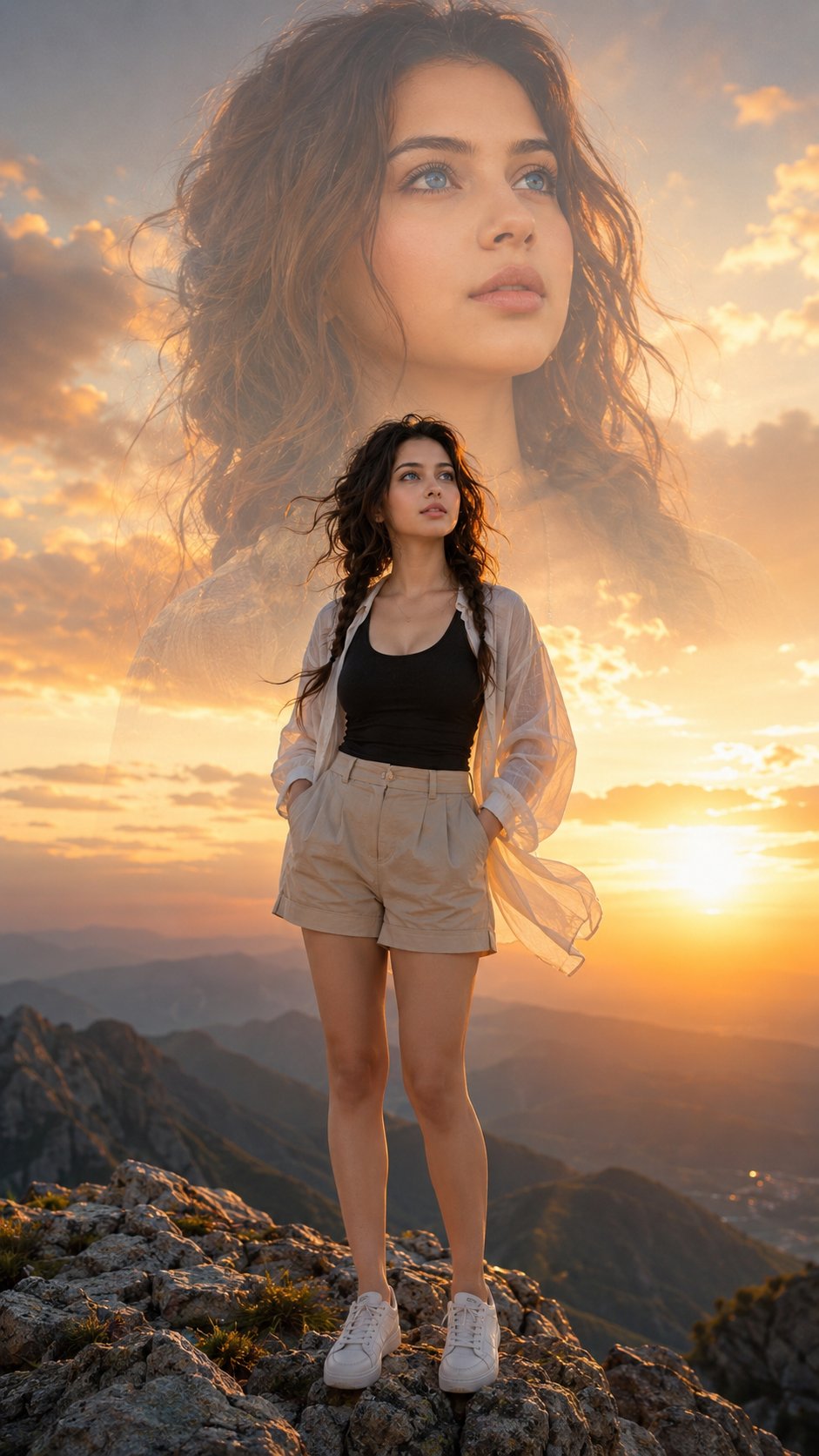
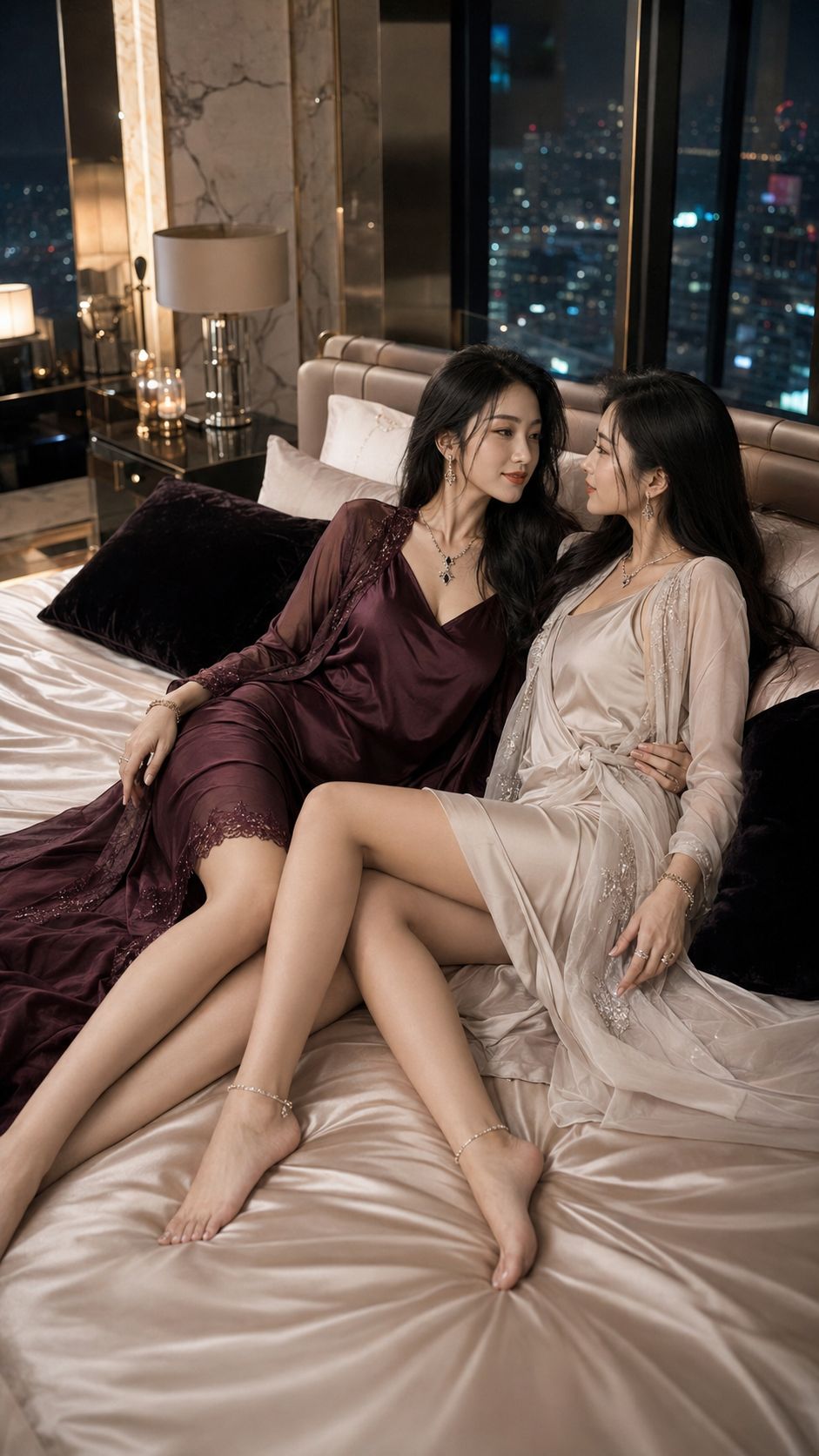
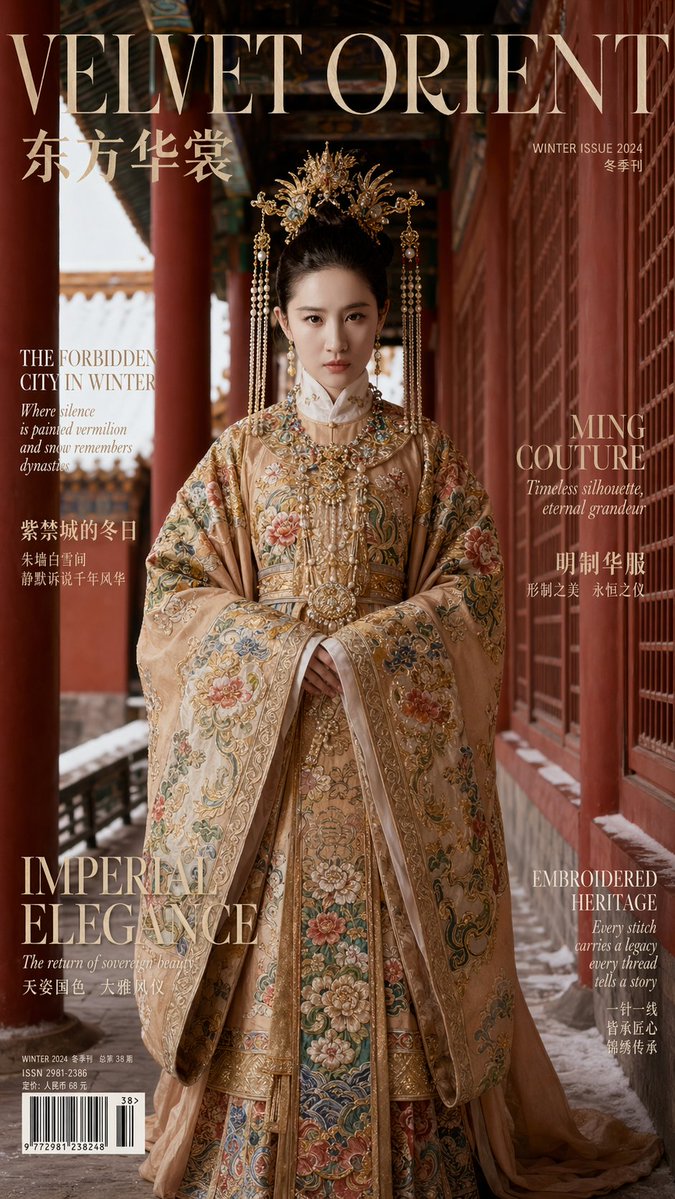
- This case keeps 2 media outputs, which makes it easier to check whether the style remains stable across multiple results.
How The Prompt Is Structured
- The prompt reads as a long, highly specified prompt, which is useful when you want to judge how much specificity this direction needs.
- Its keyword cluster is centered on Portrait, Cinematic, Fashion, so you can usually keep that cluster while swapping subject, camera, layout, or copy details.
- A practical rewrite path is: keep the outcome, keep the strongest style cues, then replace only the subject and environment blocks.
Good Follow-up Questions
- What changes first if you keep Portrait, Cinematic, Fashion but switch the subject matter?
- Which part of the result comes from section-level structure (Portrait & Photography) versus tag-level style cues?
- Which related cases in the same section give you a cleaner or more extreme variation of the same direction?
Full Prompt
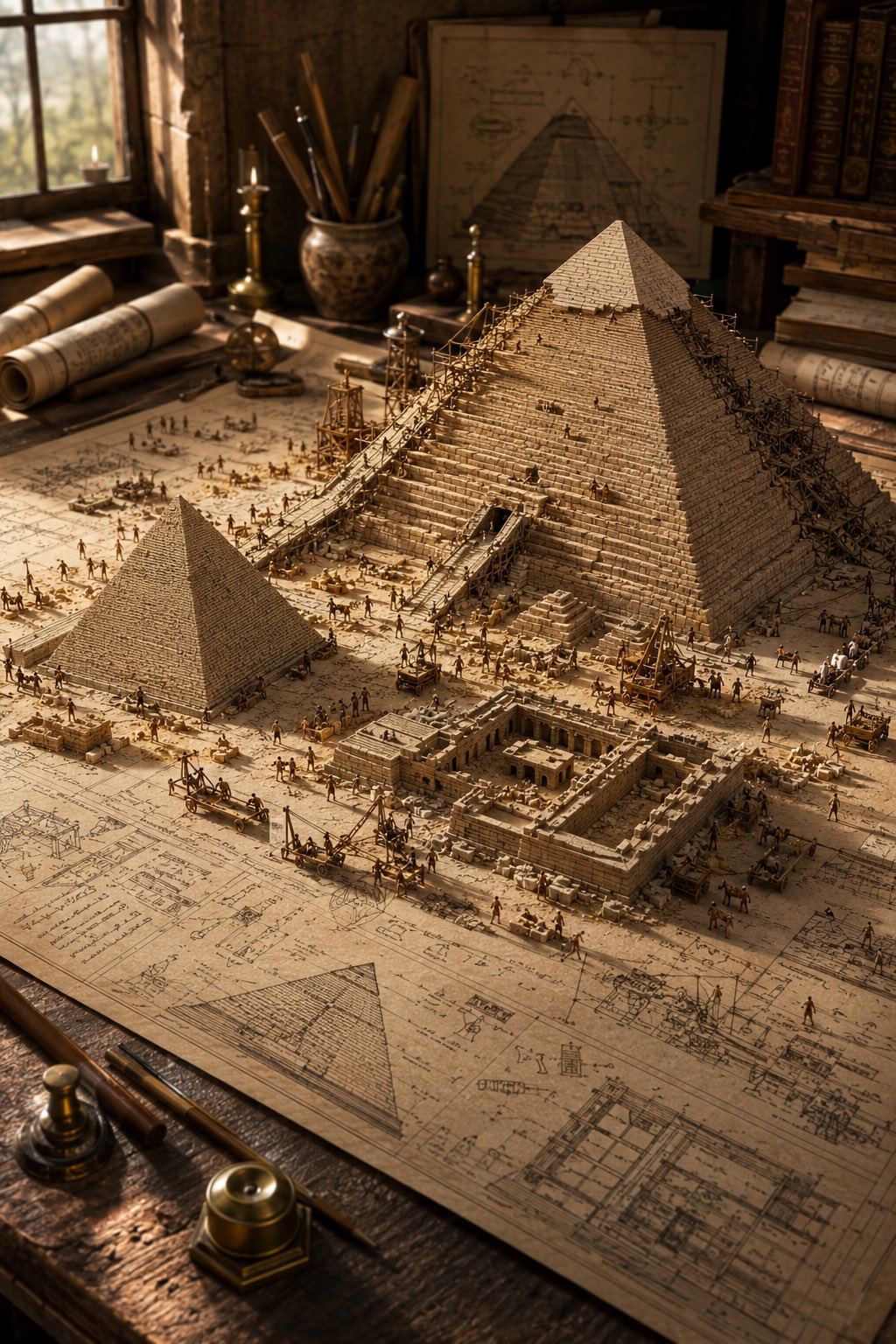
A highly detailed miniature diorama of an ancient civilization under construction, displayed directly on top of large rolled-out architectural blueprints spread across a realistic wooden drafting table. The scene features iconic historical architecture from [CIVILIZATION OR LOCATION], including partially completed monuments, temples, towers, walls, palaces, streets, or ceremonial structures at different stages of construction. Tiny craftsmen, builders, engineers, and workers interact naturally throughout the scene using historically accurate tools, scaffolding, ramps, cranes, carts, stone blocks, timber frameworks, and construction platforms. The miniature terrain blends seamlessly into the printed engineering drawings beneath, combining realistic sand, stone, earth, marble, vegetation, or desert textures with visible architectural floor plans, elevation sketches, measurements, annotations, and cross-sections. Surrounding the workspace are drafting instruments, compasses, rolled parchment plans, books, rulers, brass weights, candles, maps, carving tools, and historical reference materials that enhance the workshop atmosphere. Soft cinematic lighting with warm natural sunlight from a nearby window, shallow depth of field, ultra realistic textures, handcrafted museum-quality scale model aesthetic, intricate miniature detailing, photoreal materials, atmospheric realism, editorial architectural photography style, clean composition, immersive world-building, vertical composition, extremely high detail, realistic shadows, authentic historical mood.