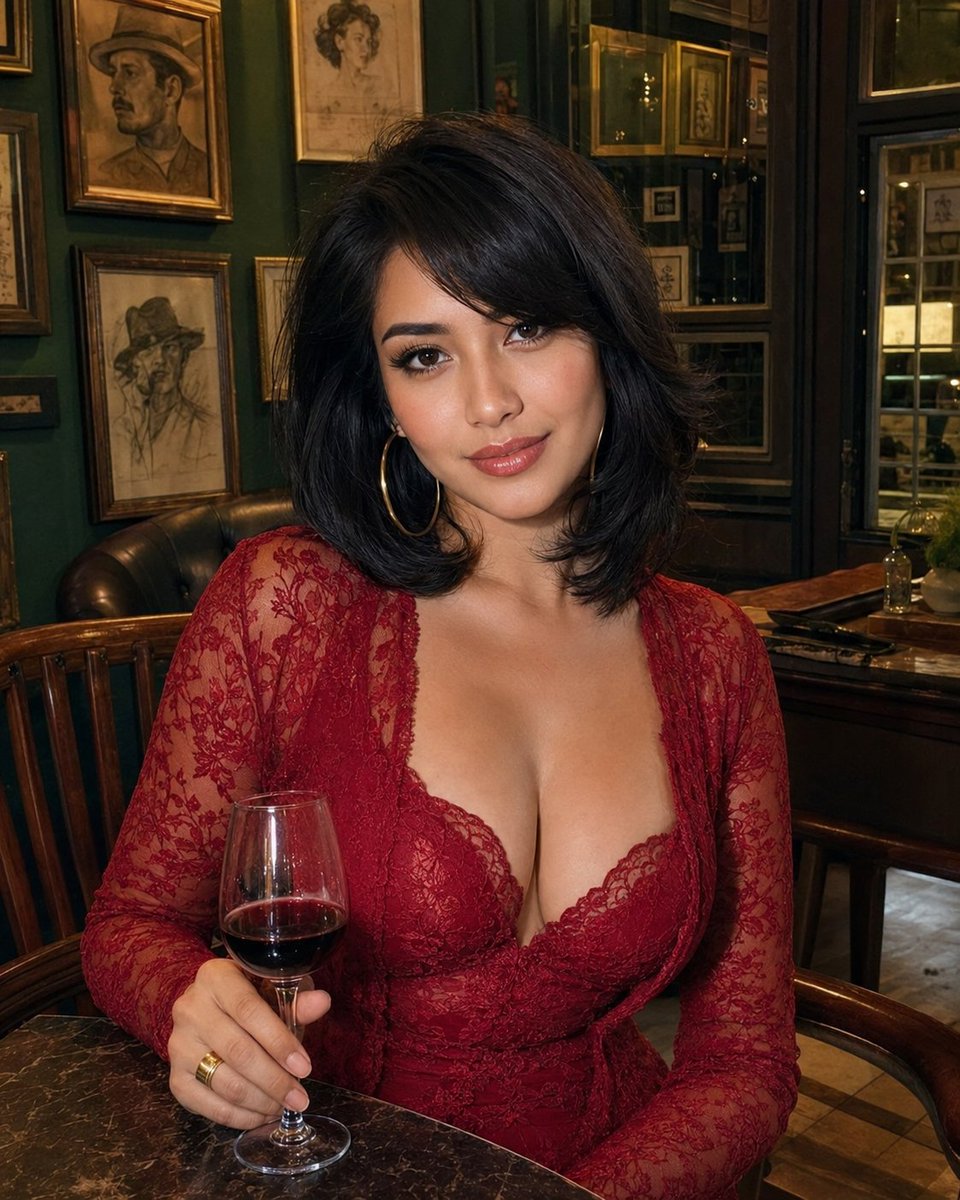
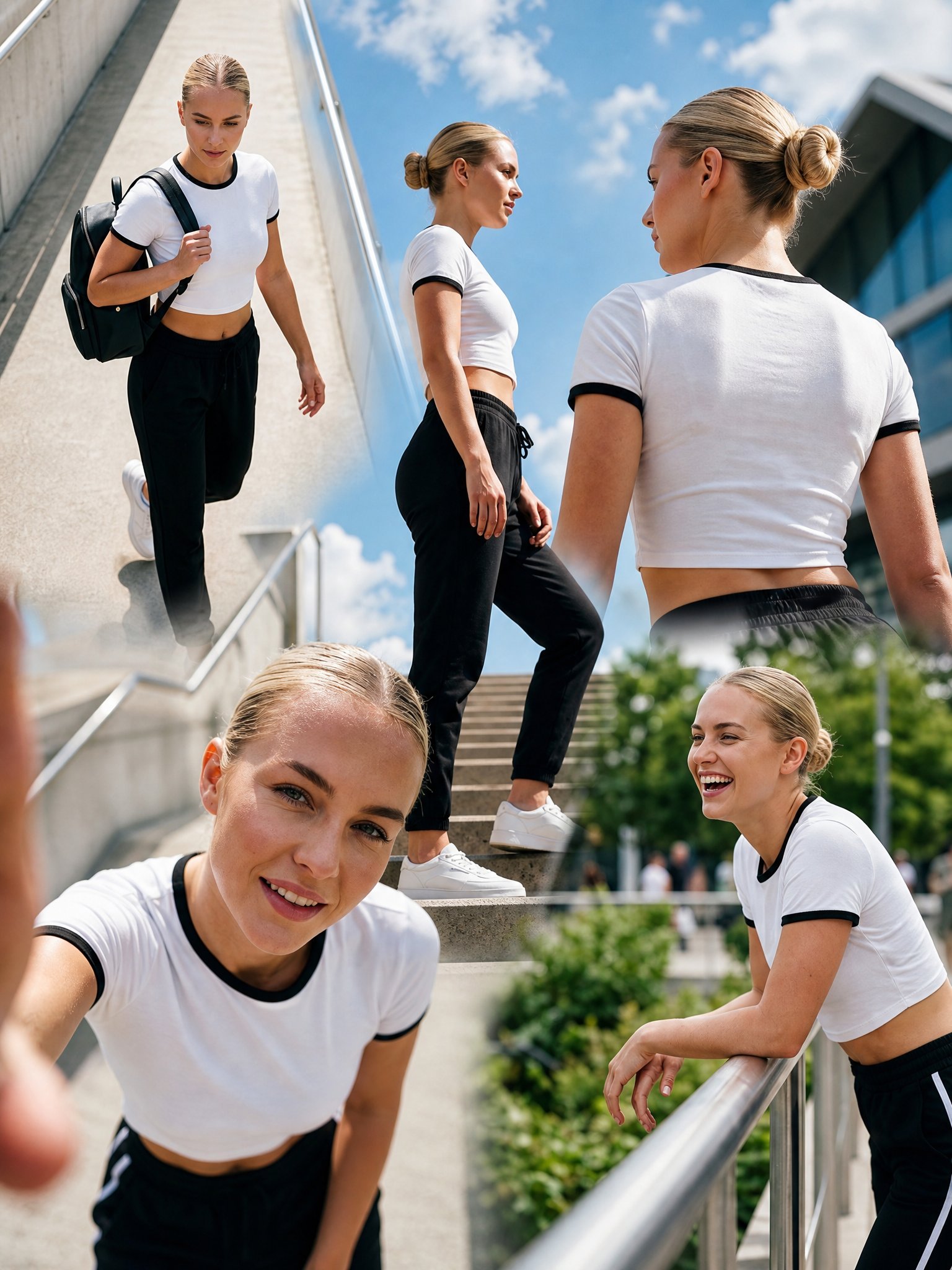
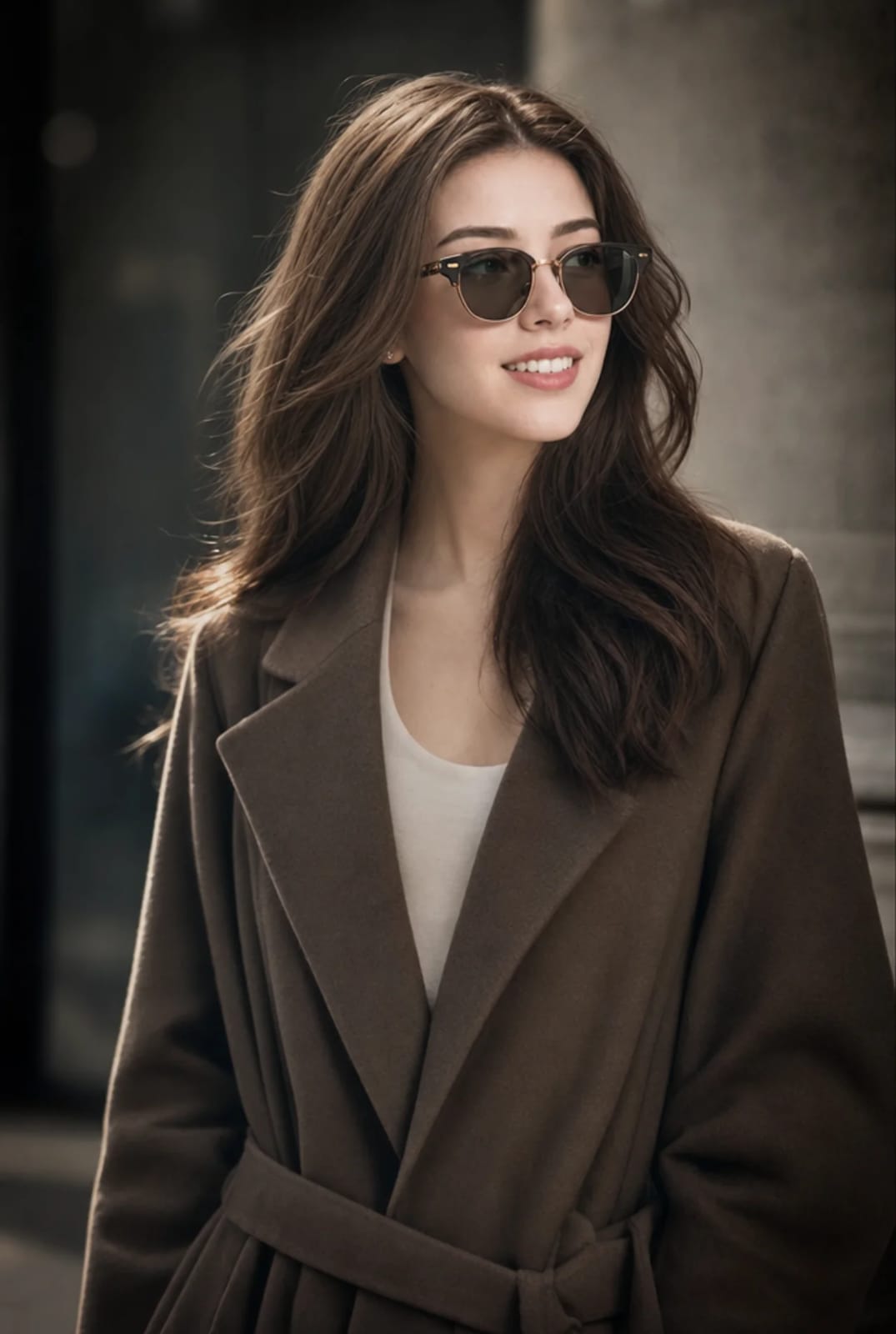
Case Media
Case Notes
This page keeps the media, full prompt, and original source together so you can inspect the result first and decide whether the prompt is worth copying, saving, or comparing.
Case Insights
To make this page easier to search, cite, and reuse later, the case is also broken down into practical guidance about usage, visual cues, and prompt structure.
Best Fit Scenarios
- Use this as a portrait & photography benchmark when you need a fast style baseline before rewriting your own prompt.
- It is especially helpful if your target overlaps with 35mm, Portrait, Cinematic and you want to judge the image result before tuning wording.
- Keep it as a control sample when you compare nearby prompt variants one variable at a time.
Visual Signals To Notice
- The clearest style signals here are 35mm, Portrait, Cinematic, so those should usually stay in your first rewrite.
- Focus on framing, light direction, pose, and the distance between subject and camera.
- This case keeps 2 media outputs, which makes it easier to check whether the style remains stable across multiple results.
How The Prompt Is Structured
- The prompt reads as a long, highly specified prompt, which is useful when you want to judge how much specificity this direction needs.
- Its keyword cluster is centered on 35mm, Portrait, Cinematic, so you can usually keep that cluster while swapping subject, camera, layout, or copy details.
- A practical rewrite path is: keep the outcome, keep the strongest style cues, then replace only the subject and environment blocks.
Good Follow-up Questions
- What changes first if you keep 35mm, Portrait, Cinematic but switch the subject matter?
- Which part of the result comes from section-level structure (Portrait & Photography) versus tag-level style cues?
- Which related cases in the same section give you a cleaner or more extreme variation of the same direction?
Full Prompt
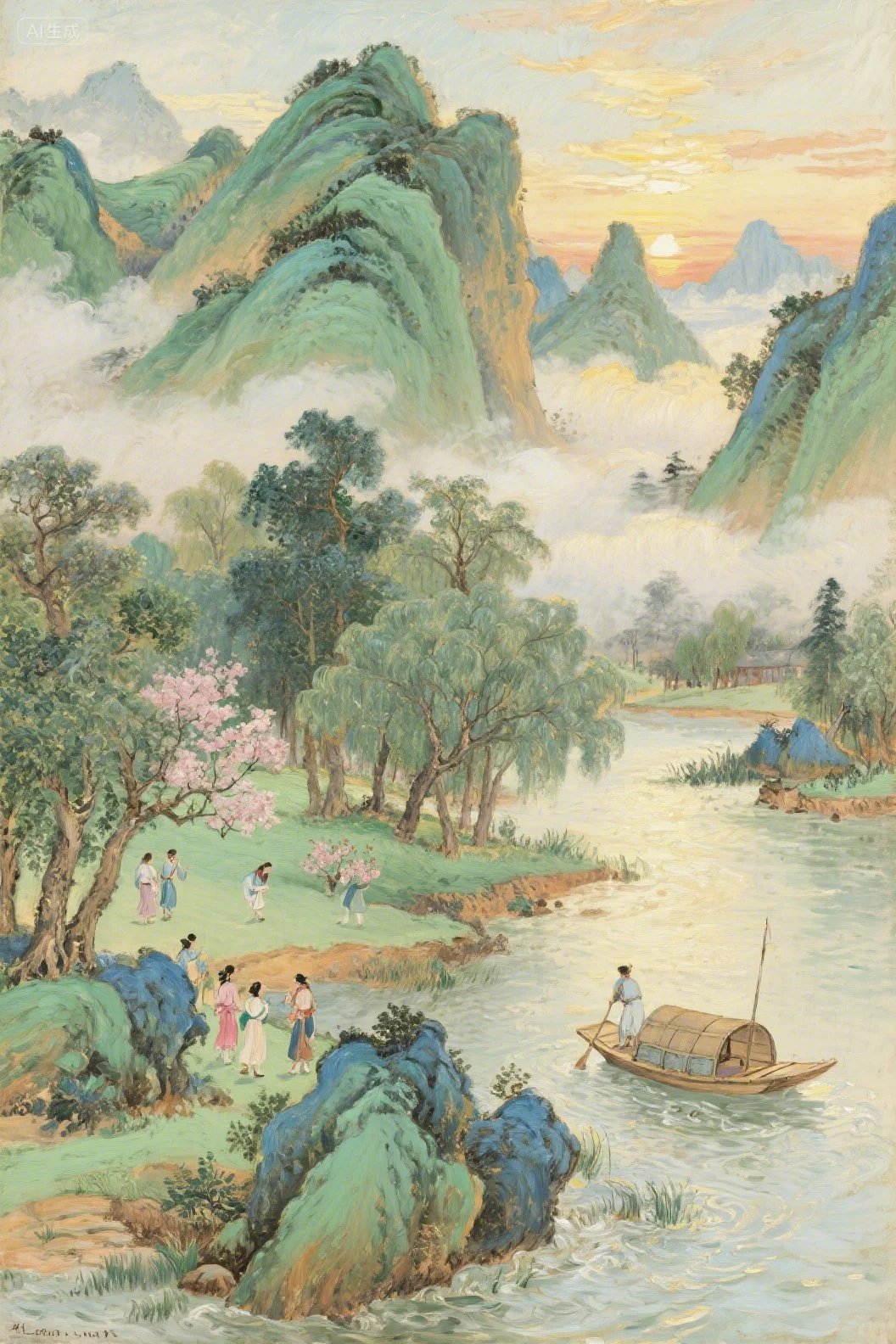
Based on the uploaded ancient Chinese painting, create a realistic, gallery-grade photograph as if captured by a top-tier photographer. Do not simply interpret this as 'turning a painting into a photo,' nor mimic the surface styles of ink, fine-brush, or murals. Treat the painting as a distillation and reorganization of the real world by an ancient creator, and reverse-restore it into the actual scene they saw: as if a camera existed in that era to capture this moment. The final work must achieve Oscar-level cinematic quality, reflecting the visual judgment of an award-winning director in terms of narrative, composition, lighting, and atmosphere. No modern film set elements (cameras, crews, lights, or artificial studio traces) should be visible. The scene should look like a real historical site captured by high-end cinema cameras. First, analyze the original work’s inscriptions, seals, and traditional motifs to identify the subject accurately. Then, transition into 'Source Reality' restoration rather than style replication. Restore real mountains, vegetation, weather, and architecture instead of brushstrokes or paper textures. Maintain the original spiritual structure—the relationship between objects, visual gravity, and the flow of 'Spirit, Energy, and Momentum'—without mechanically copying outlines. Figures must be rendered as real, breathing humans with realistic skin, anatomy, and textures (unless the original specifically depicts a statue). Elevate the color palette beyond the original pigments to include high dynamic range, clean color separation, and sophisticated cinematic grading. Lighting is central; use masterful, natural-looking light (dawn, dusk, mist-diffused, or reflected light) to define volume and emotion. The result should be a profound cinematic masterpiece: authentic, transparent, and detailed, bridging ancient vision with modern high-end optical aesthetics.