Case Media
Case Notes
This page keeps the media, full prompt, and original source together so you can inspect the result first and decide whether the prompt is worth copying, saving, or comparing.
Case Insights
To make this page easier to search, cite, and reuse later, the case is also broken down into practical guidance about usage, visual cues, and prompt structure.
Best Fit Scenarios
- Use this as a portrait & photography benchmark when you need a fast style baseline before rewriting your own prompt.
- It is especially helpful if your target overlaps with Portrait, City Visual, Vertical and you want to judge the image result before tuning wording.
- Keep it as a control sample when you compare nearby prompt variants one variable at a time.
Visual Signals To Notice
- The clearest style signals here are Portrait, City Visual, Vertical, so those should usually stay in your first rewrite.
- Focus on framing, light direction, pose, and the distance between subject and camera.
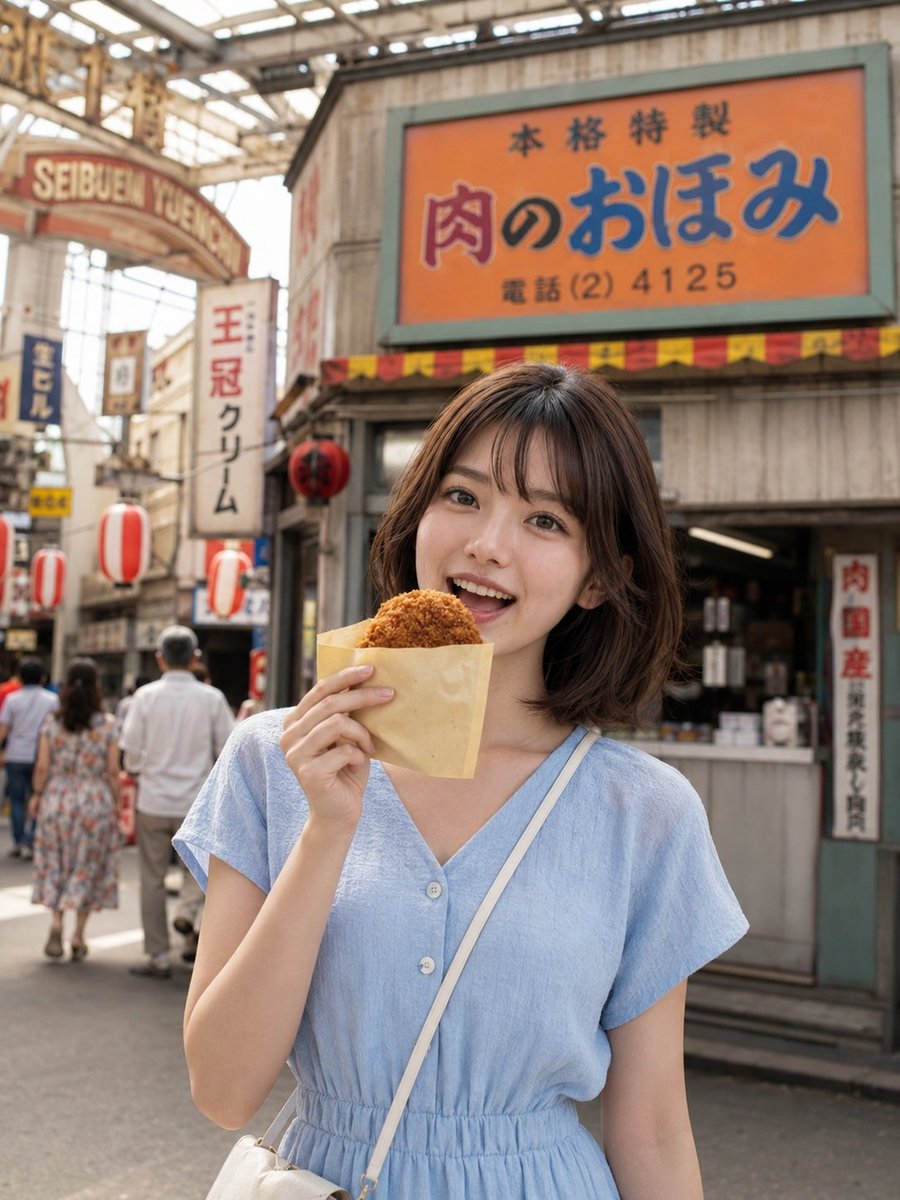
- This case keeps one primary output, so the first image should be treated as the main visual reference.
How The Prompt Is Structured
- The prompt reads as a long, highly specified prompt, which is useful when you want to judge how much specificity this direction needs.
- Its keyword cluster is centered on Portrait, City Visual, Vertical, so you can usually keep that cluster while swapping subject, camera, layout, or copy details.
- A practical rewrite path is: keep the outcome, keep the strongest style cues, then replace only the subject and environment blocks.
Good Follow-up Questions
- What changes first if you keep Portrait, City Visual, Vertical but switch the subject matter?
- Which part of the result comes from section-level structure (Portrait & Photography) versus tag-level style cues?
- Which related cases in the same section give you a cleaner or more extreme variation of the same direction?
Full Prompt
Create a realistic vertical travel snapshot in a nostalgic 1960s Showa-retro Japanese amusement-park shopping street, like Seibuen Yuenchi's Sunset Hill shopping arcade. In the foreground, show one young Japanese woman with a short wavy dark-brown bob wearing a pale {argument name="dress color" default="light blue"} short-sleeve V-neck button-front summer dress with an elastic waist and a thin white crossbody bag strap; she stands centered, cropped from mid-thigh upward, holding one hot croquette in a tan paper pouch up near her mouth with one hand. Her face is intentionally obscured by one flat opaque medium-brown square censor block covering the central face area from forehead to mouth, while some hair remains visible around it. Behind her, create a busy covered arcade with warm daylight through a glass-and-metal roof, shallow depth of field, and a grey wooden storefront on the right. Add one large orange shop sign above her reading {argument name="main shop sign" default="本格特製 肉のおほみ 電話 (2) 4125"}, with blue and red lettering and a green frame; add a red-yellow striped awning beneath it. Include exactly four red-and-white cylindrical paper lanterns hanging along the street and exactly one round red lantern beside the storefront. Include pedestrians in the background: three main walking figures visible from behind, softly blurred. Add several retro vertical signs, including one arched entrance sign on the left reading {argument name="arcade sign" default="SEIBUEN YUENCHI"} and a tall vertical sign reading {argument name="vertical sign" default="王冠クリーム"}. Use photorealistic detail, natural skin and fabric texture, soft background blur, warm nostalgic colors, no modern signage, no watermark, no extra people in the foreground.
Related Cases
Portrait & Photography
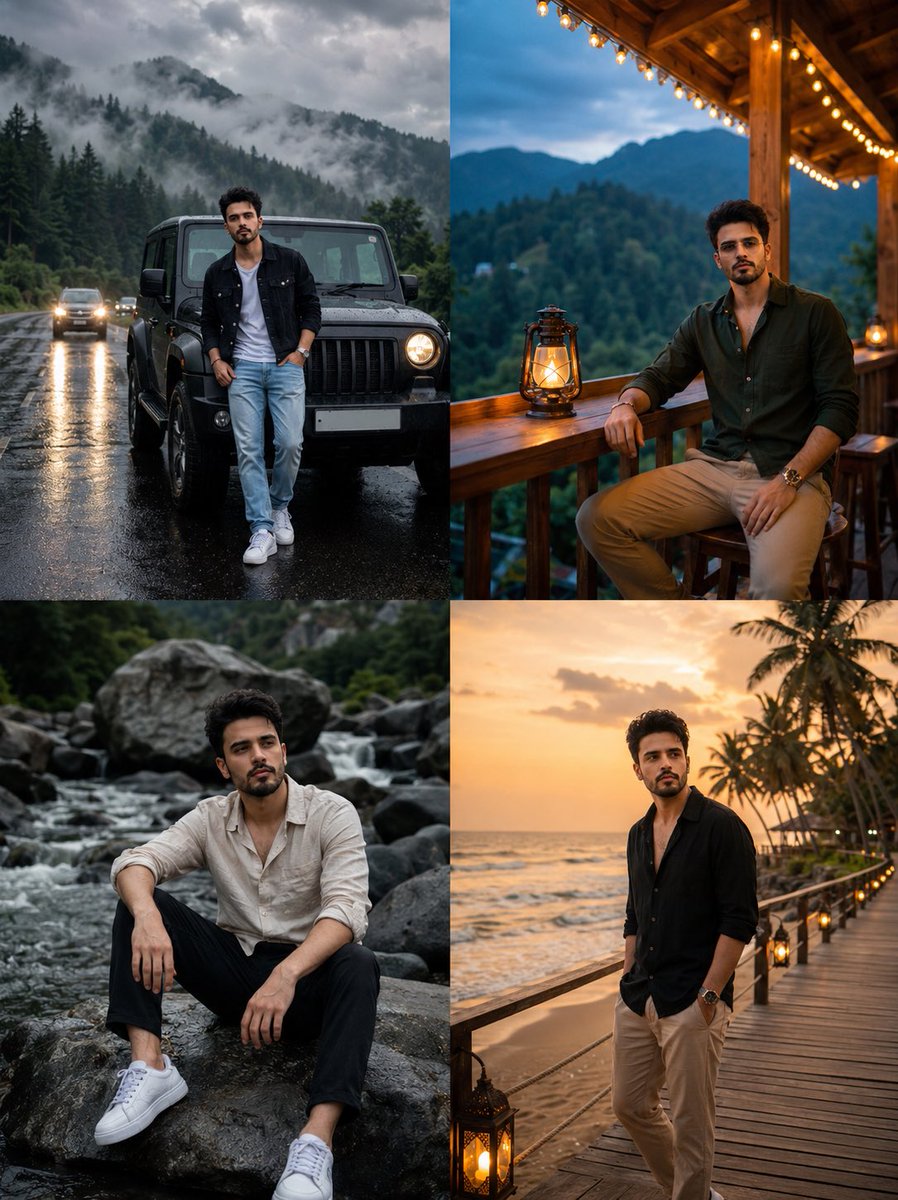
Multi-Scene Identity Preservation Collage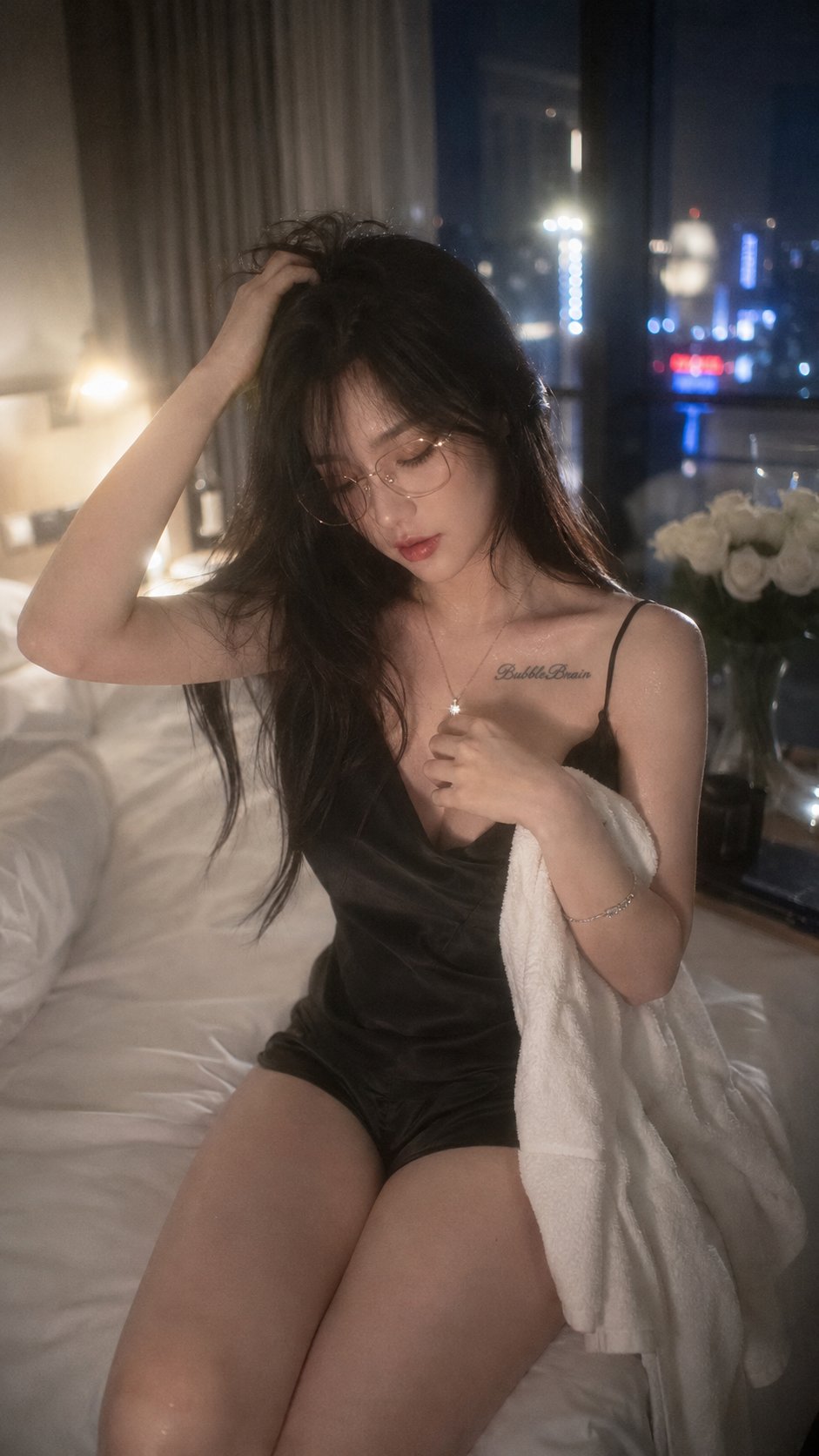
Portrait & Photography
Photorealistic Japanese Idol Fashion Portrait Ricoh Gr Iii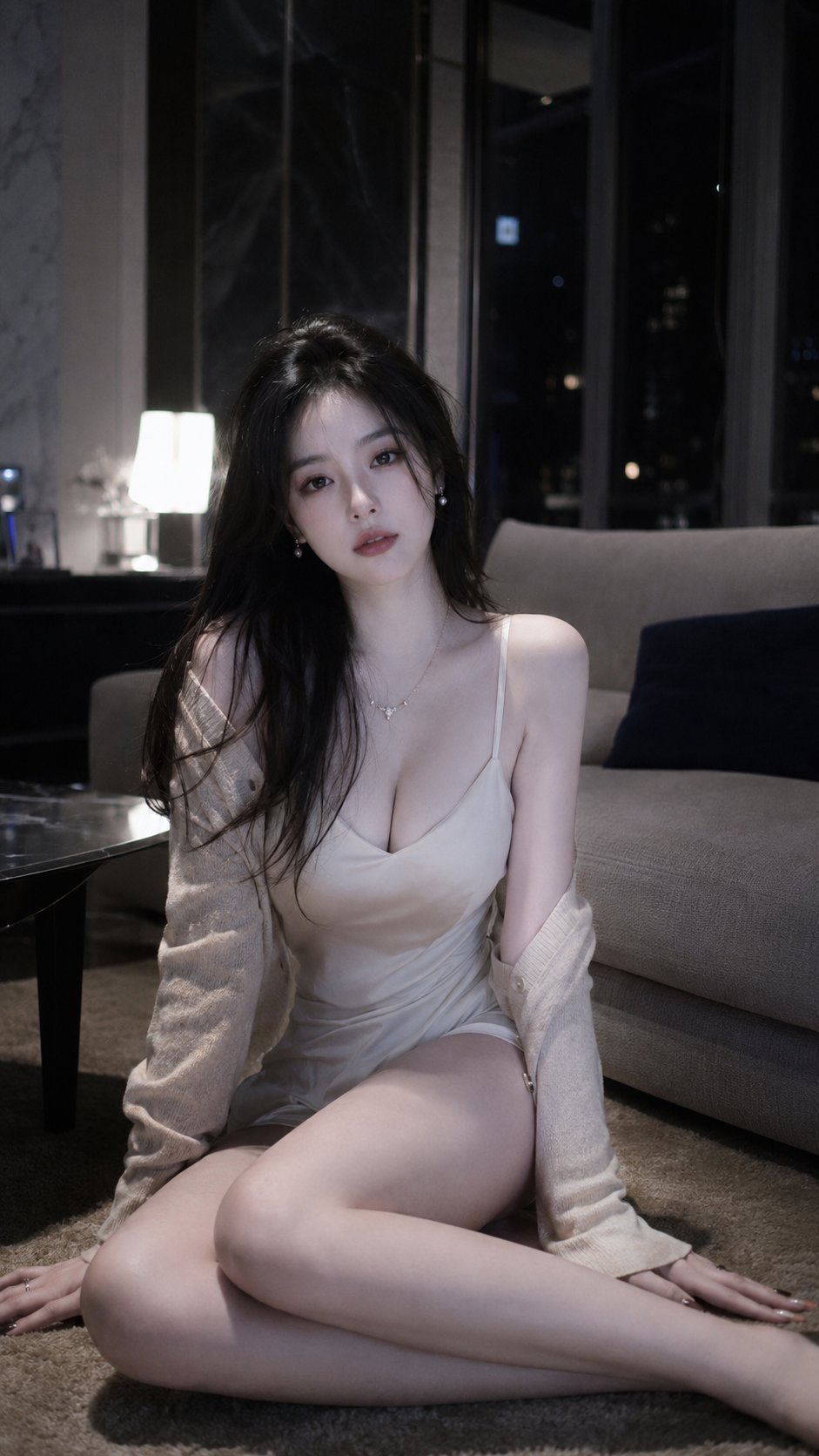
Portrait & Photography
Photorealistic Luxury Indoor Portrait Korean Chaebol Heiress Mood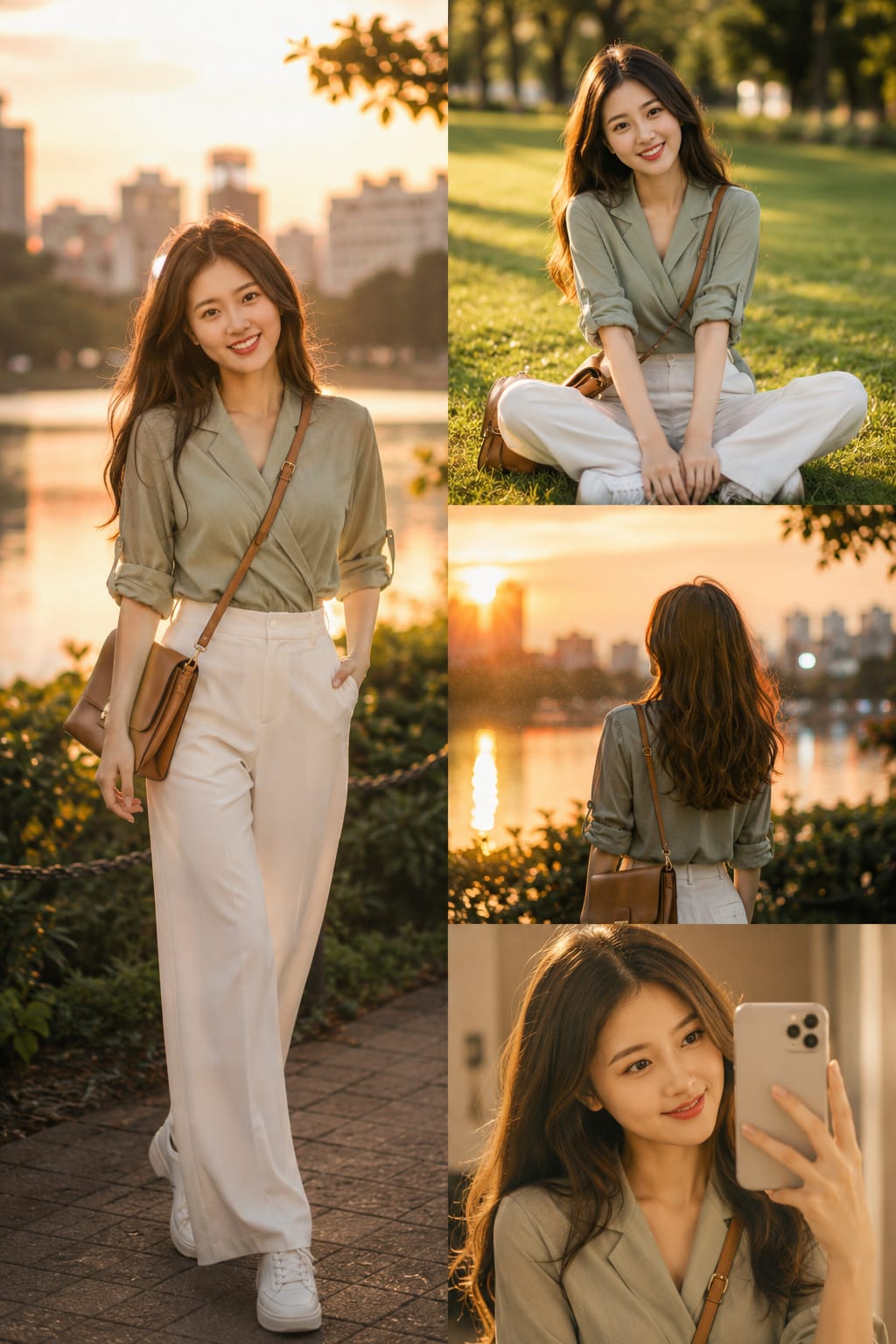
Portrait & Photography
Ultra Realistic Fashion Magazine East Asian Woman Collage