Case Media
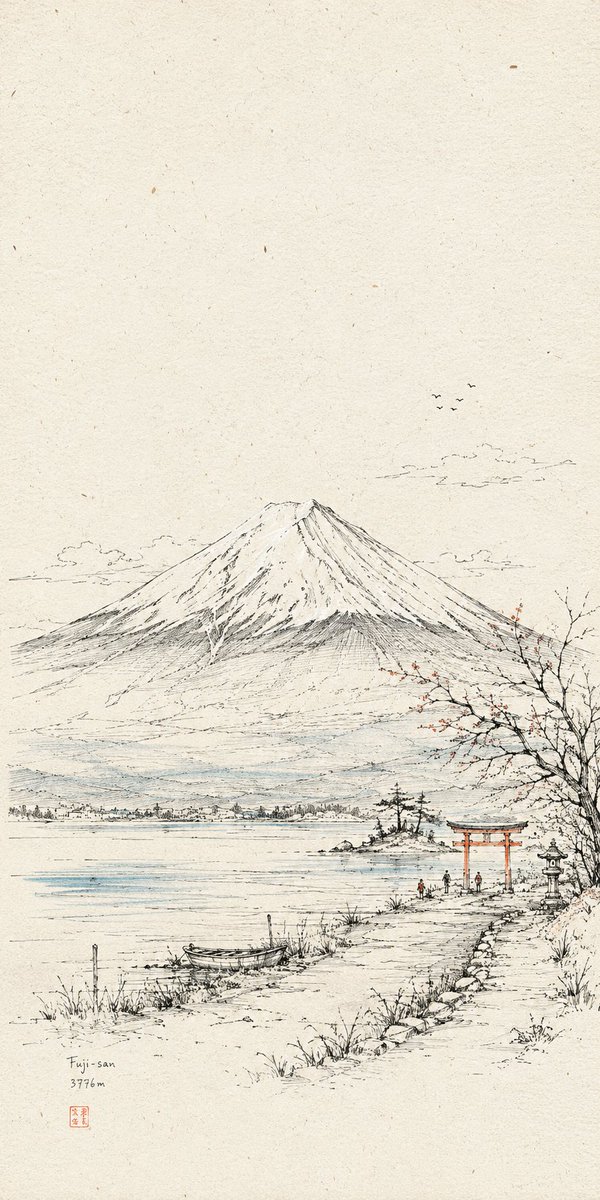
Case Notes
This page keeps the media, full prompt, and original source together so you can inspect the result first and decide whether the prompt is worth copying, saving, or comparing.
Case Insights
To make this page easier to search, cite, and reuse later, the case is also broken down into practical guidance about usage, visual cues, and prompt structure.
Best Fit Scenarios
- Use this as a portrait & photography benchmark when you need a fast style baseline before rewriting your own prompt.
- It is especially helpful if your target overlaps with Portrait, Illustration, City Visual and you want to judge the image result before tuning wording.
- Keep it as a control sample when you compare nearby prompt variants one variable at a time.
Visual Signals To Notice
- The clearest style signals here are Portrait, Illustration, City Visual, so those should usually stay in your first rewrite.
- Focus on framing, light direction, pose, and the distance between subject and camera.
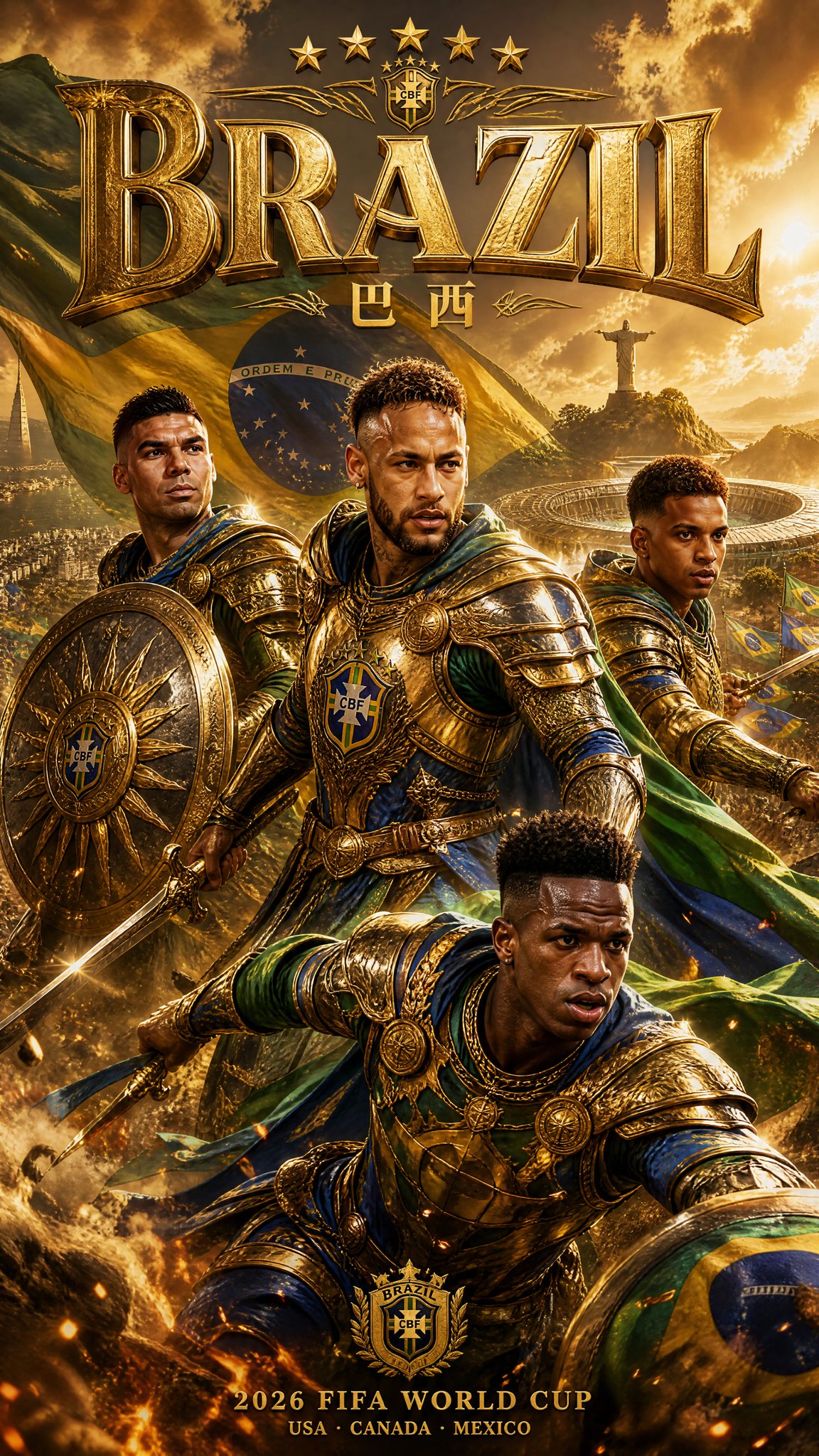
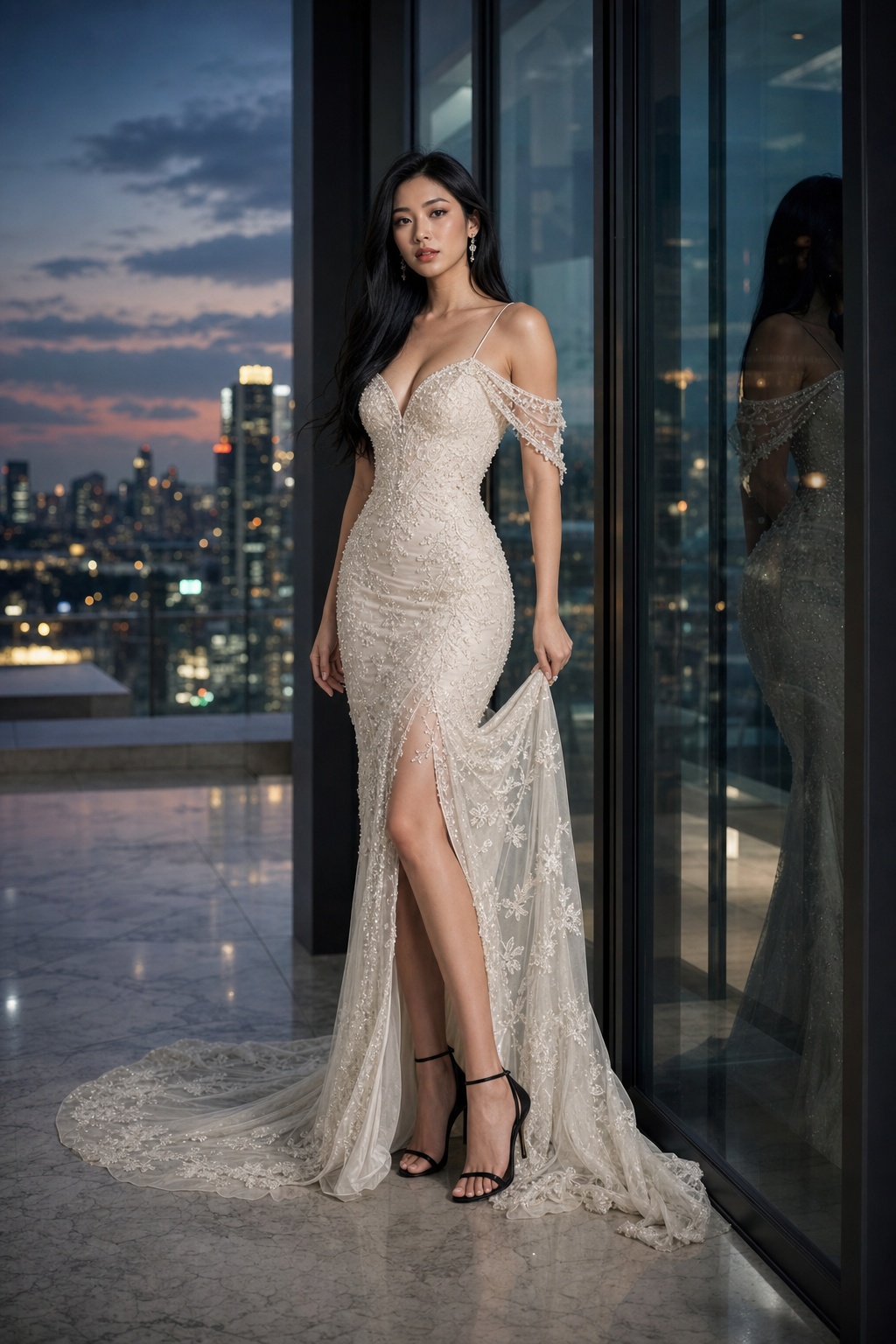
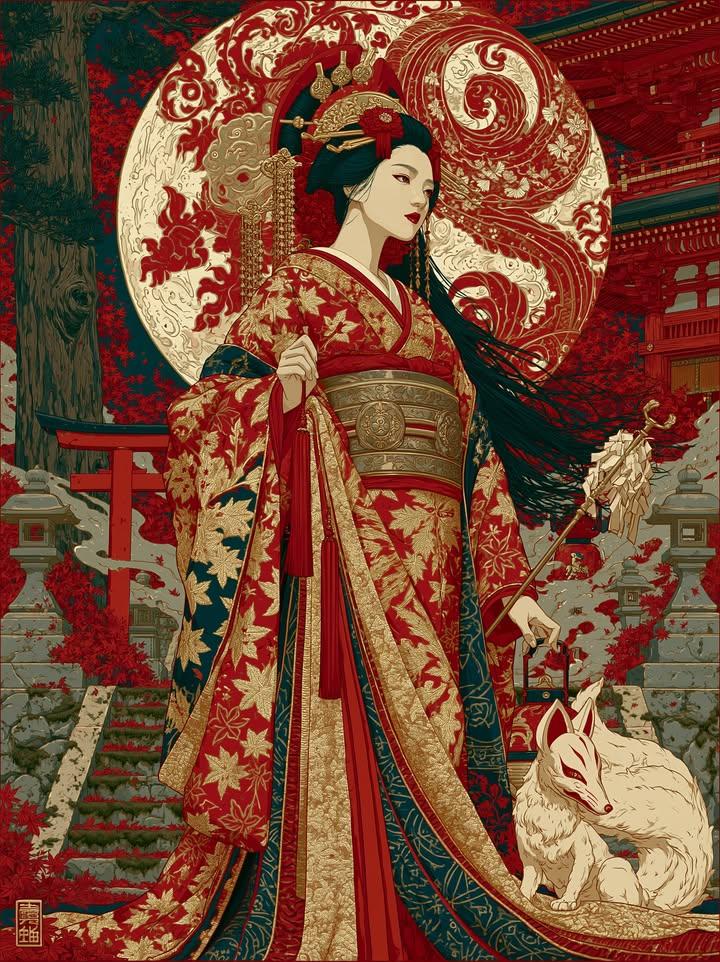
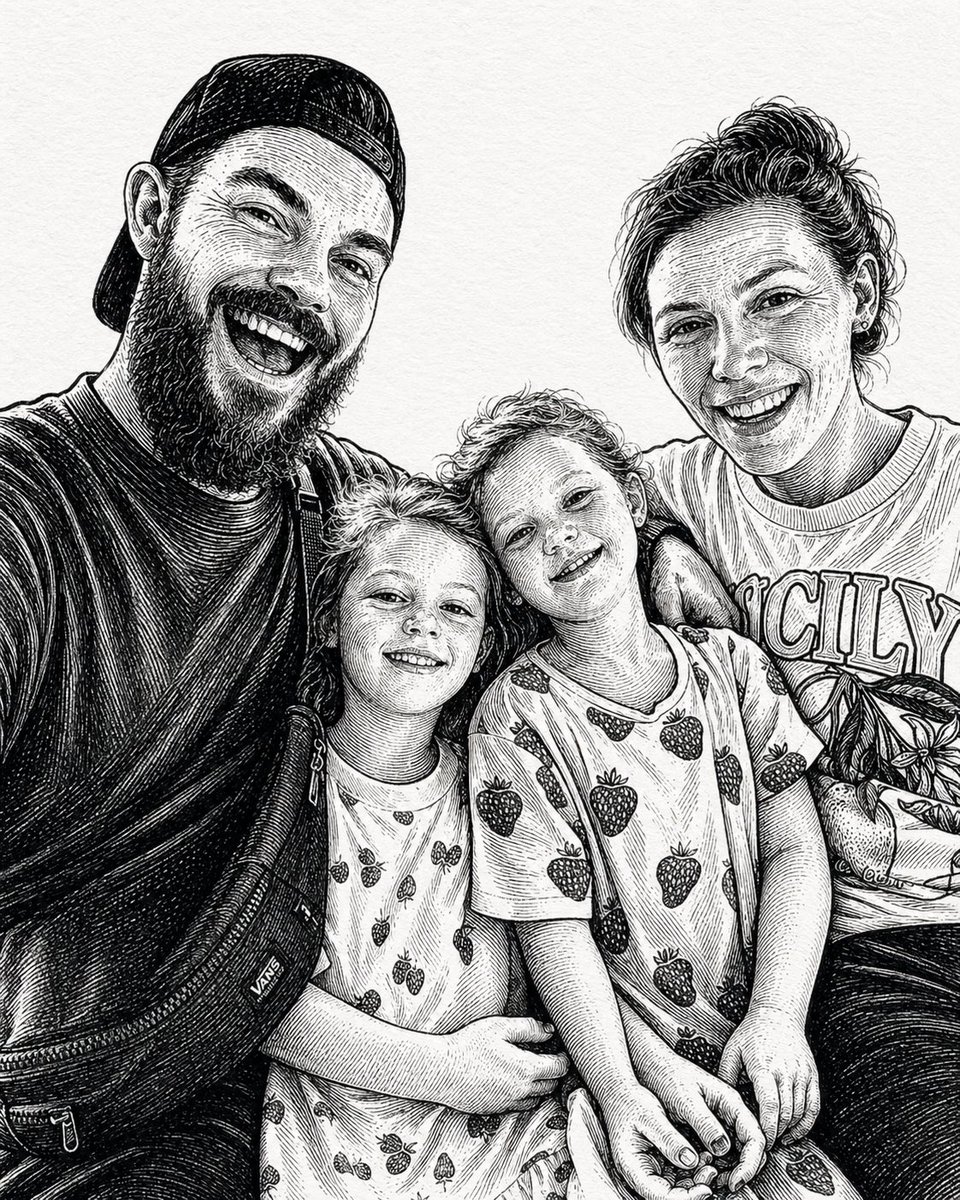
- This case keeps 4 media outputs, which makes it easier to check whether the style remains stable across multiple results.
How The Prompt Is Structured
- The prompt reads as a long, highly specified prompt, which is useful when you want to judge how much specificity this direction needs.
- Its keyword cluster is centered on Portrait, Illustration, City Visual, so you can usually keep that cluster while swapping subject, camera, layout, or copy details.
- A practical rewrite path is: keep the outcome, keep the strongest style cues, then replace only the subject and environment blocks.
Good Follow-up Questions
- What changes first if you keep Portrait, Illustration, City Visual but switch the subject matter?
- Which part of the result comes from section-level structure (Portrait & Photography) versus tag-level style cues?
- Which related cases in the same section give you a cleaner or more extreme variation of the same direction?
Full Prompt
Generate a paper-based line drawing visual work based on a specific theme. The image is first established by extremely fine, slightly shaky hand-drawn lines to build space, subject outline, structural transitions, paths, and scale relationships. Then, a few high-purity color surfaces are introduced only to the most critical recognition planes, connection nodes, emotional pauses, and centers of gravity; color is not a full fill but acts as precise annotations to edit attention. The overall visual area is dominated by warm off-white paper and black fine lines. Paper texture, tiny spots, and a slight scan feel should be clearly present. Ample white space is reserved above or around to make the subject appear as if observed in a page of a travel manuscript. Visual weight is concentrated in the middle or lower-middle part, maintaining breathable distance around the subject. The composition consists of a clear anchor, a low-density environment layer, and a few colored nodes. The core object maintains recognizable structural lines, outlines, local hatching, and compressed details. Details gather along edges, openings, corners, and movement paths. Volume and shadows are achieved through fine hatching and varying line density. Background appears as a low-density line-art memory layer. Added tiny figures or symbols serve as scale 'noise' to give a sense of life and usage. If text is needed, use narrow, restrained annotation-style fonts. The final surface shows the finish of pen line drawing, colored pencil, or light ink overlay, with quiet, open, manual textures and slight perspective errors. Theme: {argument name="subject" default="Close-up of the Great Hall of the People"} Aspect Ratio: {argument name="ratio" default="1:2"} Usage: {argument name="usage" default="Mobile wallpaper"}