Case Media
Case Notes
This page keeps the media, full prompt, and original source together so you can inspect the result first and decide whether the prompt is worth copying, saving, or comparing.
Case Insights
To make this page easier to search, cite, and reuse later, the case is also broken down into practical guidance about usage, visual cues, and prompt structure.
Best Fit Scenarios
- Use this as a portrait & photography benchmark when you need a fast style baseline before rewriting your own prompt.
- It is especially helpful if your target overlaps with 35mm, Portrait, Cinematic and you want to judge the image result before tuning wording.
- Keep it as a control sample when you compare nearby prompt variants one variable at a time.
Visual Signals To Notice
- The clearest style signals here are 35mm, Portrait, Cinematic, so those should usually stay in your first rewrite.
- Focus on framing, light direction, pose, and the distance between subject and camera.
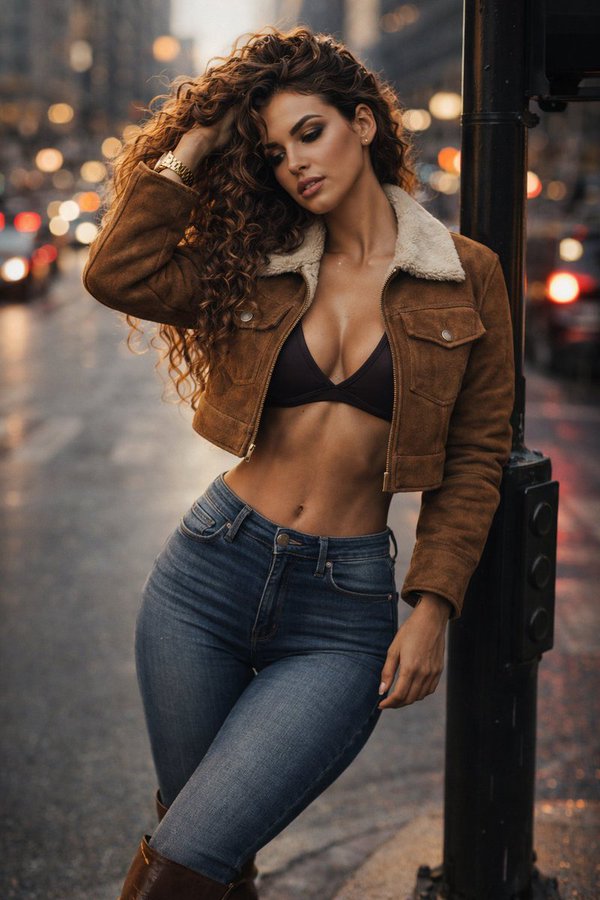
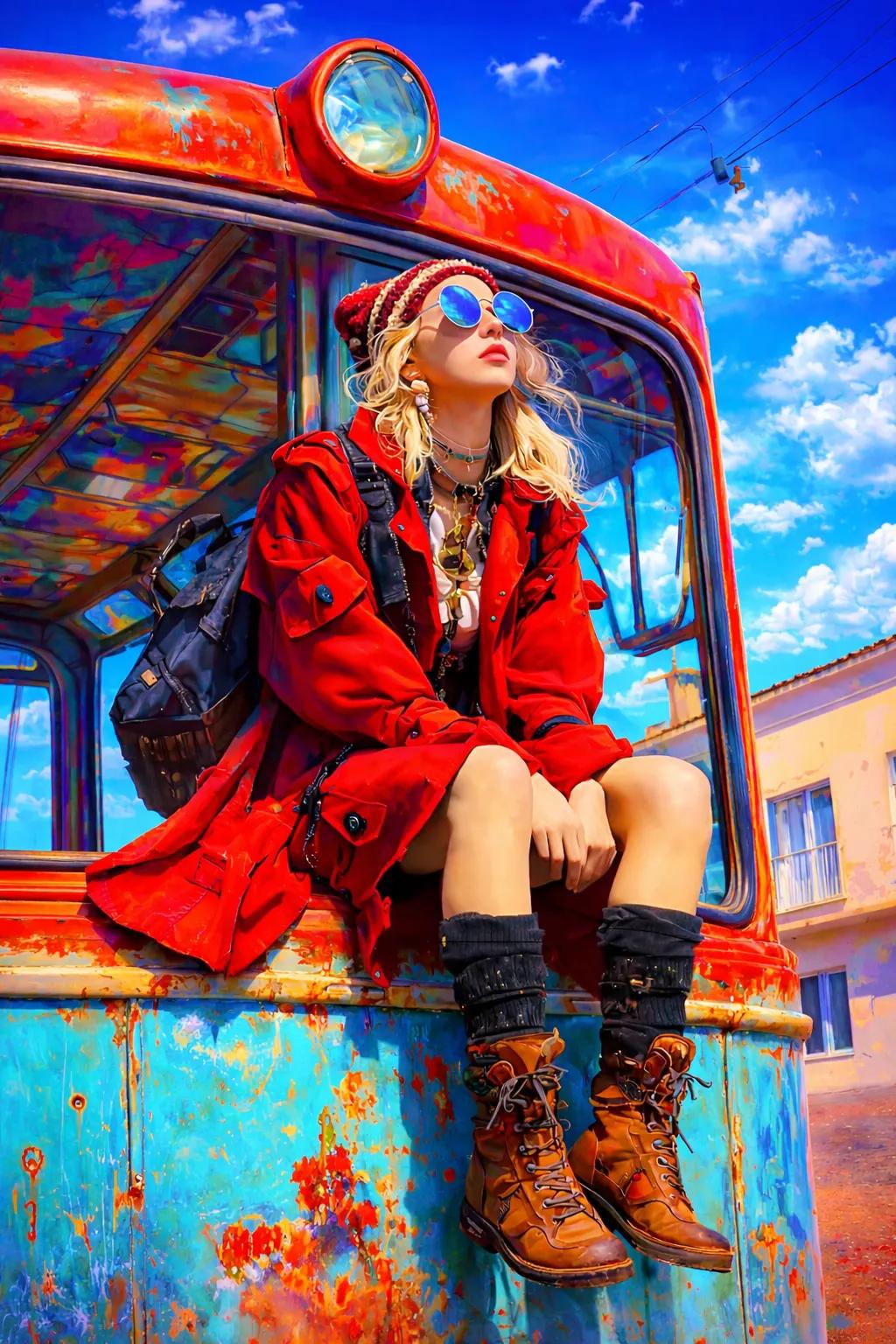
- This case keeps one primary output, so the first image should be treated as the main visual reference.
How The Prompt Is Structured
- The prompt reads as a long, highly specified prompt, which is useful when you want to judge how much specificity this direction needs.
- Its keyword cluster is centered on 35mm, Portrait, Cinematic, so you can usually keep that cluster while swapping subject, camera, layout, or copy details.
- A practical rewrite path is: keep the outcome, keep the strongest style cues, then replace only the subject and environment blocks.
Good Follow-up Questions
- What changes first if you keep 35mm, Portrait, Cinematic but switch the subject matter?
- Which part of the result comes from section-level structure (Portrait & Photography) versus tag-level style cues?
- Which related cases in the same section give you a cleaner or more extreme variation of the same direction?
Full Prompt
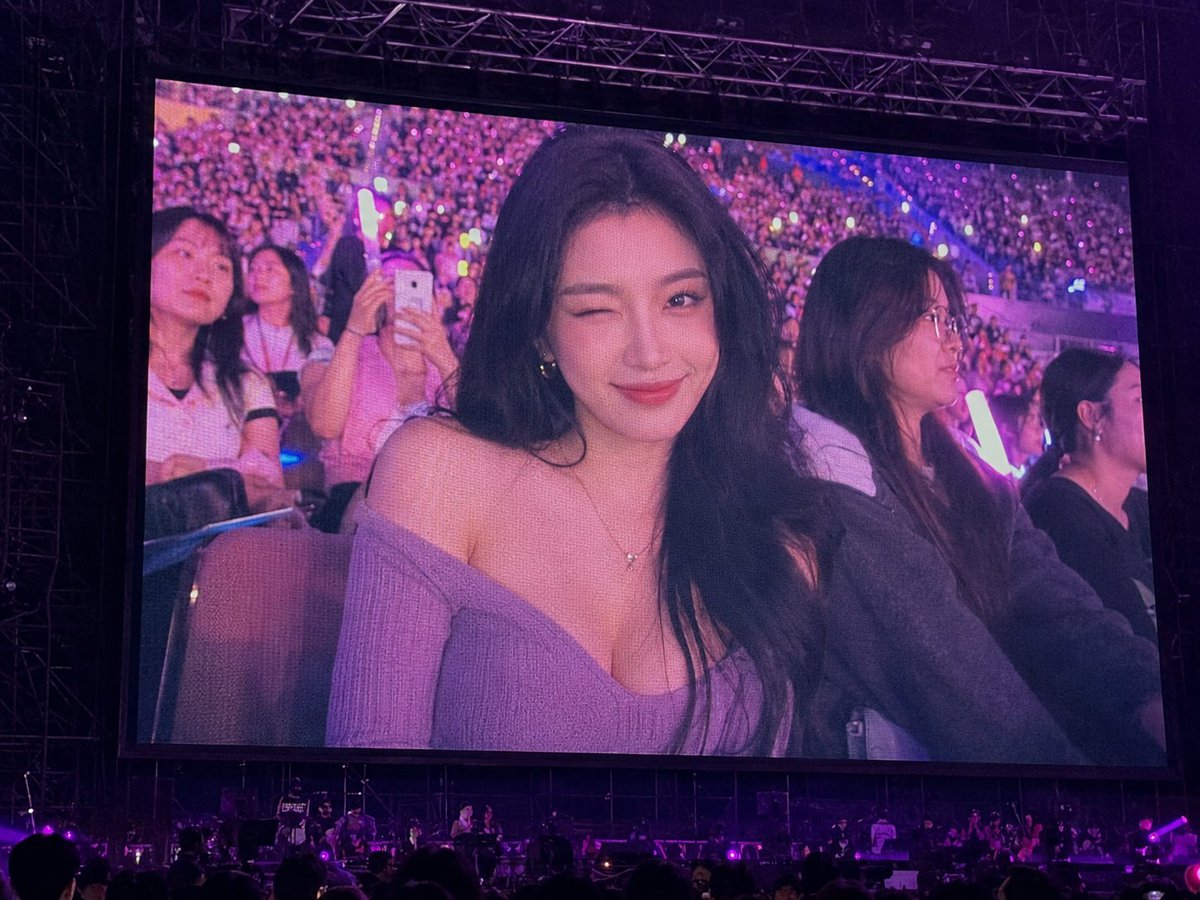
Photorealistic live concert documentary photo, horizontal 4:3 composition, taken from inside a large indoor pop concert arena, showing a giant side LED screen beside the stage displaying a close-up fan-cam shot of a beautiful adult Chinese internet-famous fan sitting in the audience. The main subject must appear inside the huge LED screen, not as a direct portrait. The real camera is positioned somewhere inside the arena, looking toward the stage-side jumbotron / giant LED screen. The black frame of the massive LED screen, stage truss structure, dark arena ceiling, purple-pink stage lights, and some real audience silhouettes or stage details below the screen should be visible, making it clear that this is a real concert photo of the big screen during a live audience interaction moment. Inside the LED screen: a close-up broadcast fan-cam image of a beautiful adult Chinese woman sitting among the crowd. She has long softly styled black hair, delicate facial features, bright expressive eyes, smooth natural skin, soft-glam makeup, subtle eyeliner, glossy lips, and an effortlessly attractive influencer-like presence. She is wearing a tasteful but body-flattering off-shoulder knit top in soft lavender or muted black, with a slim silhouette that gently emphasizes her neckline and figure, paired with a delicate necklace and minimal earrings, fashionable, sexy, and eye-catching but not vulgar. She is making a cute playful wink expression, with one eye closed in a natural charming wink and a soft sweet smile, reacting as if she has just noticed she is being shown on the giant screen. The expression should feel lively, flirty, and adorable, but still natural and candid rather than stiff or overly posed. Her posture is seated and relaxed, surrounded by other audience members holding glowing light sticks and phones. Inside the screen background: packed concert audience, blurred fans, glowing pink and purple light sticks, phones recording, arena seating, soft bokeh, realistic crowd density. The fan-cam image on the LED screen should feel like a live broadcast close-up from the stage-facing-to-audience camera, with long telephoto compression and shallow depth of field. Very important visual treatment: this is a photographed giant LED screen, so include subtle LED pixel texture, slight moiré pattern, mild screen-refresh banding, broadcast compression, softened details, slight color shift from the screen, purple-pink cast, imperfect exposure, and a little haze. The screen image should look bright and slightly washed compared to the darker real arena around it. Camera style: real concert audience photo of a jumbotron, handheld documentary photography, slightly imperfect framing, realistic low-light phone/camera capture, subtle motion softness, slight digital noise, stronger gritty analog-film texture, pronounced coarse grain, cinematic but natural realism. Strong live-event authenticity. Lighting: dark arena environment, purple and pink stage glow, soft LED screen illumination, low contrast, realistic indoor-night concert lighting, no harsh flash. Composition: the giant LED screen dominates most of the frame, with the fan-cam close-up filling the screen. Keep visible black screen borders, stage rigging, and a strip of real audience or stage lights at the bottom. The final image should clearly feel like someone inside the concert venue photographed the big screen while the fan appeared on it. Mood: accidental “caught on the big screen” concert moment, warm and charming, internet-famous fan aesthetic, authentic Chinese pop concert atmosphere, dreamy live-show memory, realistic fan-cam jumbotron moment. Avoid: pouty lips, double-hand heart gesture, direct selfie portrait, direct fan-cam only without the outer big screen, missing LED screen border, side-view spectator angle, studio portrait, empty arena, fake CGI look, plastic skin, excessive retouching, vulgar exposure, nudity, minors, readable brand logos, watermark, overly sharp commercial beauty photo.