Case Media
Case Notes
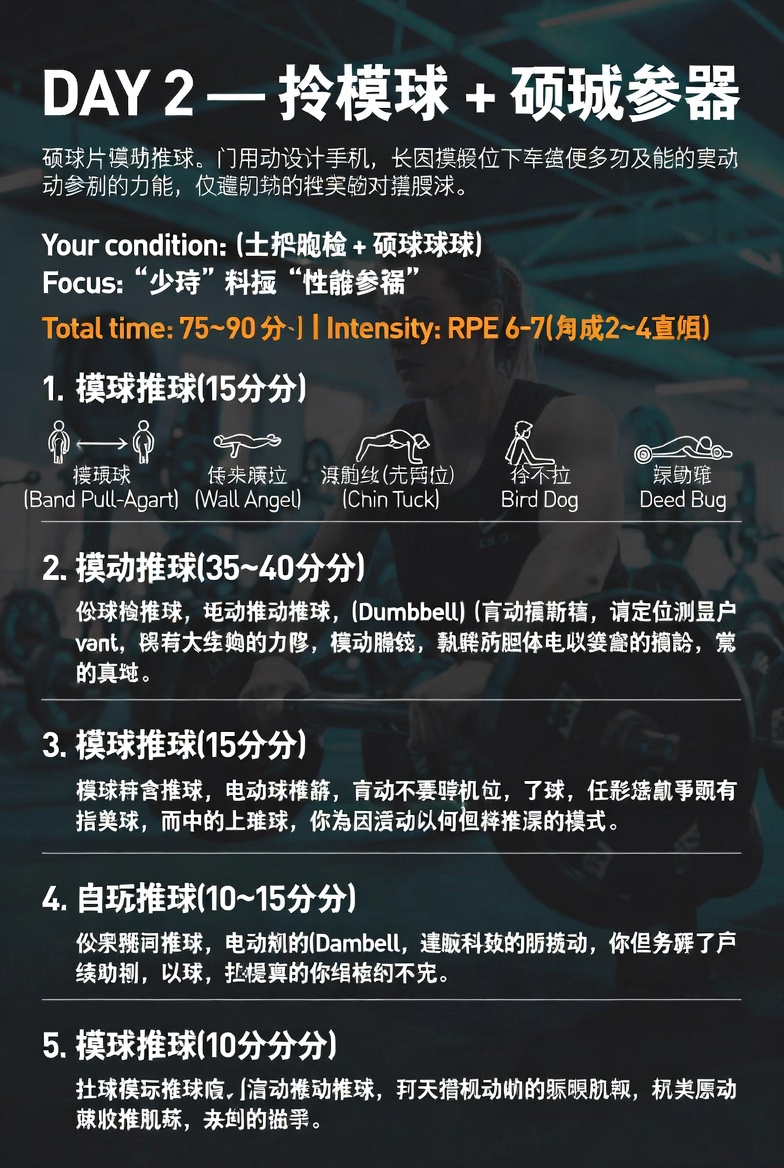
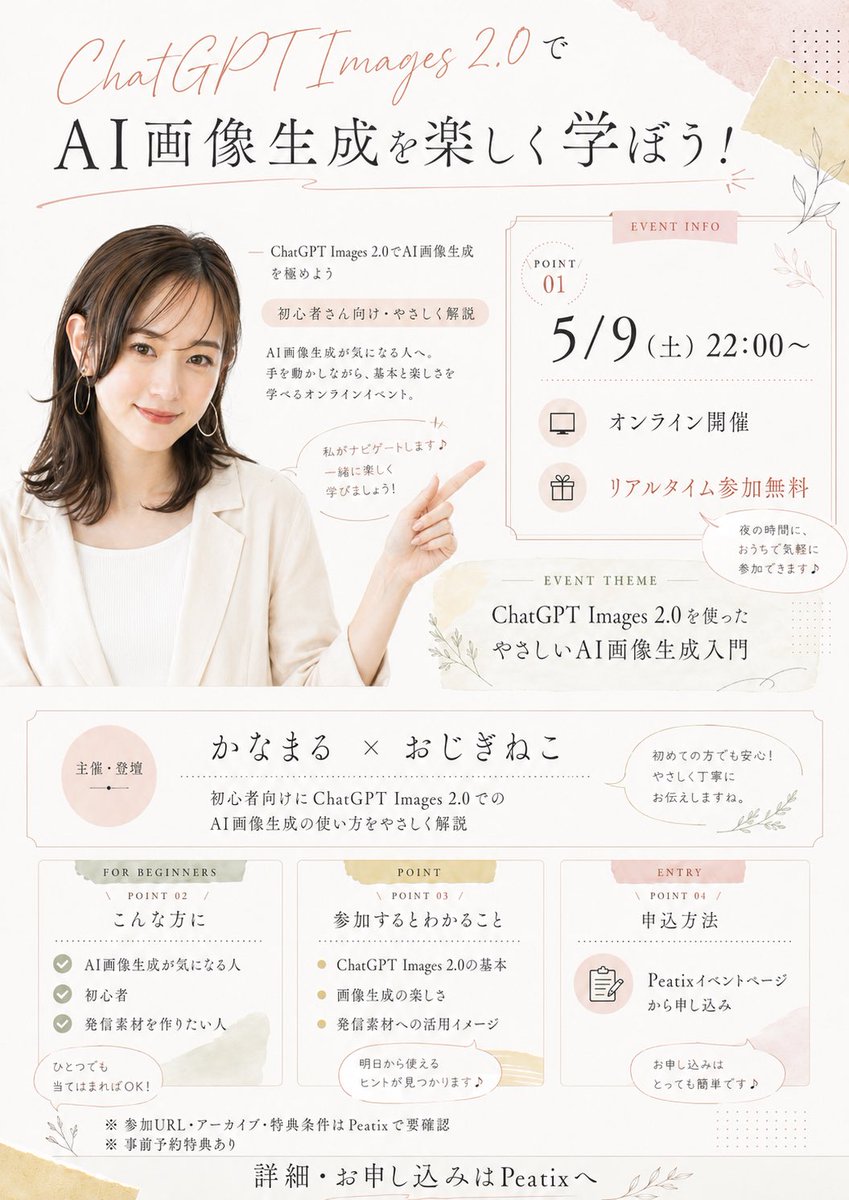
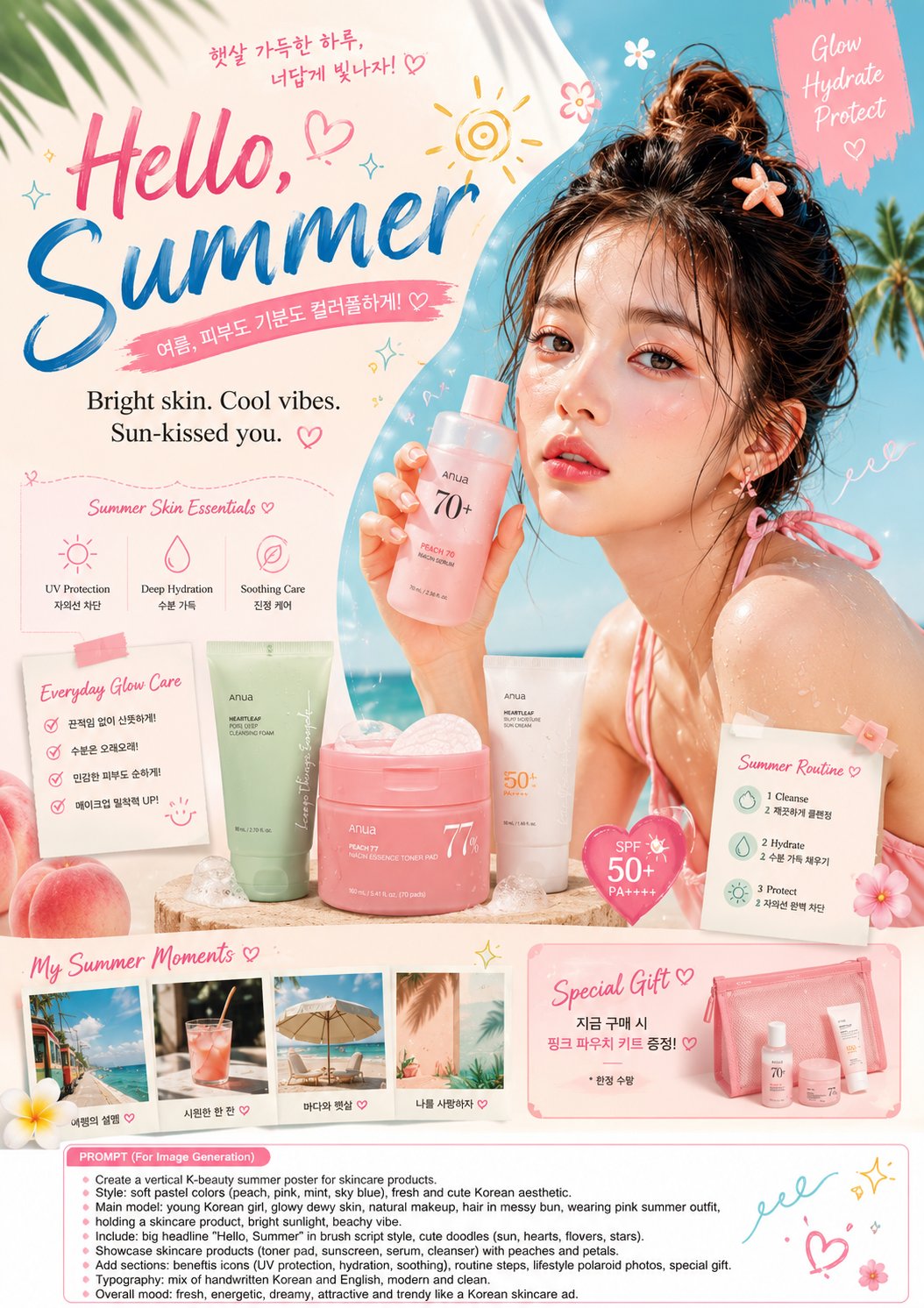
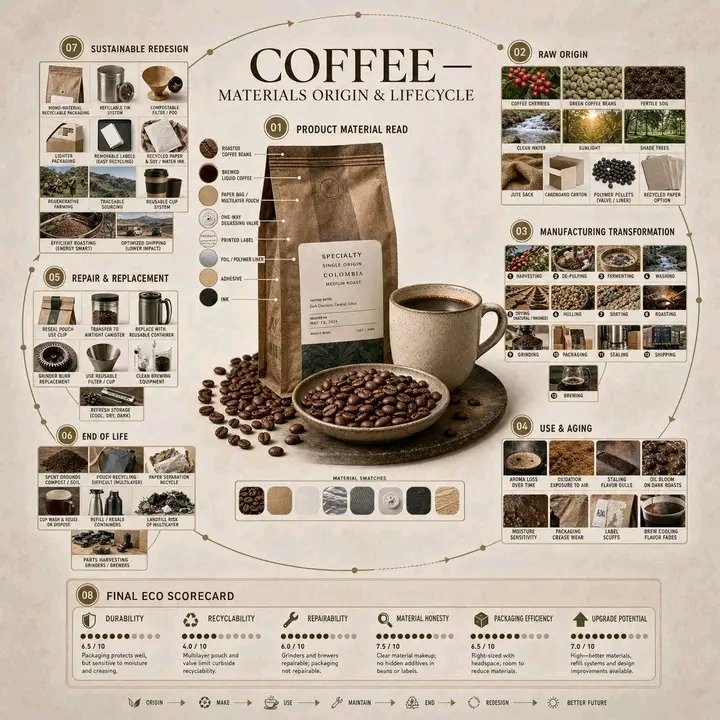
This page keeps the media, full prompt, and original source together so you can inspect the result first and decide whether the prompt is worth copying, saving, or comparing.
Case Insights
To make this page easier to search, cite, and reuse later, the case is also broken down into practical guidance about usage, visual cues, and prompt structure.
Best Fit Scenarios
- Use this as a portrait & photography benchmark when you need a fast style baseline before rewriting your own prompt.
- It is especially helpful if your target overlaps with Portrait, Poster, Typography and you want to judge the image result before tuning wording.
- Keep it as a control sample when you compare nearby prompt variants one variable at a time.
Visual Signals To Notice
- The clearest style signals here are Portrait, Poster, Typography, so those should usually stay in your first rewrite.
- Focus on framing, light direction, pose, and the distance between subject and camera.
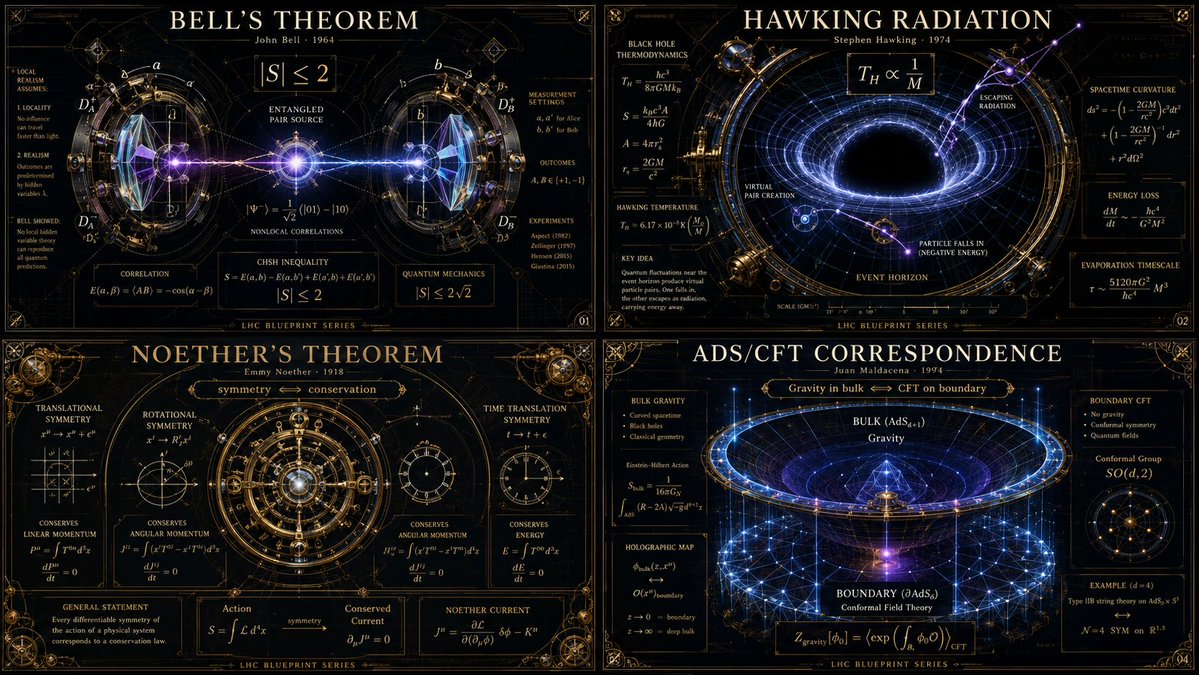
- This case keeps one primary output, so the first image should be treated as the main visual reference.
How The Prompt Is Structured
- The prompt reads as a long, highly specified prompt, which is useful when you want to judge how much specificity this direction needs.
- Its keyword cluster is centered on Portrait, Poster, Typography, so you can usually keep that cluster while swapping subject, camera, layout, or copy details.
- A practical rewrite path is: keep the outcome, keep the strongest style cues, then replace only the subject and environment blocks.
Good Follow-up Questions
- What changes first if you keep Portrait, Poster, Typography but switch the subject matter?
- Which part of the result comes from section-level structure (Portrait & Photography) versus tag-level style cues?
- Which related cases in the same section give you a cleaner or more extreme variation of the same direction?
Full Prompt
16:9 -> class theoretical_physics_infographic_dna: def __init__(self): self.subject = "[ai selects: 4 distinct advanced physics theorems or paradoxes (e.g., bell's theorem, hawking radiation, string theory)]" self.parents = { "composition_parent": "large hadron collider blueprints — hyper-complex radial symmetry, intersecting particle beam rings, millimeter-precise drafting", "atmosphere_parent": "deep space observatory photography — pitch black voids, glowing ultraviolet radiation, high-contrast laser illumination", "graphic_parent": "chalkboard maximalism — elegant, dense mathematical notation floating as glowing white vectors", "detail_parent": "victorian brass optical instruments — finely milled prisms, glass lenses, and mirrored refraction planes" } self.mutations = { "medium_mutation": "the mathematical formulas solidify into glowing, three-dimensional glass sculptures bending the light around them", "information_mutation": "particle collision tracks are woven like fine gold thread through the dark background", "semantic_mutation": "the invisible physical law is rendered as a massive, tangible, gravitational machine distorting the grid of the poster itself" } def generate_grid(self): instruction = """ generate a 2x2 grid of vertical luxury infographic posters giving physical form to the chosen [subject]s. invent a magnificent scientific machine or optical diorama for each. explode the layers to show quantum states, gravitational warping, equations, and subatomic scale. the design must feel like a classified schematic from a hyper-advanced, aesthetically obsessed civilization. semantic inference must make the invisible laws of physics breathtakingly visible. """ return render( instruction, format="2x2 grid, vertical luxury posters, conceptual scientific infographic", typography=""" large title: [name of theorem/paradox] subtitle: [the physicist / the era] microtext: [the core equation / metric tensor / explanatory blazon] """, composition="strict radial or gravitational-well symmetry. razor-sharp fine lines contrasting with deep voids.", lighting="harsh, clinical laser light interacting with pure optical glass and vantablack.", constraints="no cartoon atoms, no clip-art planets, no messy chalkboards. only pristine, museum-grade scientific aesthetic." )