Case Media
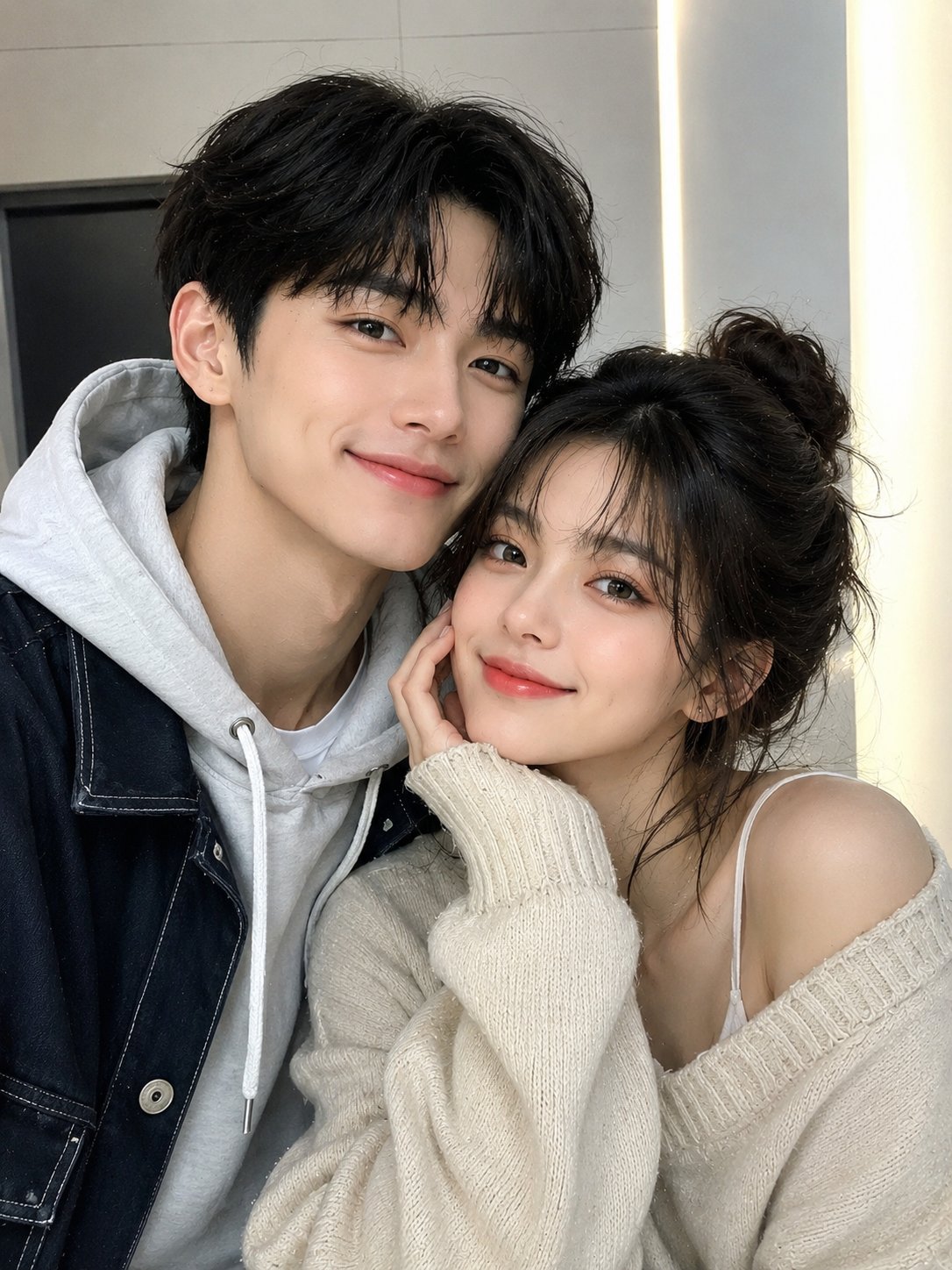
Case Notes
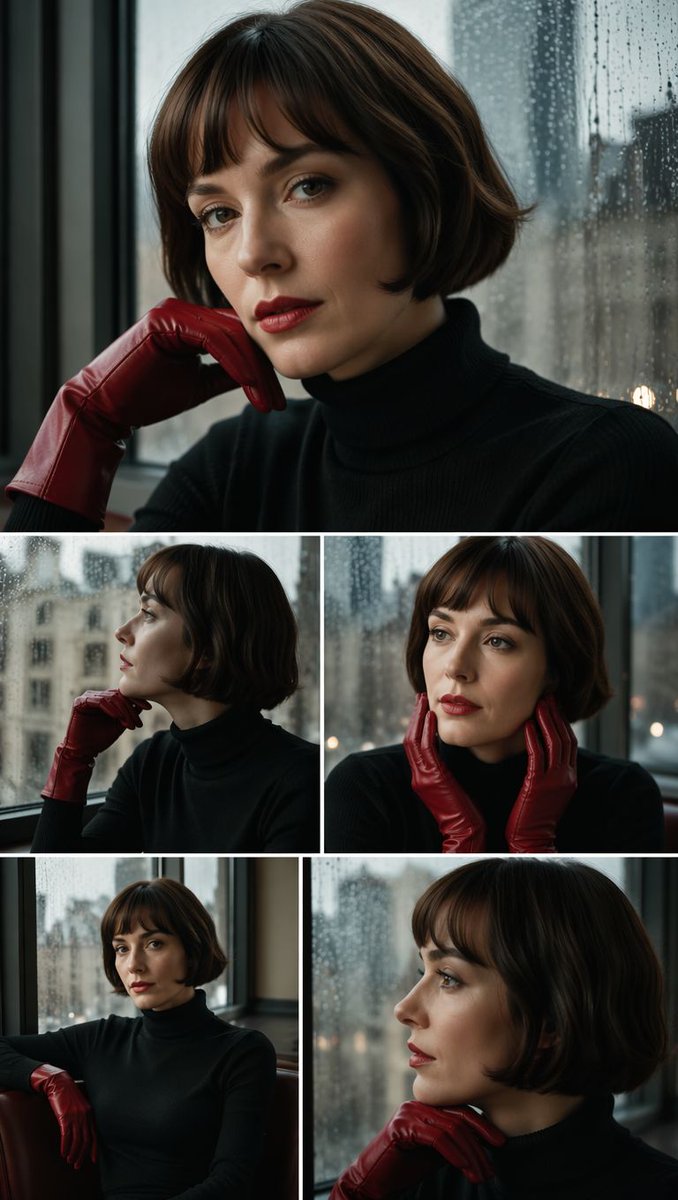
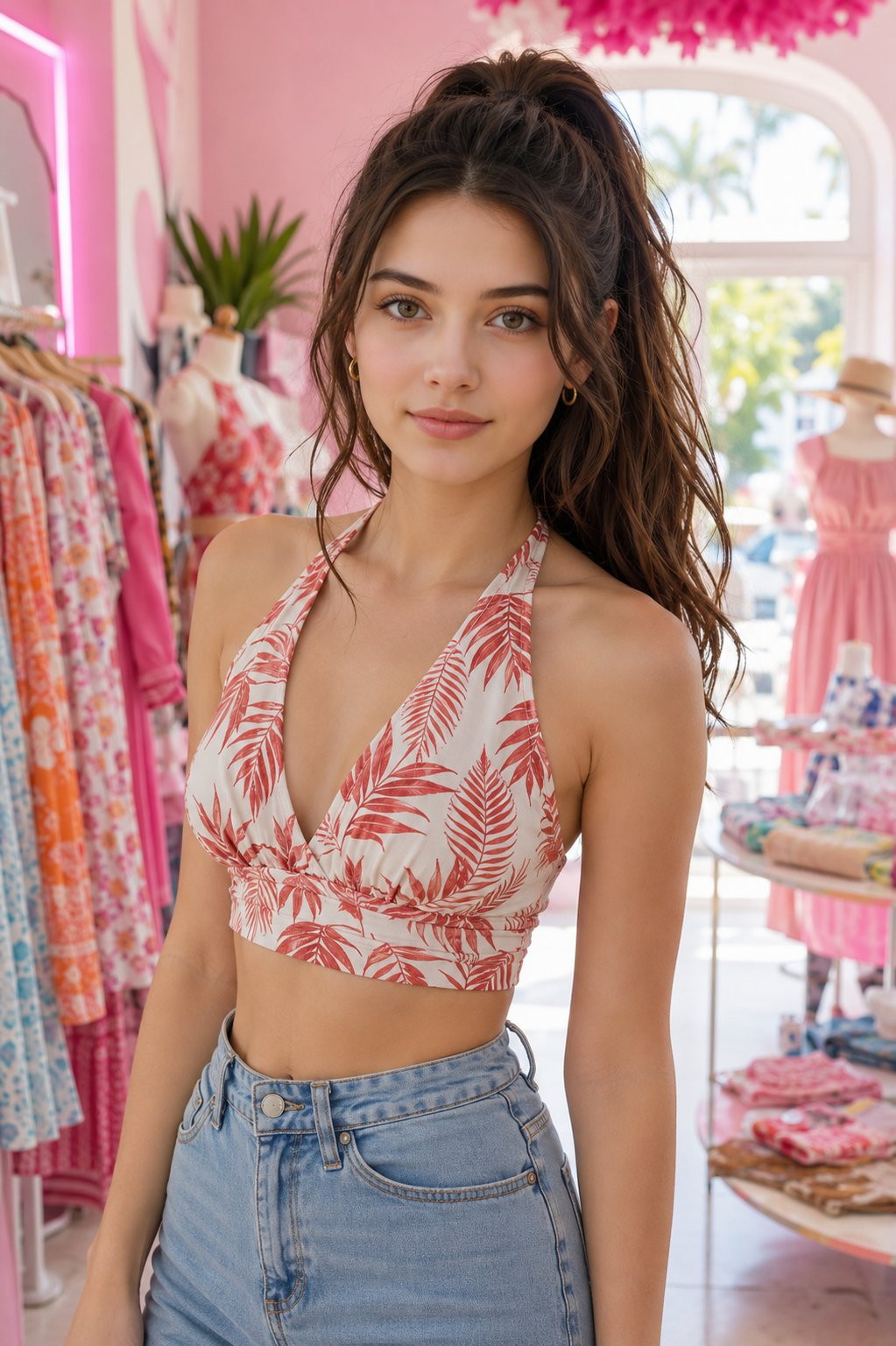
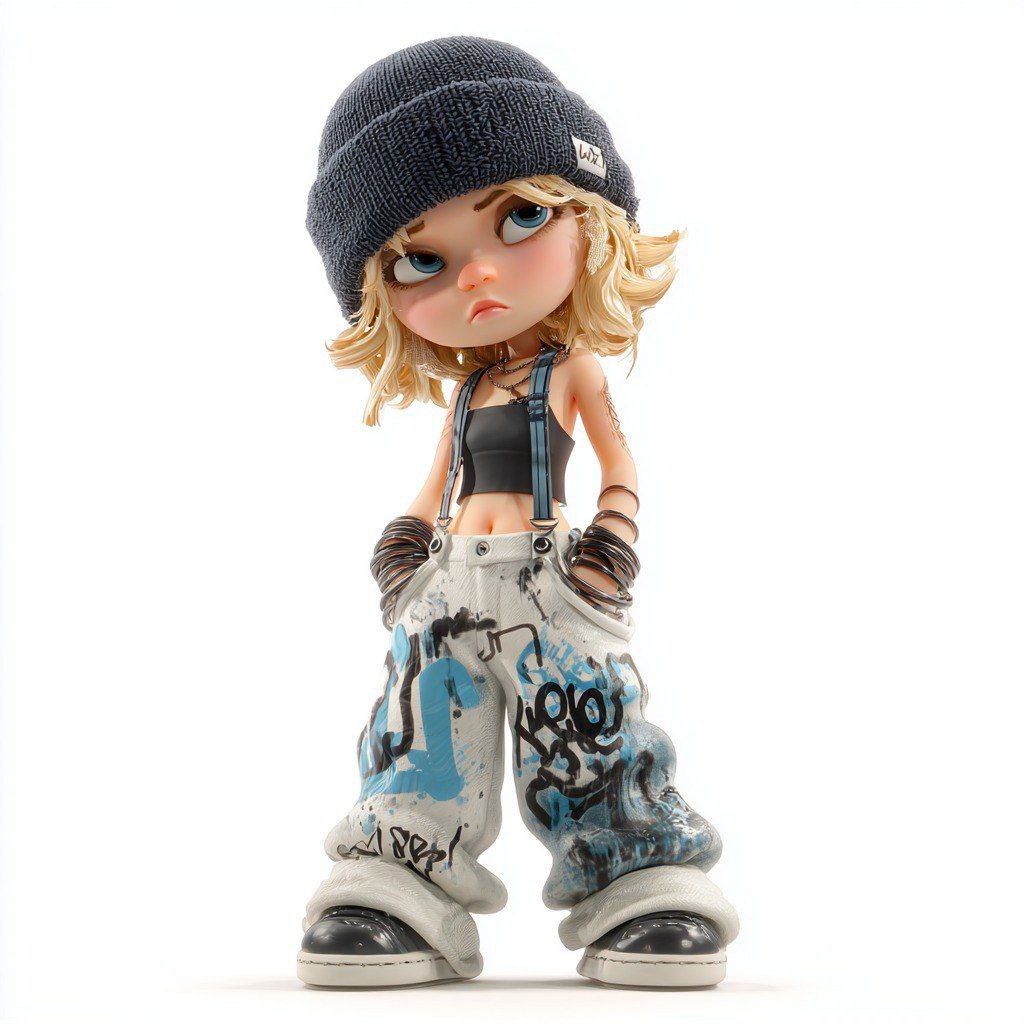
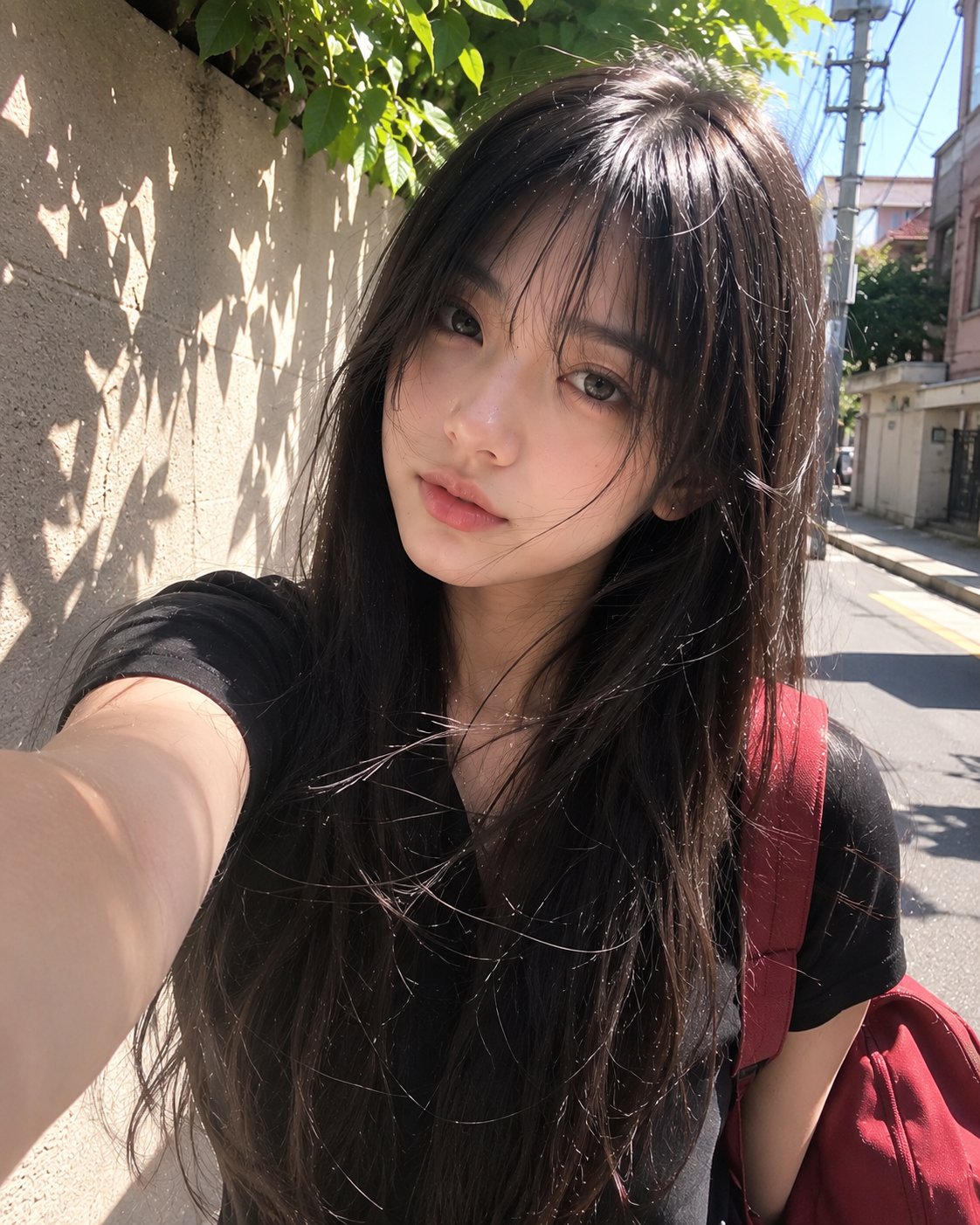
This page keeps the media, full prompt, and original source together so you can inspect the result first and decide whether the prompt is worth copying, saving, or comparing.
Case Insights
To make this page easier to search, cite, and reuse later, the case is also broken down into practical guidance about usage, visual cues, and prompt structure.
Best Fit Scenarios
- Use this as a portrait & photography benchmark when you need a fast style baseline before rewriting your own prompt.
- It is especially helpful if your target overlaps with Portrait, Fashion, Portrait & Photography and you want to judge the image result before tuning wording.
- Keep it as a control sample when you compare nearby prompt variants one variable at a time.
Visual Signals To Notice
- The clearest style signals here are Portrait, Fashion, Portrait & Photography, so those should usually stay in your first rewrite.
- Focus on framing, light direction, pose, and the distance between subject and camera.
- This case keeps 2 media outputs, which makes it easier to check whether the style remains stable across multiple results.
How The Prompt Is Structured
- The prompt reads as a long, highly specified prompt, which is useful when you want to judge how much specificity this direction needs.
- Its keyword cluster is centered on Portrait, Fashion, Portrait & Photography, so you can usually keep that cluster while swapping subject, camera, layout, or copy details.
- A practical rewrite path is: keep the outcome, keep the strongest style cues, then replace only the subject and environment blocks.
Good Follow-up Questions
- What changes first if you keep Portrait, Fashion, Portrait & Photography but switch the subject matter?
- Which part of the result comes from section-level structure (Portrait & Photography) versus tag-level style cues?
- Which related cases in the same section give you a cleaner or more extreme variation of the same direction?
Full Prompt
Create a detailed artistic portrait painting of the subject using a traditional Dry Brush painting technique with visible rough brush strokes, imperfect textures, uneven paint distribution, and slightly messy handcrafted details to make the artwork feel authentically created by a human artist rather than digitally perfect. The overall style should feel expressive, raw, organic, and artistic while still maintaining strong visual appeal and realism on the subject’s facial structure. Use bright, vibrant, and eye-catching color combinations with rich tonal variation so the artwork feels alive, energetic, and visually dynamic, avoiding flat, dull, or monochromatic coloring. Skin textures, facial details, hair, outfit fabric, and all visible elements must fully follow the Dry Brush texture style with layered paint streaks and artistic imperfections. The subject’s pose and facial expression must look natural, relaxed, confident, and emotionally alive, avoiding stiff, awkward, gloomy, or expressionless appearances. The pose and expression must also be completely different from the attached reference photo to create a fresh artistic interpretation instead of a duplicated composition. The outfit must be stylish, modern, trendy, and casual with strong fashion aesthetics, avoiding basic, generic, or monotonous clothing designs. The clothing must also be entirely different from the outfit in the reference image. Ensure the outfit fully blends with the Dry Brush painting style, including textured fabric details, expressive brush patterns, and artistic color treatment. The final artwork should feel like a premium contemporary handmade portrait painting with expressive imperfections, dynamic brushwork, fashionable styling, and visually striking colors while still preserving the identity of the original subject.