Case Media
Case Notes
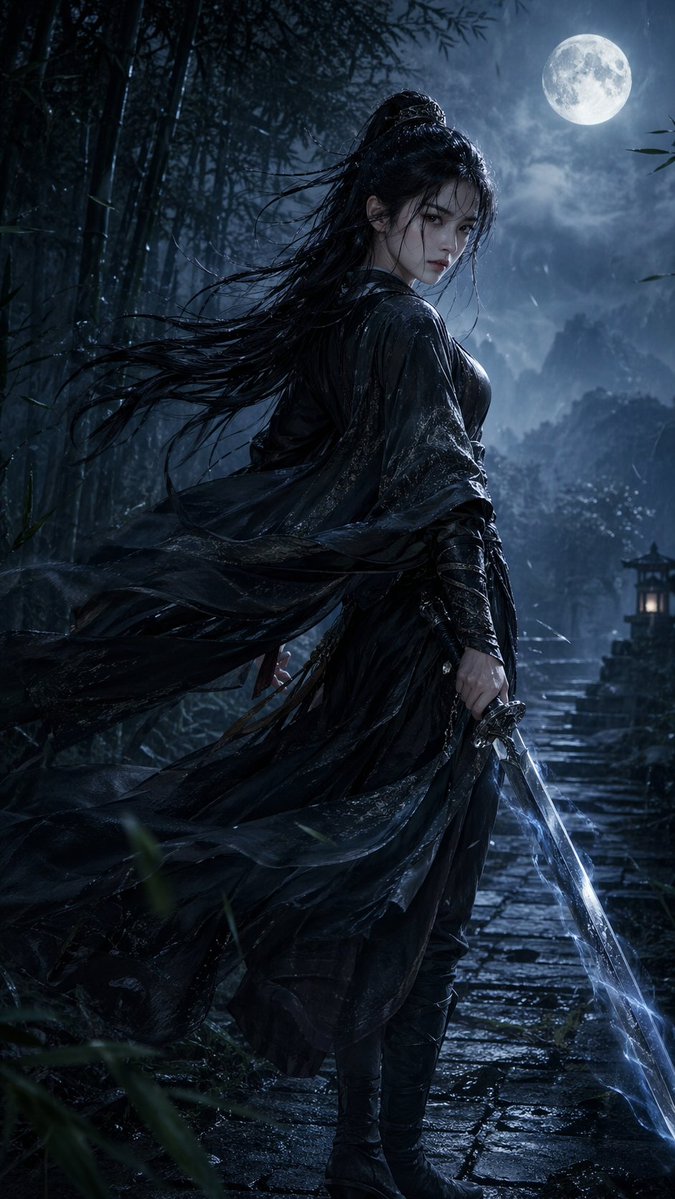
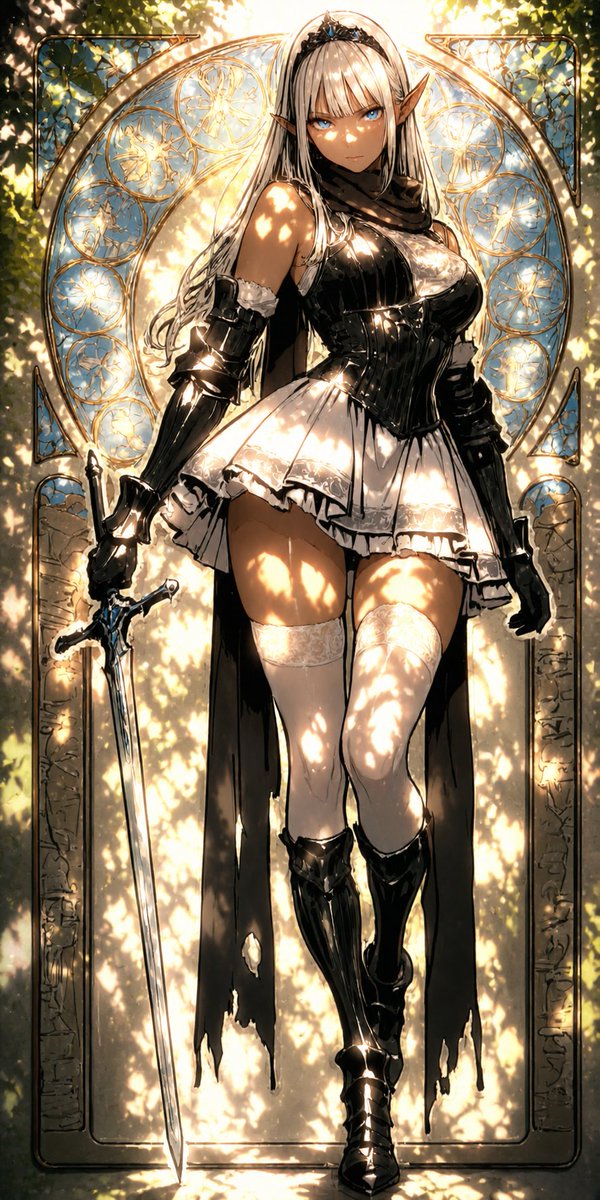
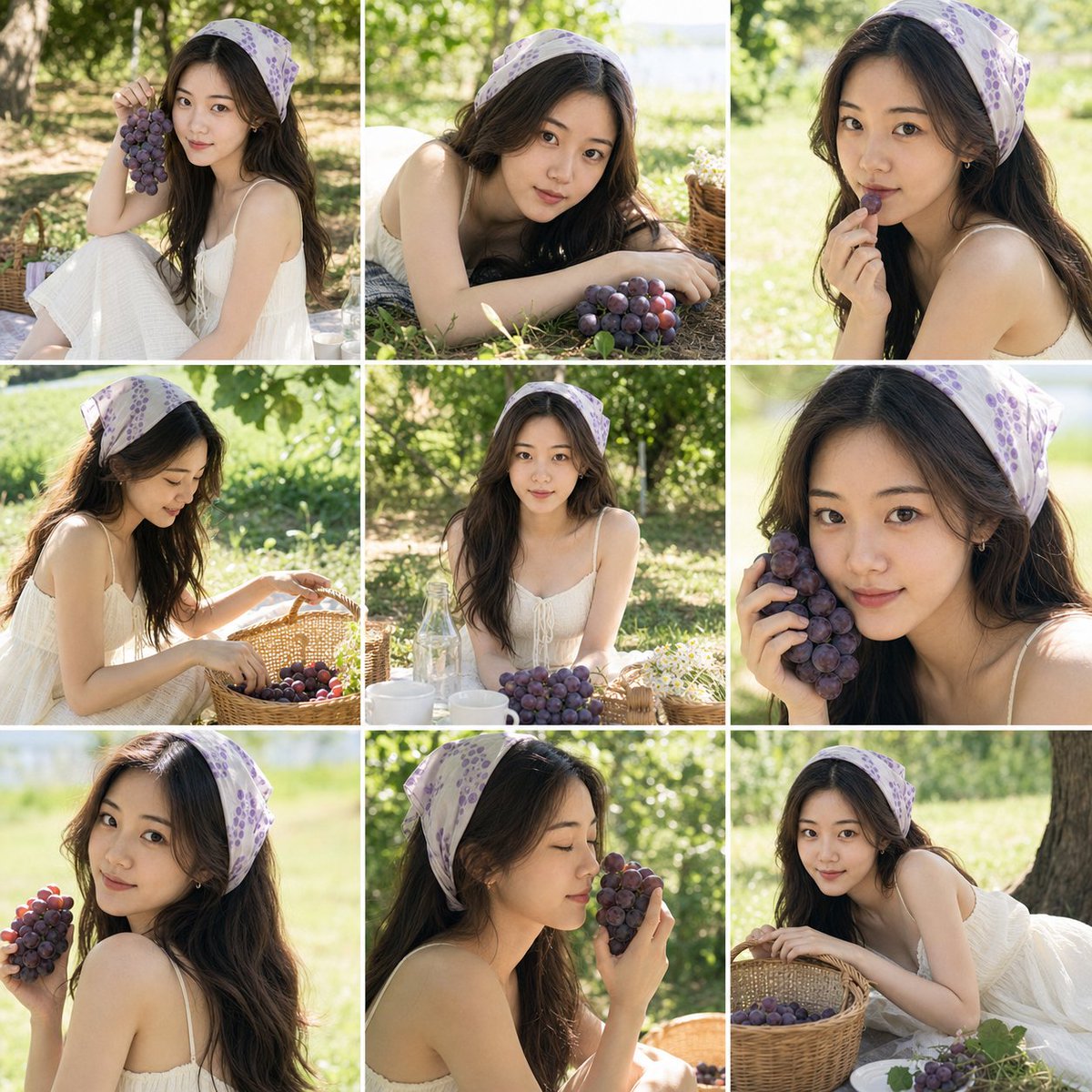
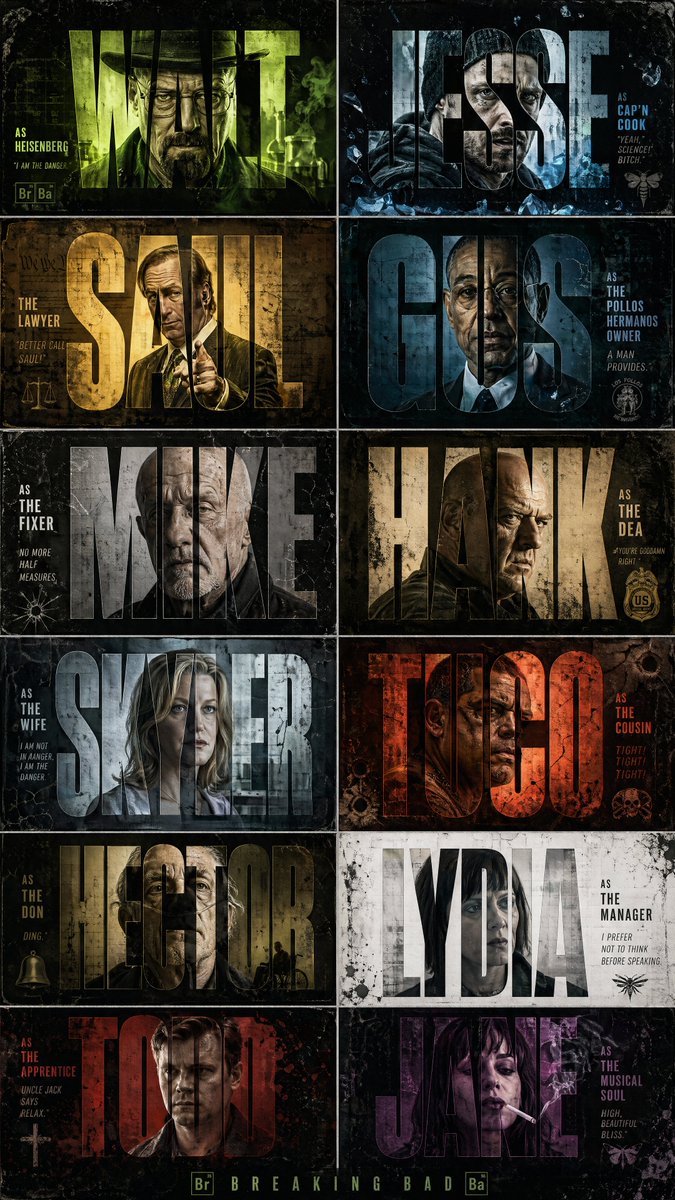
This page keeps the media, full prompt, and original source together so you can inspect the result first and decide whether the prompt is worth copying, saving, or comparing.
Case Insights
To make this page easier to search, cite, and reuse later, the case is also broken down into practical guidance about usage, visual cues, and prompt structure.
Best Fit Scenarios
- Use this as a model & community benchmark when you need a fast style baseline before rewriting your own prompt.
- It is especially helpful if your target overlaps with Portrait, Cinematic, Character and you want to judge the image result before tuning wording.
- Keep it as a control sample when you compare nearby prompt variants one variable at a time.
Visual Signals To Notice
- The clearest style signals here are Portrait, Cinematic, Character, so those should usually stay in your first rewrite.
- This kind of case is strongest when you watch deltas: what changed, what broke, and which prompt choice caused that shift.
- This case keeps one primary output, so the first image should be treated as the main visual reference.
How The Prompt Is Structured
- The prompt reads as a long, highly specified prompt, which is useful when you want to judge how much specificity this direction needs.
- Its keyword cluster is centered on Portrait, Cinematic, Character, so you can usually keep that cluster while swapping subject, camera, layout, or copy details.
- A practical rewrite path is: keep the outcome, keep the strongest style cues, then replace only the subject and environment blocks.
Good Follow-up Questions
- What changes first if you keep Portrait, Cinematic, Character but switch the subject matter?
- Which part of the result comes from section-level structure (Model & Community) versus tag-level style cues?
- Which related cases in the same section give you a cleaner or more extreme variation of the same direction?
Full Prompt
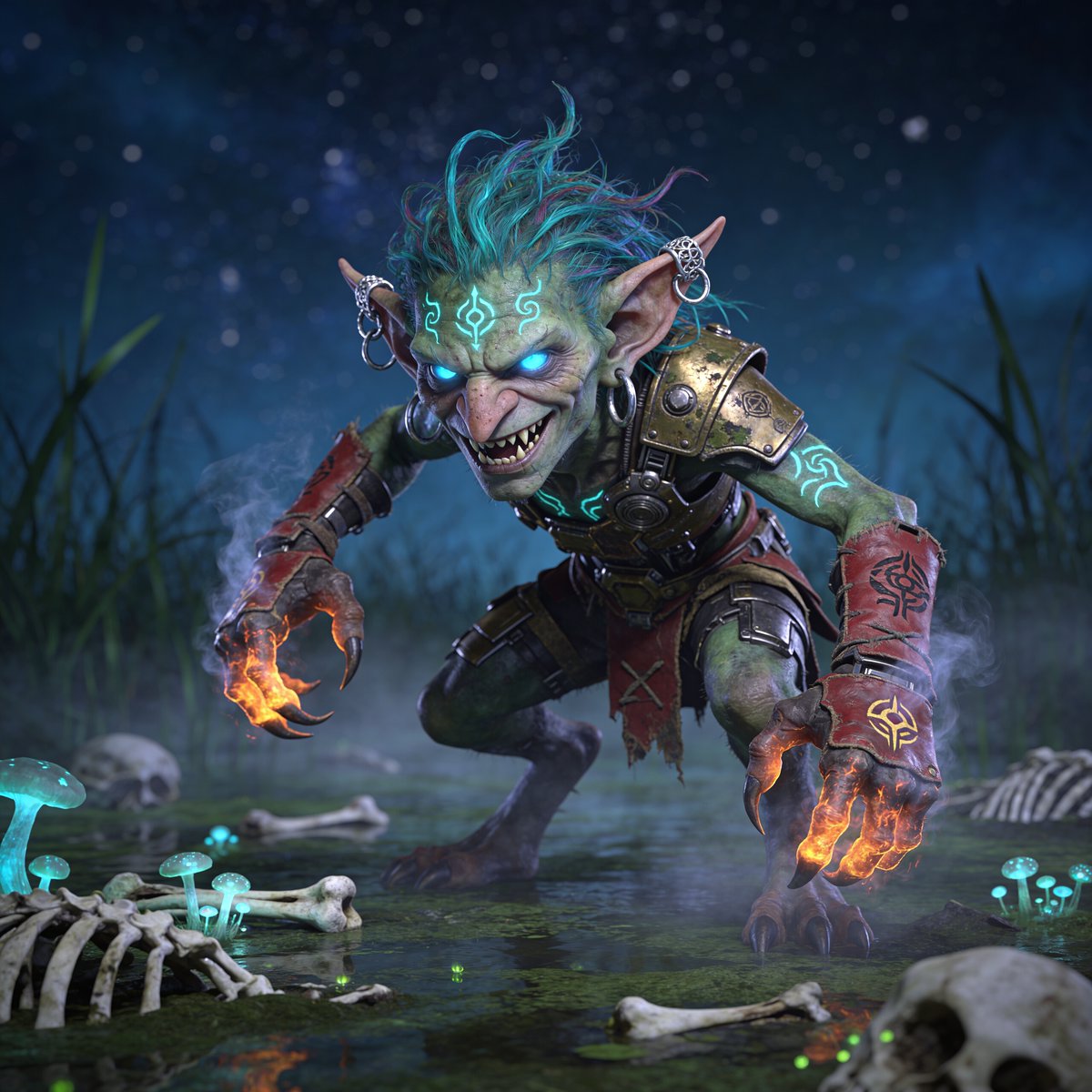
Create a cinematic dark-fantasy 3D character portrait of a feral {argument name="creature type" default="goblin shaman"} crouching low in a swamp at night, lunging toward the viewer with a malicious grin. The creature has mottled green skin, a narrow wrinkled face, sharp fangs, long pointed ears with multiple silver hoop piercings, glowing icy-blue eyes, and wild spiky {argument name="hair color" default="turquoise and magenta"} hair swept upward. Add luminous cyan tribal markings on the forehead, chest, and arms, with the brightest sigil centered above the brow. Dress the goblin in rugged fantasy armor: one large weathered brass shoulder pauldron with rivets, dark leather straps, a circular metal chest device, a tattered red loincloth, and red leather forearm bracers painted with black occult symbols. Both clawed hands should be extended forward, wreathed in smoky orange magical fire, with glowing runes on the wrists and fingertips. Set the scene in a murky marsh with shallow reflective water, mist, reeds, scattered bones, ribs, and skulls, plus clusters of bioluminescent cyan mushrooms and tiny green firefly-like lights. Use a low camera angle, dramatic depth of field, high-detail creature sculpting, wet skin and armor textures, volumetric blue fog, starry night bokeh in the background, and strong contrast between cold cyan magical glow and hot orange hand-fire. Make it a square, ultra-detailed, cinematic fantasy render with an aggressive, menacing mood.