Case Media
Case Notes
This page keeps the media, full prompt, and original source together so you can inspect the result first and decide whether the prompt is worth copying, saving, or comparing.
Case Insights
To make this page easier to search, cite, and reuse later, the case is also broken down into practical guidance about usage, visual cues, and prompt structure.
Best Fit Scenarios
- Use this as a model & community benchmark when you need a fast style baseline before rewriting your own prompt.
- It is especially helpful if your target overlaps with Cinematic, Fashion, Poster and you want to judge the image result before tuning wording.
- Keep it as a control sample when you compare nearby prompt variants one variable at a time.
Visual Signals To Notice
- The clearest style signals here are Cinematic, Fashion, Poster, so those should usually stay in your first rewrite.
- This kind of case is strongest when you watch deltas: what changed, what broke, and which prompt choice caused that shift.
- This case keeps one primary output, so the first image should be treated as the main visual reference.
How The Prompt Is Structured
- The prompt reads as a long, highly specified prompt, which is useful when you want to judge how much specificity this direction needs.
- Its keyword cluster is centered on Cinematic, Fashion, Poster, so you can usually keep that cluster while swapping subject, camera, layout, or copy details.
- A practical rewrite path is: keep the outcome, keep the strongest style cues, then replace only the subject and environment blocks.
Good Follow-up Questions
- What changes first if you keep Cinematic, Fashion, Poster but switch the subject matter?
- Which part of the result comes from section-level structure (Model & Community) versus tag-level style cues?
- Which related cases in the same section give you a cleaner or more extreme variation of the same direction?
Full Prompt
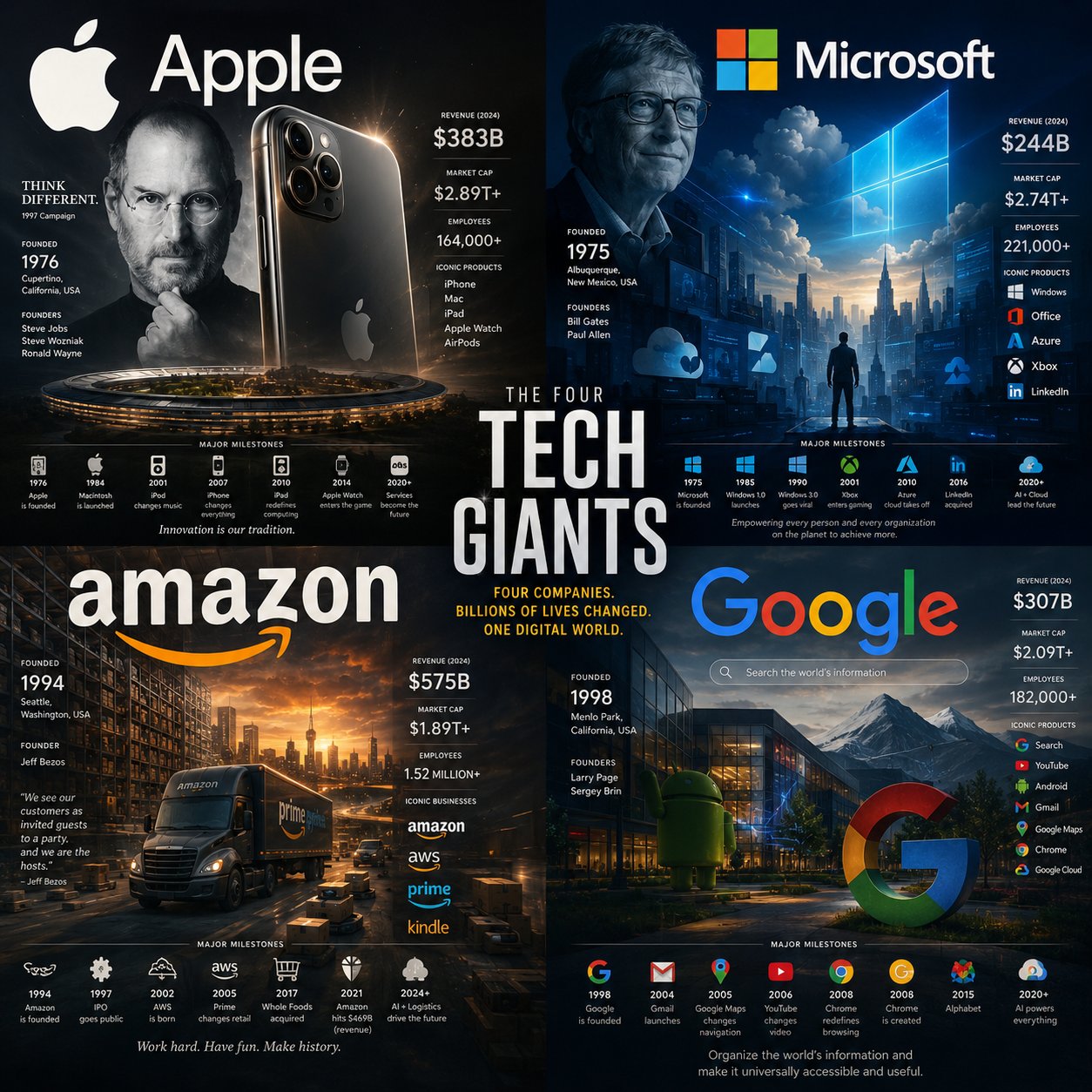
A world-class cinematic brand historian, elite documentary art director, viral visual strategist, and luxury editorial designer specializing in transforming legendary brands into breathtaking “history-meets-blockbuster” visual experiences. PROJECT: Turn [BRAND] into an unforgettable visual documentary event. FORMAT: 4:5 vertical ultra-premium cinematic infographic poster Designed for X, Instagram, magazine covers, digital billboards, and viral social sharing 8K masterpiece quality CORE CONCEPT: Create a visually explosive “National Geographic for Icons” experience. The entire poster is built around ONE legendary hero image associated with [BRAND] — massive, atmospheric, emotional, and instantly recognizable. The hero fills the entire frame top-to-bottom with zero empty space. Everything feels like the audience accidentally walked into a Netflix documentary poster about the rise of a global empire. No boxes. No magazine grids. No white backgrounds. Only immersive storytelling layered naturally into the environment. STYLE DIRECTION: Netflix documentary × National Geographic × luxury advertising × cinematic world-building × viral social storytelling High contrast Layered depth Atmospheric realism Emotional scale Dense visual storytelling Documentary prestige Premium infographic energy VISUAL COMPOSITION: - Massive hero subject dominates 70% of the image - Cinematic environmental storytelling in background - Floating editorial overlays integrated into scene - Dynamic particles, reflections, textures, light rays, motion energy - Tiny hidden details and easter eggs rewarding repeat viewing - Organic infographic elements emerging naturally from environment TYPOGRAPHY: Oversized [BRAND] typography dominates the upper composition. Typography should feel native to the brand identity: Luxury → elegant serif Tech → futuristic minimal Street → bold aggressive Classic → timeless editorial Text physically interacts with environment: wrapped around buildings, smoke, objects, architecture, lighting INCLUDE: • Founding year + origin story • Founder names • Revenue + valuation • Global footprint + employee count • Iconic products or greatest inventions • Famous campaigns and cultural moments • Partnerships and collaborations • Biggest controversies • 3 surprising facts nobody knows • Signature quote, slogan, or motto BOTTOM TIMELINE: Create a cinematic timeline journey: FOUNDING → BREAKTHROUGH → GLOBAL TAKEOVER → CULTURAL MOMENT → PRESENT DAY MOOD: The audience should instantly think: "I didn’t know a brand infographic could look this insane." Dense. Viral. Cinematic. Emotional. Prestige documentary energy. Color palette, mood, lighting, atmosphere, and visual language must be dictated entirely by [BRAND].