Case Media
Case Notes
This page keeps the media, full prompt, and original source together so you can inspect the result first and decide whether the prompt is worth copying, saving, or comparing.
Case Insights
To make this page easier to search, cite, and reuse later, the case is also broken down into practical guidance about usage, visual cues, and prompt structure.
Best Fit Scenarios
- Use this as a model & community benchmark when you need a fast style baseline before rewriting your own prompt.
- It is especially helpful if your target overlaps with Poster, Illustration, Character and you want to judge the image result before tuning wording.
- Keep it as a control sample when you compare nearby prompt variants one variable at a time.
Visual Signals To Notice
- The clearest style signals here are Poster, Illustration, Character, so those should usually stay in your first rewrite.
- This kind of case is strongest when you watch deltas: what changed, what broke, and which prompt choice caused that shift.
- This case keeps one primary output, so the first image should be treated as the main visual reference.
How The Prompt Is Structured
- The prompt reads as a long, highly specified prompt, which is useful when you want to judge how much specificity this direction needs.
- Its keyword cluster is centered on Poster, Illustration, Character, so you can usually keep that cluster while swapping subject, camera, layout, or copy details.
- A practical rewrite path is: keep the outcome, keep the strongest style cues, then replace only the subject and environment blocks.
Good Follow-up Questions
- What changes first if you keep Poster, Illustration, Character but switch the subject matter?
- Which part of the result comes from section-level structure (Model & Community) versus tag-level style cues?
- Which related cases in the same section give you a cleaner or more extreme variation of the same direction?
Full Prompt
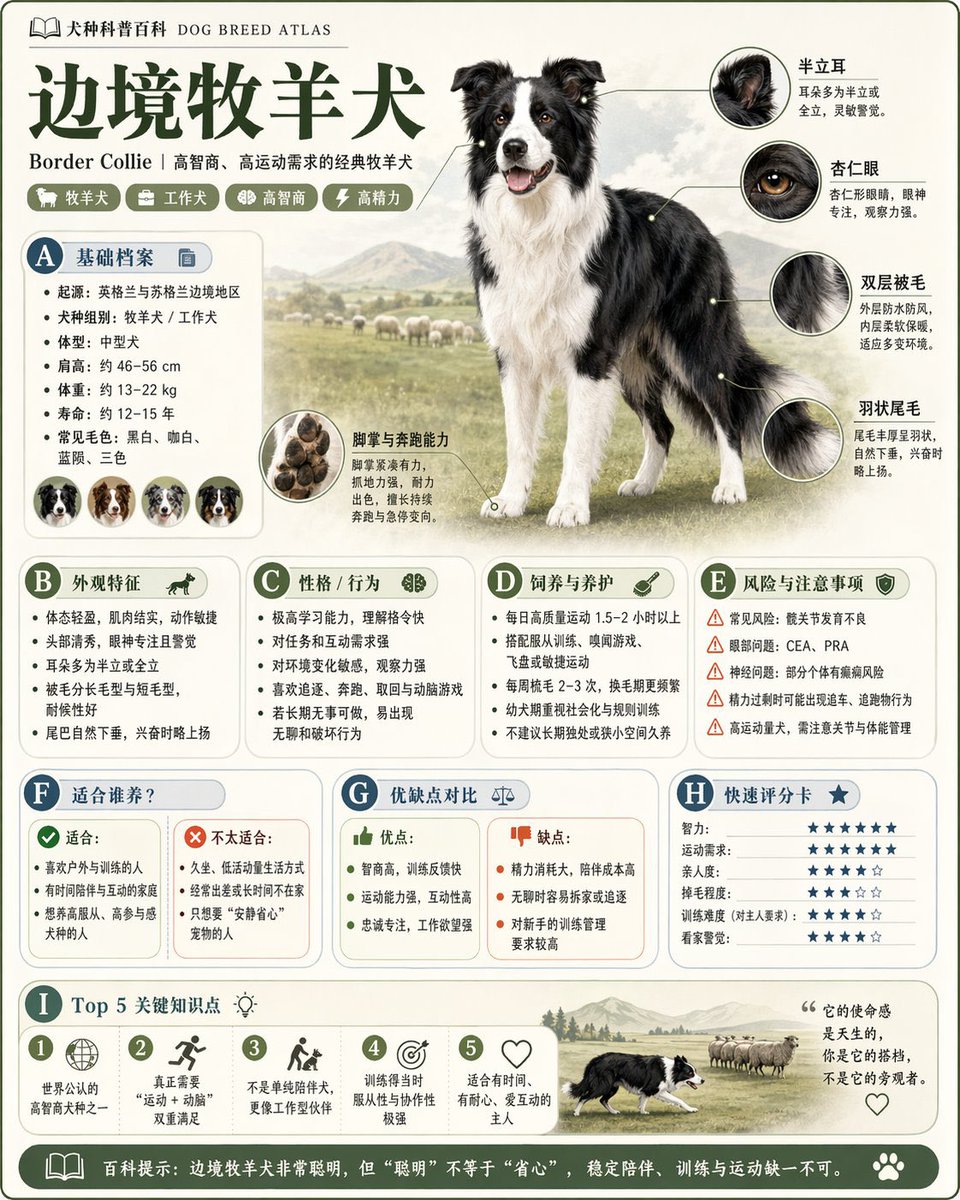
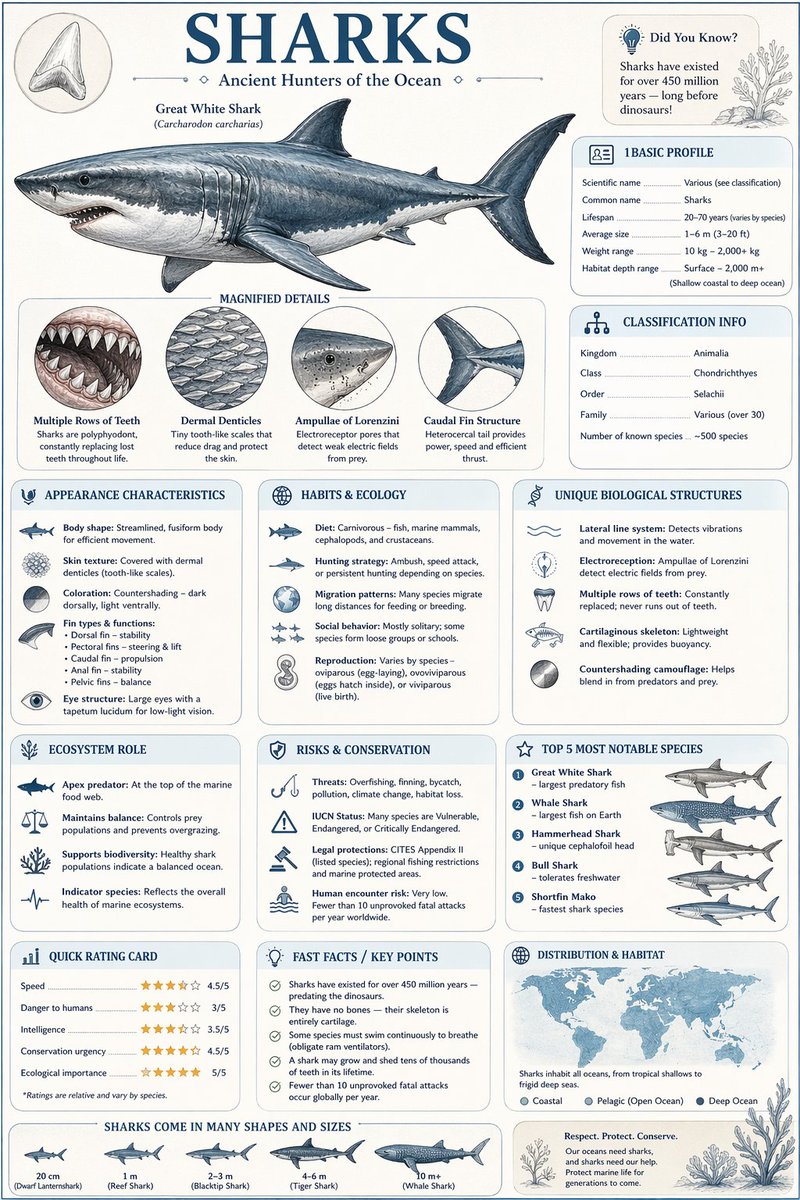
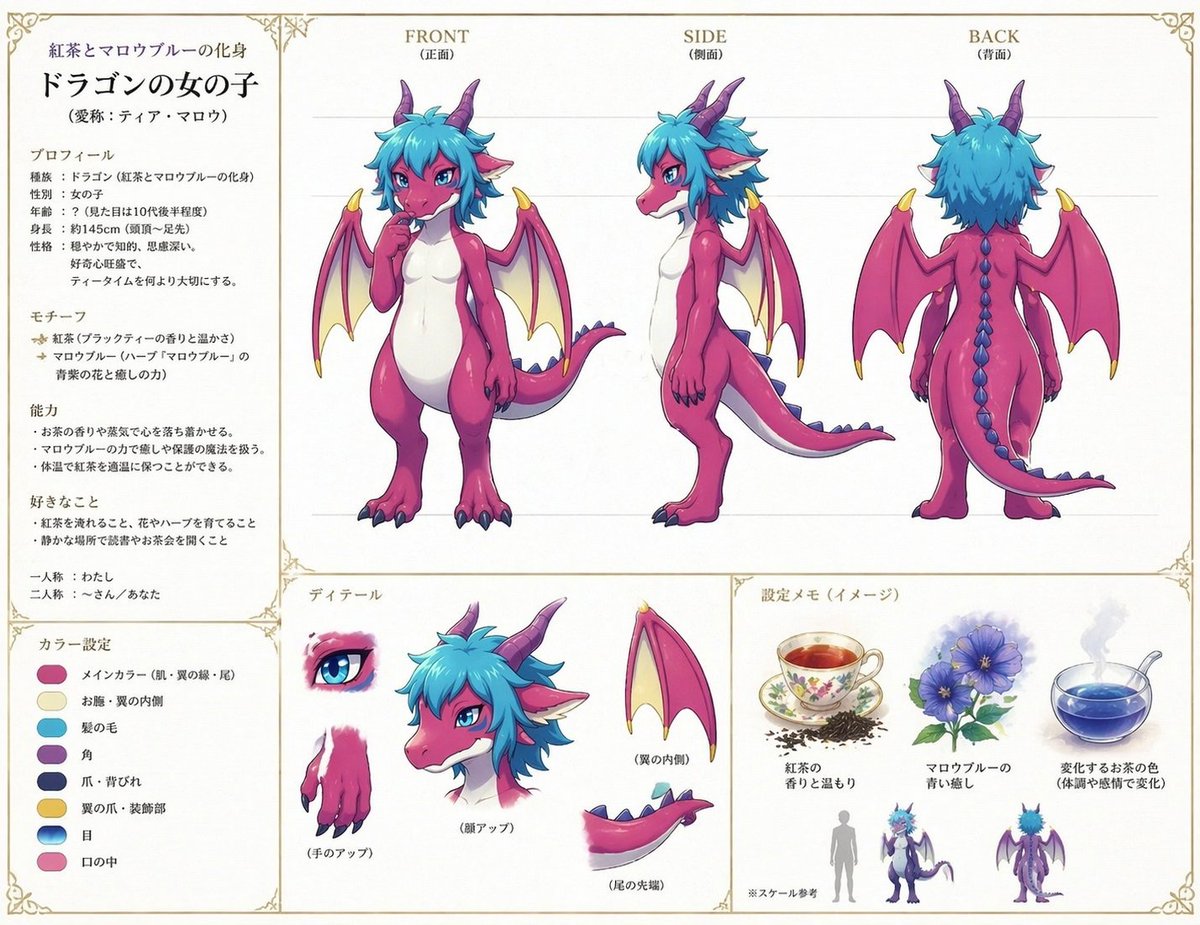
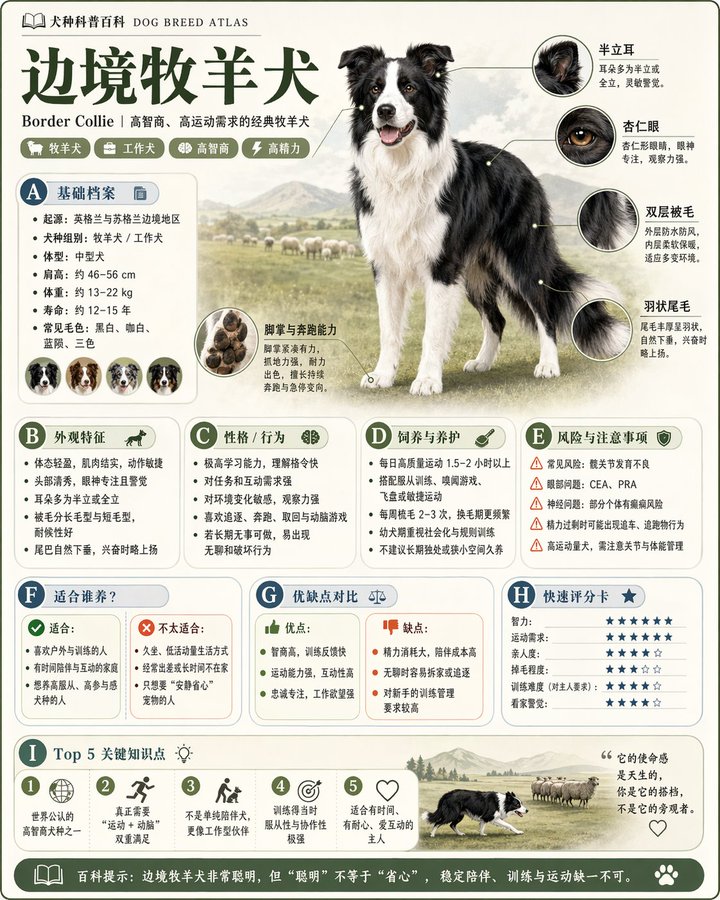
Please generate a high-quality vertical "Popular Science Encyclopedia Infographic" based on the [Topic]. This image is not an ordinary poster, nor a simple illustration, but a modular popular science infographic with a sense of "illustrated guide, encyclopedia, information structure, and collectibility". The overall style references a combination of high-end natural history illustrated guides, modern encyclopedia pages, lifestyle knowledge cards, and highly shared social media infographics. Please make the image contain: - A clear and beautiful theme main visual - Several enlarged details of local features - Multiple rounded modular information sections - Clear title hierarchy and key tags - Concise but rich encyclopedia content - Visualized scoring, key point summaries, or Top 5 modules Content columns should automatically adapt to the topic, prioritizing selection and reasonable combination from these directions: Basic profile, classification information, appearance features, habits/ecology, formation mechanism/structural composition, growth or usage conditions, care or maintenance suggestions, risks and precautions, suitable groups or applicable scenarios, pros and cons comparison, quick scorecard. Visual requirements: Light-colored clean background, soft color palette, light shadows, exquisite small icons, rounded information boxes, neat typography, high information density but not crowded, good reading experience. The overall look must be like a real popular science encyclopedia card that can be published, read, collected, and serialized, rather than an advertisement. Please do not make it into an ordinary commercial promotional poster. It must highlight the characteristics of "knowledge organization + modular information + illustrated guide style display".