Case Media
Case Notes
This page keeps the media, full prompt, and original source together so you can inspect the result first and decide whether the prompt is worth copying, saving, or comparing.
Case Insights
To make this page easier to search, cite, and reuse later, the case is also broken down into practical guidance about usage, visual cues, and prompt structure.
Best Fit Scenarios
- Use this as a model & community benchmark when you need a fast style baseline before rewriting your own prompt.
- It is especially helpful if your target overlaps with Illustration, Character, City Visual and you want to judge the image result before tuning wording.
- Keep it as a control sample when you compare nearby prompt variants one variable at a time.
Visual Signals To Notice
- The clearest style signals here are Illustration, Character, City Visual, so those should usually stay in your first rewrite.
- This kind of case is strongest when you watch deltas: what changed, what broke, and which prompt choice caused that shift.
- This case keeps 4 media outputs, which makes it easier to check whether the style remains stable across multiple results.
How The Prompt Is Structured
- The prompt reads as a long, highly specified prompt, which is useful when you want to judge how much specificity this direction needs.
- Its keyword cluster is centered on Illustration, Character, City Visual, so you can usually keep that cluster while swapping subject, camera, layout, or copy details.
- A practical rewrite path is: keep the outcome, keep the strongest style cues, then replace only the subject and environment blocks.
Good Follow-up Questions
- What changes first if you keep Illustration, Character, City Visual but switch the subject matter?
- Which part of the result comes from section-level structure (Model & Community) versus tag-level style cues?
- Which related cases in the same section give you a cleaner or more extreme variation of the same direction?
Full Prompt
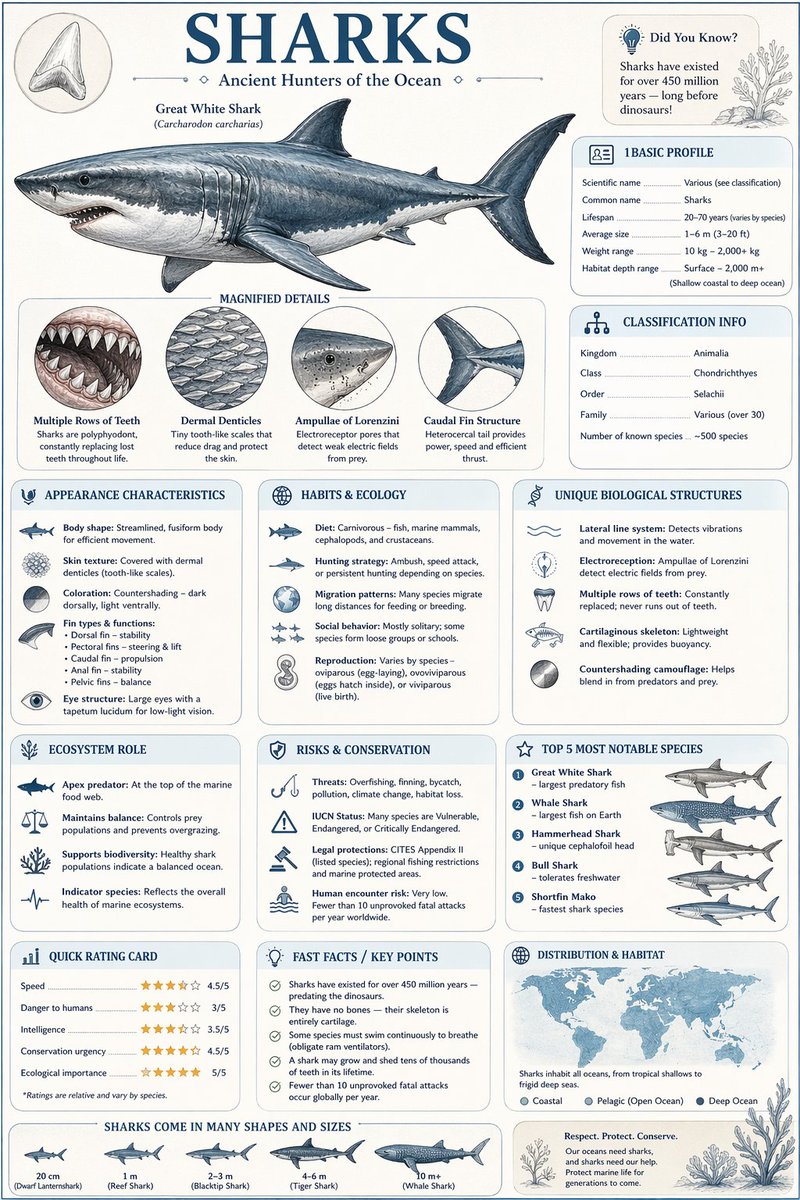
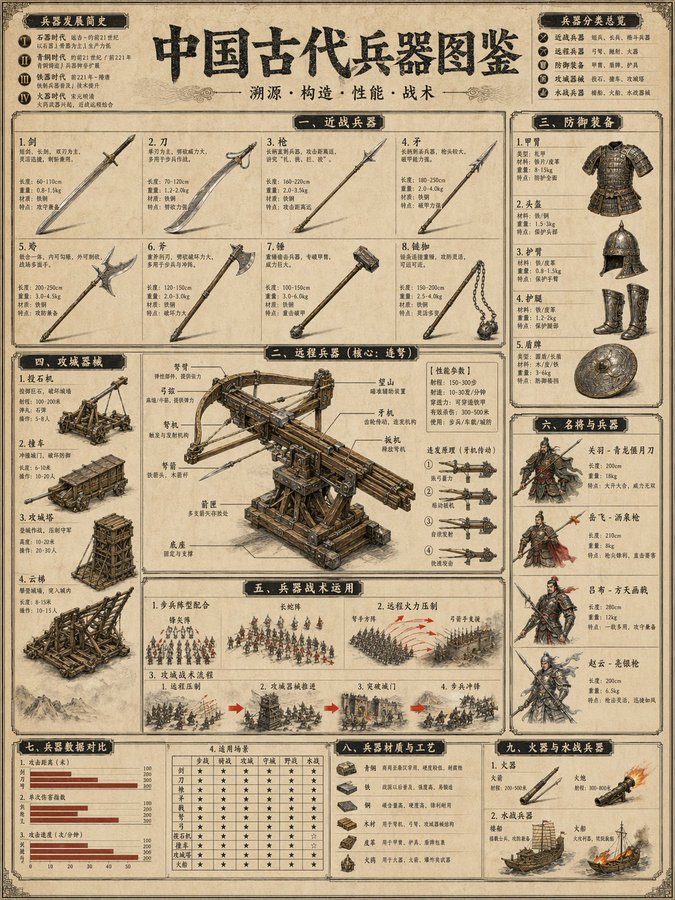
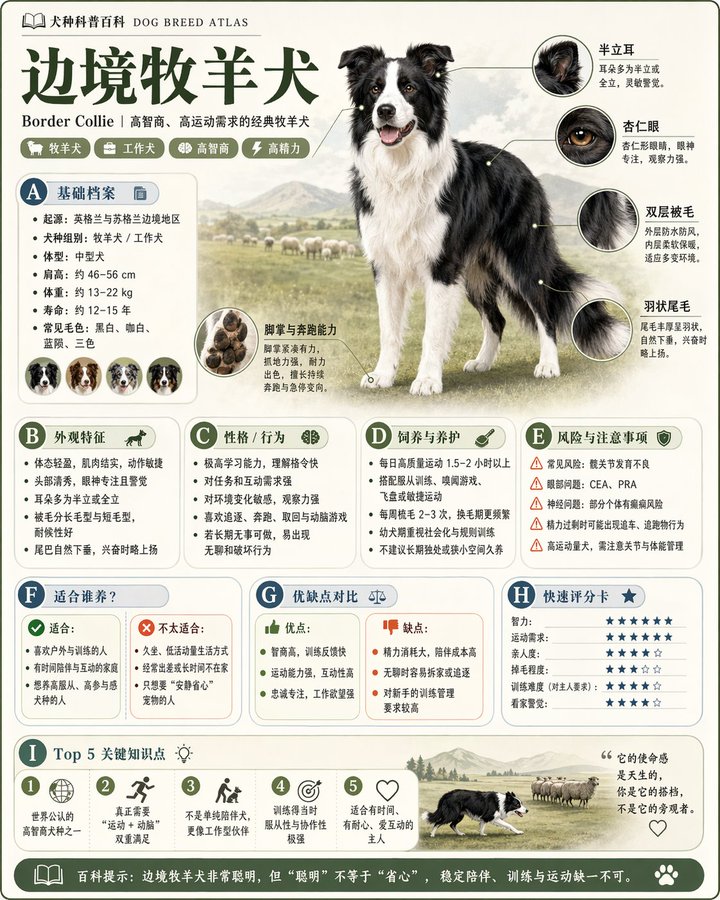
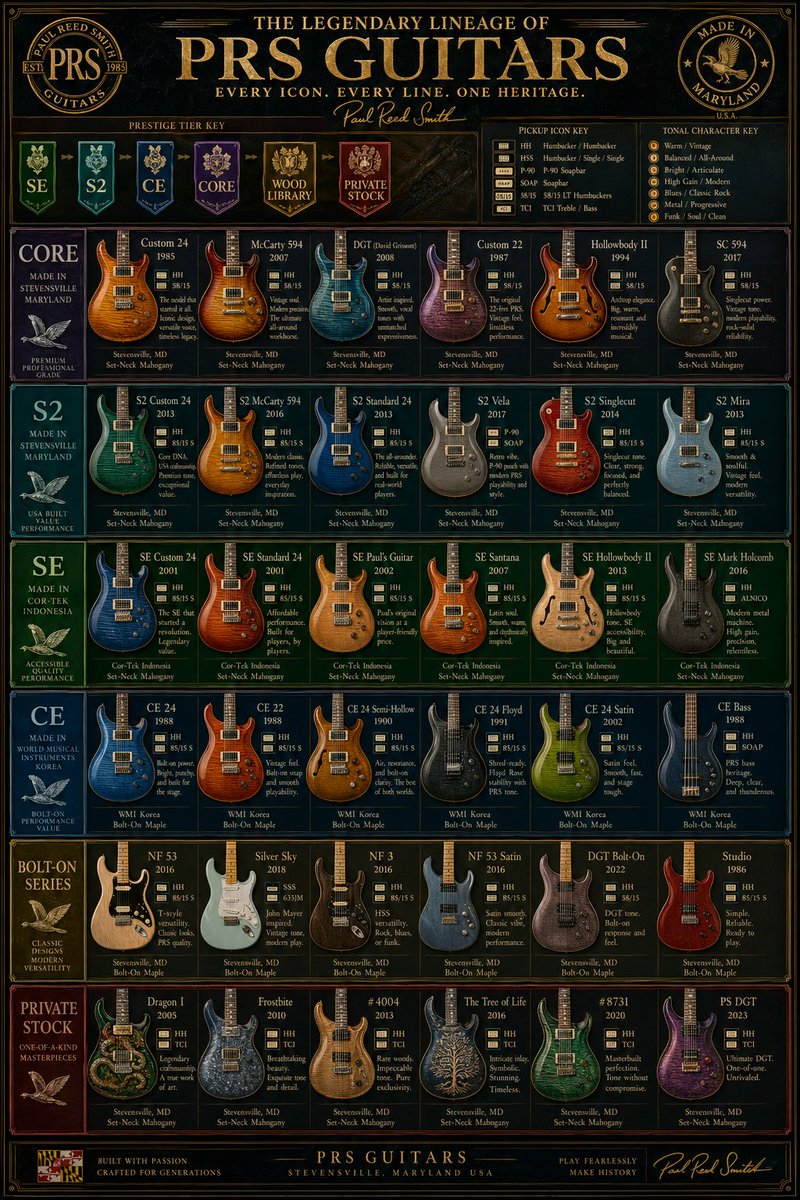
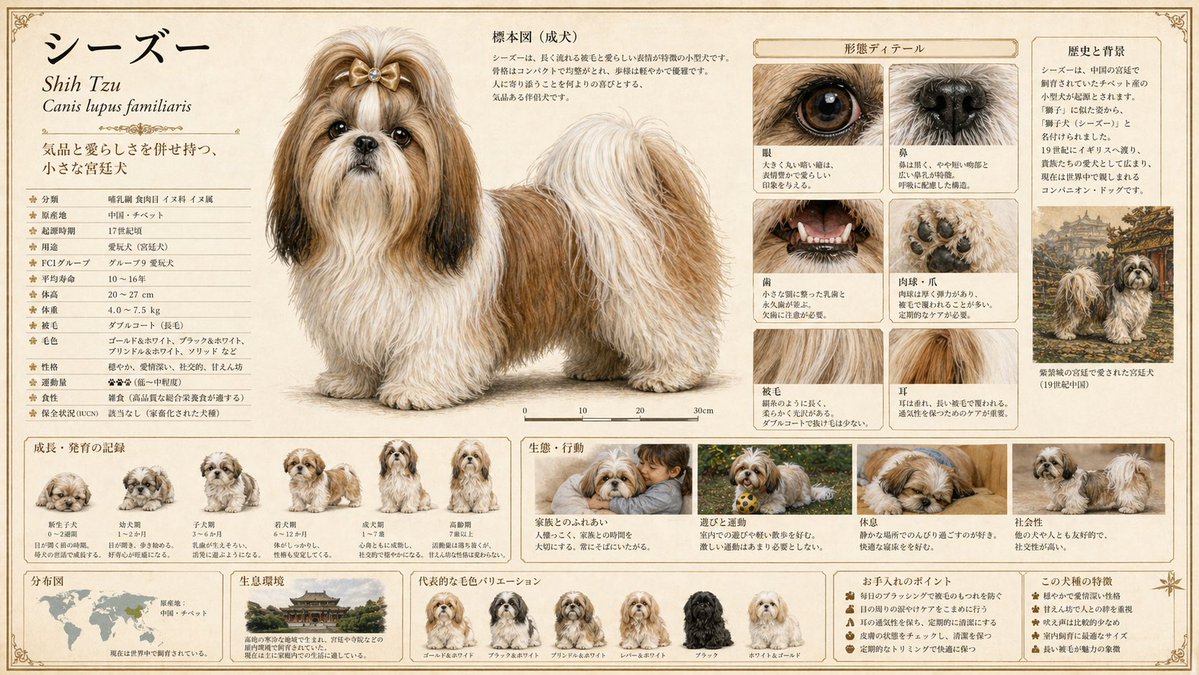
[Animal Name] {argument name="animal name" default="insert animal name here"} [Objective] Complete a large-format animal encyclopedia plate at a sellable quality level as a single illustration. Generate a publishing-quality plate that balances scientific accuracy with visual appeal. [Output Format] - Include all information in one image - Aspect Ratio: 16:9 - Quality: High (essential for ensuring precision of small text, fine lines, and labels) [Screen Design Principles] Layout, zoning, information priority, margin design, typography, decorative elements, and color palette should all be determined autonomously by GPT based on the animal's characteristics, habitat, and classification. Design a layout best suited for this specific animal without being bound by templates. [Essential Elements to Include] Integrate the following elements naturally into one frame: 1. Main Specimen Drawing - Full body of adult depicted with maximum precision - Scientifically accurate colors, patterns, and proportions - Scientific name (italicized), common name, and classification info (Order, Family, Genus) - Scale bar or size comparison 2. Growth/Development Record - Step-by-step illustration of changes from juvenile to adult - Concise labels for each stage 3. Ecological/Behavioral Depiction - Action scenes in natural environments (foraging, predation, breeding, territoriality, etc.) - Include habitat vegetation and terrain in the background 4. Morphological Details - Close-ups of characteristic parts (claws, fangs, feathers, scales, eyes, etc.) - Magnified depictions of surface textures 5. Distribution/Habitat Range - World or regional distribution map - Description of habitat types 6. Data Notations - Length, weight, lifespan, diet, conservation status (IUCN, etc.) - Easy-to-read table or icon format [Style Specification] - Publisher-quality natural history encyclopedia - Realistic botanical/naturalist painting touch (19th-century naturalist precision + modern color expression) - Paper texture: Cream-colored hot-press watercolor paper or parchment style - Font: Unified serif. Scientific names in italics; data can use mixed small sans-serif fonts - Border: Thin ink border + classical plate decoration - Overall color scheme, layout tone, and page design optimized by GPT based on habitat, classification, and ecology [Most Important Instruction] Deeply understand the unique ecology, cultural significance, and taxonomic features of this animal to design a page that feels like it was "made just for this animal." Visualize the essence of the animal rather than using a generic template. Ensure all text is actually rendered within the frame, leaving no empty labels.