Case Media
Case Notes
This page keeps the media, full prompt, and original source together so you can inspect the result first and decide whether the prompt is worth copying, saving, or comparing.
Case Insights
To make this page easier to search, cite, and reuse later, the case is also broken down into practical guidance about usage, visual cues, and prompt structure.
Best Fit Scenarios
- Use this as a model & community benchmark when you need a fast style baseline before rewriting your own prompt.
- It is especially helpful if your target overlaps with Neon, Cinematic, Fashion and you want to judge the image result before tuning wording.
- Keep it as a control sample when you compare nearby prompt variants one variable at a time.
Visual Signals To Notice
- The clearest style signals here are Neon, Cinematic, Fashion, so those should usually stay in your first rewrite.
- This kind of case is strongest when you watch deltas: what changed, what broke, and which prompt choice caused that shift.
- This case keeps 2 media outputs, which makes it easier to check whether the style remains stable across multiple results.
How The Prompt Is Structured
- The prompt reads as a long, highly specified prompt, which is useful when you want to judge how much specificity this direction needs.
- Its keyword cluster is centered on Neon, Cinematic, Fashion, so you can usually keep that cluster while swapping subject, camera, layout, or copy details.
- A practical rewrite path is: keep the outcome, keep the strongest style cues, then replace only the subject and environment blocks.
Good Follow-up Questions
- What changes first if you keep Neon, Cinematic, Fashion but switch the subject matter?
- Which part of the result comes from section-level structure (Model & Community) versus tag-level style cues?
- Which related cases in the same section give you a cleaner or more extreme variation of the same direction?
Full Prompt
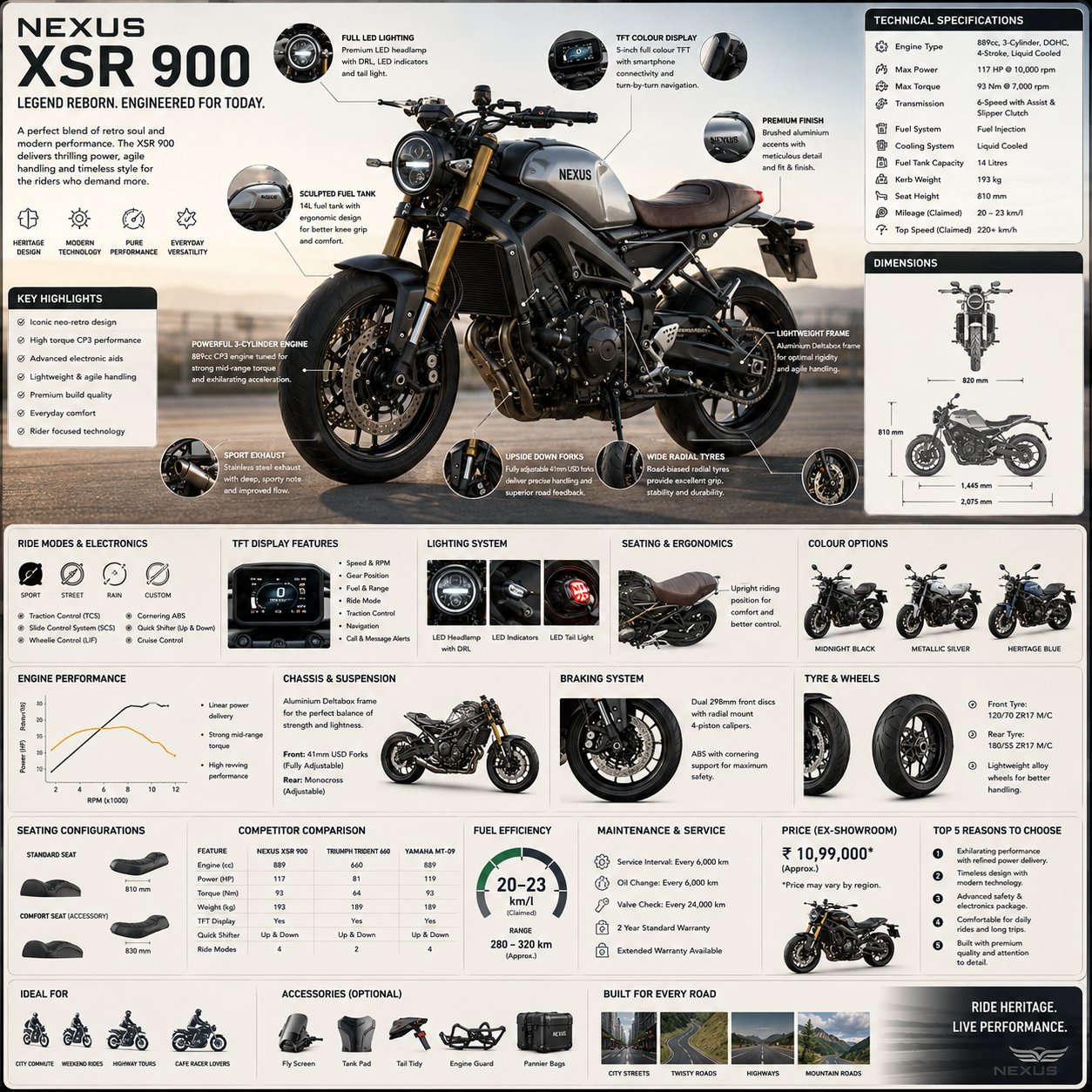
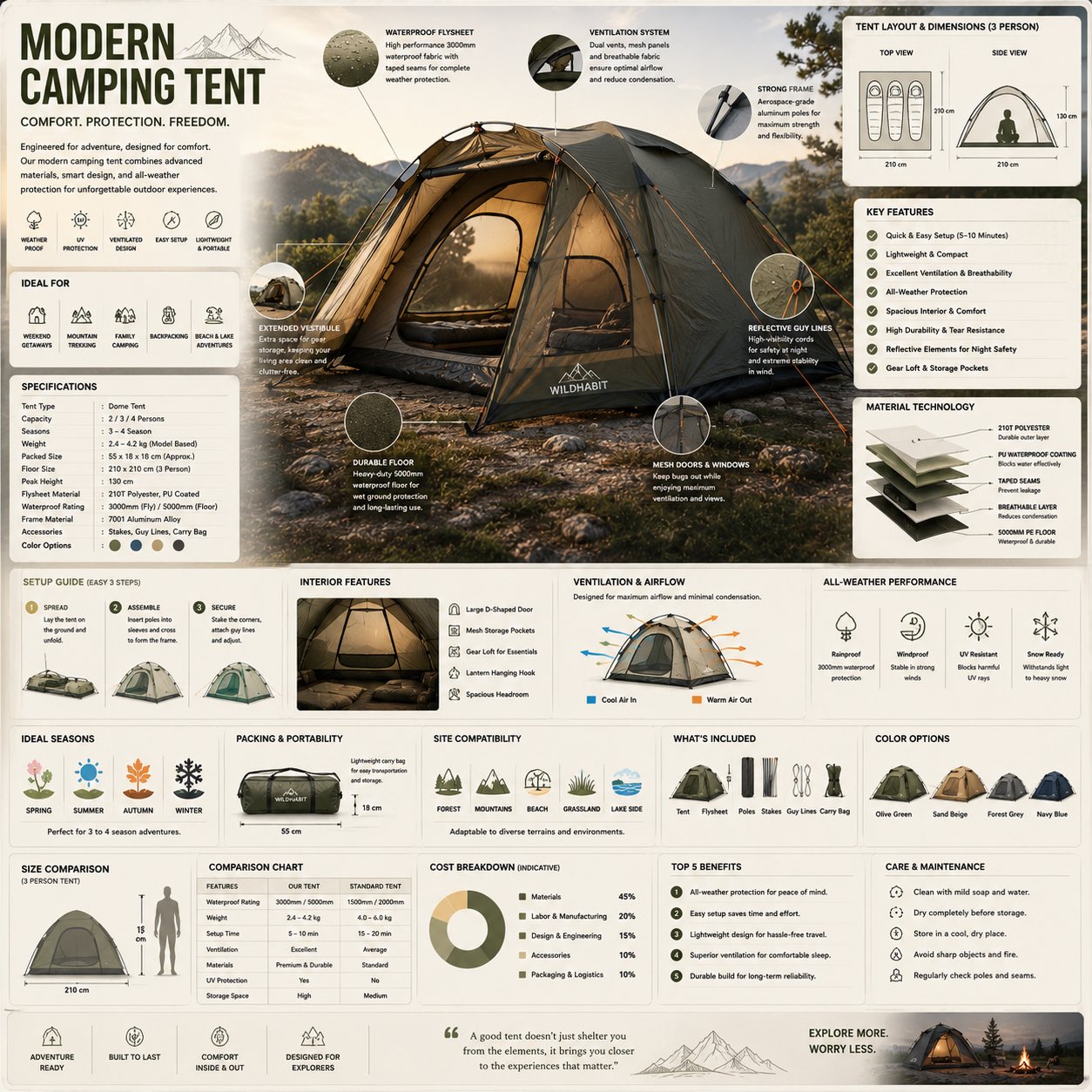
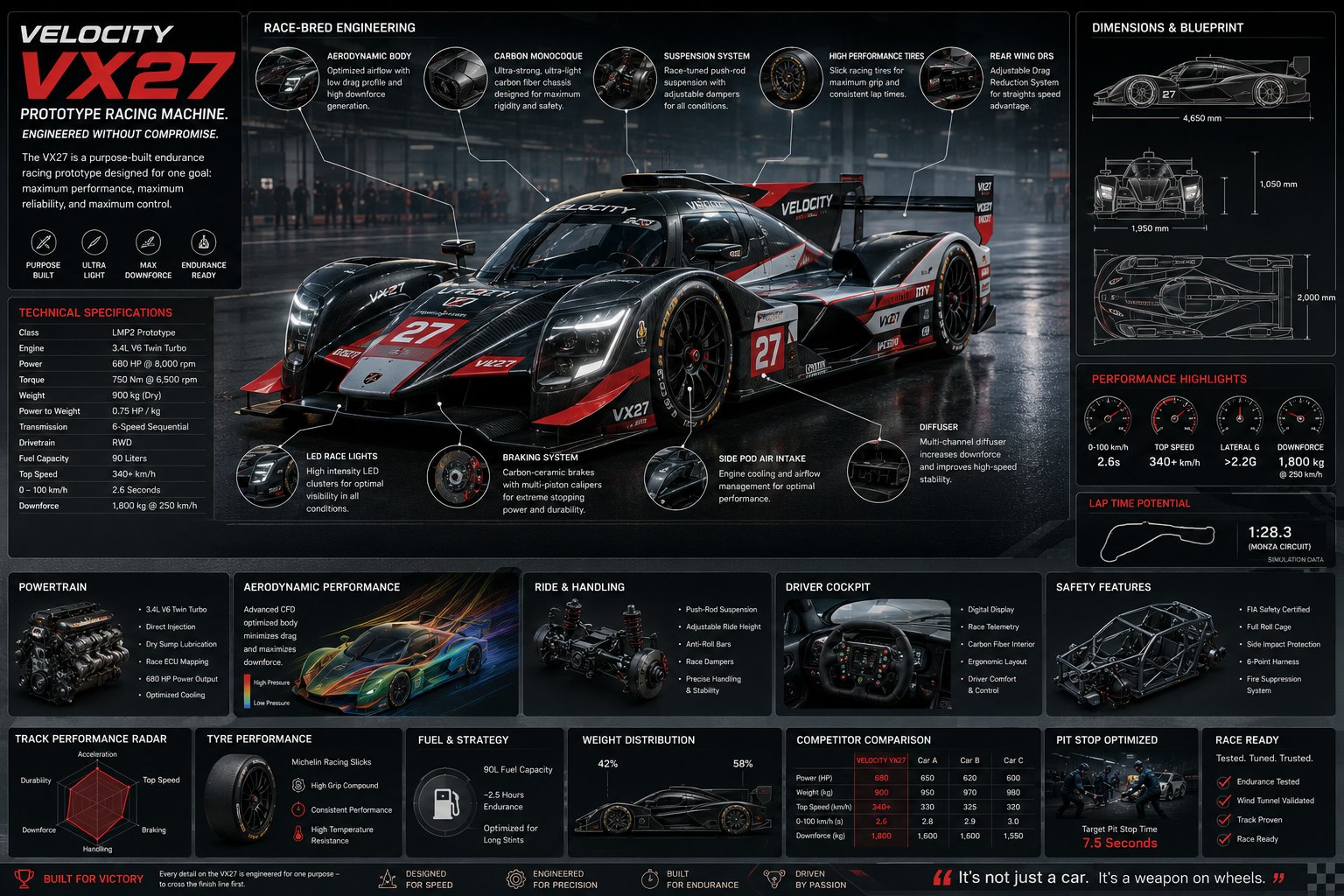
Create a premium square “reference-style motorsport engineering infographic” centered around an elite futuristic racing car called the {RACING_CAR_NAME}, designed as a beautifully curated motorsport technology handbook page rather than a generic racing poster. The composition should feel like a modern visual encyclopedia mixed with a professional race-engineering technical sheet and high-end editorial infographic system. Visual Direction: • 1:1 square composition • Dark high-tech motorsport background with subtle carbon-fiber textures, blueprint overlays, telemetry graphics, and race-engineering schematics • Elegant aggressive palette using matte black, gunmetal gray, deep red accents, titanium silver, and glowing performance highlights • Refined editorial typography hierarchy with bold motorsport-inspired headers • Rounded modular information cards with clean spacing • Gentle cinematic reflections and premium HUD-style dividers • Minimal but advanced race-engineering iconography • Extremely detailed central racing car render viewed in dramatic low-angle three-quarter perspective inside a pit garage or race paddock environment • Thin precision annotation lines pointing toward aerodynamic systems and motorsport engineering features • Clean, organized “knowledge-first” layout with dense technical detail but highly readable spacing Main Subject Presentation: A stunning ultra-detailed realistic render of the {RACING_CAR_NAME} placed at the center, featuring carbon-fiber bodywork, aerodynamic splitters, massive rear wing, race slick tyres, exposed suspension geometry, glowing LED race lights, aggressive vents, sponsor-style detailing, and premium motorsport realism. Surround the racing car with scientific and engineering callouts explaining: • aerodynamic body design • carbon monocoque chassis • race suspension system • high-performance braking system • turbocharged/hybrid race engine • diffuser and downforce systems • tyre and grip technology • cooling and airflow management • driver cockpit systems • telemetry and data systems Include modular infographic sections such as: • Vehicle Overview • Technical Specifications • Dimensions & Blueprint Views • Performance Highlights • Aerodynamic Performance • Powertrain & Hybrid Systems • Chassis & Suspension Engineering • Brake & Safety Systems • Driver Cockpit Technology • Fuel & Race Strategy • Tyre Performance Analysis • Weight Distribution • Track Performance Metrics • Lap-Time Potential • Competitor Comparison • Pit Stop Optimization • “Top 5 Race Innovations” section • Race-Ready Features & Endurance Systems Add small premium visualization modules like: • aerodynamic airflow simulations • telemetry/radar charts • lap-time graphics • engine cutaway diagrams • suspension system illustrations • race strategy visualizations • tyre grip charts • top/side blueprint schematics • performance gauges • pit-stop workflow graphics Style Keywords: “premium motorsport encyclopedia” “editorial race-engineering handbook” “high-end racing car infographic” “scientific motorsport poster” “museum-quality race car reference page” “modular motorsport knowledge system” “clean race-engineering editorial design” “ultra-detailed racing visualization” Avoid: • cartoon racing aesthetics • unrealistic sci-fi floating vehicles • messy sponsor overload • generic racing advertisement layouts • crash scenes or destruction • excessive neon cyberpunk effects The final result should resemble a professionally published motorsport engineering reference-book page created for racing enthusiasts, engineers, collectors, automotive designers, motorsport teams, and educational automotive archives.