Case Media
Case Notes
This page keeps the media, full prompt, and original source together so you can inspect the result first and decide whether the prompt is worth copying, saving, or comparing.
Case Insights
To make this page easier to search, cite, and reuse later, the case is also broken down into practical guidance about usage, visual cues, and prompt structure.
Best Fit Scenarios
- Use this as a character design benchmark when you need a fast style baseline before rewriting your own prompt.
- It is especially helpful if your target overlaps with Portrait, Cinematic, Fashion and you want to judge the image result before tuning wording.
- Keep it as a control sample when you compare nearby prompt variants one variable at a time.
Visual Signals To Notice
- The clearest style signals here are Portrait, Cinematic, Fashion, so those should usually stay in your first rewrite.
- Look at silhouette, costume language, mood styling, and whether the character reads clearly at a glance.
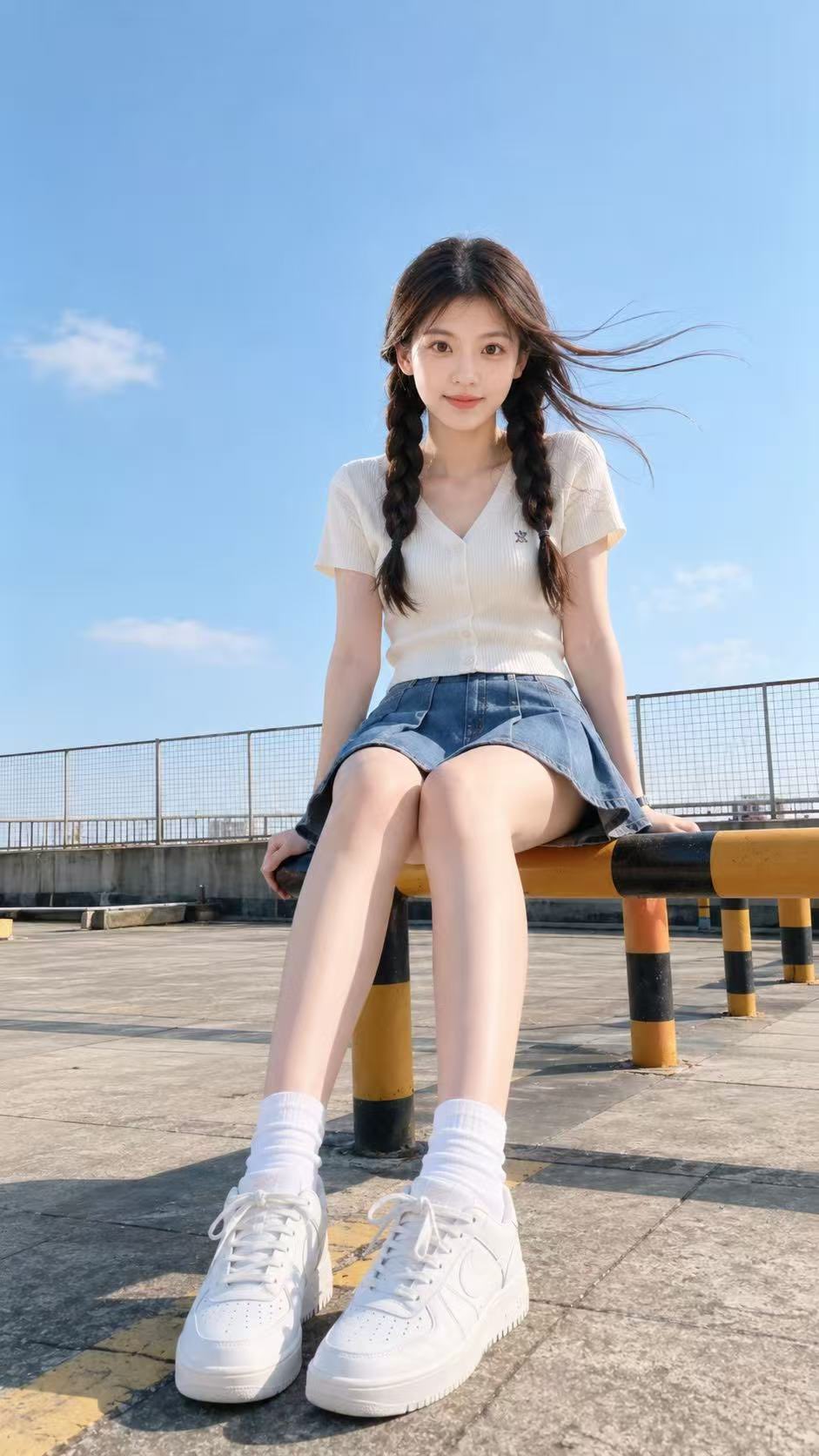
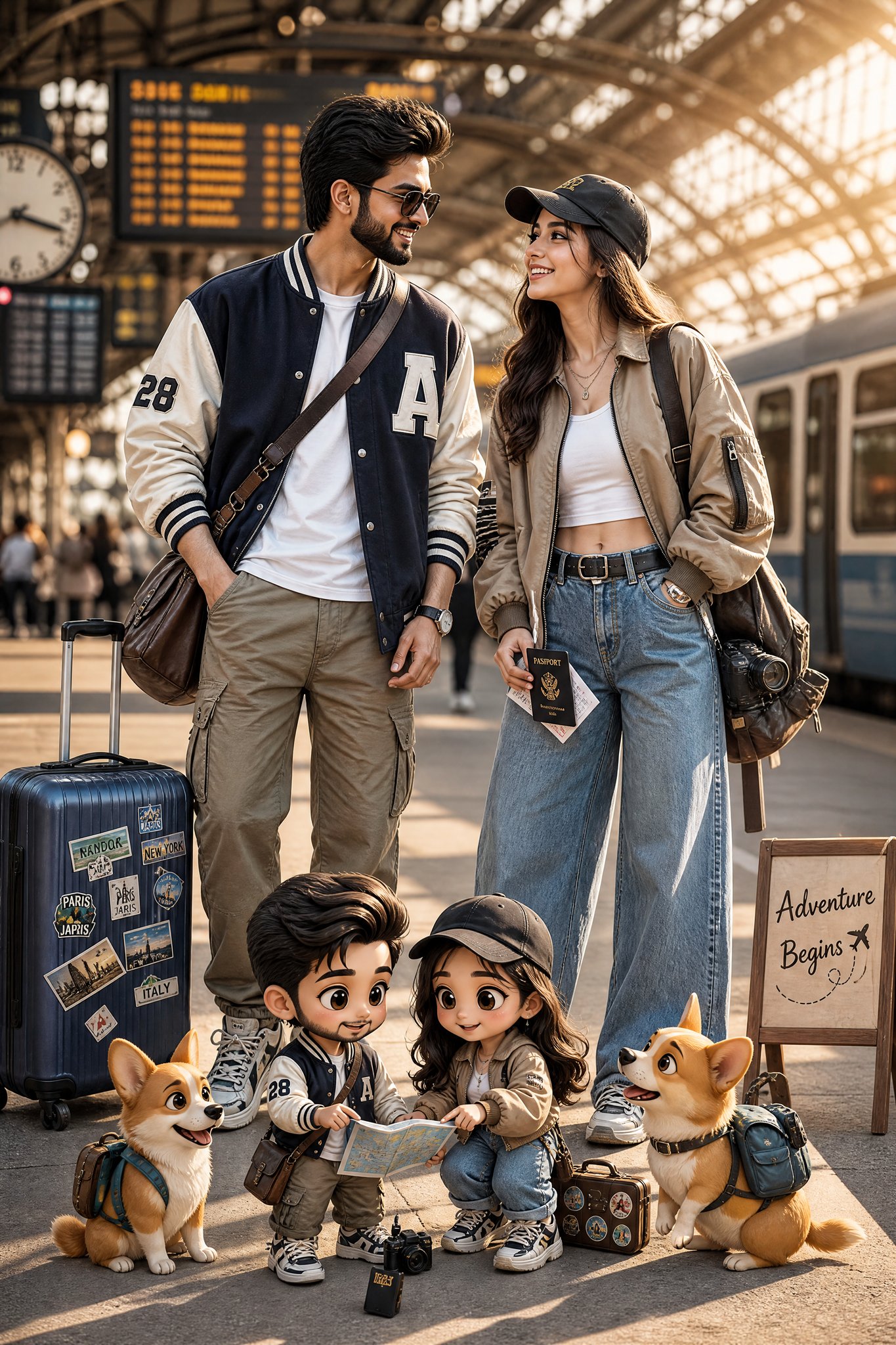
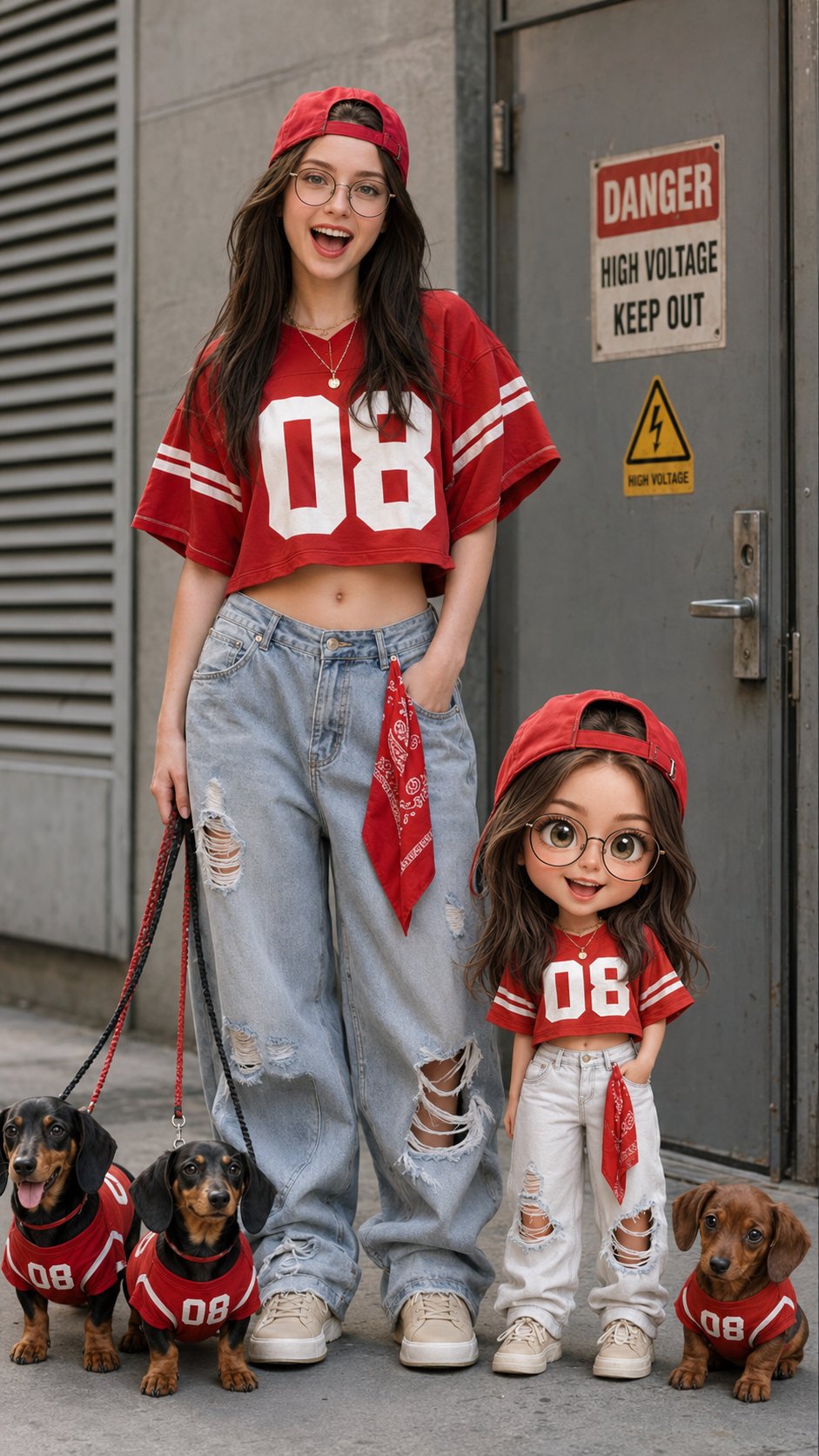
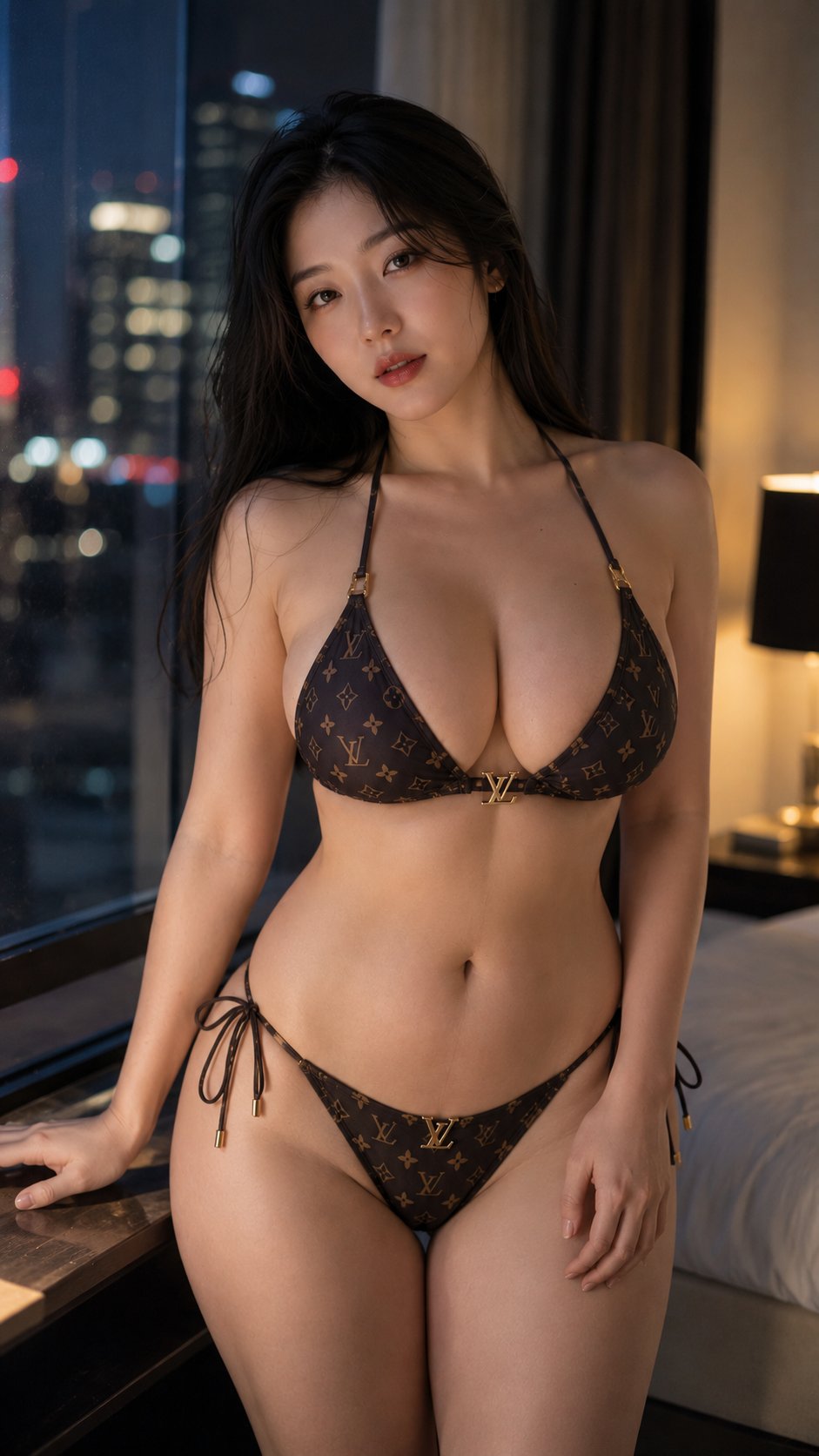
- This case keeps one primary output, so the first image should be treated as the main visual reference.
How The Prompt Is Structured
- The prompt reads as a long, highly specified prompt, which is useful when you want to judge how much specificity this direction needs.
- Its keyword cluster is centered on Portrait, Cinematic, Fashion, so you can usually keep that cluster while swapping subject, camera, layout, or copy details.
- A practical rewrite path is: keep the outcome, keep the strongest style cues, then replace only the subject and environment blocks.
Good Follow-up Questions
- What changes first if you keep Portrait, Cinematic, Fashion but switch the subject matter?
- Which part of the result comes from section-level structure (Character Design) versus tag-level style cues?
- Which related cases in the same section give you a cleaner or more extreme variation of the same direction?
Full Prompt
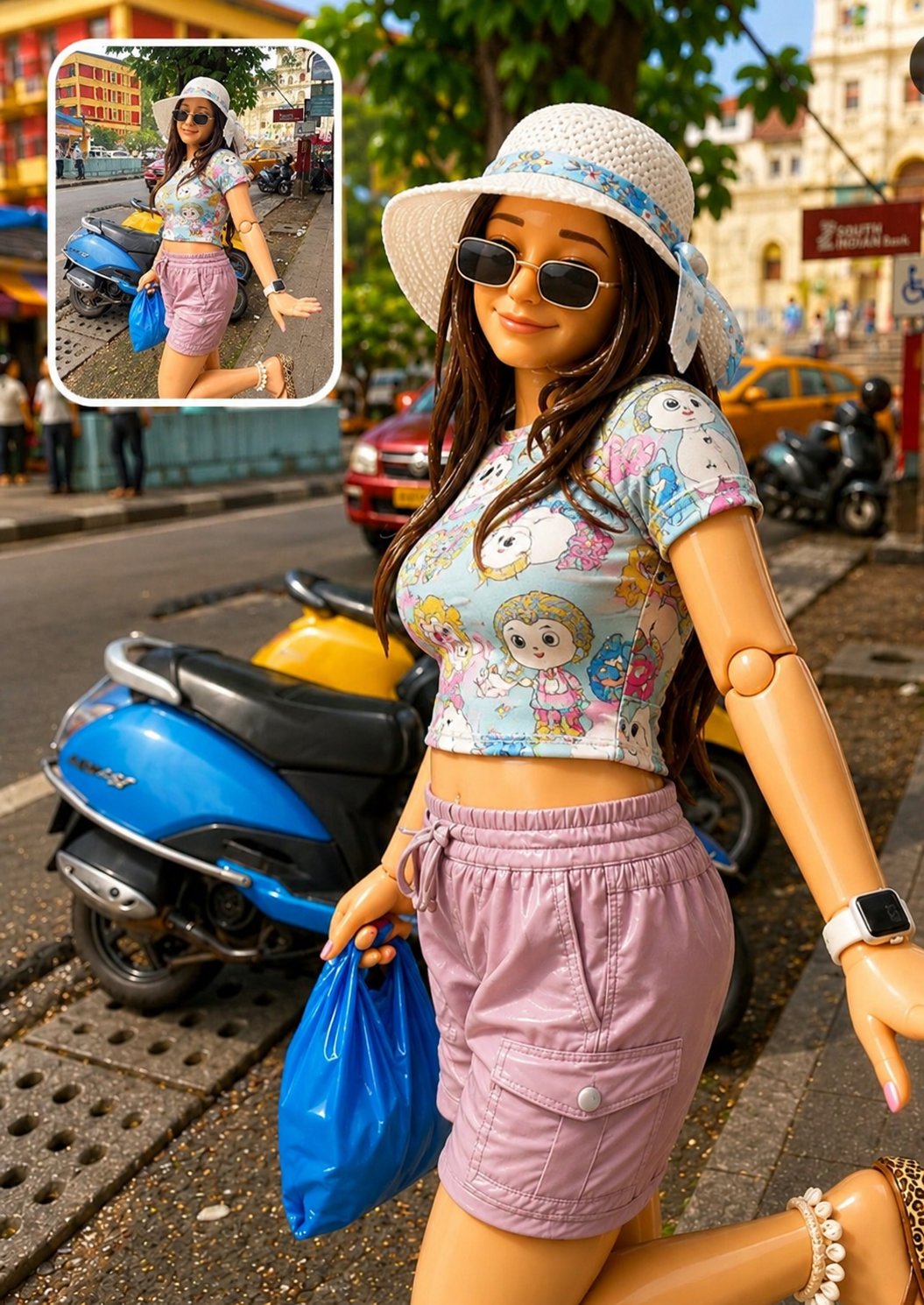
Transform the uploaded photo into a highly detailed collectible fashion doll version of the same person, keeping facial features, hairstyle, sunglasses, hat, pose, and overall identity recognizable. The doll should have smooth glossy plastic skin, articulated toy-joint arms and legs, premium designer-toy aesthetics, and a realistic 3D collectible figure appearance. Change the outfit to a stylish pastel lavender and baby-blue summer look: a cute cartoon-print crop top with different character artwork, pastel lavender cargo shorts, matching floral sun hat ribbon, trendy sandals, smartwatch, and accessories. Keep the blue shopping bag in hand. Place the doll in the same vibrant urban street setting with colorful scooters, warm golden-hour lighting, shallow depth of field, cinematic bokeh, realistic city details, and lively street atmosphere. Include a small rounded-corner reference photo box in the top-left corner showing the original person wearing the exact same new outfit, matching pose, accessories, colors, and background perspective. Ensure the outfit in the reference box perfectly matches the doll outfit. Professional toy photography, ultra-detailed textures, realistic reflections, high-end CGI, collectible figure aesthetic, sharp focus, 8K quality, vibrant colors, portrait composition, Instagram-style travel photo vibe, photorealistic rendering.