Case Media
Case Notes
This page keeps the media, full prompt, and original source together so you can inspect the result first and decide whether the prompt is worth copying, saving, or comparing.
Case Insights
To make this page easier to search, cite, and reuse later, the case is also broken down into practical guidance about usage, visual cues, and prompt structure.
Best Fit Scenarios
- Use this as a character design benchmark when you need a fast style baseline before rewriting your own prompt.
- It is especially helpful if your target overlaps with Portrait, Character, Character Design and you want to judge the image result before tuning wording.
- Keep it as a control sample when you compare nearby prompt variants one variable at a time.
Visual Signals To Notice
- The clearest style signals here are Portrait, Character, Character Design, so those should usually stay in your first rewrite.
- Look at silhouette, costume language, mood styling, and whether the character reads clearly at a glance.
- This case keeps one primary output, so the first image should be treated as the main visual reference.
How The Prompt Is Structured
- The prompt reads as a long, highly specified prompt, which is useful when you want to judge how much specificity this direction needs.
- Its keyword cluster is centered on Portrait, Character, Character Design, so you can usually keep that cluster while swapping subject, camera, layout, or copy details.
- A practical rewrite path is: keep the outcome, keep the strongest style cues, then replace only the subject and environment blocks.
Good Follow-up Questions
- What changes first if you keep Portrait, Character, Character Design but switch the subject matter?
- Which part of the result comes from section-level structure (Character Design) versus tag-level style cues?
- Which related cases in the same section give you a cleaner or more extreme variation of the same direction?
Full Prompt
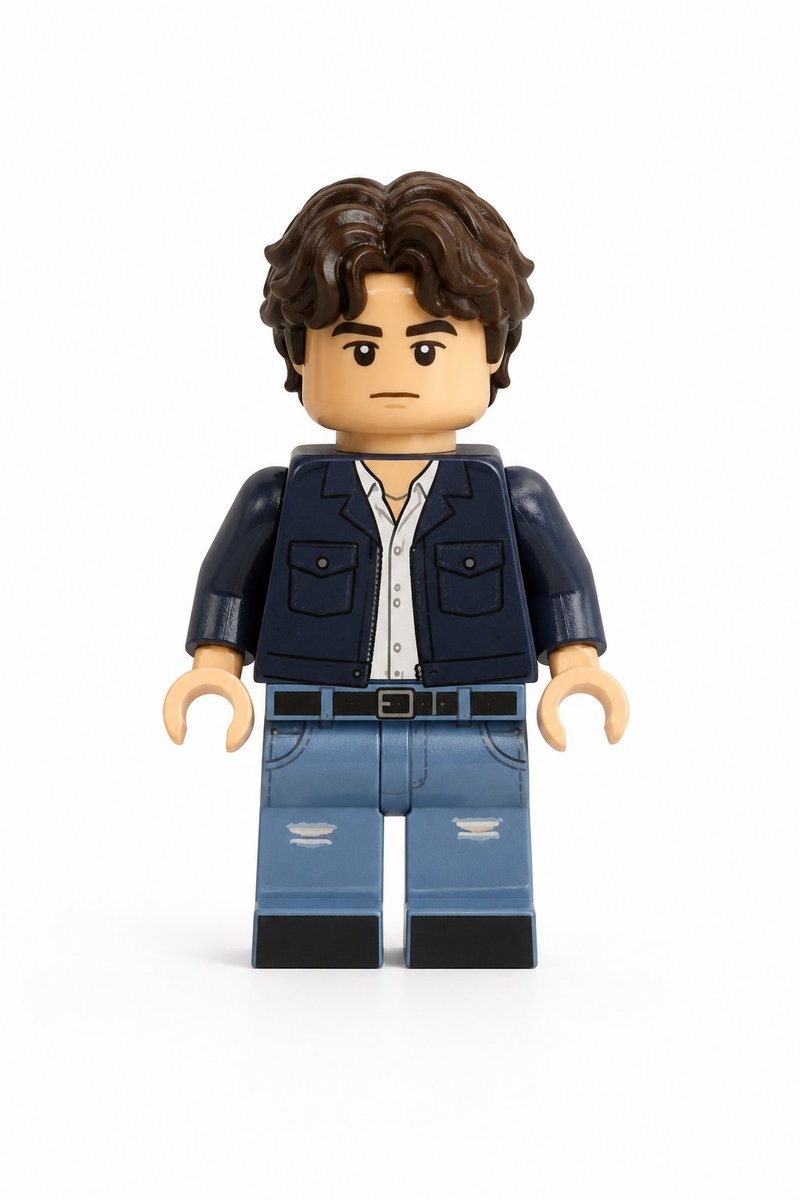
Use the user uploaded image as the only subject reference. Transform the person in the uploaded image into a realistic LEGO style minifigure while preserving their recognizable identity and outfit. Preserve the subject's facial likeness as much as possible within LEGO minifigure design limits, maintaining the same hairstyle and hair color adapted into a LEGO hairpiece, facial expression, clothing colors, clothing design and patterns, and any visible accessories. The result should clearly represent the same person translated into LEGO form. The character must follow authentic LEGO minifigure proportions, including a cylindrical yellow or skin tone LEGO style head, simple printed facial features adapted from the subject, a block shaped torso with printed clothing details, standard LEGO minifigure arms with curved hands, short LEGO minifigure legs, and a distinct molded plastic hairpiece matching the subject's hairstyle. Render the figure using realistic LEGO plastic material with a slight glossy sheen, subtle molded seams, and natural toy surface reflections. The face and torso should include printed details typical of LEGO minifigures, and the hairpiece should appear as molded plastic. The final image should be a high quality realistic 3D toy render with soft diffused studio lighting, subtle shadows that emphasize shape and plastic texture, and clean sharp focus with crisp detail. The framing must show the full body minifigure from head to feet in a centered composition with the entire figure fully visible. Use a plain white background with no scenery, no props, and no additional elements. The final style should feel like a photorealistic LEGO minifigure toy render with highly detailed plastic texture and studio lighting.