Case Media
Case Notes
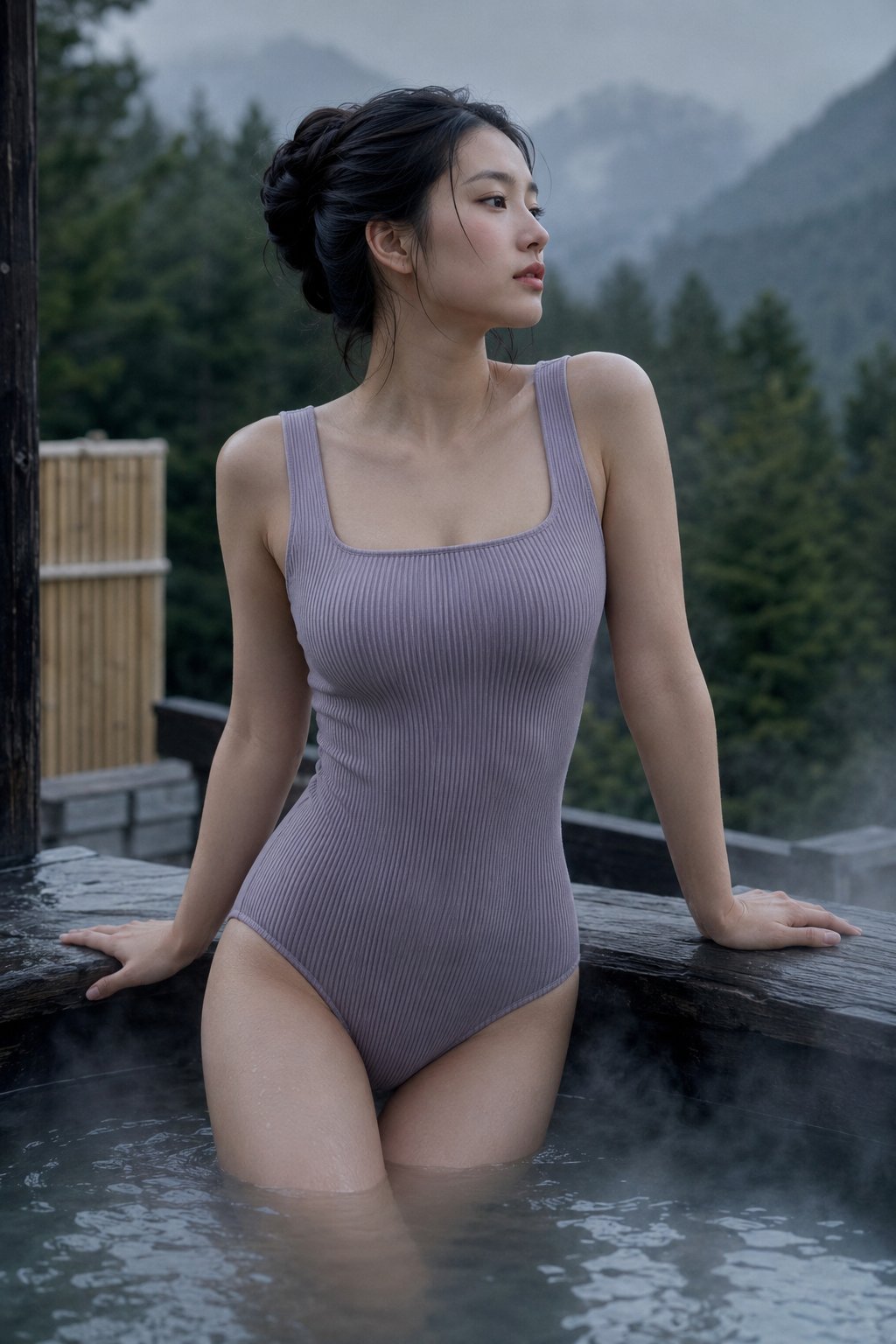
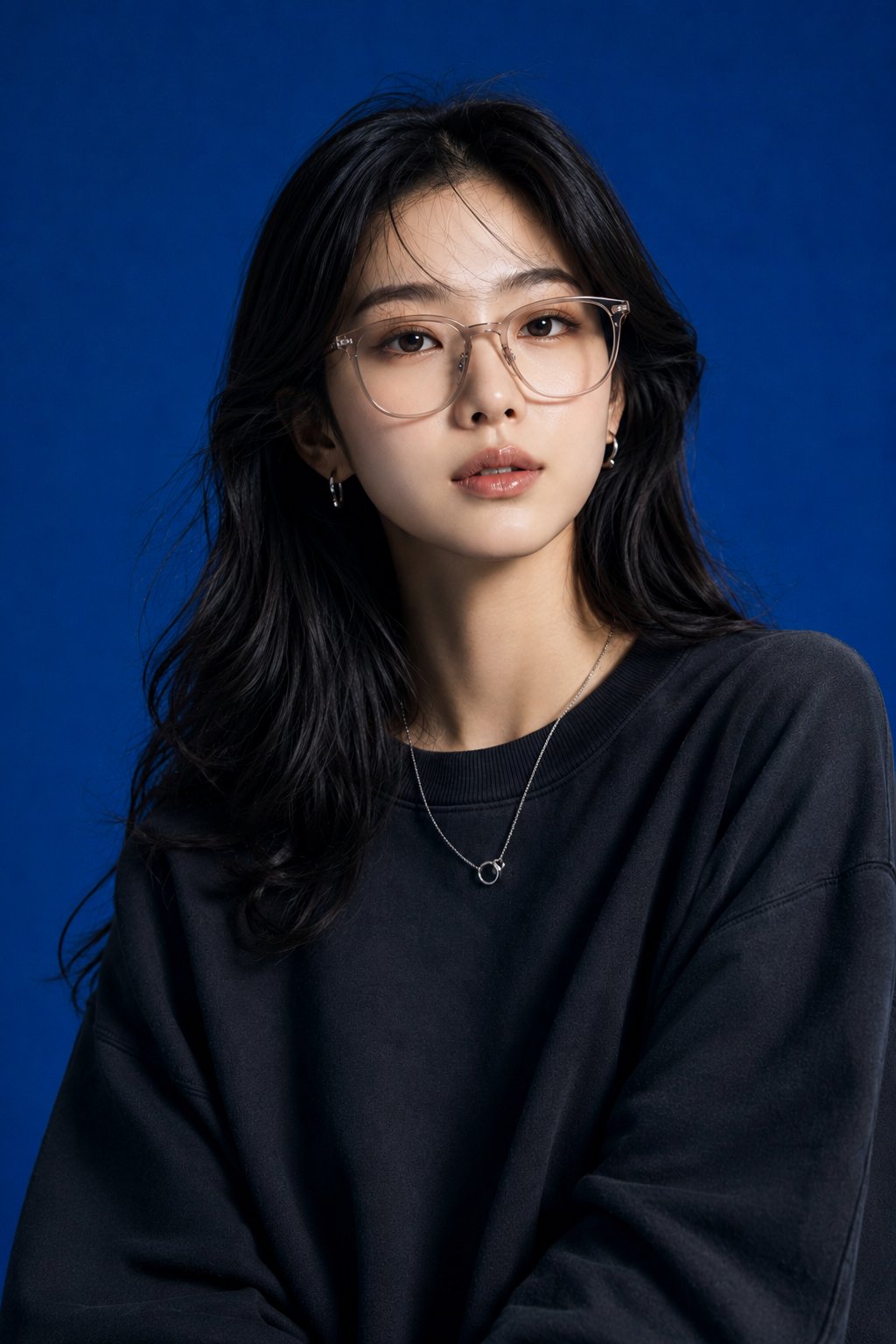
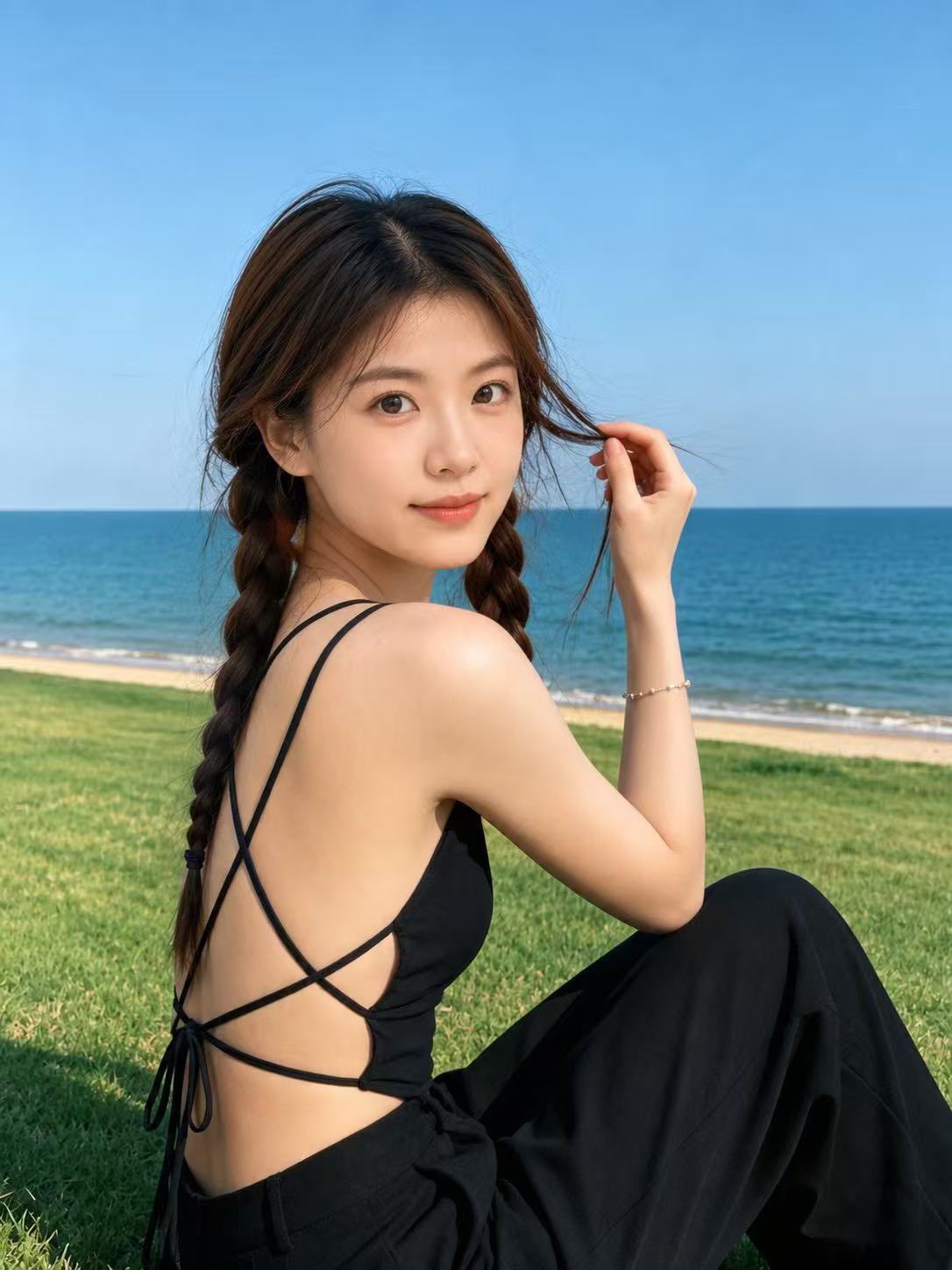
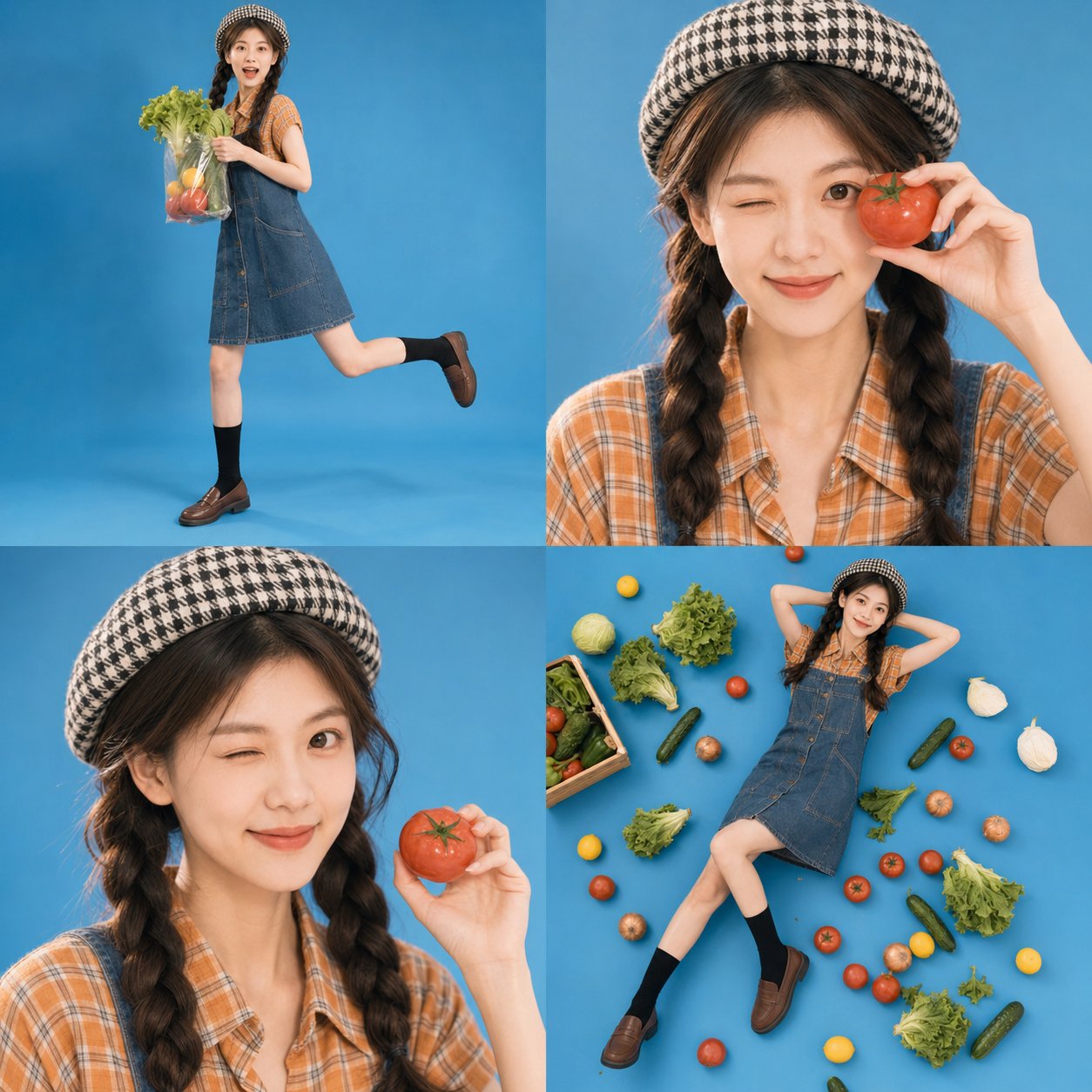
This page keeps the media, full prompt, and original source together so you can inspect the result first and decide whether the prompt is worth copying, saving, or comparing.
Case Insights
To make this page easier to search, cite, and reuse later, the case is also broken down into practical guidance about usage, visual cues, and prompt structure.
Best Fit Scenarios
- Use this as a character design benchmark when you need a fast style baseline before rewriting your own prompt.
- It is especially helpful if your target overlaps with 35mm, Portrait, Fashion and you want to judge the image result before tuning wording.
- Keep it as a control sample when you compare nearby prompt variants one variable at a time.
Visual Signals To Notice
- The clearest style signals here are 35mm, Portrait, Fashion, so those should usually stay in your first rewrite.
- Look at silhouette, costume language, mood styling, and whether the character reads clearly at a glance.
- This case keeps 2 media outputs, which makes it easier to check whether the style remains stable across multiple results.
How The Prompt Is Structured
- The prompt reads as a long, highly specified prompt, which is useful when you want to judge how much specificity this direction needs.
- Its keyword cluster is centered on 35mm, Portrait, Fashion, so you can usually keep that cluster while swapping subject, camera, layout, or copy details.
- A practical rewrite path is: keep the outcome, keep the strongest style cues, then replace only the subject and environment blocks.
Good Follow-up Questions
- What changes first if you keep 35mm, Portrait, Fashion but switch the subject matter?
- Which part of the result comes from section-level structure (Character Design) versus tag-level style cues?
- Which related cases in the same section give you a cleaner or more extreme variation of the same direction?
Full Prompt
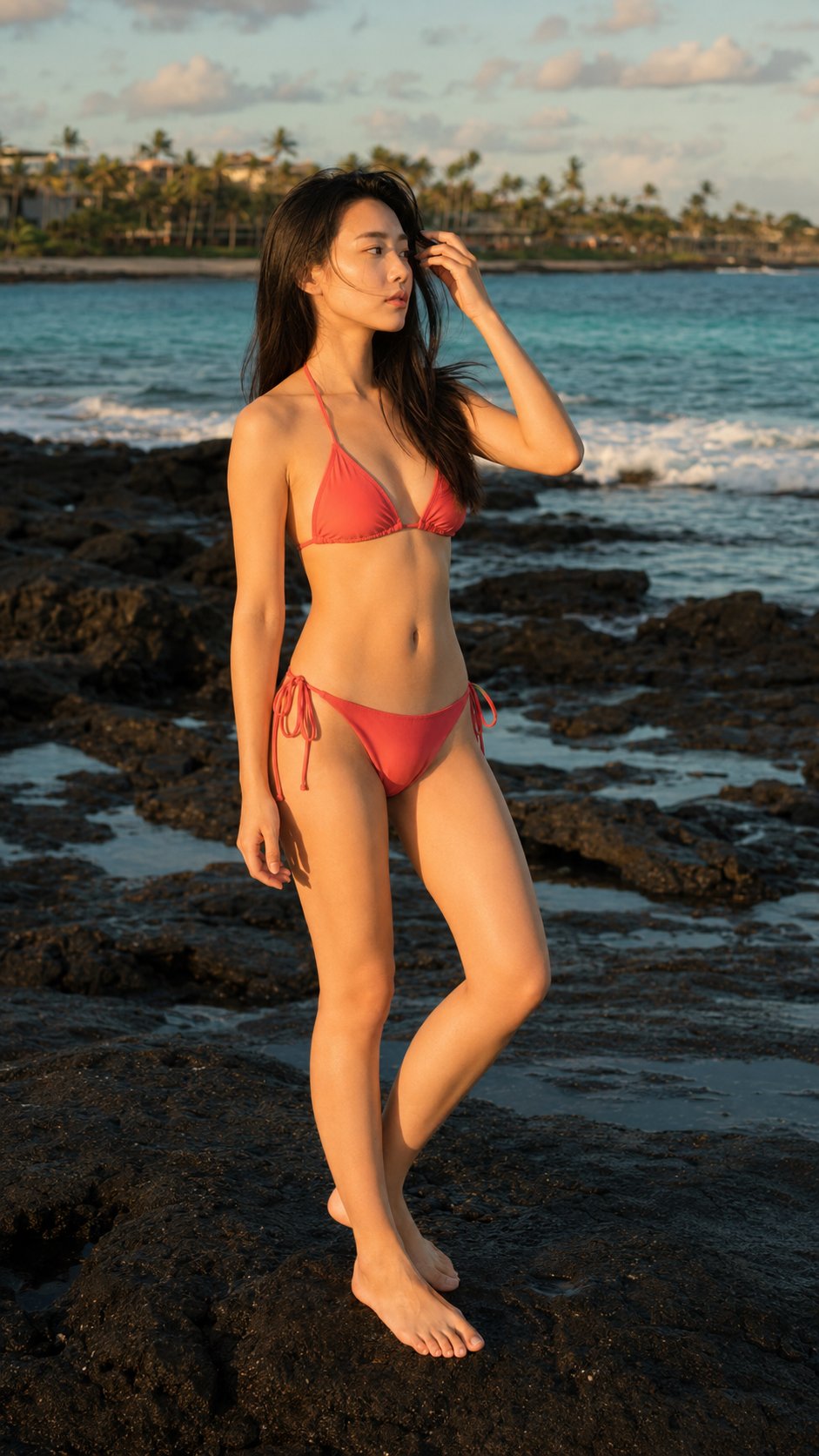
A fashion editorial swimwear image from a premium lifestyle magazine, knee-up composition, photographed with a Canon EOS R5 and 85mm f/1.8 at eye-level. The scene is a coastal volcanic shoreline — dark flat lava rocks with shallow tide pools, vivid turquoise ocean filling the middle distance. A 24-year-old Japanese model stands on a smooth flat rock in the warm light of golden hour — authentic fashion editorial photography, a natural candid outdoor confidence. East Asian young woman in her early 20s. Almond-shaped eyes with natural double eyelids, slightly elongated outer corners. Straight refined nose with a delicate slim bridge. Skin tone fair light beige, warmed and bronzed by the late golden sun — skin subsurface scattering prominent under the strong directional sidelight, specular micro-highlights luminous on cheekbones and nose ridge, fine foundation powder grain perceptible in the highlight-to-shadow transition. Naturally straight black hair falling past the shoulders, worn loose. She wears a coral red string bikini — minimal triangular top cups with thin adjustable ties, knotted side-tie bottom — the vivid warm color anchored powerfully against dark stone and turquoise water. Her weight shifts onto her left leg, right leg extending slightly forward. Her right hand is raised to shade her eyes from the low sun, the gesture entirely unposed and functional. She looks directly at the camera with an open, grounded, confident expression. Two or three strands of hair are lifted across her face by the sea wind, natural unplanned imperfection, not geometrically symmetrical. Warm golden hour light strikes from the right, casting long soft shadows across the rock surface and illuminating her with rich amber warmth. The mood is energetic, vivid, and sun-drenched — the image feels like a genuine moment at the coast. Subtle ISO 400 film grain in shadow areas, photographic noise texture not CG render smoothness. Kodak Gold 200 color rendering — warm yellows, rich amber shadows. Aspect ratio 2:3. No watermark, no text overlay, not cartoon, not digitally painted, not illustration, not anime.