Case Media
Case Notes
This page keeps the media, full prompt, and original source together so you can inspect the result first and decide whether the prompt is worth copying, saving, or comparing.
Case Insights
To make this page easier to search, cite, and reuse later, the case is also broken down into practical guidance about usage, visual cues, and prompt structure.
Best Fit Scenarios
- Use this as a character design benchmark when you need a fast style baseline before rewriting your own prompt.
- It is especially helpful if your target overlaps with Cinematic, Fashion, Poster and you want to judge the image result before tuning wording.
- Keep it as a control sample when you compare nearby prompt variants one variable at a time.
Visual Signals To Notice
- The clearest style signals here are Cinematic, Fashion, Poster, so those should usually stay in your first rewrite.
- Look at silhouette, costume language, mood styling, and whether the character reads clearly at a glance.
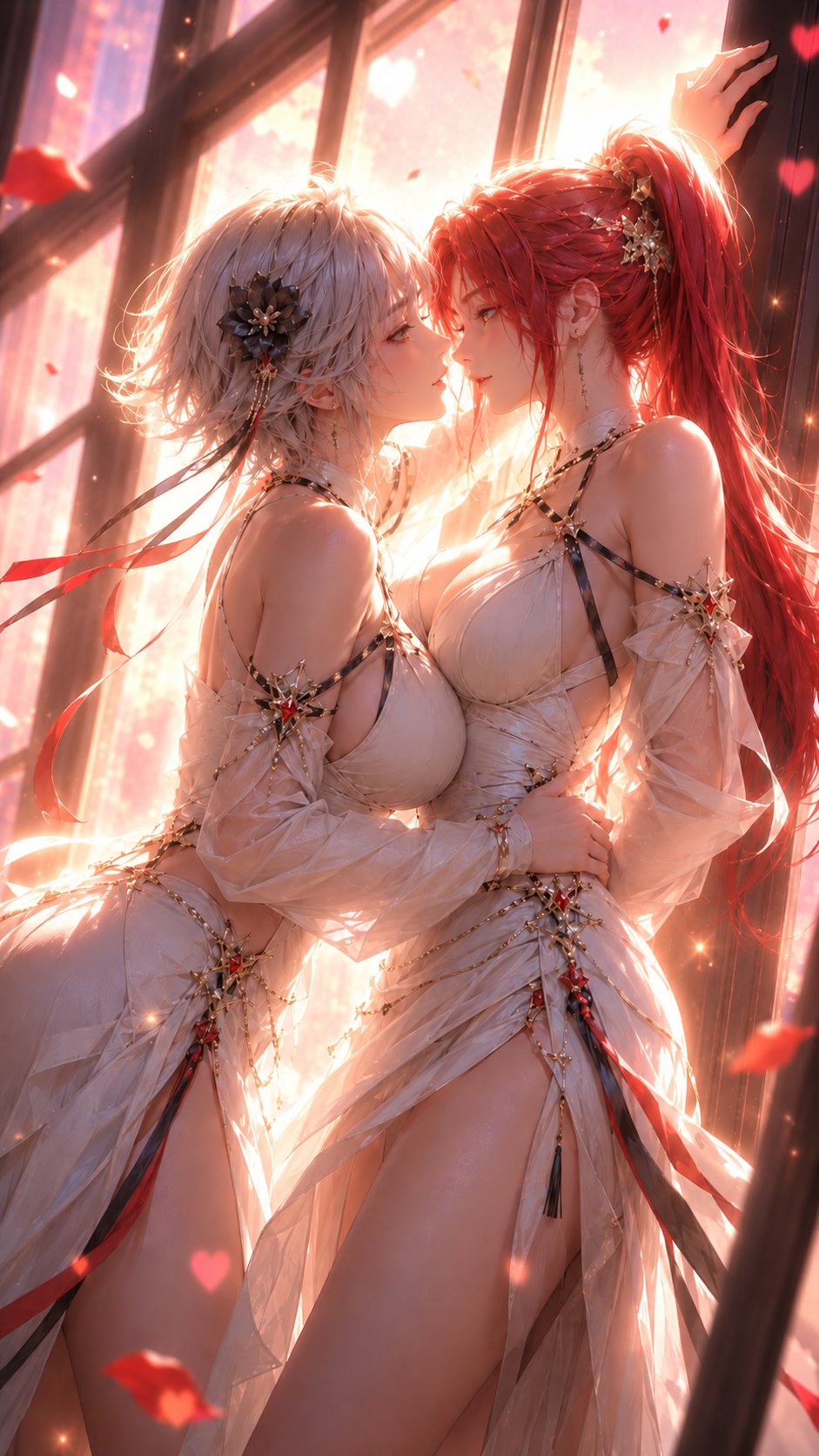
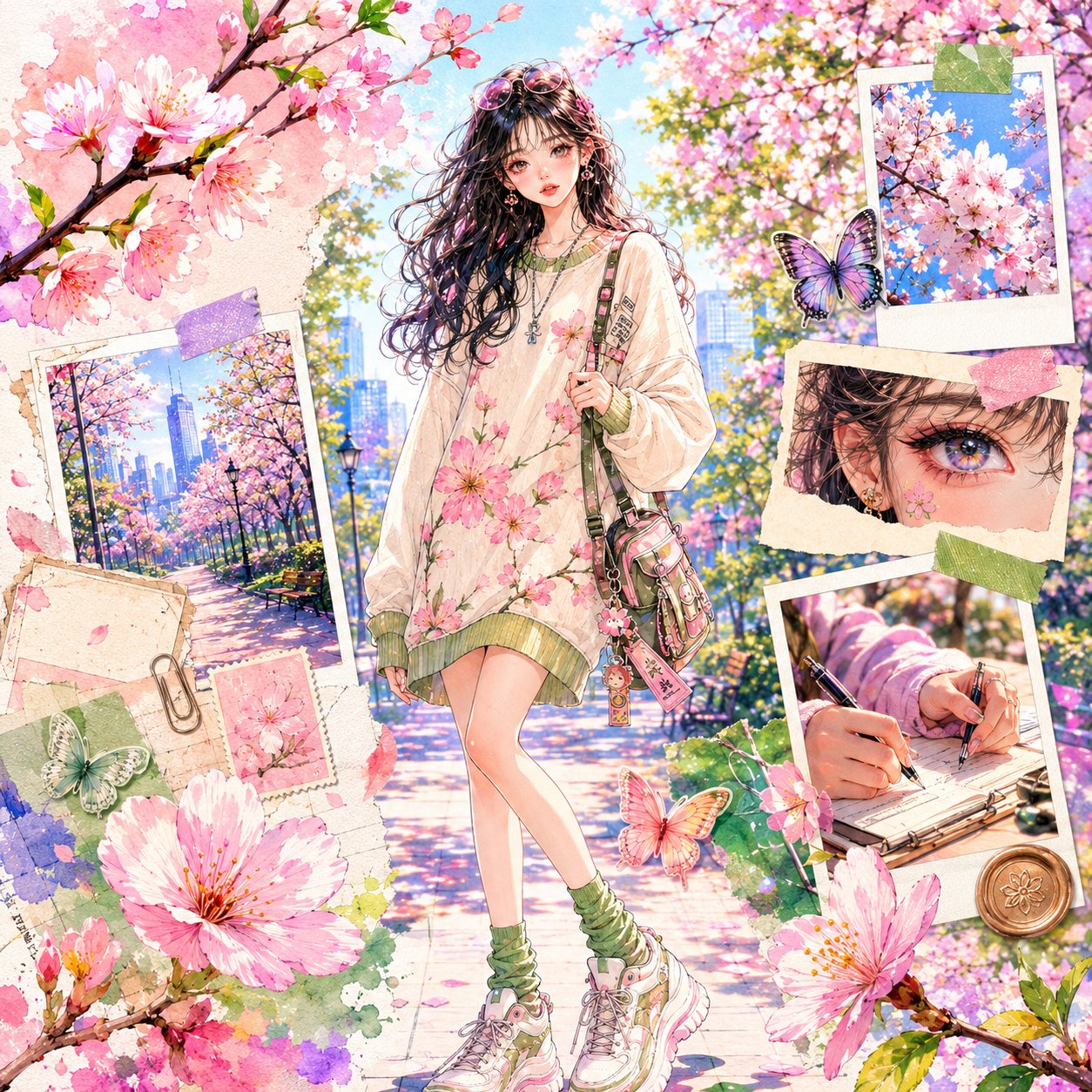
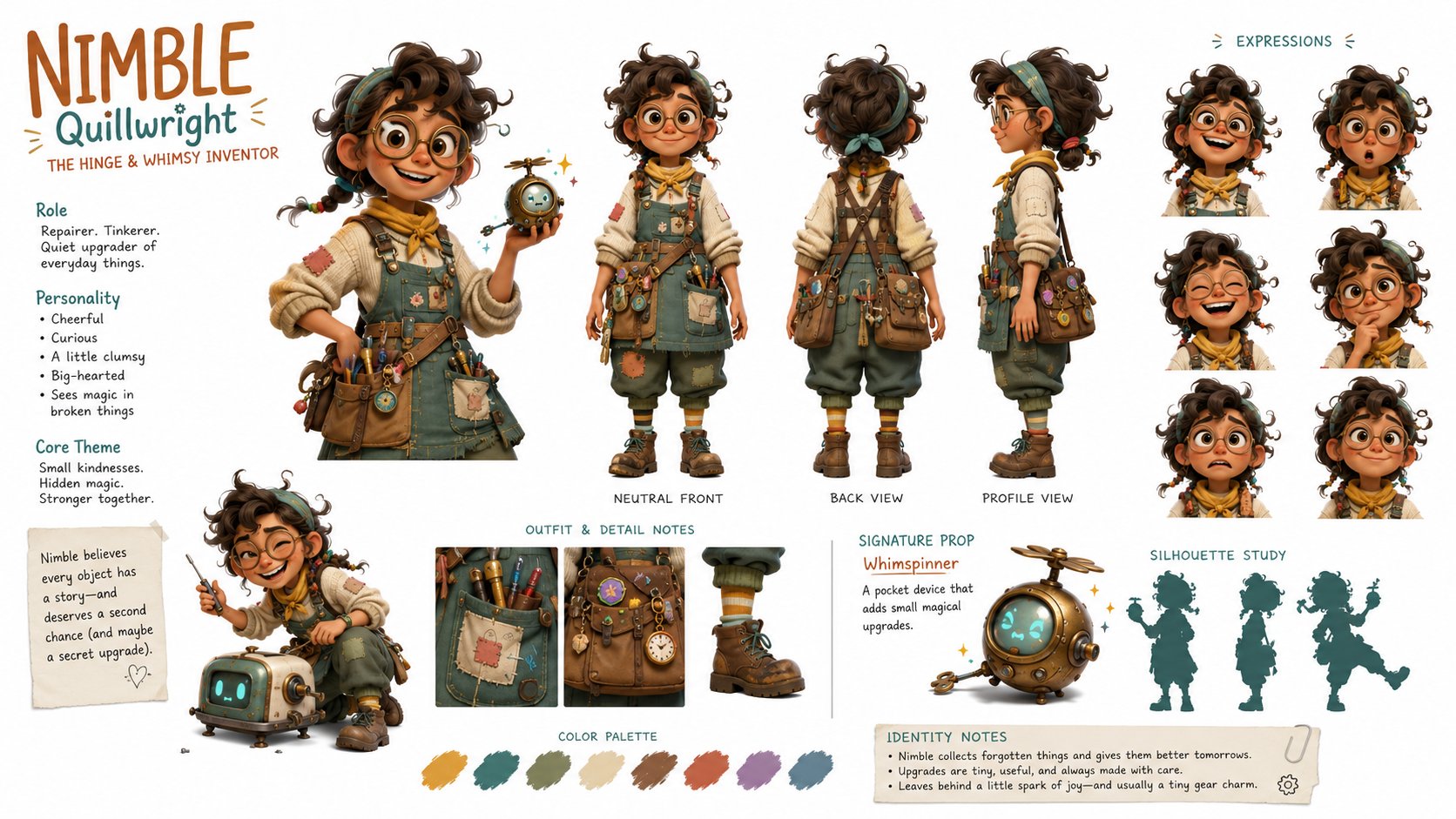
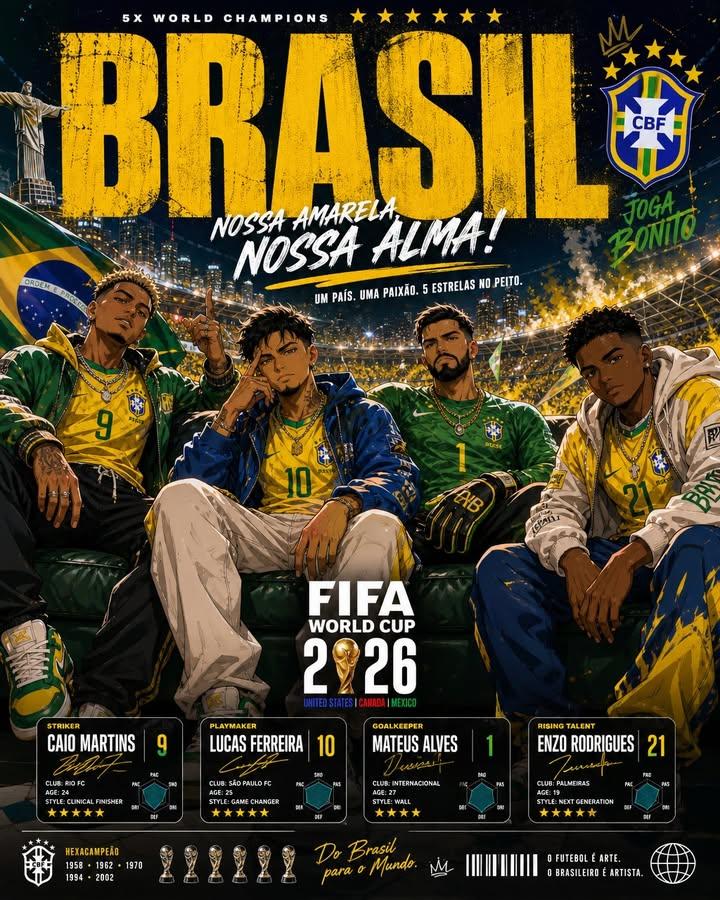
- This case keeps one primary output, so the first image should be treated as the main visual reference.
How The Prompt Is Structured
- The prompt reads as a long, highly specified prompt, which is useful when you want to judge how much specificity this direction needs.
- Its keyword cluster is centered on Cinematic, Fashion, Poster, so you can usually keep that cluster while swapping subject, camera, layout, or copy details.
- A practical rewrite path is: keep the outcome, keep the strongest style cues, then replace only the subject and environment blocks.
Good Follow-up Questions
- What changes first if you keep Cinematic, Fashion, Poster but switch the subject matter?
- Which part of the result comes from section-level structure (Character Design) versus tag-level style cues?
- Which related cases in the same section give you a cleaner or more extreme variation of the same direction?
Full Prompt
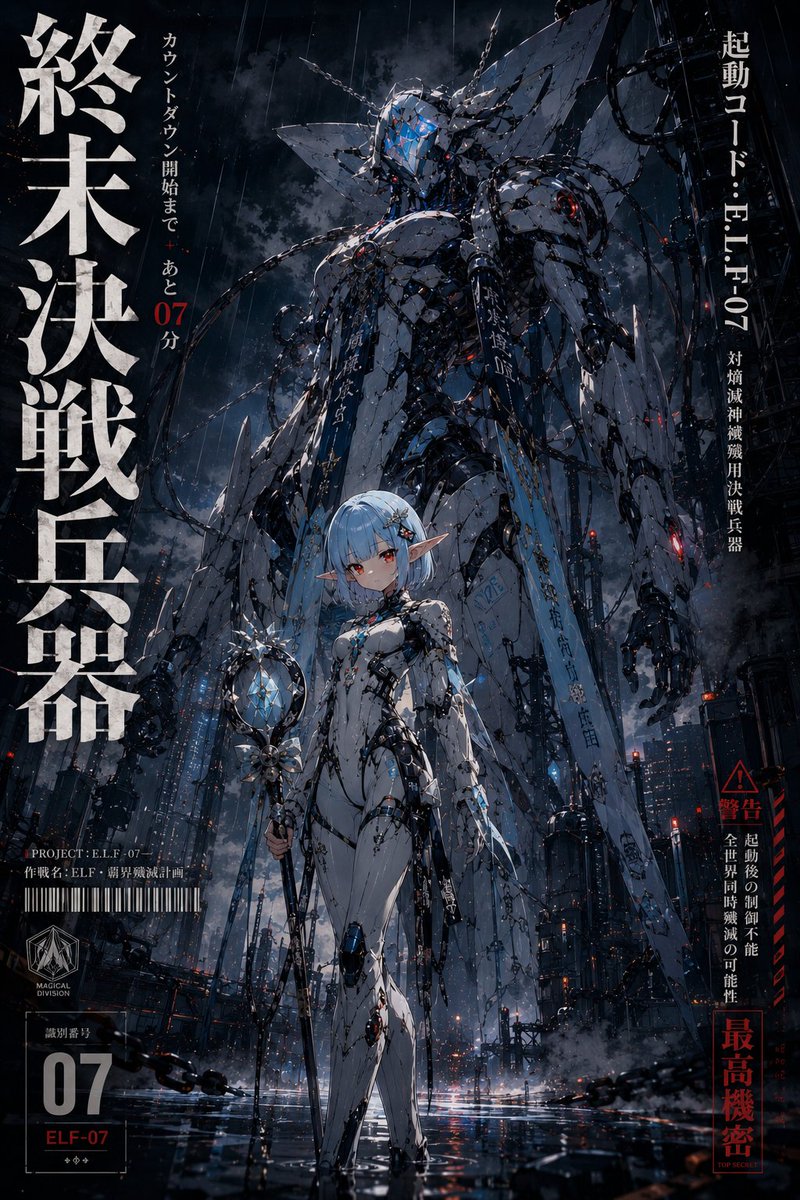
Based on the character in the reference image, create an illustration resembling a 'theatrical key visual for a non-existent legendary robot anime series'. Give it the atmosphere of 90s-2000s Japanese anime, featuring themes of apocalyptic war, massive decisive weapons, biological weapons, sealed weapons, and theatrical anime posters. Emphasize the overwhelming scale difference between the giant weapon and the character, extra-thick Mincho typeface typography, a sense of doom, industrial backgrounds, and the 'moment before the final battle' vibe. Use the reference image as the base for character design. Maintain the character's face, hairstyle, hair color, eyes, facial features, silhouette, proportions, outfit design, and overall impression with high precision. Do not compromise the character's identity or redraw them as a different character. The character wears a form-fitting futuristic pilot suit for decisive battle weapons. The pilot suit should be reconstructed based on the character design from the reference image. Naturally reflect hair color, eye color, accessories, outfit motifs, and silhouette elements into the suit's design. Do not make it a generic sci-fi suit; ensure it feels like 'equipment specifically for this character'. The character should not be in a static front-facing pose but in a natural, emotional pose suitable for a theatrical key visual. Use varying body orientations, centers of gravity, gazes, and arm placements. Allow for pose variations that are 'static yet visually powerful,' such as: - A quiet posture reflecting pre-battle tension - Looking back at the viewer - Looking up at a distant giant weapon from a side profile - Folding one arm - Lightly folding both arms - Placing one hand on the neck or shoulder - Placing one hand on the hip - A weary, languid stance - A natural stance with weight shifted to one leg Poses should evoke the atmosphere of fashion shoots, 90s anime posters, movie posters, and stances that reveal character personality. Avoid 'standing still reference sheet' styles. Incorporate natural asymmetry in body angles, shoulder lines, pelvic tilts, and gaze directions. Do not center the character perfectly symmetrically. The character's stance should have natural physical acting focused on the silhouette, like a fashion magazine cover. Use momentary poses that look like a snapshot of motion rather than static poses. Do not fix the gaze solely on the camera; the character may look toward the distance, the ground, the giant weapon, warning displays, or the sky. The background features a massive humanoid decisive weapon designed specifically for the character. IMPORTANT: Do not directly copy robots from existing works. However, you may incorporate the atmosphere of biological weapons, restrained weapons, and doomsday weapons from 90s-2000s Japanese anime. Construct the mecha design by translating character elements from the reference image. For example: - Reflecting hair flow into the head silhouette - Eye color into light sensors - Outfit design into armor lines - Accessories into restraints or mechanical designs - Character personality into the mecha silhouette The mecha should have a slender, humanoid biological weapon silhouette with long limbs and human proportions, fusing biological and industrial elements. Avoid overly bulky armor; emphasize a sleek and eerie silhouette. Include restraints, cables, sealing structures, exposed internal mechanisms, warning lights, biological armor, and battle damage. It should have a massive, god-like presence and the unsettling vibe of a sealed weapon—a 'final weapon exclusive to this character'. Do not directly imitate specific face structures or head designs unique to existing robot anime. The composition should mirror a theatrical anime key visual. Foreground: character. Background: giant decisive weapon. Create a strong sense of scale. Use a low-angle composition. Apocalyptic atmosphere. Industrial city background. Giant facilities. Rain, smoke, sparks, reflections on wet ground, warning lights. The vibe of 'just before the final battle'. Boldly place Japanese typography in extra-thick Mincho font on the screen, including vertical titles, warning text, identification numbers, and operation codes. Integrate text naturally into the graphic design rather than as random subtitles. High-quality anime illustration, cinematic direction, high-density detail, sharp silhouettes, and overwhelming scale. Aim for a level of quality that would go viral on social media as a 'legendary non-existent robot anime'.