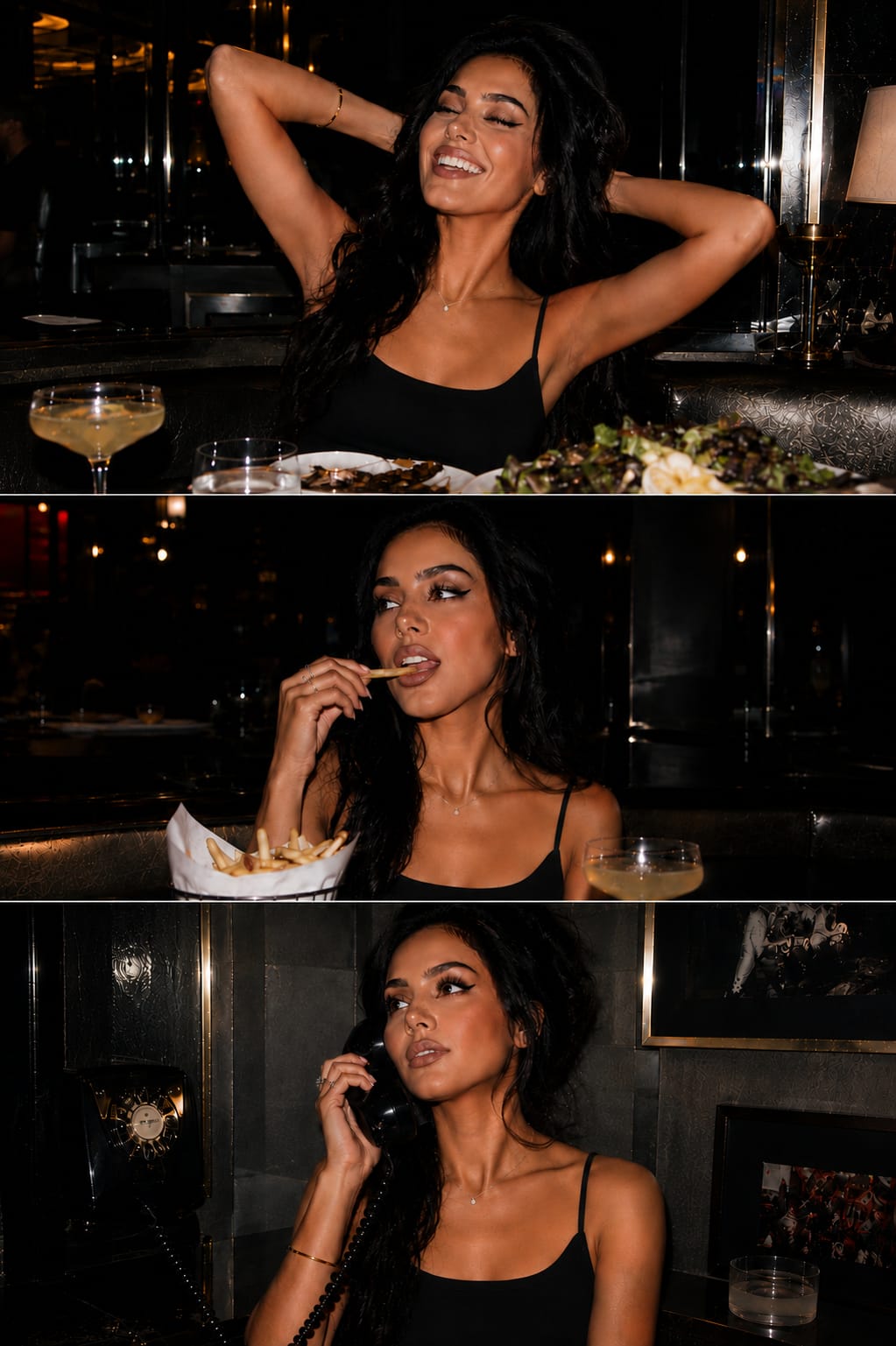
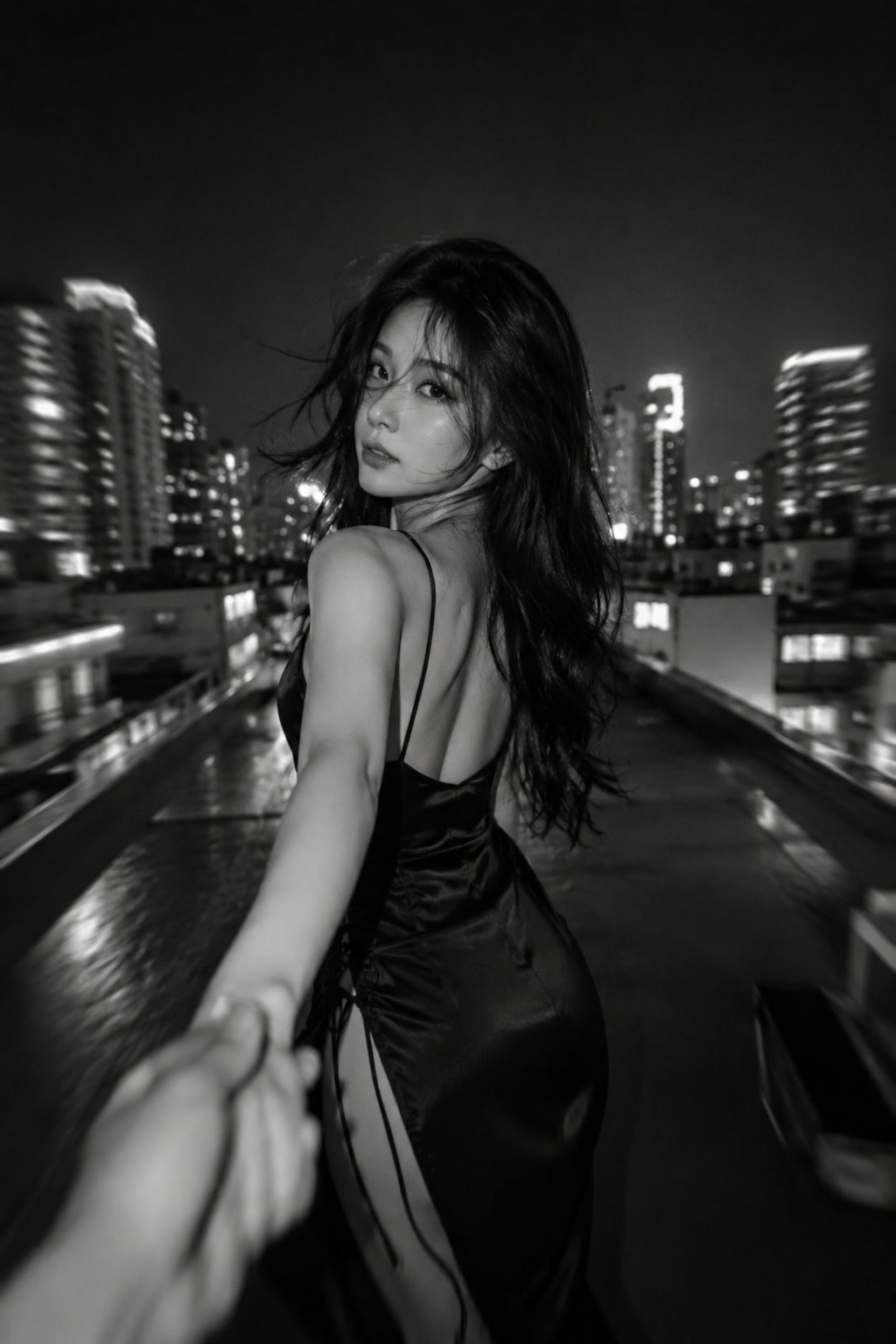
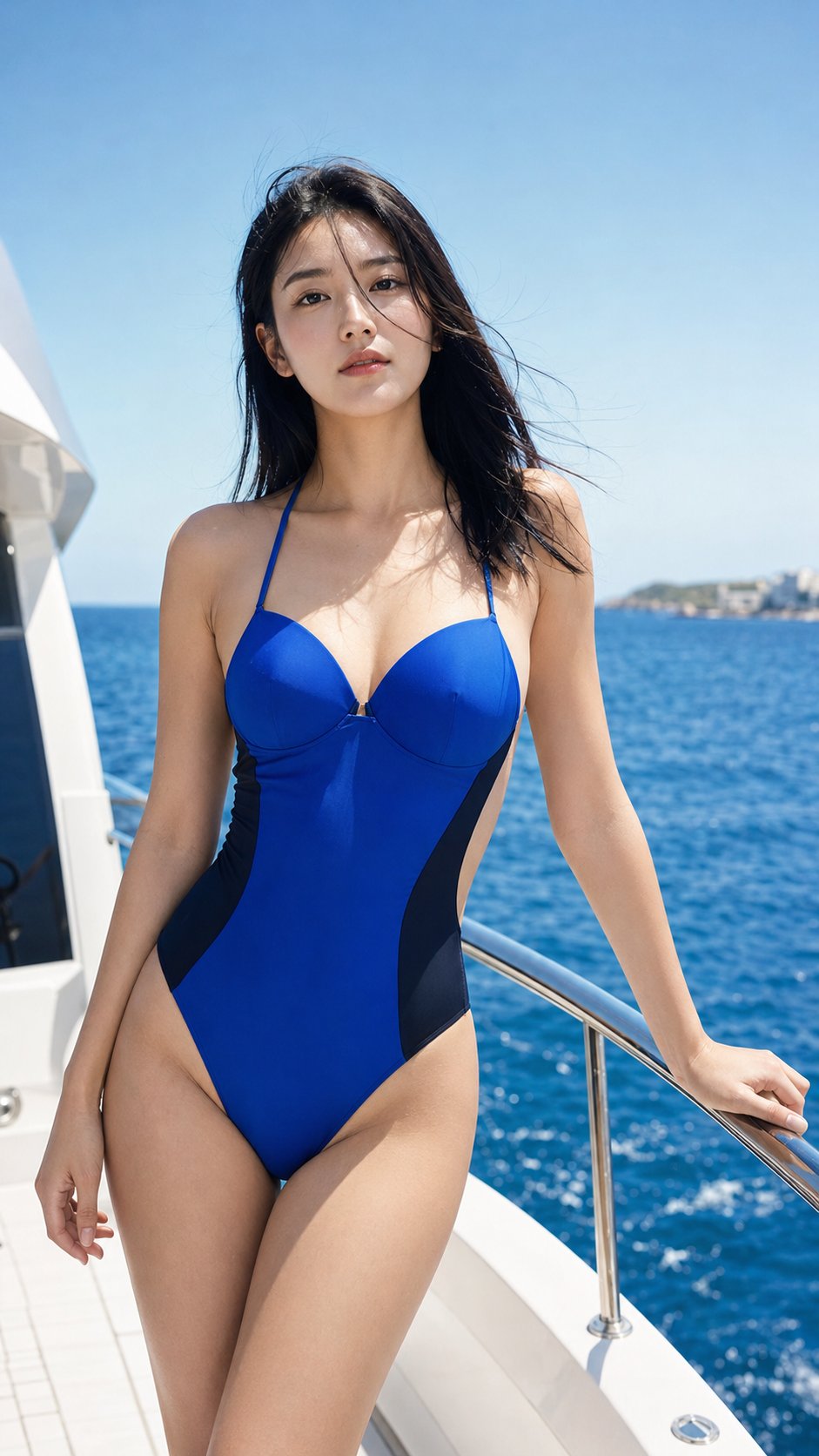
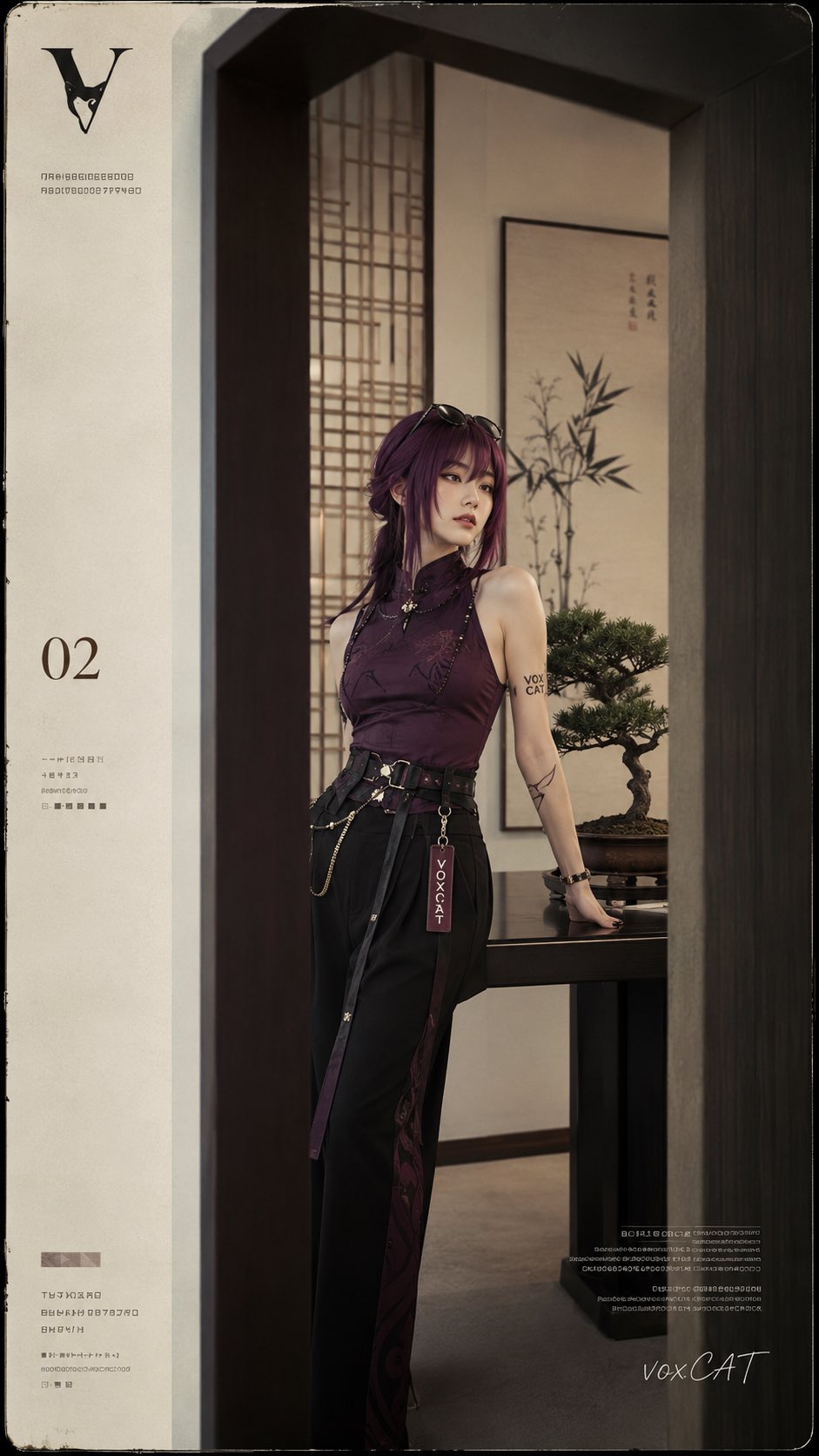
Case Media
Case Notes
This page keeps the media, full prompt, and original source together so you can inspect the result first and decide whether the prompt is worth copying, saving, or comparing.
Case Insights
To make this page easier to search, cite, and reuse later, the case is also broken down into practical guidance about usage, visual cues, and prompt structure.
Best Fit Scenarios
- Use this as a character design benchmark when you need a fast style baseline before rewriting your own prompt.
- It is especially helpful if your target overlaps with 35mm, Fashion, Character and you want to judge the image result before tuning wording.
- Keep it as a control sample when you compare nearby prompt variants one variable at a time.
Visual Signals To Notice
- The clearest style signals here are 35mm, Fashion, Character, so those should usually stay in your first rewrite.
- Look at silhouette, costume language, mood styling, and whether the character reads clearly at a glance.
- This case keeps 2 media outputs, which makes it easier to check whether the style remains stable across multiple results.
How The Prompt Is Structured
- The prompt reads as a long, highly specified prompt, which is useful when you want to judge how much specificity this direction needs.
- Its keyword cluster is centered on 35mm, Fashion, Character, so you can usually keep that cluster while swapping subject, camera, layout, or copy details.
- A practical rewrite path is: keep the outcome, keep the strongest style cues, then replace only the subject and environment blocks.
Good Follow-up Questions
- What changes first if you keep 35mm, Fashion, Character but switch the subject matter?
- Which part of the result comes from section-level structure (Character Design) versus tag-level style cues?
- Which related cases in the same section give you a cleaner or more extreme variation of the same direction?
Full Prompt
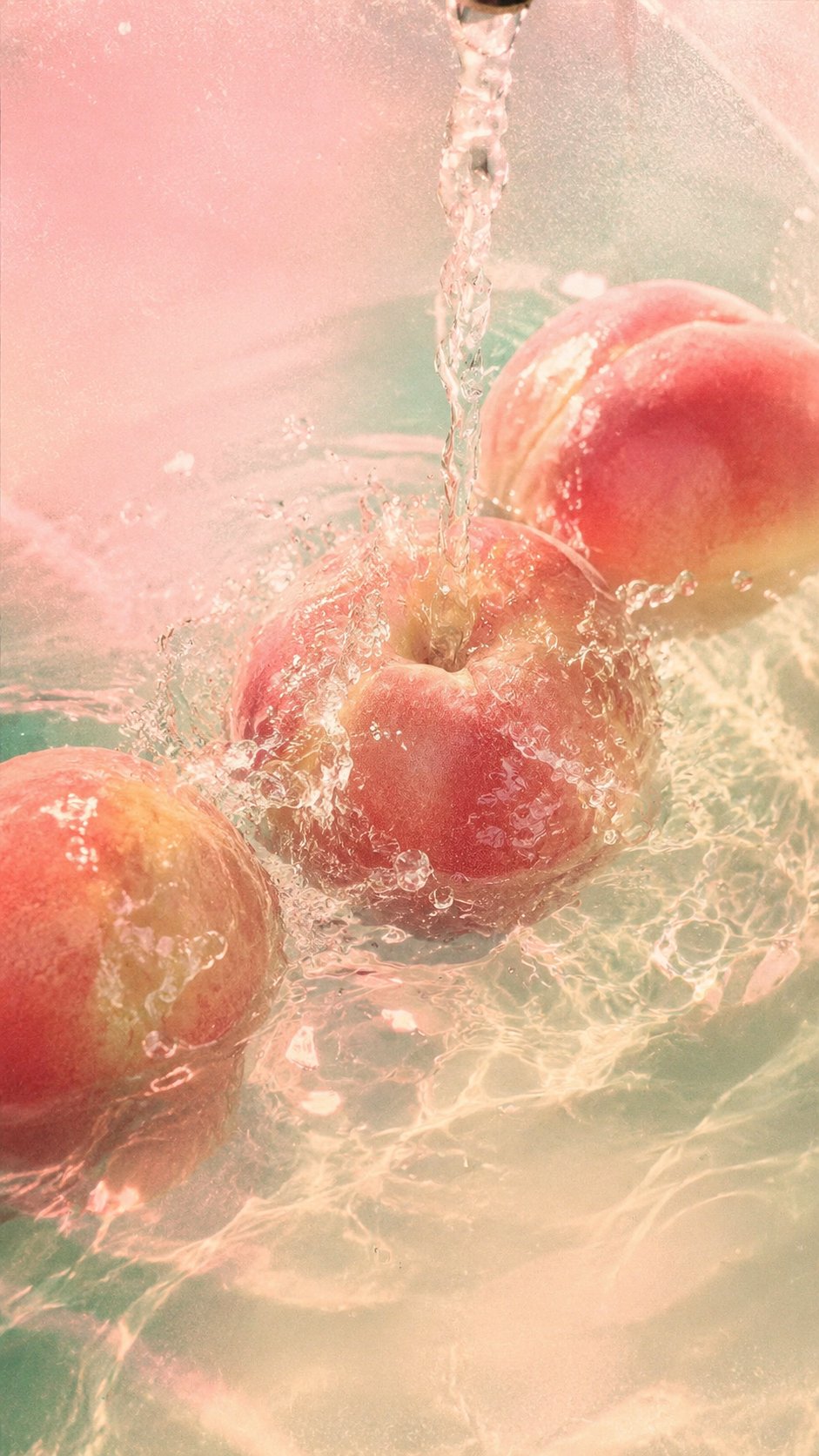
Please perform stylized creation based on the image I uploaded, instead of simple filter processing. Retain the identity characteristics, core posture, main contours, and pictorial relationships of the original subject, but allow for the redesign of scenes, lighting, colors, space, and visual narrative. Transform the scene into a pink and green dual-color dreamcore fashion blockbuster: the overall look is like a mixture of 90s retro fashion photography, Y2K experimental video, indie music album covers, and surreal advertising visuals. Use high-recognition contrasting pink and turquoise colors: pink sky, rosy skin highlights, peach pink air haze, turquoise shadows, lake green distant views, and mint green environmental reflections. The overall colors are soft yet impactful, like faded film superimposed with dreamlike imagery. Please reconstruct the scene environment: you can place the original subject in a more open, more surreal space, such as a pink desert, turquoise mountains, a dreamlike studio, a minimalist room, a light-colored pool, beside a retro sports car, a cloud horizon, a soft mist glass space, or a futuristic street scene. Visual language: soft focus, film grain, low contrast, soft mist light, slight overexposure, retro magazine print feel, slightly distorted colors, dreamlike spatial layers. The subject is clear, and the environment is like a memory, a dream, or an advertising set. Overall, it should not look like a random AI image, but like a complete art direction work: unified color palette, prominent subject, clean composition, negative space, a sense of high-end quality, and a publishable visual hook. Prohibited: Do not directly copy the 3x3 grid of the reference image; do not generate multiple small images; do not add meaningless text; do not show watermarks; do not generate real brand logos; do not let characters' facial features collapse; do not let the subject disappear; do not just apply a pink filter.