Case Media
Case Notes
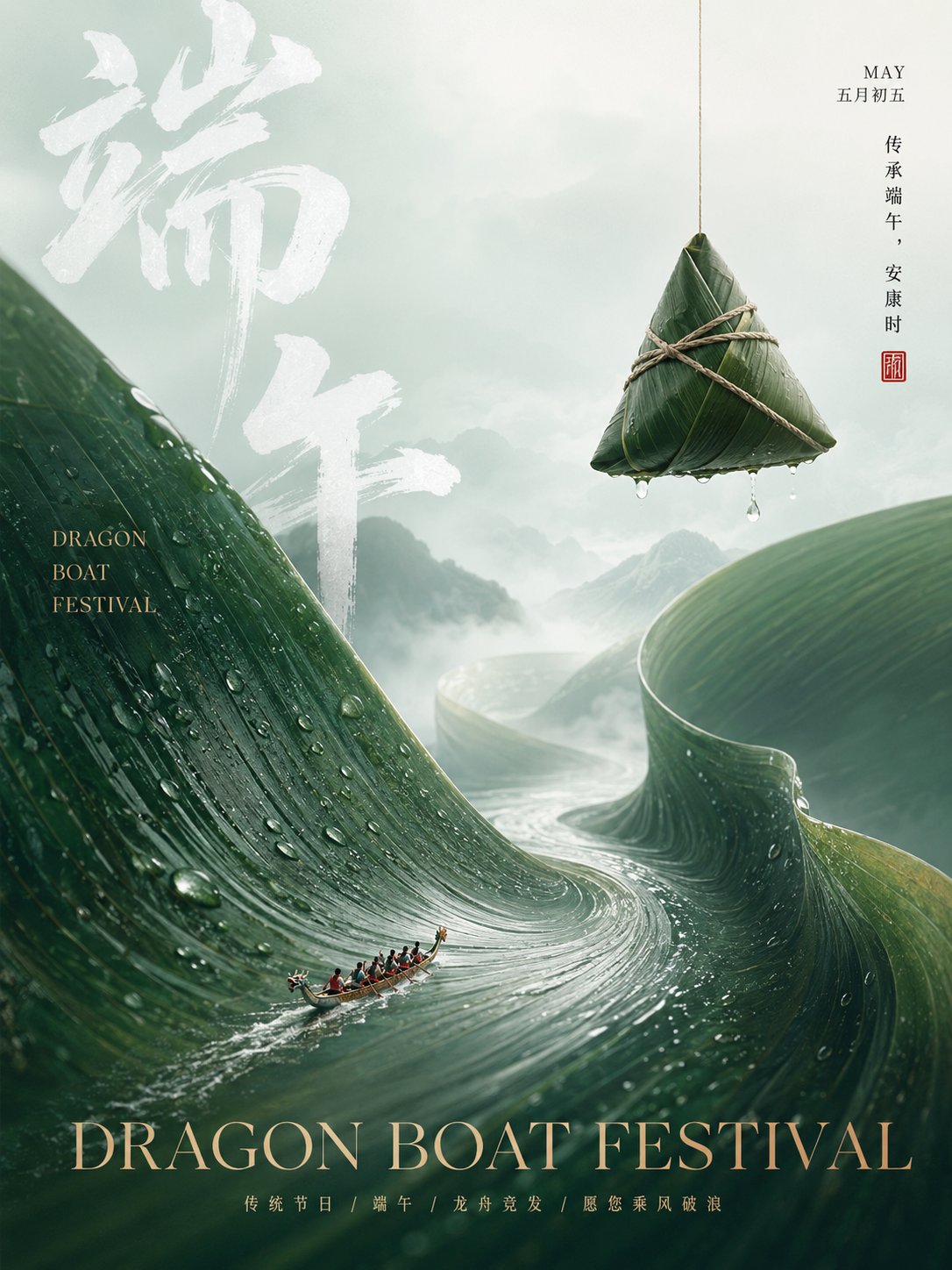
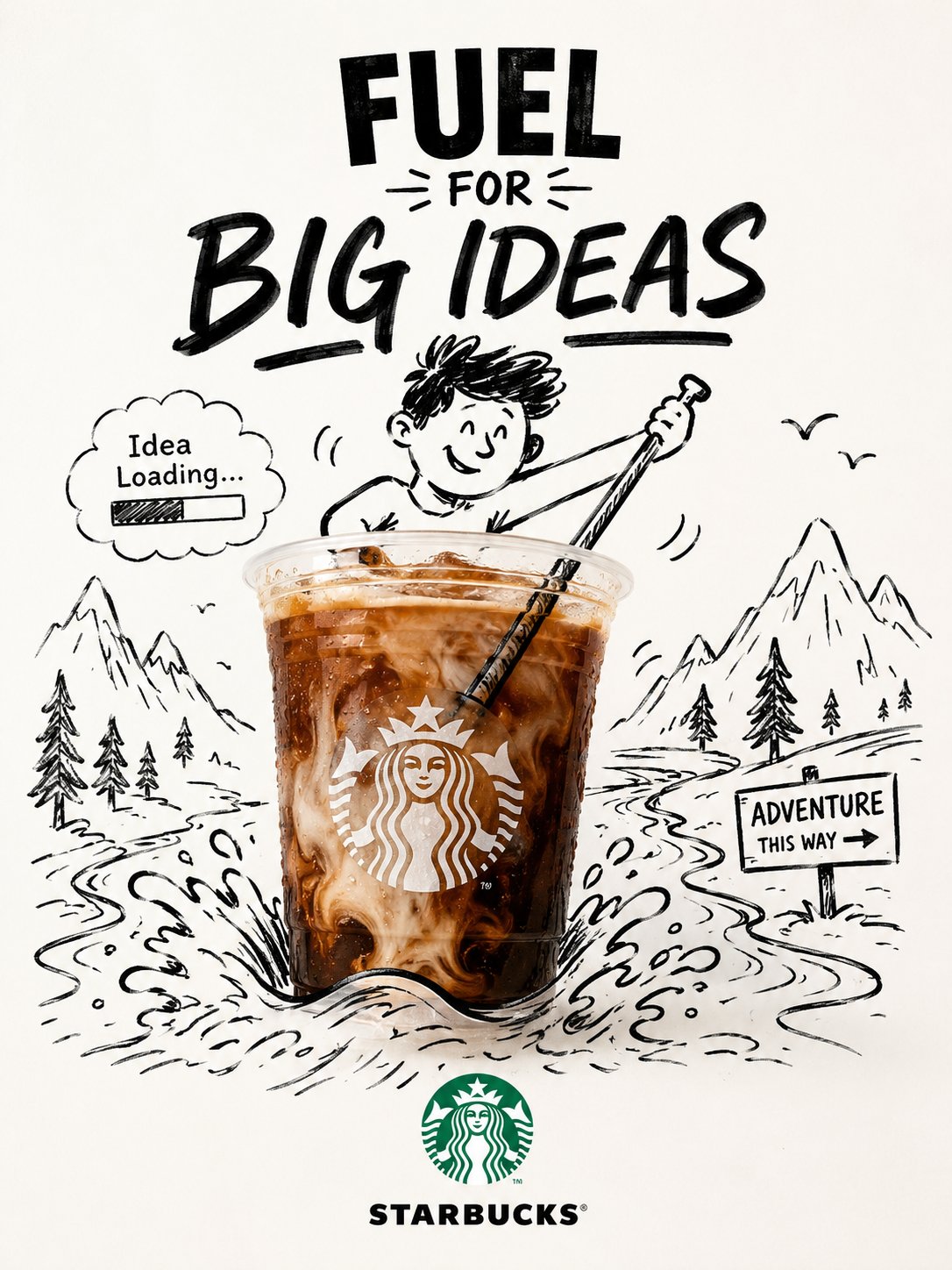
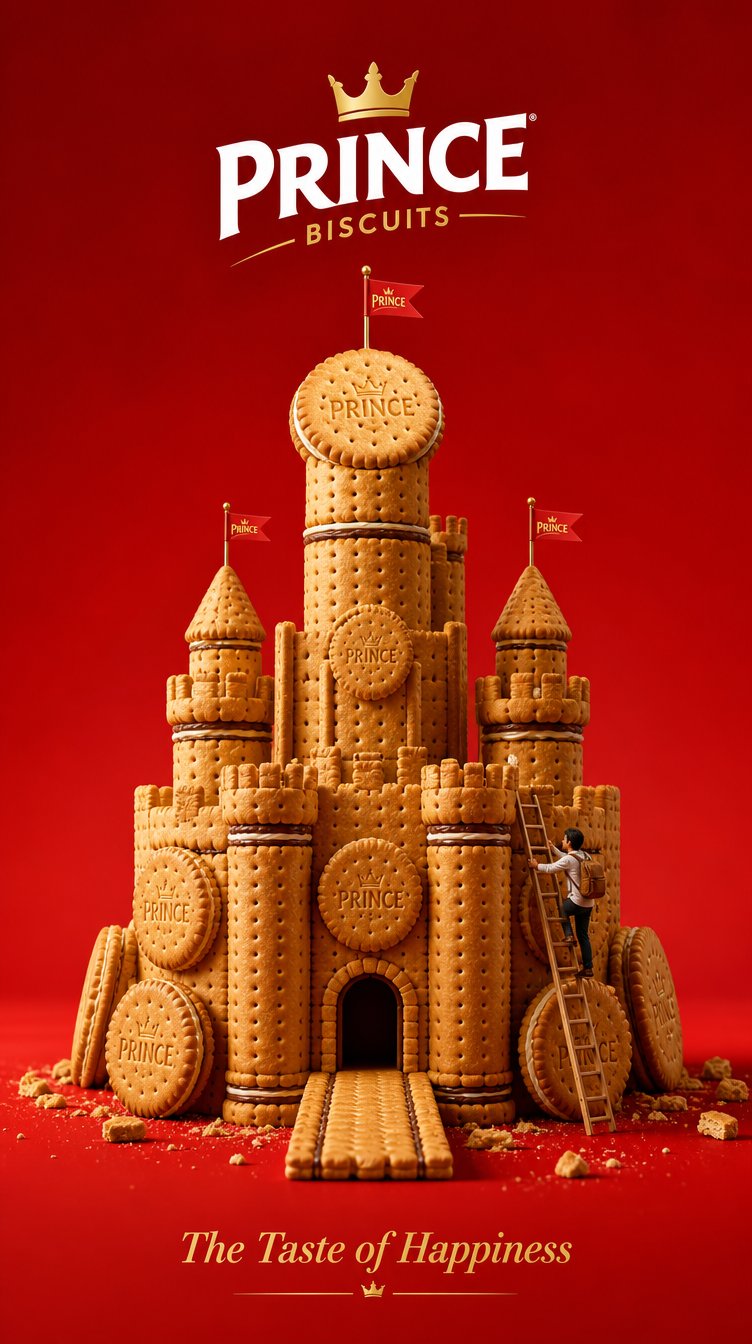
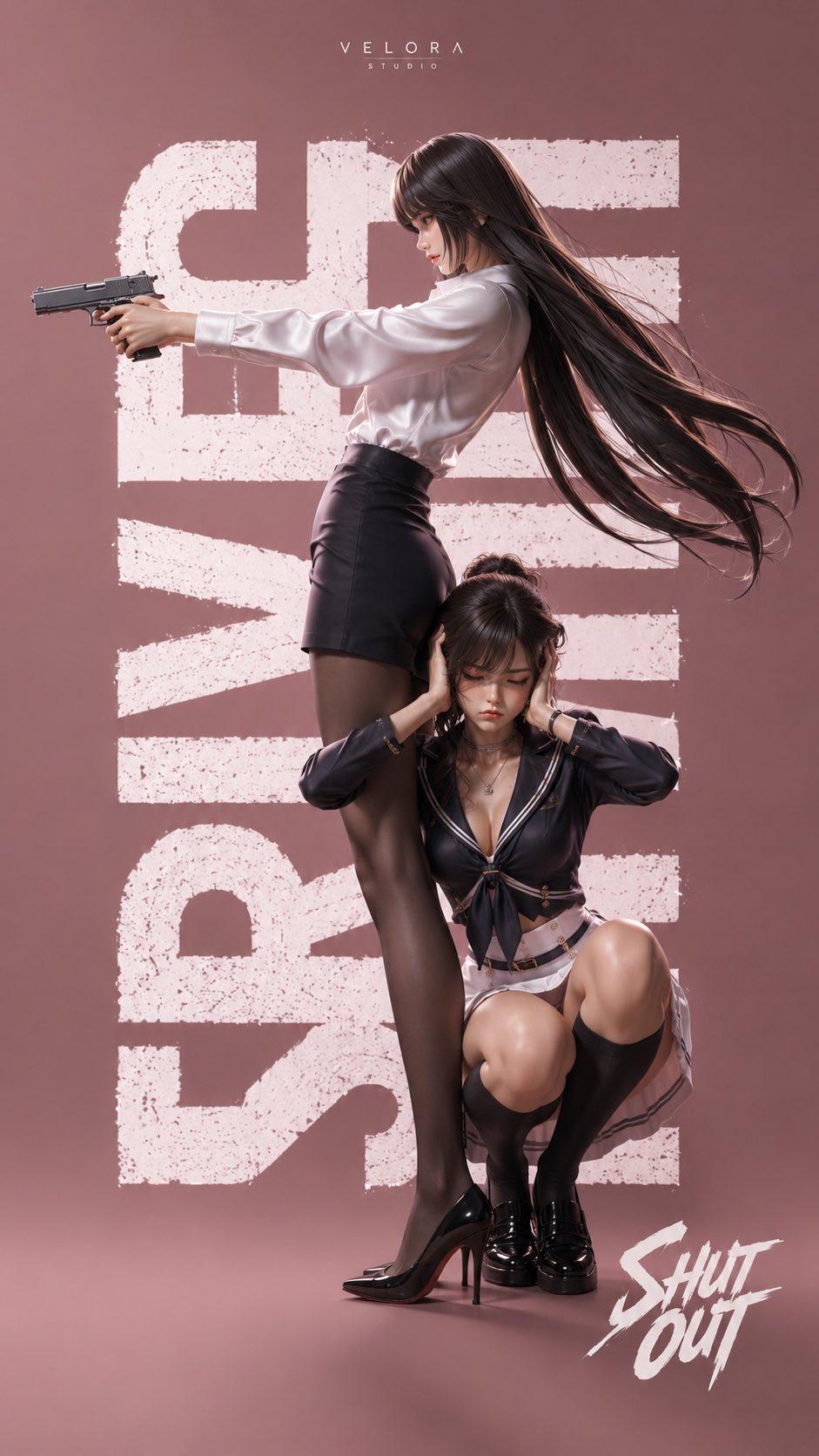
This page keeps the media, full prompt, and original source together so you can inspect the result first and decide whether the prompt is worth copying, saving, or comparing.
Case Insights
To make this page easier to search, cite, and reuse later, the case is also broken down into practical guidance about usage, visual cues, and prompt structure.
Best Fit Scenarios
- Use this as a character design benchmark when you need a fast style baseline before rewriting your own prompt.
- It is especially helpful if your target overlaps with Cinematic, Poster, Character and you want to judge the image result before tuning wording.
- Keep it as a control sample when you compare nearby prompt variants one variable at a time.
Visual Signals To Notice
- The clearest style signals here are Cinematic, Poster, Character, so those should usually stay in your first rewrite.
- Look at silhouette, costume language, mood styling, and whether the character reads clearly at a glance.
- This case keeps 2 media outputs, which makes it easier to check whether the style remains stable across multiple results.
How The Prompt Is Structured
- The prompt reads as a long, highly specified prompt, which is useful when you want to judge how much specificity this direction needs.
- Its keyword cluster is centered on Cinematic, Poster, Character, so you can usually keep that cluster while swapping subject, camera, layout, or copy details.
- A practical rewrite path is: keep the outcome, keep the strongest style cues, then replace only the subject and environment blocks.
Good Follow-up Questions
- What changes first if you keep Cinematic, Poster, Character but switch the subject matter?
- Which part of the result comes from section-level structure (Character Design) versus tag-level style cues?
- Which related cases in the same section give you a cleaner or more extreme variation of the same direction?
Full Prompt
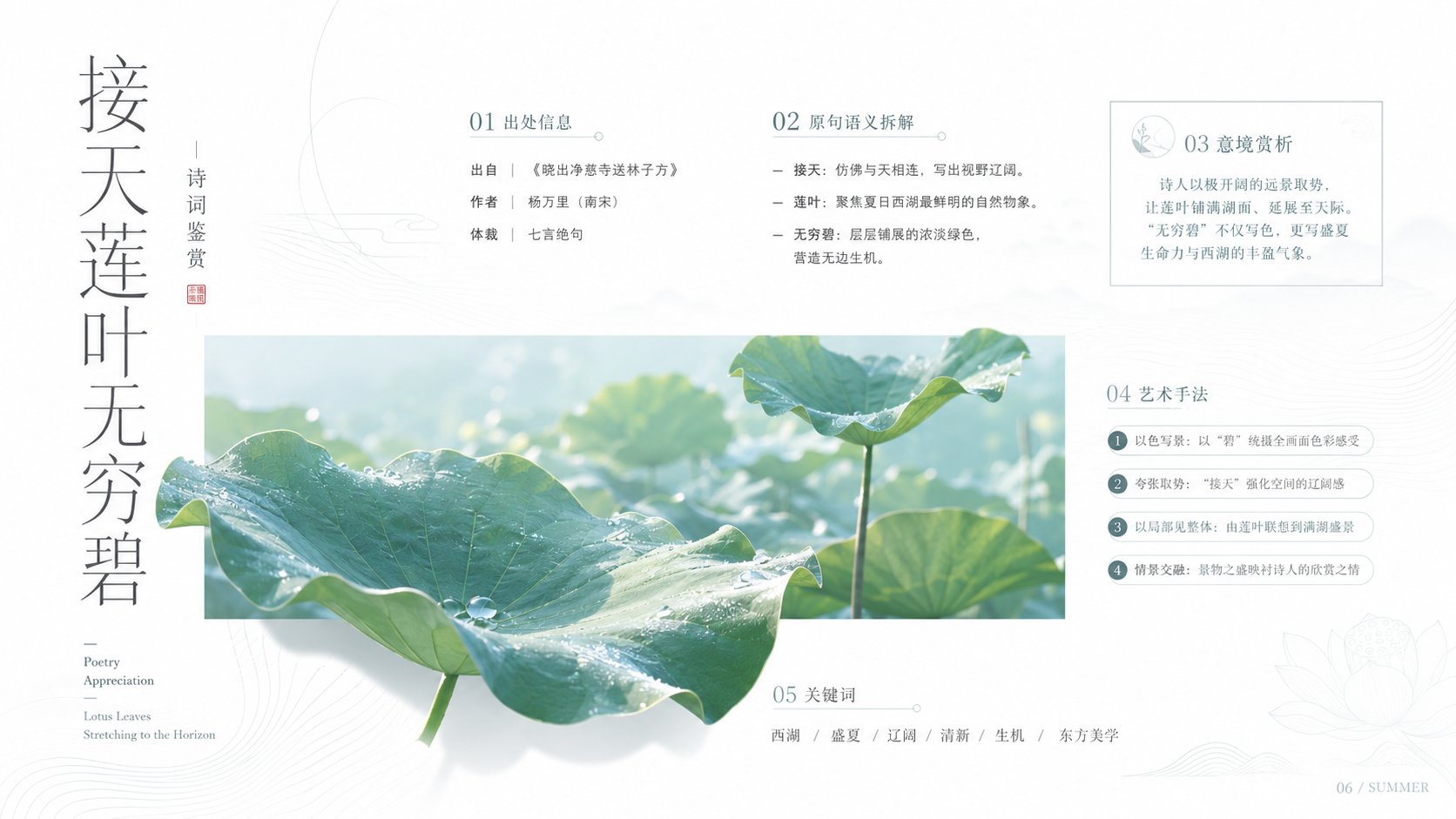
Design a minimalist poster with high-end commercial aesthetics, the core visual language is 'real objects passing through geometric emotional windows'. Set a narrow and long low-saturation color block in the frame as a visual anchor and spatial container, the color block color is selected according to the theme as soft light colors, such as fog blue, light cyan, off-white, pale pink, warm gray or light gold. Place the [Core Object] into the color block with real photographic texture or fine realistic style, but do not be completely trapped in the color block, let the subject's local parts cross the boundary, break the frame, and extend to the white space, forming a sense of natural growth and spatial penetration. The background remains minimalist, using large areas of white or light gray negative space, adding almost transparent cultural patterns, linear graphics, topographic lines, water wave lines, light and shadow outlines or abstract symbols as looming visual details. The overall layout should be like high-end real estate, luxury goods, aesthetic magazines or solar term posters, the text is slender, restrained, with stretched character spacing, the title can be vertical, and auxiliary information is neatly arranged in small font sizes. The image needs to have Oriental white space, modern order, natural vitality, and a light luxury quality sense. Avoid clutter, avoid high saturation, avoid heavy shadows, avoid cheap template feel. Current theme: Infinite green lotus leaves reaching the sky. Main visual element: Top Japanese photography style, ins filter texture, cinematic light and shadow, bright and transparent. Other requirements: The screen has at least 4 different levels, different logics and different presentation schemes of knowledge points. Use: Poetry appreciation. Background: White. Ratio 16:9.