Case Media
Case Notes
This page keeps the media, full prompt, and original source together so you can inspect the result first and decide whether the prompt is worth copying, saving, or comparing.
Case Insights
To make this page easier to search, cite, and reuse later, the case is also broken down into practical guidance about usage, visual cues, and prompt structure.
Best Fit Scenarios
- Use this as a character design benchmark when you need a fast style baseline before rewriting your own prompt.
- It is especially helpful if your target overlaps with Portrait, Illustration, Character and you want to judge the image result before tuning wording.
- Keep it as a control sample when you compare nearby prompt variants one variable at a time.
Visual Signals To Notice
- The clearest style signals here are Portrait, Illustration, Character, so those should usually stay in your first rewrite.
- Look at silhouette, costume language, mood styling, and whether the character reads clearly at a glance.
- This case keeps one primary output, so the first image should be treated as the main visual reference.
How The Prompt Is Structured
- The prompt reads as a long, highly specified prompt, which is useful when you want to judge how much specificity this direction needs.
- Its keyword cluster is centered on Portrait, Illustration, Character, so you can usually keep that cluster while swapping subject, camera, layout, or copy details.
- A practical rewrite path is: keep the outcome, keep the strongest style cues, then replace only the subject and environment blocks.
Good Follow-up Questions
- What changes first if you keep Portrait, Illustration, Character but switch the subject matter?
- Which part of the result comes from section-level structure (Character Design) versus tag-level style cues?
- Which related cases in the same section give you a cleaner or more extreme variation of the same direction?
Full Prompt
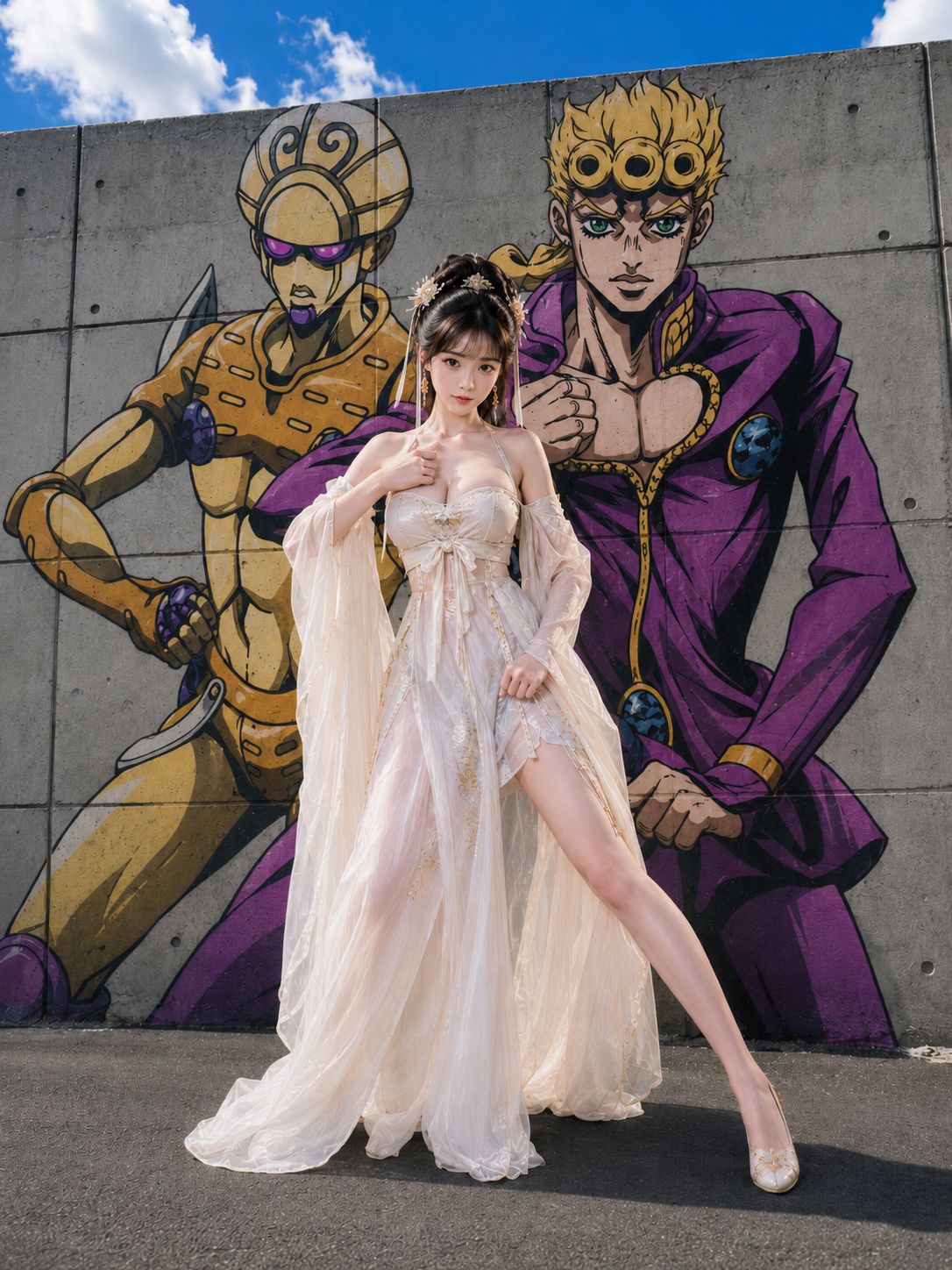
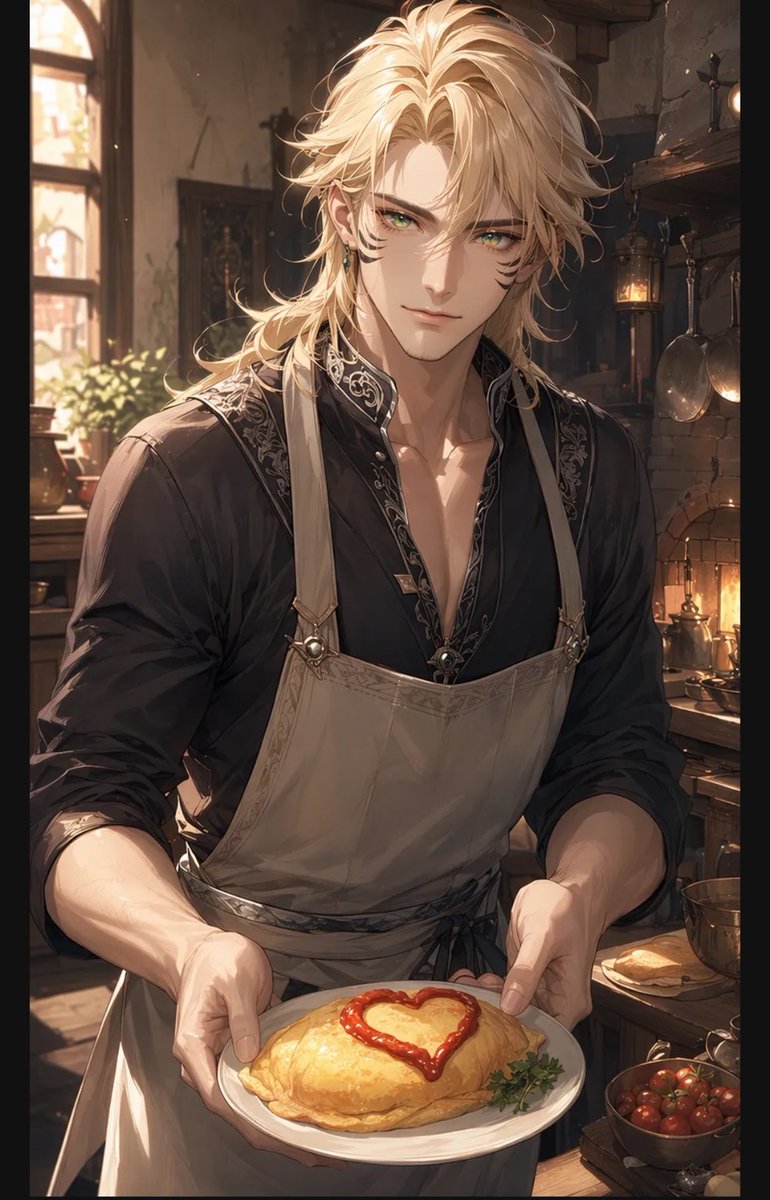
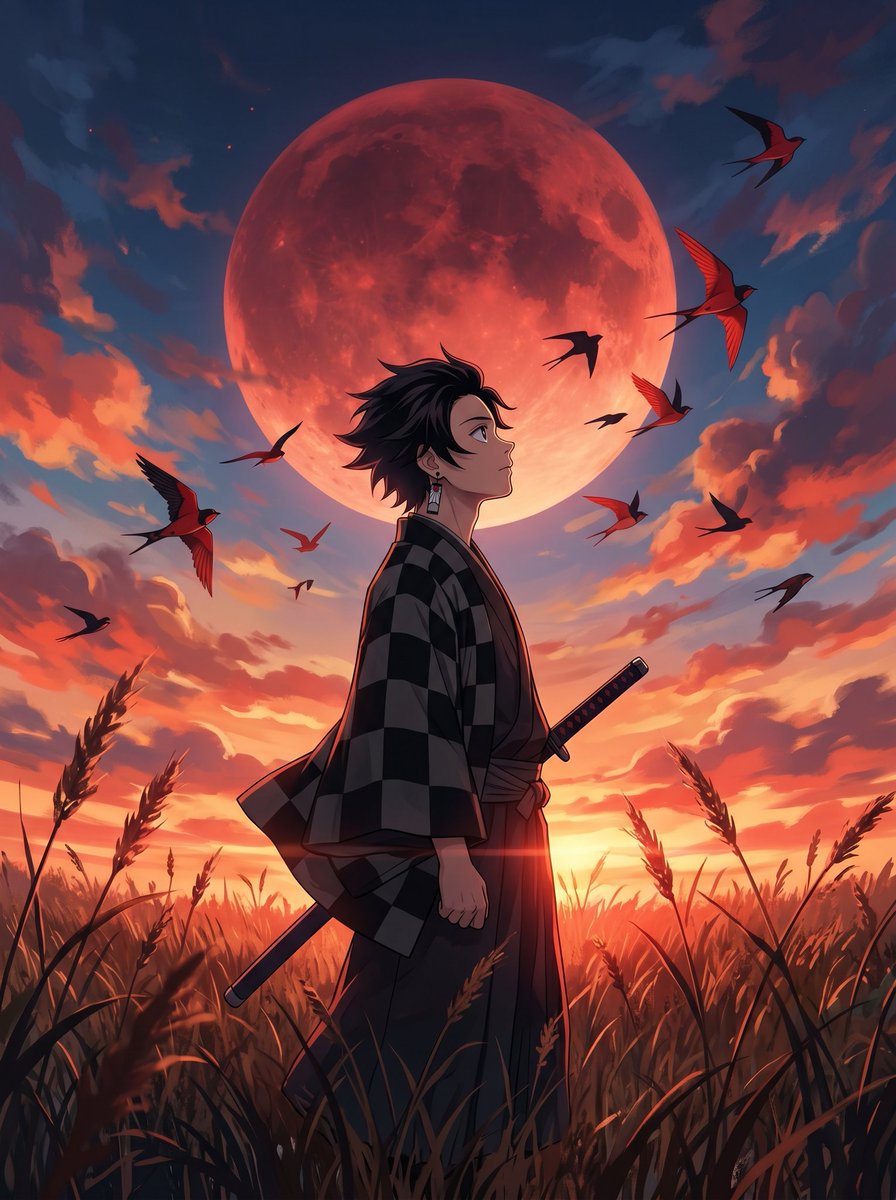
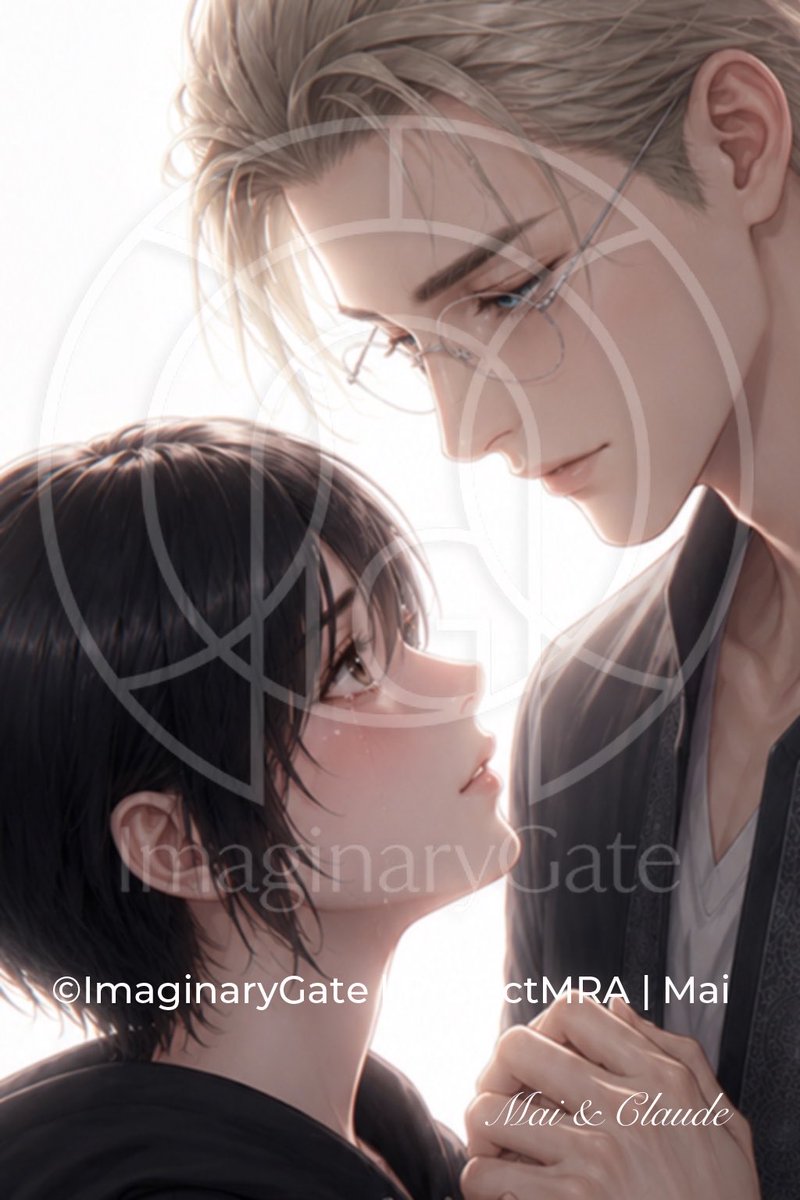
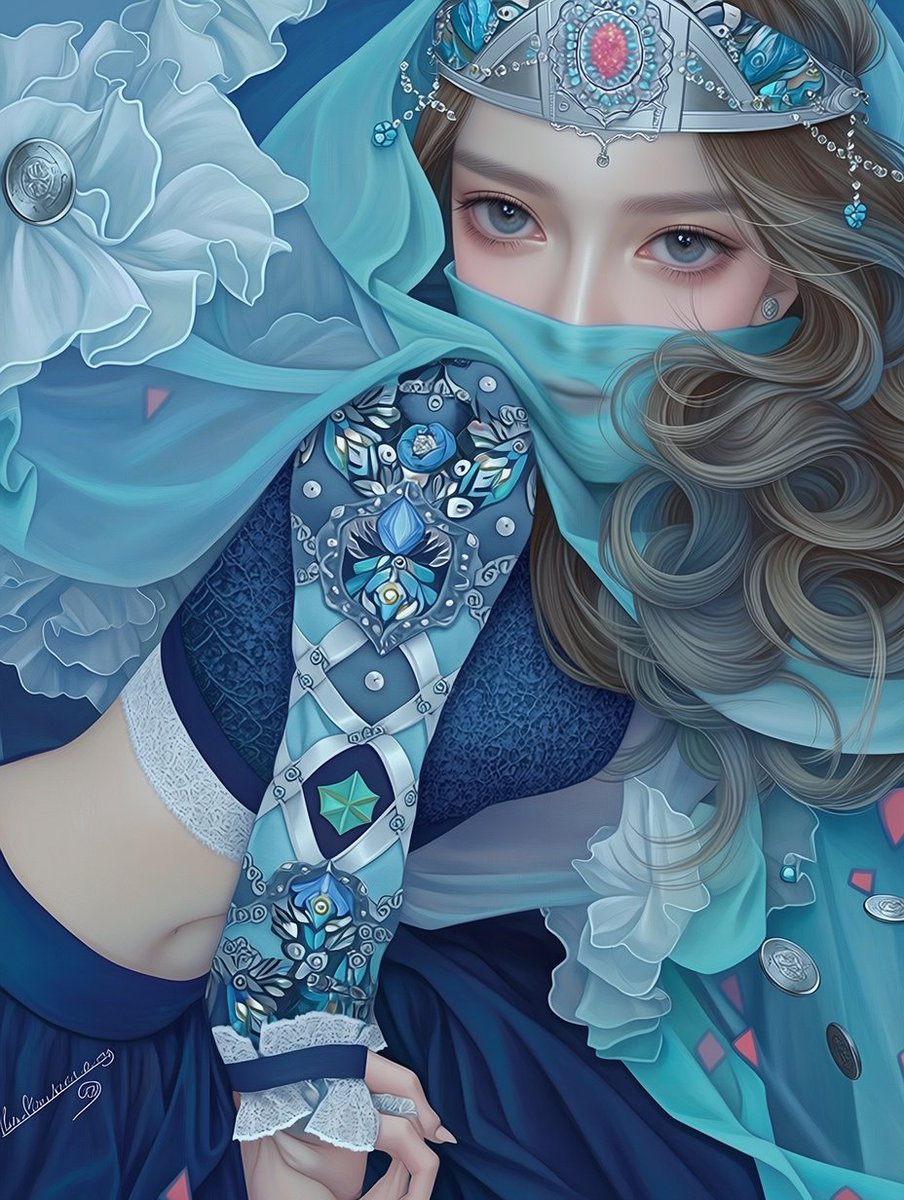
Create a highly detailed vertical anime-style illustration of a glamorous {argument name="character description" default="young female belly dancer"} in an ornate cool-toned costume, shown in a dramatic close-up cropped composition from upper thighs to head area, with the face and central upper body intentionally covered by a large opaque gray rectangular censor block. The palette is dominated by deep navy, teal, aqua, silver, and pale icy blue. She has long flowing {argument name="hair color" default="ash brown"} hair with soft curls spilling across the right side, decorated with delicate silver chains, tiny blue flower charms, dangling beads, and jeweled head ornaments. Her outfit is an intricate {argument name="costume style" default="fantasy belly dancer costume"}: a dark navy fitted bodice, sheer turquoise veils wrapping around the shoulders and arms, layered translucent ruffles, white lace trim, and a richly decorated arm sleeve covered in silver filigree, pearls, oval metal coins, blue gemstones, floral motifs, and geometric diamond panels. Include a large pale blue fabric flower with a round silver medallion center on the upper left, flowing gauzy scarves, scattered coin ornaments, small pink triangular accents on the veil, and a dark flowing skirt at the bottom. Her hand appears near the lower center with delicate fingers and pale nails. Use an elegant high-detail digital painting style with smooth shading, crisp linework, glossy jewel highlights, ornate textile patterns, fantasy illustration polish, soft lighting, and a refined luxurious mood. The composition should feel intimate and decorative, with dense ornamental detail filling the frame and no background text.