Case Media
Case Notes
This page keeps the media, full prompt, and original source together so you can inspect the result first and decide whether the prompt is worth copying, saving, or comparing.
Case Insights
To make this page easier to search, cite, and reuse later, the case is also broken down into practical guidance about usage, visual cues, and prompt structure.
Best Fit Scenarios
- Use this as a character design benchmark when you need a fast style baseline before rewriting your own prompt.
- It is especially helpful if your target overlaps with Portrait, Cinematic, Fashion and you want to judge the image result before tuning wording.
- Keep it as a control sample when you compare nearby prompt variants one variable at a time.
Visual Signals To Notice
- The clearest style signals here are Portrait, Cinematic, Fashion, so those should usually stay in your first rewrite.
- Look at silhouette, costume language, mood styling, and whether the character reads clearly at a glance.
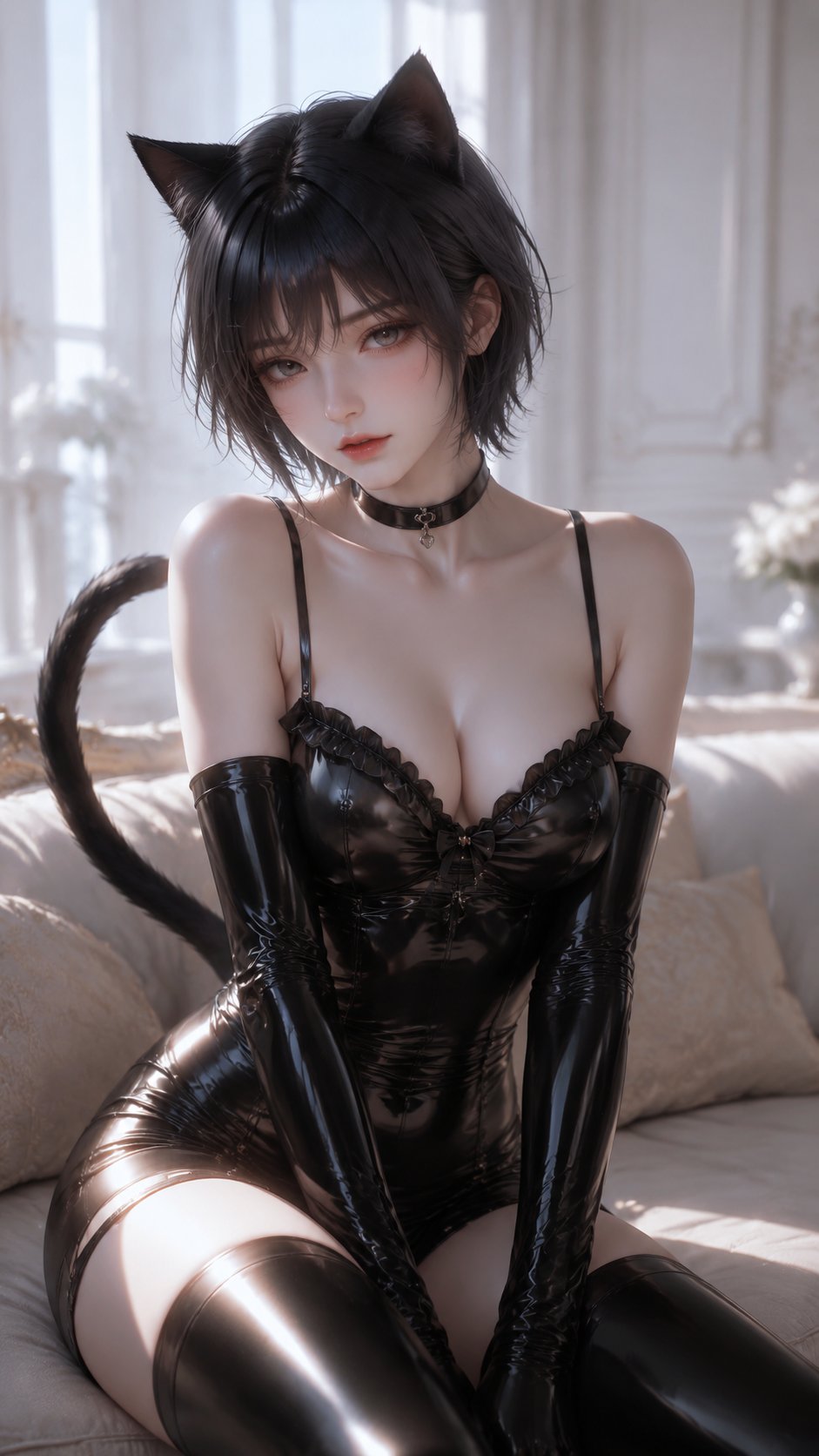
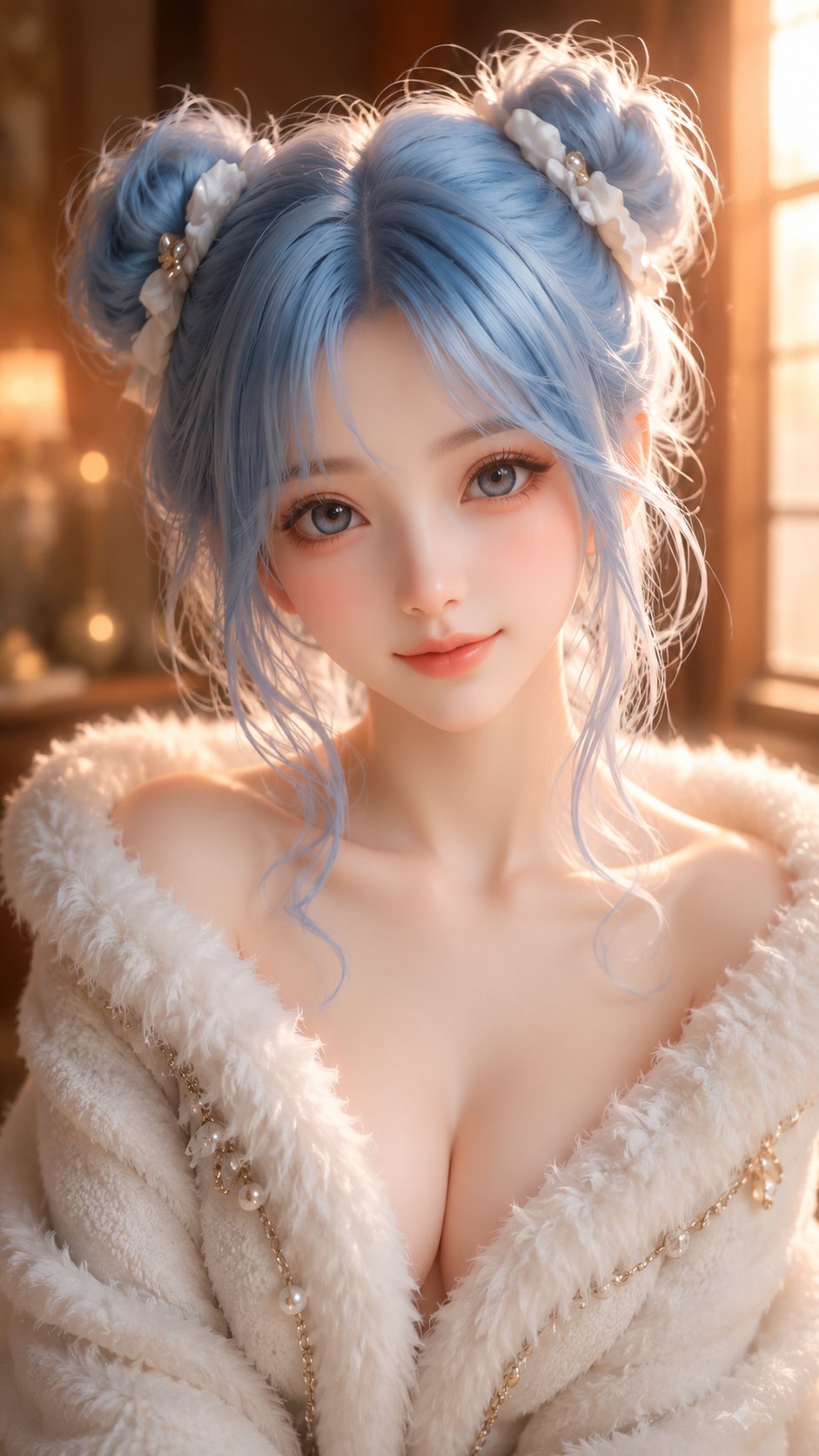
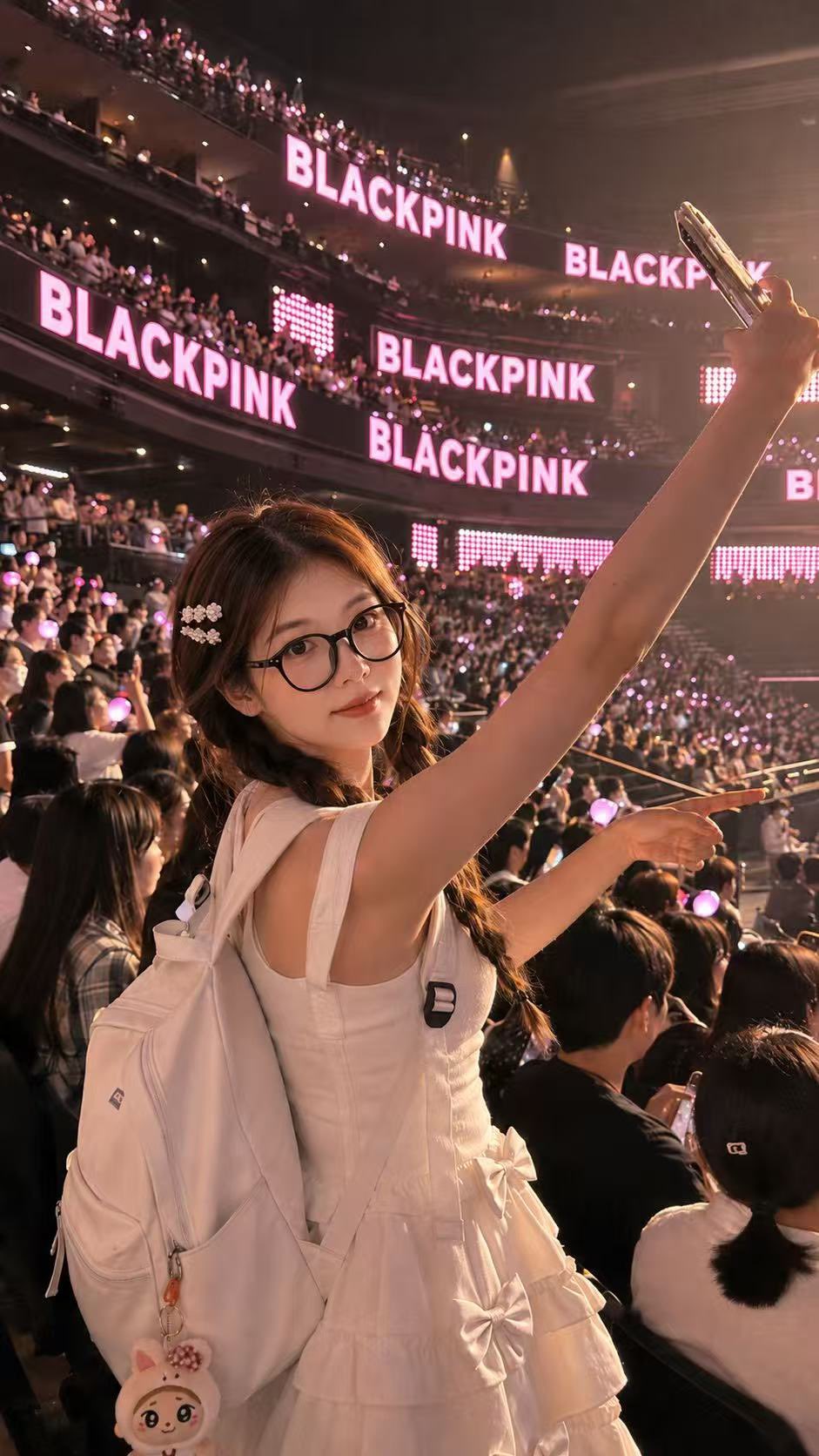
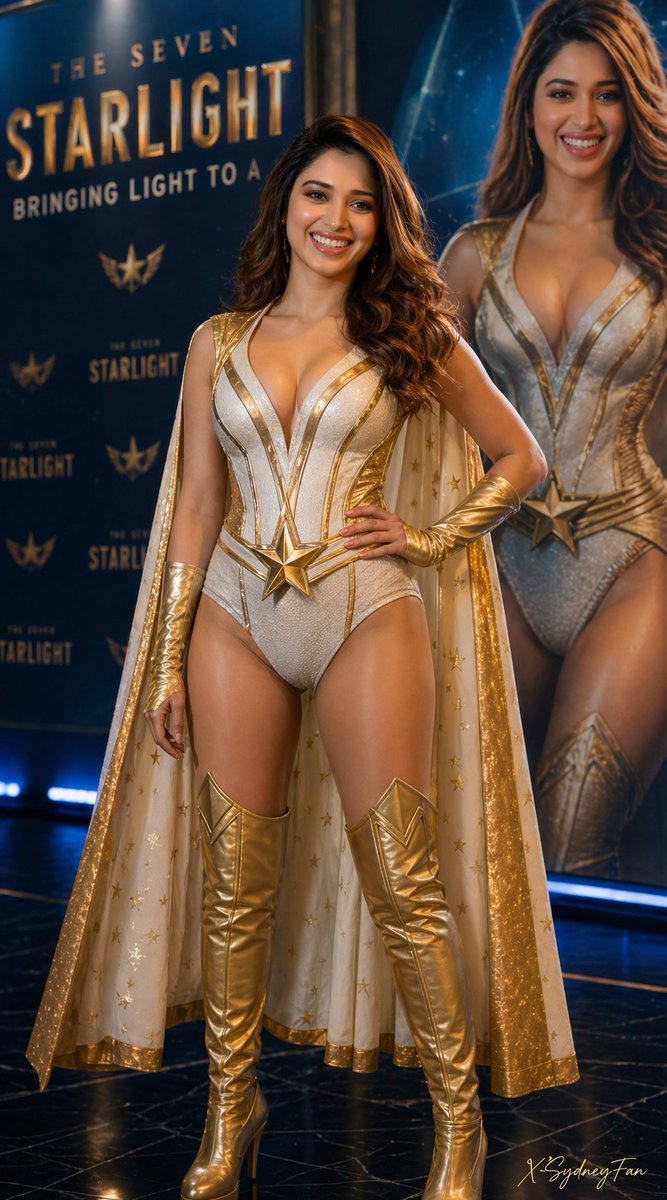
- This case keeps one primary output, so the first image should be treated as the main visual reference.
How The Prompt Is Structured
- The prompt reads as a long, highly specified prompt, which is useful when you want to judge how much specificity this direction needs.
- Its keyword cluster is centered on Portrait, Cinematic, Fashion, so you can usually keep that cluster while swapping subject, camera, layout, or copy details.
- A practical rewrite path is: keep the outcome, keep the strongest style cues, then replace only the subject and environment blocks.
Good Follow-up Questions
- What changes first if you keep Portrait, Cinematic, Fashion but switch the subject matter?
- Which part of the result comes from section-level structure (Character Design) versus tag-level style cues?
- Which related cases in the same section give you a cleaner or more extreme variation of the same direction?
Full Prompt
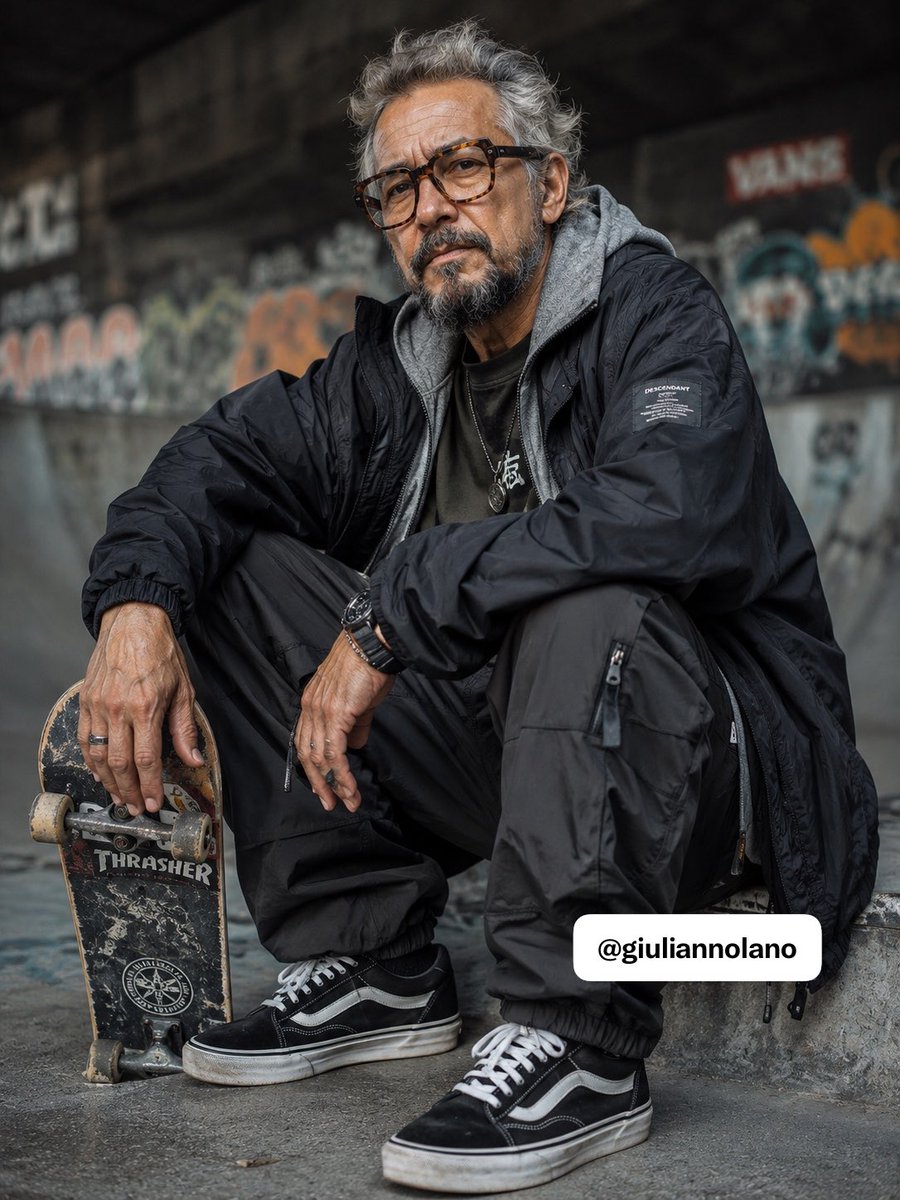
Create a gritty photorealistic street portrait of {argument name="character description" default="an elderly skater man with curly gray hair"} crouching in a concrete skatepark under an overpass, framed from head to shoes in a vertical 4:5 composition. His face is covered by a centered opaque rectangular privacy block in muted brown, while gray curls remain visible around the top and sides. He wears layered black urban skatewear: a black windbreaker jacket over a gray hoodie, a dark T-shirt with a small white graphic, loose black cargo pants, a wristwatch, rings, and black-and-white Vans Old Skool sneakers with white laces. He squats low on a concrete ledge with one knee raised, relaxed hands hanging forward, and one hand resting near a worn old skateboard standing upright beside him. Include exactly 1 skateboard: a battered black deck with dirty beige wheels, scraped trucks, distressed graphics, and the visible word {argument name="skateboard logo text" default="THRASHER"} near the top. Add exactly 1 social media tag sticker: a rounded white rectangle near the lower right of the subject with bold black text {argument name="social handle" default="@giuliannolano"}. The background is a shallow-depth-of-field urban skate bowl covered in blurred colorful graffiti, dark concrete beams overhead, moody natural light, cinematic contrast, realistic fabric wrinkles, scuffed shoes, textured aging hands, documentary street-fashion photography, 85mm lens look, soft bokeh, high detail, no extra people.